


A Brazilian bakery case and an Argentine street cart, placed side by side, would give you two pastries that look just about the same. One gets labeled empada, the other empanada (just one letter apart), and the two of them are dough wrapped around a savory filling. Even die-hard food lovers get these two mixed up, and most restaurant menus across the United States don’t do much to help with that.
The mix-up runs way deeper than just the spelling. These two foods share the same Iberian roots, and they show up under nearly identical descriptions all over the internet. You’ll find them at casual get-togethers all across Latin America. Walk into a Brazilian padaria for the first time and grab an empada when you’re expecting an empanada – what you bite into will be a crumbly and buttery shell that sort of shatters in your mouth instead of one that folds over. It’s a very different texture from what you had in mind.
The tray wasn’t mislabeled. Empadas and empanadas parted ways a long time ago – in dough, in shape, in filling philosophy and in the part that each one plays within its own food culture. They each took root in a different region and got refined over generations into something that’s very much its own. Of the foods mixed up in Latin American cuisine, it’s probably the one I get asked about the most.
The difference between these two matters – if you’re at a restaurant trying to read a menu, at a dinner party or in your own kitchen, where one swap for the other will give you a result that no one planned for.
Here’s what actually makes these two delicious pastries different from each other.
Table of Contents
Both Have Roots in the Iberian Peninsula
When colonizers arrived in Latin America, they brought their food traditions with them. The idea of a filling wrapped inside dough was helpful and portable enough to adapt to local ingredients and tastes – it’s a big part of why it spread so fast and took root in a number of places. The end result almost never looked the same from one region to the next.
Each region brought its own local ingredients, its own flavor preferences and its own techniques in the kitchen. These two foods trace back to the same origin. For centuries, they evolved on their own separate tracks (long-term isolation tends to pull them in very different directions).
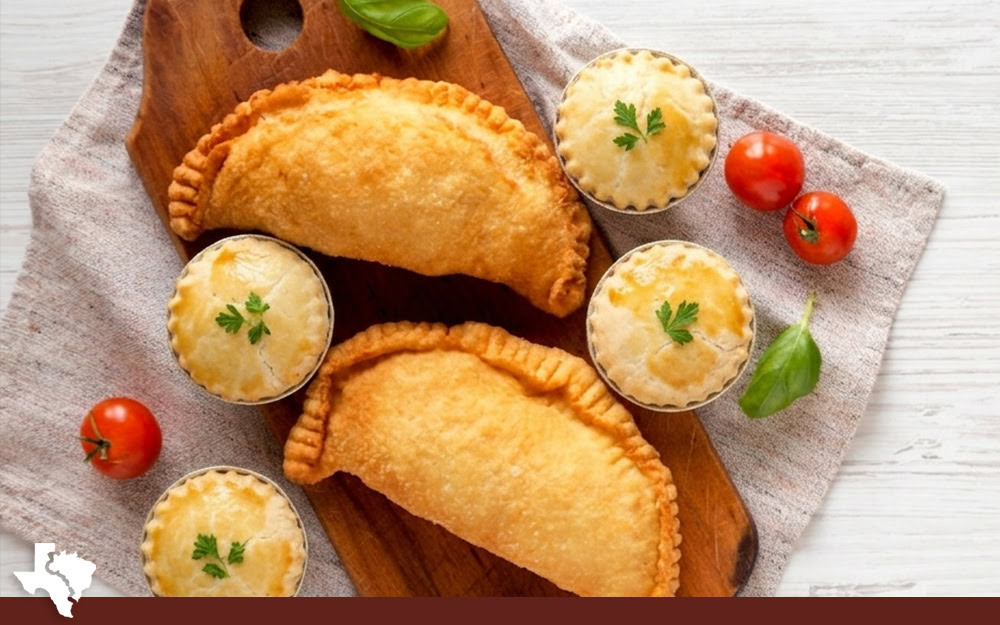
Just because two foods share a common ancestor doesn’t mean they ended up in the same place – and Latin America shows that. The region is very large, with wildly different cultures, climates and culinary traditions. Each of them put their own stamp on this borrowed idea until the empada and the empanada grew into two very different foods. At this point, the two only have filled dough in common – it’s more or less where the comparison stops. The family resemblance is genuine enough. But past that, there just isn’t a whole lot connecting them.
Geography and time are probably the two biggest reasons that these foods feel so different from each other. The ingredients that were available along the coast of Brazil were just not the same as what cooks had to work with in Argentina or Colombia. Regional tastes developed on their own. Recipes and methods drifted in their own directions. After enough generations of all that separate development, these foods each grew into their own tradition – with their own identity, their own loyal following and their own very particular way they’re made.
The Dough Makes All the Difference
The dough is where these two pastries start to become very different, and the difference between them is pretty wide. Empadas use a shortcrust dough. It’s rich – buttery and dense, much closer to what you’d find in a tart shell than anything bread-like. The dough holds its shape beautifully in the oven. But bite into one, and it shatters and crumbles into these flaky little pieces. That almost fragile quality is a big part of what makes them feel so indulgent – and it’s one of my favorite parts about them.
Empanada dough is thin and flexible. It’s made to fold snugly around the filling and create a tight seal, and it holds up just as well in the oven as it does in a pan of hot oil – which is part of what makes it so versatile. The texture is where the two really split, though. Instead of crumbling or falling apart, there’s a slight pull and chew to it – a little bit of resistance that makes the whole bite feel sturdy and satisfying in your hand.
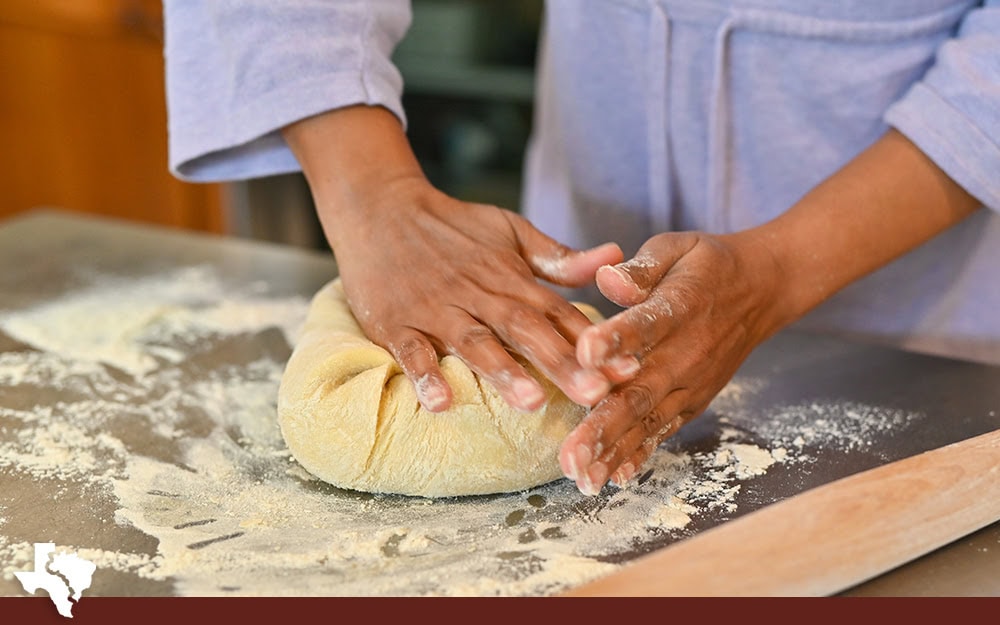
The textural difference between these two actually does change the whole eating experience. The empada’s shortcrust has this rich and almost delicate quality to it – it’s the kind of pastry that you want to eat slowly and with your full attention. The empanada’s dough is made to be handled, though. It’s a genuine grab-and-go food in a way that an empada just isn’t.
That comes from the dough alone – before we even get to what’s going on inside. The filling is, of course, a big part of it too. The dough is what drives the entire experience, though – a well-made dough is the difference between something crumbly and delicate and something a little more flexible and satisfying to bite into.
How the Shape and Size Set Them Apart
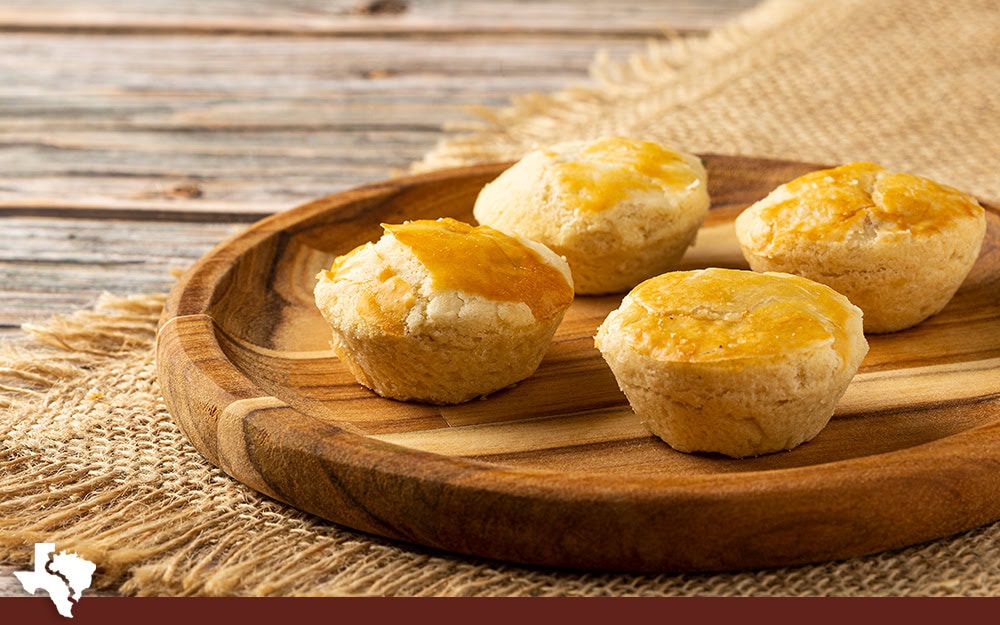
With these two pastries, their shape is a great place to start – and the differences between them actually run pretty deep. Empadas are small and round with a cup-like base and a flat pastry lid pressed neatly on top. Empanadas get folded into a half-moon shape with crimped or sealed edges all along the curved side.
The empada and the empanada just don’t look like they have much in common if you put them side by side. An empada is a self-contained little pie (almost like something that you’d pull out of a miniature muffin tin), while an empanada is a folded dough pocket sort of halfway between a calzone and a turnover. Even the way you’d grab one off a plate is a whole different motion.
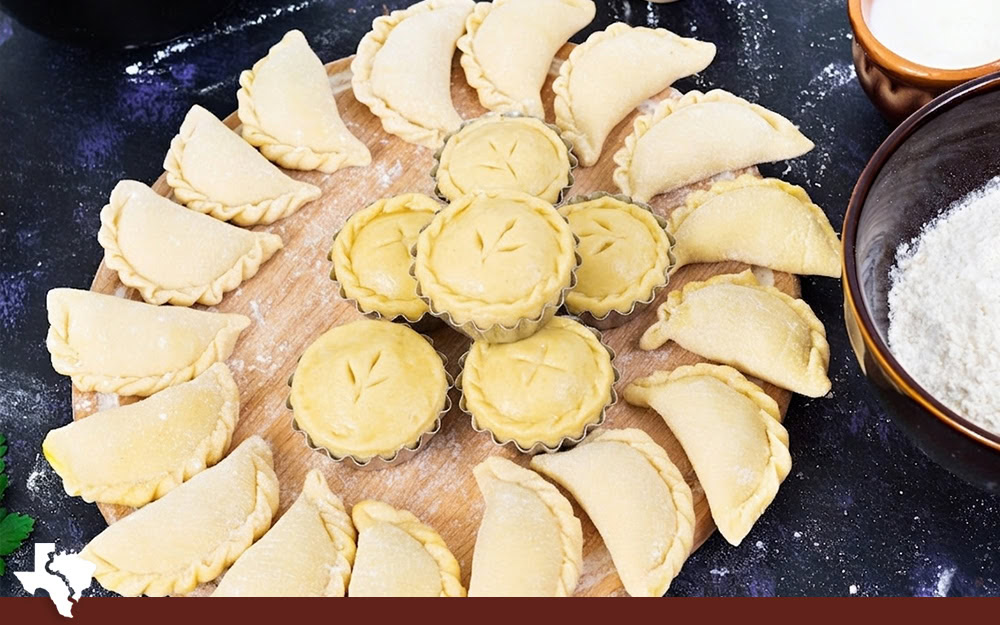
The structure of each one also changes how you eat it. The empada’s cup-and-lid design holds the filling snugly inside, and you can finish one in just a few bites – it’s a compact little pastry. The empanada’s folded shape opens up into a much wider pocket on the inside, which lets it hold chunkier fillings without any mess. In a way, the two designs are helpful answers to the same basic problem of how to hold a savory filling neatly inside pastry dough. Each shape can just depend on what the filling needs, and the logic behind each shape clicks into place pretty fast once you see it that way.
With those shape differences covered, the next natural place to look is at what goes inside these pastries. The fillings for empadas and empanadas are just as different as their exteriors are, and each one pulls from a pretty different culinary tradition. In my experience, this tends to be the part of the comparison that gets everyone the most excited – and it’s not hard to see why.
Each Region Has Its Own Filling Story
The fillings are what make these pastries what they are – and their story goes back a few centuries. Brazilian empadas stick pretty close to a handful of classic filling combinations – shrimp, heart of palm and chicken with cream cheese are the ones that you’ll usually come across. These flavors run pretty deep in Brazil’s food culture, rooted in the country’s coastal geography and in its long agricultural history. No matter which part of Brazil you’re eating in, those fillings are going to feel right at home.
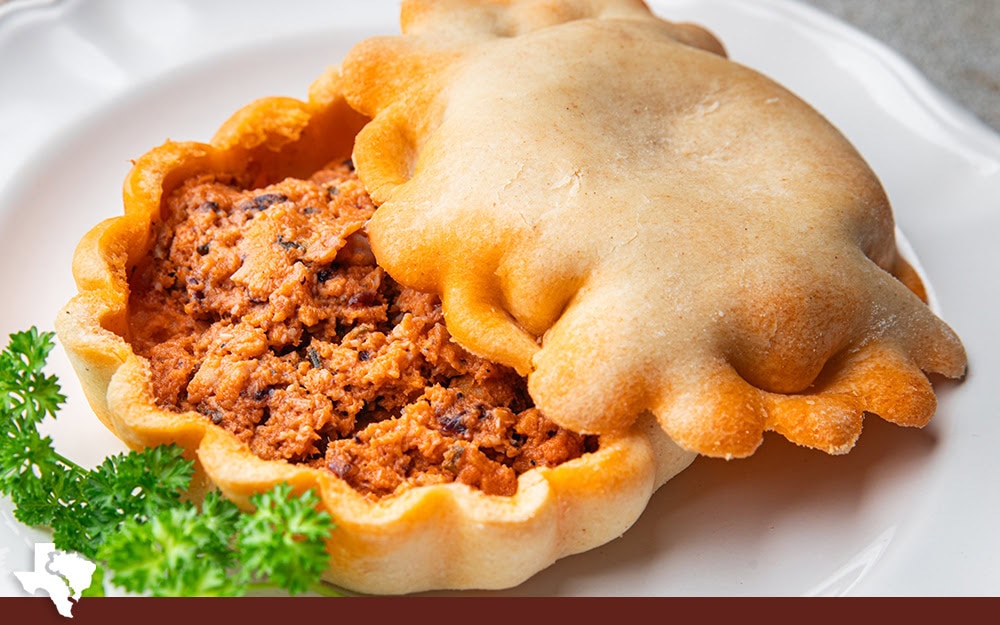
Empanadas are also pretty regional, and the filling changes pretty dramatically based on where you are. You might find spiced beef and olives tucked inside in Argentina. Go to Chile, and suddenly, hard-boiled eggs and raisins are in the mix. Colombia puts its own spin on the proteins and the seasonings altogether, and the result tastes like something that actually does belong to that region. Every variation has its own identity, and each one lands a little differently on the palate.
For centuries, cooks in every region worked with whatever was available to them – what grew nearby and what they’d raise or catch. That geography and those limitations, more than anything else, are what gave these pastries their own personality over time. The filling was never just a recipe – it was a direct reflection of the land it came from.
What makes the empanada family so interesting is this sort of story. Brazilian empadas held pretty close to their traditional roots – empanadas traveled across a massive geographic range and picked up new influences at each stop. Every country, every region and in plenty of cases every household eventually landed on its own version of the recipe. Geography had already shaped an identity for these pastries long before anyone had thought to write one down. That history matters.
How You Eat Each One
How you eat each one of these pastries turns out to be just as different as the pastries themselves. Empadas in Brazil are made to be bite-sized – small enough to grab off a tray and finish in two bites. At birthday parties, office events and weekend get-togethers, a platter of empadas is more or less expected – something to reach for between conversations instead of something that you would sit down for. No plate, no fork, no fuss. The whole point is to fill the gaps in the evening – not to fill you up.
At a Brazilian get-together, there’s usually a tray of little empadas that makes its way around the room, which is very much their natural home. The whole point of the food is to make sure everyone stays comfortable as they move around and talk instead of pulling anyone away from the crowd and sitting them down at a table.
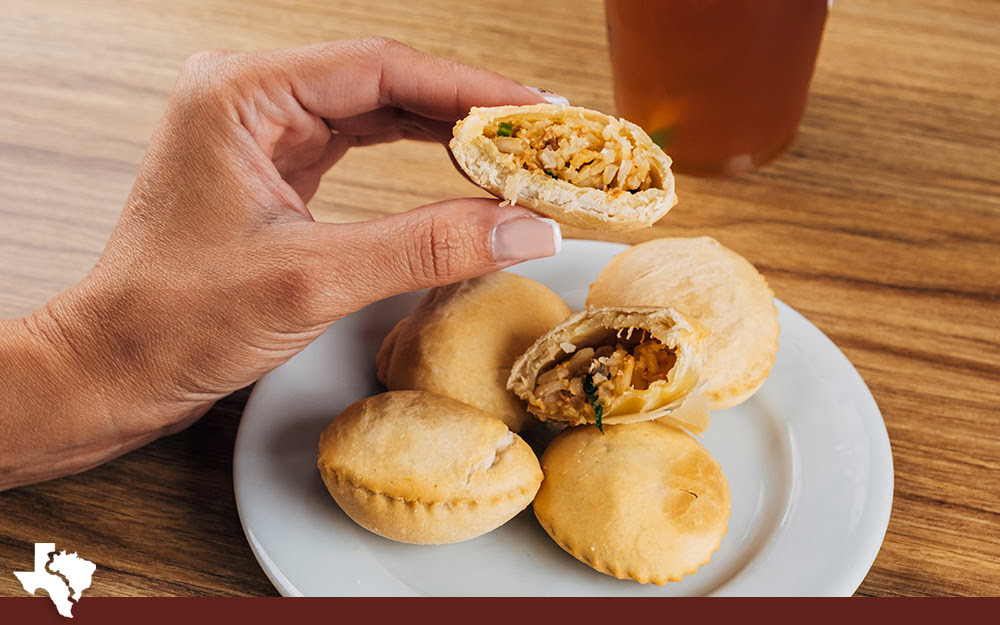
Empanadas hold a very different place in day-to-day life across Argentina, Chile and Colombia. Hand-sized and filling enough to count as a full meal on their own, these are not party snacks – these are lunch. The move in Buenos Aires is to grab one from a street vendor and eat it on the way out the door. No tray, no table – just a warm pastry passed over to you in a napkin, and you’re on your way.
Both are portable – it’s more or less where the similarities end. One is meant to be passed around in small bites at a party or social get-together, and the other is meant to actually get you through the afternoon. That size difference wasn’t an accident – it does tell you quite a bit about what each culture wanted from its pastry. A Brazilian host would never set out a single large empada for each guest, and an Argentine street vendor would never hand over a little tray of bite-sized ones for lunch – each pastry is the size it needs to be, and there’s a reason for that.
The Real Reason People Mix These Up
Empadas and empanadas like to get mixed up, and it’s easy to see why. The names are nearly identical. They’re each stuffed pastries with deep roots in Latin American cuisine. Plenty of English-language menus either translate them loosely or just use the two terms like they’re interchangeable.
That last point deserves a little extra attention. A menu that lists something as an “empada” or “empanada” isn’t always a reliable indicator of what the kitchen is actually making – and to be fair, that’s not necessarily the restaurant’s fault.
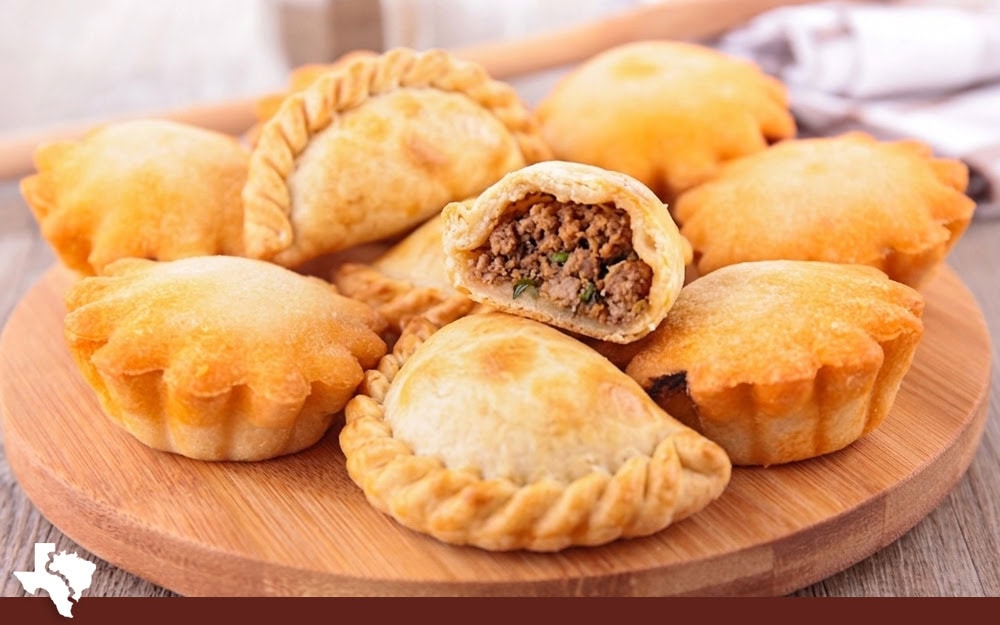
Latin American cuisine is wonderfully diverse, with dishes spread across different countries and cultures throughout the region. It’s pretty easy to get them mixed up – there’s legitimately a lot to keep up with. Food writers, well-traveled foodies and home cooks can all run into this mix-up eventually.
A big part of the mix-up comes from the assumption that all stuffed pastries from this part of the world follow the same basic blueprint. The dough, the shape, the size and how each one gets prepared – these all point back to very different culinary traditions. Brazil and the wider Spanish-speaking world each came up with their own version of it separately, and the differences between them run pretty deep.
The empada and the empanada start to show their differences when you eat them. The empada comes in a compact little shell with a crumbly and buttery crust that practically falls apart as you bite into it. A baked or fried empanada gives you something chewy and foldable instead – a whole different sort of satisfaction. They’re legitimately delicious. You’ll start to see each one for what it is.
Savor the Moment at Texas de Brazil
Empadas and empanadas are two separate foods that just share a name and a distant common ancestor – and that’s where the similarities end. The dough is different, the shape is different, the fillings are different, and the situations where you’d actually run into each one are nothing alike. With that in mind, a bakery case, a restaurant menu or a party spread should make more sense the next time you’re staring at one. Two very different foods, two very different culinary traditions – and each one is well worth a try.
That knowledge is only part of the experience, though. The best part is sitting down to eat food this delicious with everyone that you love to be around. Brazilian dining has its own way to turn any meal into a full event. That spirit comes alive the most at the table. Texas de Brazil is a great place to learn what Brazilian food is all about. At our churrascaria, the warmth and generosity of the Brazilian dining tradition come straight to your seat – our gauchos carve fire-roasted meats tableside and our 50-item gourmet salad area is loaded with chef-prepared dishes to round out every plate.
There are plenty of great ways to make Texas de Brazil part of your next celebration – or just a casual weeknight dinner. Our eClub gets you $20 off your next visit. Gift cards are always a wonderful option for anyone who deserves a great meal. Our online Butcher Shop lets you order premium cuts delivered straight to your door. Whenever the time feels right to pull everyone together around the table, make your reservation – we’d love to have you.
The spread at a Brazilian steakhouse covers serious ground. There’s a massive cold bar, a full hot bar, soups, charcuterie and a whole lineup of imported cheeses that runs along the full length of an entire wall. The whole spread makes a statement on its own – well before a single gaucho has even made it to your table.
From there, the meal tends to go one of two ways. A fair number of guests will skip the salad bar almost altogether and hold out for the meat service, but the salad bar is a big part of what makes a churrascaria worth visiting. The other camp does the exact opposite – plates get piled so high at the bar that by the time the prime cuts start making their rounds, there’s no room left. In either case, the meal never quite hits what it could have been.
A leisurely pace through each side of the menu is the way to go – not rushed and not treated as an afterthought. The format rewards guests who give it the time it deserves, and the whole meal comes together in a way that’s hard to beat. In my experience, guests who move through each side at a comfortable pace usually leave with a very different impression of the restaurant compared to those who don’t.
Let’s talk about how the salad area and the hot bar work at Brazilian BBQ!
Table of Contents
One Flat Price Covers the Whole Meal
Pricing at Texas de Brazil is one of the details that first-time guests aren’t quite sure about before they walk in, so it’s helpful to try to know ahead of time. The salad area and the hot bar are included in the flat price that you pay at the door – no separate charges, no add-ons, nothing extra.
The fixed price covers everything – the tableside meat service, the hot bar and the salad area are all rolled into that one number. One price and everything is included.
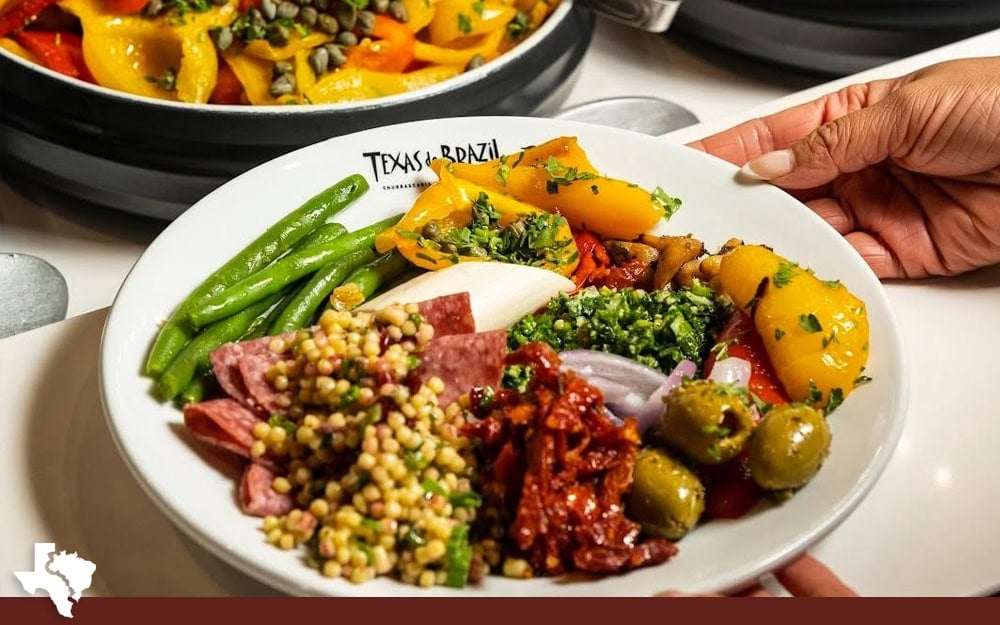
A churrascaria runs on a very different model than an ordinary restaurant – it’s the whole point of the format. At a standard restaurant, you order off a menu, and your bill builds from there. At a churrascaria, you pay one flat price at the door, and the restaurant brings everything to you – it’s a full feast-style setup, and it’s built to work just that way. The salad bar and the hot bar are very much a part of the experience.
The salad area is worth a separate callout because it’s a generous spread of premium items (imported cheeses, charcuterie, prepared dishes and plenty more). Most guests make more than one trip back to it before the meal is over.
With that said, if you’ve been holding back from grabbing a plate because you were worried it might add to your bill, go ahead and get up there. Not a single extra cent gets tacked onto what you already paid at the door – and it’s one of the best parts of the whole meal.
More Than Just a Salad Bar
A visit to a Brazilian steakhouse is usually about one priority – the meat. The salad bar tends to get treated like filler, just something to nibble at as you wait for the gauchos to come around with the first skewer. At Texas de Brazil, that expectation doesn’t quite hold up.
The salad bar runs to over 50 items, and the spread is actually worth a long look. Fresh vegetables are a given – but alongside them you’ll find imported cheeses, cured meats and charcuterie, some warm soups and a lineup of other prepared dishes that feel more like a deli counter than a side table. The range is wide enough that a satisfying meal is pretty possible here without ever picking up a skewer.
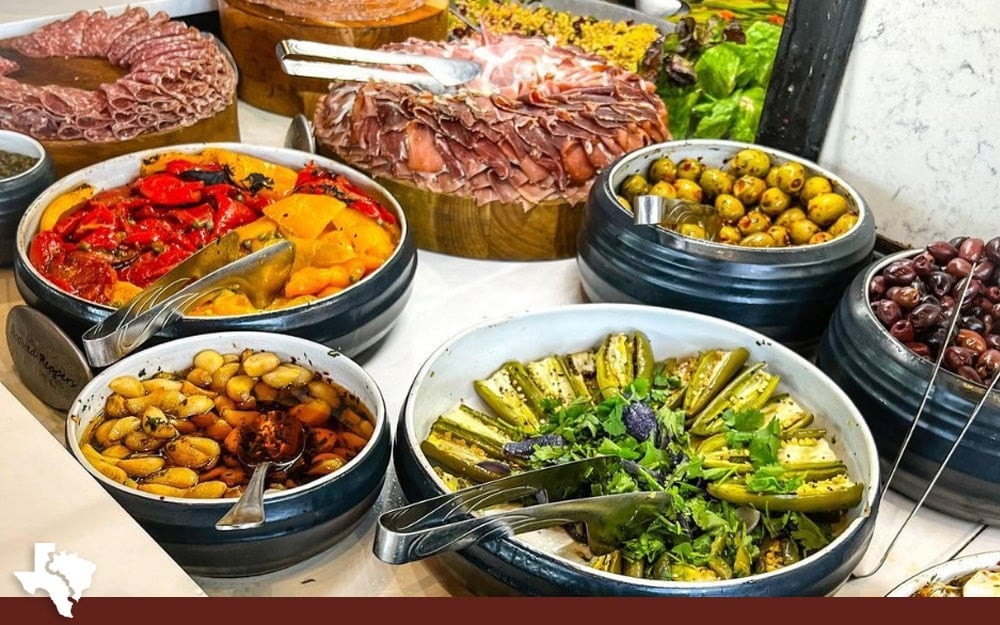
Take your time as you walk through the display – a deliberate pass is worth it before you pile anything on your plate. Most guests just rush straight through to the main course and miss plenty along the way. Imported cheeses and cured meats aren’t what the word “salad” brings to mind, and the warm soups alone deserve a careful look before your plate gets too full.
The look of it all is hard to miss as well. The display is well-stocked and put together in a way that draws you in. With colors and textures that stretch from one end to the other, it looks like a full spread instead of a few sad bowls of romaine. Something about it pulls you toward dishes that you’d never normally reach for. That alone makes it worth the time.
The salad bar is worth a stop on your next visit – even if you’ve always headed straight for the meat.
How the Hot Bar Pairs With the Meats
The hot bar is the home of hearty sides – the ones that pull a meal together and make it feel like a satisfying spread. At Texas de Brazil, our hot bar usually has rice, black beans, mashed potatoes, pasta and a rotating number of other Brazilian staples that can change a little depending on the location and time of year.
Nothing on the hot bar ended up there by accident – each item was put together with the grilled meats in mind. Black beans are probably the best example of this. They have an earthy richness that works against the heavier cuts like picanha or the Brazilian sausage. It’s a classic pairing in Brazilian cuisine for a reason, and it holds up just as well here at the table.
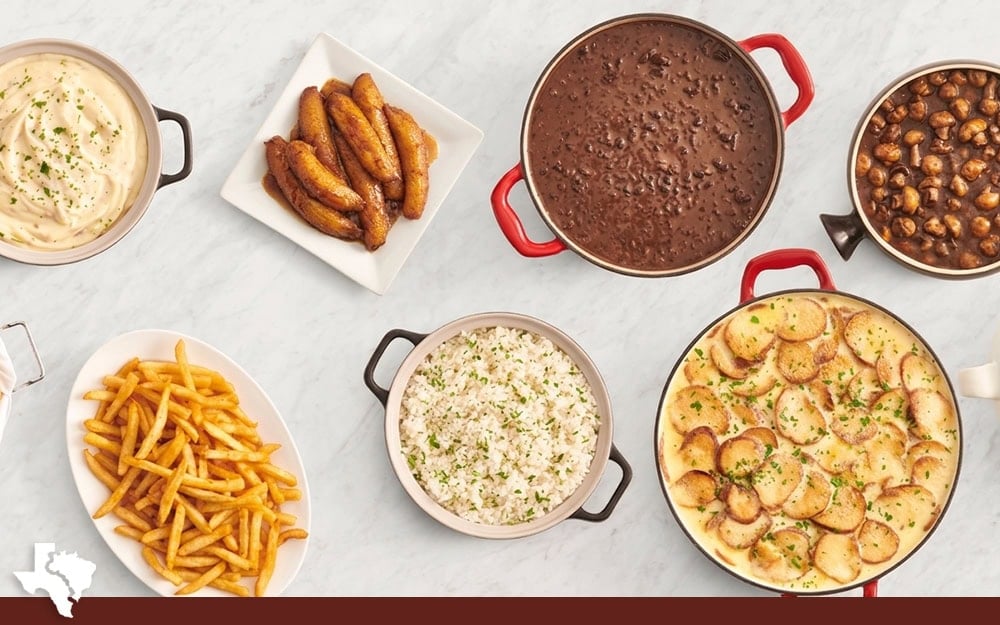
The lighter sides also have their place. Between bites of charred meat, your palate could use a small break – and these sides do just that without competing with everything else on the plate. It’s a quiet balance – but a very necessary one. Without it, the meal starts to feel like more work somewhere around the halfway point.
That balance is actually the whole point of the hot bar. Every item is meant to work alongside the meat – not fight it for attention. A well-rounded plate of sides does its job quietly – and when it works, the meal just feels whole and satisfying from start to finish, round after round.
A bite of picanha paired with a spoonful of black beans and rice tastes very different than the same cut on its own. That gap is what our Texas de Brazil experience is all about – it’s worth keeping in mind as you work your way through it.
Save Room for the Meat
The salad area and hot bar at a Brazilian steakhouse are pretty great, and most first-timers have no idea where to even start. Everything looks very fresh. The options are almost ridiculous, and it feels natural to want to just fill your plate up with them.
That’s actually where first-time guests make the biggest mistake of their entire visit. The gauchos (the servers who walk around with large skewers of meat and carve directly at your table) start to make their rounds pretty soon after everyone sits down. If your plate is already loaded up with sides and salad by then, there won’t be much room left once the meat starts to arrive. You don’t want to wave off a beautiful cut of picanha or lamb chops just because you filled up on greens.
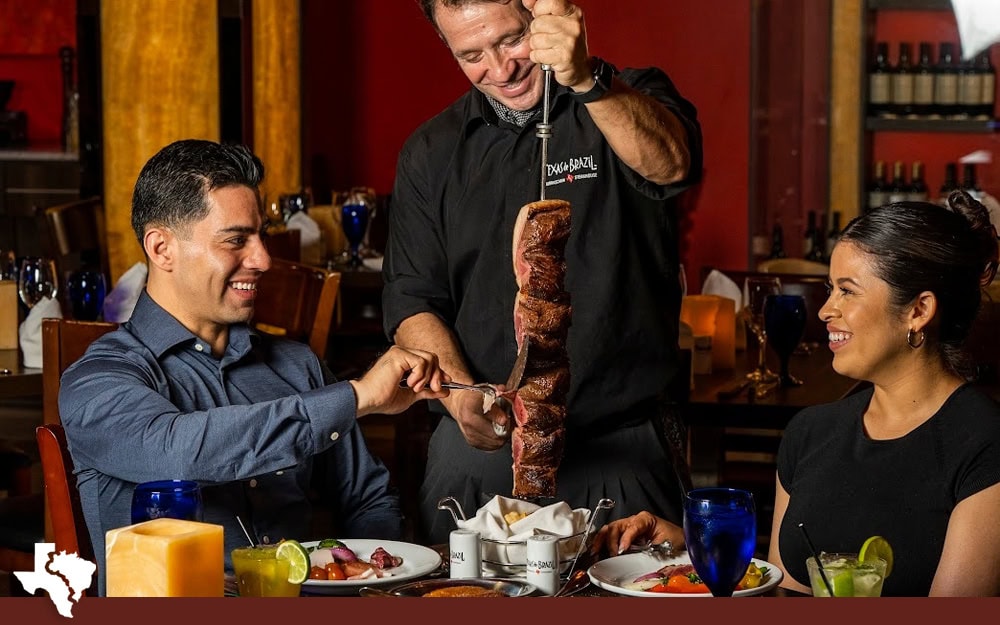
The salad bar and hot bar are there to complement the meal, not to carry it. On your first trip up, go light – take a small taste of a few items that interest you instead of loading your plate up at once. Most of the hot bar items will be out for the whole meal, so there’s no pressure to try everything in one go. Save the heavier sides for a bit later once you have a better sense of your appetite.
The meat is the main event, and every cut that those gauchos bring to your table deserves room on your plate. The biggest mistake most guests make is loading up too high too fast on the first few rounds. Save some room and let the meal run its course – you’ll get so much more out of it. The guests who figure this out (even midway through) usually walk away and say that the second half was the best part of their visit.
You Can Always Head Back to the Bar
One of the best parts about the Texas de Brazil salad area and hot bar is that a single trip is never all that you get. Come back as many times as you want, for as long as you want, at any point throughout your meal. The whole setup is open-ended. That one little detail does change the entire experience.
One of the best perks here is that it takes the pressure off the trip. There’s no need to grab everything at once or to worry about missing something. If anything at the bar looks desirable but seems a bit much for now, just leave it for later. You can always head back up once you’ve had a chance to work through what you’ve already got.
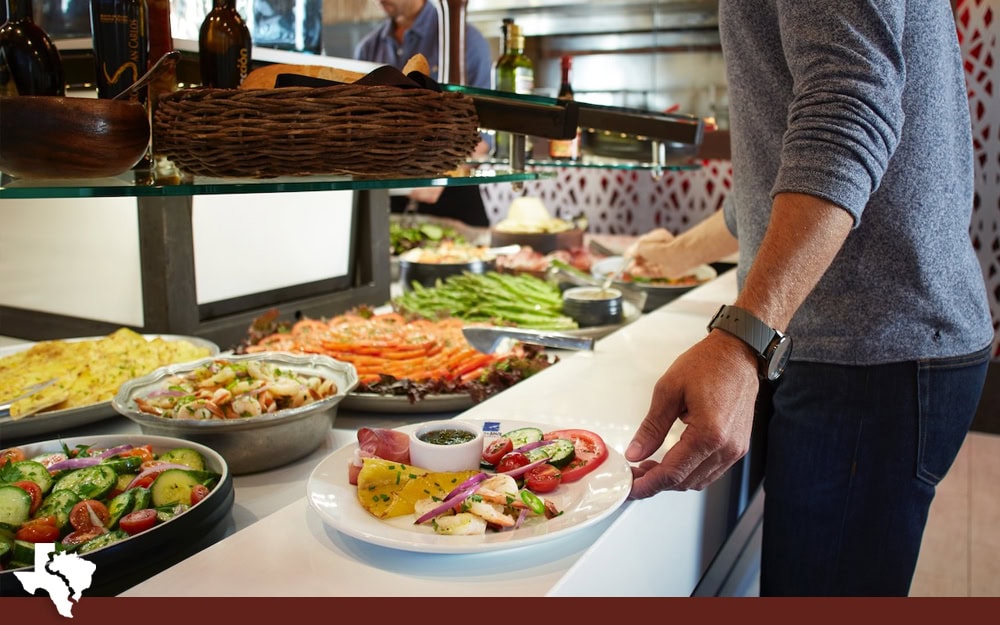
The whole point here is to eat at your own pace and to actually like what’s in front of you. The plate doesn’t need to be some grand mission. A handful of items that you want is plenty to get you started. The meal is long, the bar is always well-stocked, and there’s no pressure to have everything figured out at once.
For a first visit, my best advice is to treat your first plate more like a preview than a commitment. Grab a little of everything that looks desirable, get a sense of what you’re really into and then plan from there. Nothing is going anywhere – what’s cold stays cold, what’s hot stays hot, and the whole spread will be right there waiting for you whenever you’re ready to head back up for round two.
Pick the Salad Bar for a Lighter Meal
Not everyone at the table will want the full meat experience, and we have an option for that at Texas de Brazil. Guests who want to skip the meats altogether can pay a lower price for access to just the salad area – a helpful detail to know when booking a reservation.
Our salad area at Texas de Brazil is a generous spread that includes imported cheeses, cured meats, fresh vegetables, soups and a whole lot more. For plenty of guests, it’s more than enough food all on its own. Anyone eating plant-based food will find that this part of the restaurant might as well have been designed with them in mind.
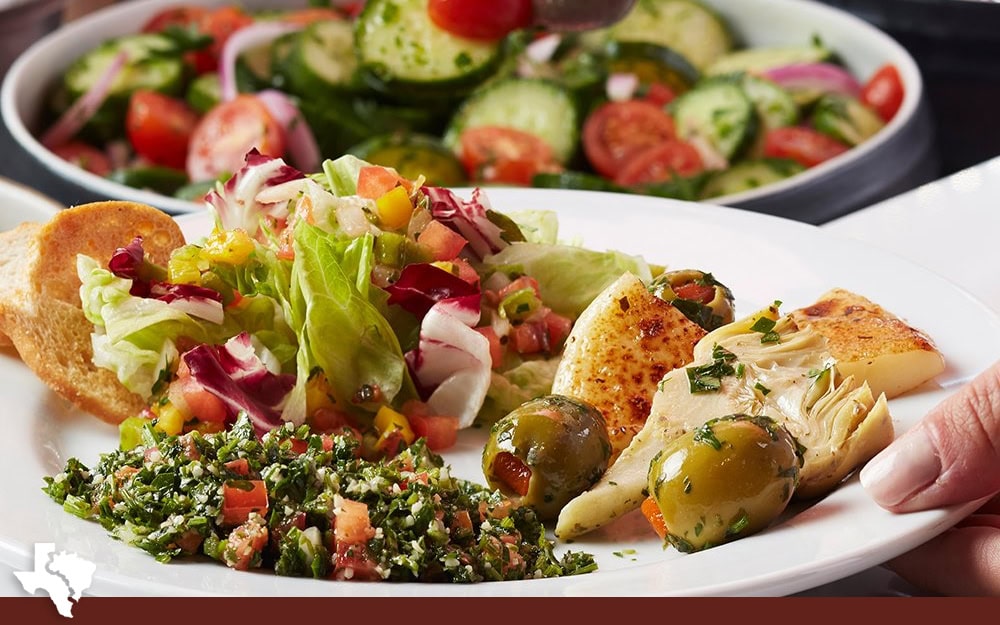
This place actually does work well for a mixed group – it’s not something that you can say about every restaurant. Heading there with friends or family who all eat a little differently is no problem – no one at the table has to give anything up. One person can go all-in on the full churrasco experience (the endless parade of beef, lamb, pork and chicken) and another person can pay a bit less and just work the salad bar all night. Same table, same night and no compromises.
That flexibility is one of the best upsides that we have going for us at Texas de Brazil. Most all-you-can-eat steakhouses lock you into an all-or-nothing deal. Sometimes they have a separate pricing tier for guests who’d just as soon skip the meat cuts, making the whole experience work for a much wider audience. Date nights, birthday dinners, work outings – the whole group is much easier to coordinate when the menu doesn’t ask everyone to make the same call.
A quick price check on your options is always worth it for first-timers – rates can vary quite a bit from one location to the next.
Make the Most of Every Bite
A few small habits go a long way toward getting more out of your meal. At the salad station, it’s worth a pause before you fill your plate with the usual staples. The items that actually deserve a second trip (marinated vegetables, cured meats and specialty cheeses) are usually the ones that you walk right past the first time around.
The salad area is more of a palate-building tool. A little chimichurri, a slice of fresh mozzarella or a spoonful of something pickled can reset your palate between rounds – it’s what makes the next cut of meat land even better.
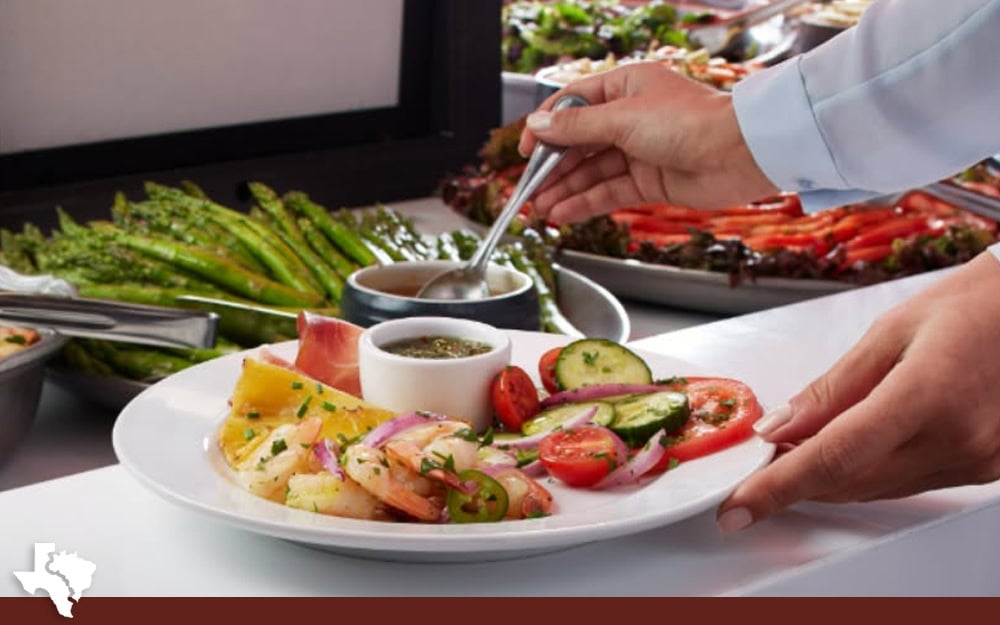
A well-timed hot bar visit can make or break the experience, and most diners don’t plan for it at all. The best time is right after the wave of meats starts to taper off – as your card is still flipped to red. Head over and grab something warm, as it’s still fresh, and get back to the table when you’re ready for round two. The gauchos aren’t going anywhere, and a short break won’t set you back.
Going back to the salad area for a second round, bring a little more intention than you did the first time. A return trip is a great opportunity to grab one or two of the items that you passed over earlier. The spread itself doesn’t change much throughout the night. But your hunger and your curiosity will – and in most cases, that second visit ends up being the better one. The salad bar has quite a bit more to give you than a single pass through it, and each trip has more to it than just a warm-up.
Savor the Moment at Texas de Brazil
A churrascaria without a plan can very quickly become a pretty chaotic meal – but now you have one. With a better feel for how the salad bar and hot bar actually fit into the whole experience, the visit gets quite a bit more manageable. There’s no more hesitating at the counter or piling your plate with the wrong dishes before the main event even gets going.
A visit like this legitimately rewards those who take their time with it. Stop rushing through and start paying attention to what’s in front of you (what looks worth trying, what pairs well together and what you want to save room for), and the whole experience comes together in a way that’s hard to explain until you’ve done it. That mindset does matter whether it’s your first visit or your fifth.
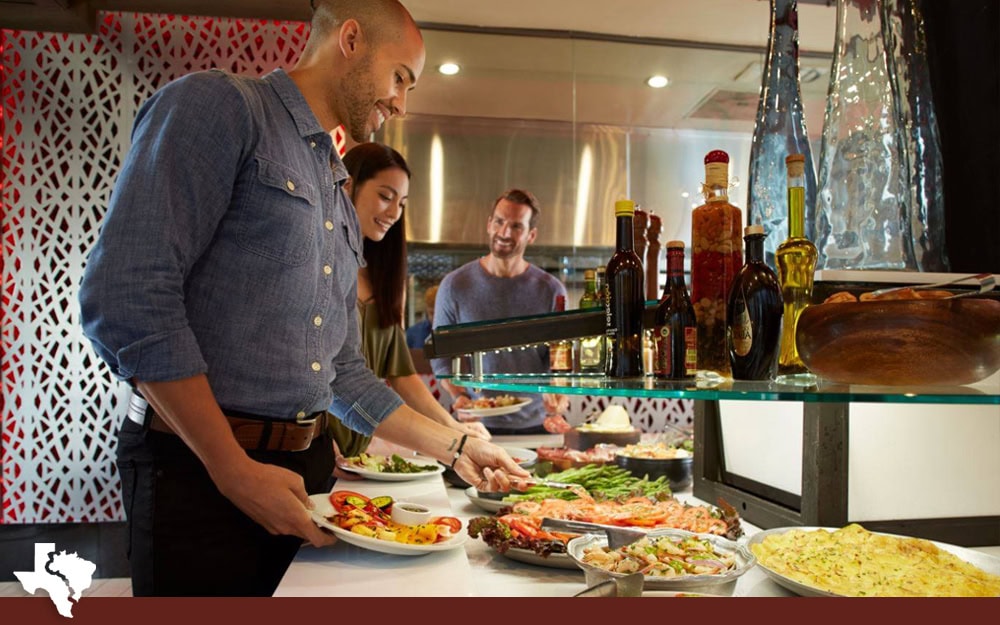
At Texas de Brazil, we make it easy to put this into practice. You can go for the full churrasco experience or keep it light with just the salad area – there’s something for every appetite at the table. Reservations are easy enough to make online. Sign up for our Texas de Brazil eClub before you head out, and you’ll get $20 off your visit – it’s worth doing ahead of time. Gift cards are also available if you have somebody in mind who deserves a great meal.
On the days when a restaurant trip just isn’t happening, our Texas de Brazil Butcher Shop carries premium cuts that you can order and have delivered right to your door. Whichever way you go about it, the table is ready whenever you are!
Brazilian food has earned genuine admiration far outside of South America’s borders. The version most pictures show doesn’t match what actually lands on the table in Rio, Belém or Porto Alegre. Travel guides lean hard into churrasco. Health food businesses took açaí and repackaged it into a photogenic bowl. Steakhouse chains abroad put beef at the center and let it stand in for an entire nation’s cuisine. With each filtered image that circulated, the actual food culture got pushed a little more aside.
Food has always been one of the most direct ways to know a culture, and with Brazilian cuisine, that understanding tends to be shaped more by marketing than by reality. Most diners’ first exposure to Brazilian food is the tourist-friendly version – and it leaves quite a bit out. The savory traditions of the Amazon, the mild day-to-day staples and the fiercely regional dishes that will never appear on an international menu – none of that gets included. Brazilian food deserves a more honest account.
Each one of these has an actual origin, a reason that it spread and a far deeper story behind it. These aren’t minor footnotes in culinary history either. They’re rooted assumptions that shape the way millions of diners around the world think about one of the most diverse food cultures on the planet. These ideas didn’t develop in a vacuum (most of what we know about Brazilian food comes directly from steakhouse chains and marketing departments), and that’s a fairly limited view. The actual picture is far more layered, regional and interesting than that version suggests, and each of the five myths below gets a direct response with the fuller context behind it.
There’s quite a bit more to Brazilian food worth exploring, and these five myths are a place to start.
Table of Contents
Churrasco Is Not What Brazilians Eat Daily
A quick search for Brazilian food online will give you more or less the same results every time – page after page of sizzling meat on skewers. Churrasco gets most of the attention, and with fair reason, because it’s a pretty great food tradition. The issue is that all that coverage has slowly built up a version of Brazil that doesn’t quite match what they eat on any given day.
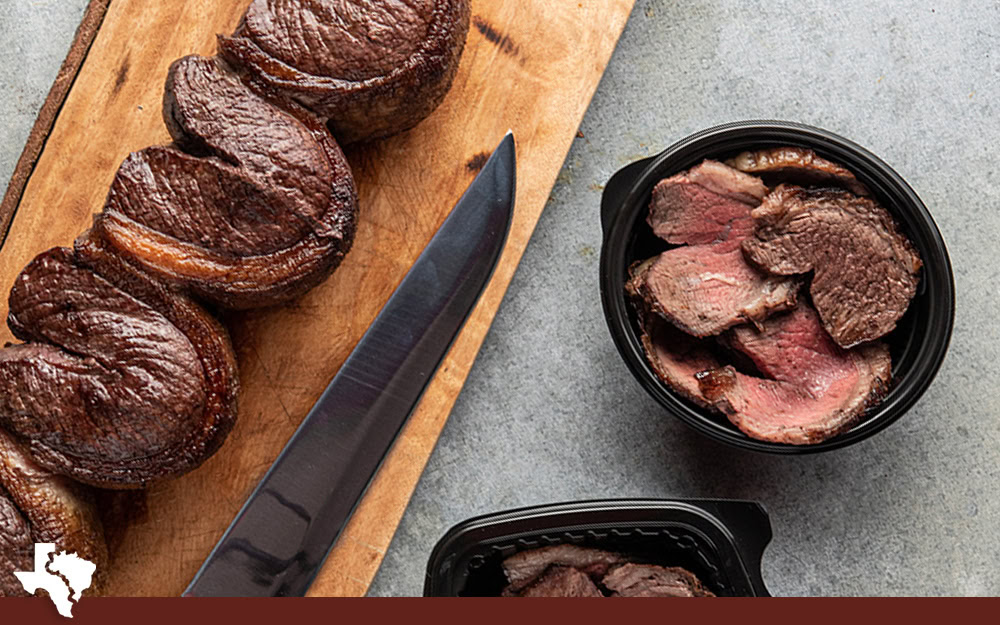
Most Brazilians don’t sit down to a barbecue feast on a Tuesday night. The day-to-day meal is much simpler than that – it’s called the “prato feito,” and it’s a plain plate of rice, beans and a protein, usually chicken, beef or a fried egg.
For a bit of context, imagine if every travel magazine only ever showed Americans eating Thanksgiving turkey. After a while, the rest of the world would probably start to believe that’s what ends up on the dinner table every night. Something very similar has happened with churrasco and Brazil’s international image. Brazilian steakhouses (known as “churrascarias”) became a wildly popular restaurant format to export abroad, and over time, that format became the face of an entire country’s food culture.
The churrascaria experience is a genuine and well-loved part of Brazilian life (no one is arguing about that, though it tends to be more of an occasion), a weekend tradition more than something they eat on a normal Tuesday. The prato feito is something altogether different. Sold at lunch counters and small restaurants all across the country, the prato feito has been a staple of Brazilian working life for generations. It’s affordable and hearty, and part of how Brazilians actually eat from one day to the next – it’s the plate worth learning about.
Feijoada Is Not an Everyday Meal
Feijoada is usually the first dish that comes to mind when anyone mentions Brazilian food, and there’s an obvious reason for that. It’s rich and very flavorful, and it carries a cultural history deep enough to earn it a permanent place in the Brazilian culinary conversation. What doesn’t come up nearly as much is that most Brazilians don’t actually sit down to eat it all that much.
Feijoada is more of a weekend tradition than a day-to-day staple. Most restaurants in Brazil only serve it on Wednesdays and Saturdays, and at home, it’s largely saved for family gatherings or big occasions. The prep time alone is quite a commitment ( beans need to soak overnight, and the whole process can take a few hours), and it’s a very heavy and filling meal – not what you’d pull together on a random Tuesday night. When Brazilians do eat it, the experience tends to be social. It’s the meal that brings everyone to the table for a long afternoon – not something eaten on the go.
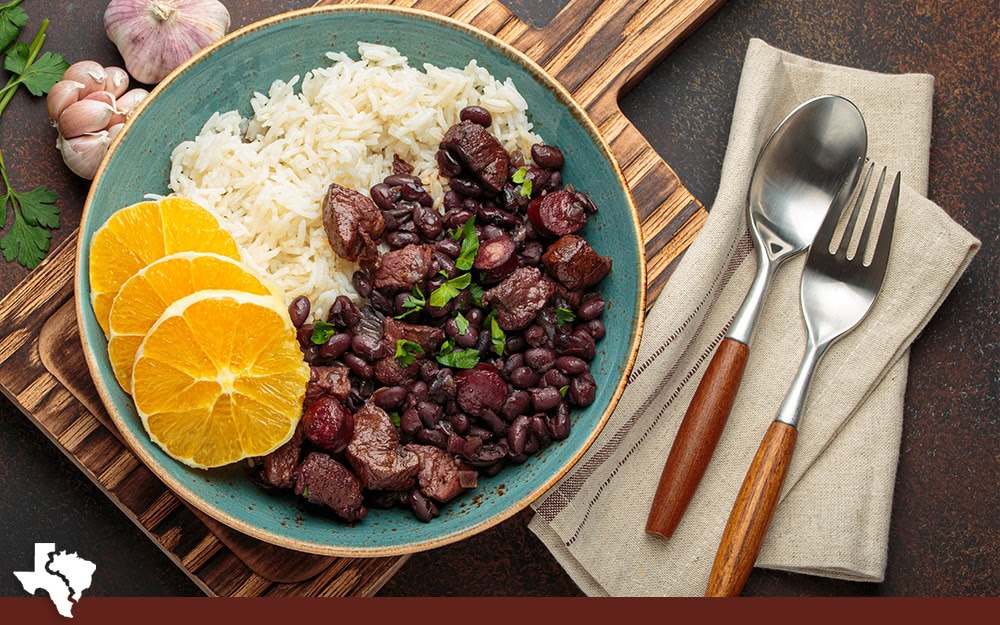
The reason this myth has had any staying power is mostly about how feijoada gets portrayed in travel guides and food documentaries. It’s a visually striking dish with a very rich backstory, and it draws plenty of well-deserved attention. That level of spotlight has a way of making a dish feel far more like a day-to-day staple than it is. The same happens with national dishes around the world – the most photogenic or culturally loaded food usually ends up standing in for an entire cuisine.
Another assumption about Brazilian food that comes up quite a bit is the idea that it’s heavily spiced.
Brazilian Food Is Much Milder Than You Think
Brazil is the fifth-largest country in the world, and its food shows that scale in every way – a massive spread of flavors and strong regional traditions that can vary wildly from one part of the country to the next. The assumption that Brazilian cuisine is all about fiery heat and strong spice is, to put it gently, quite a stretch.
Most Brazilian cooking is pretty mild. The flavors come from aromatics like garlic, onion and fresh herbs – not from heat. A plate of rice, beans and grilled meat is one of the most common meals across the country, with next to no spice in it whatsoever.
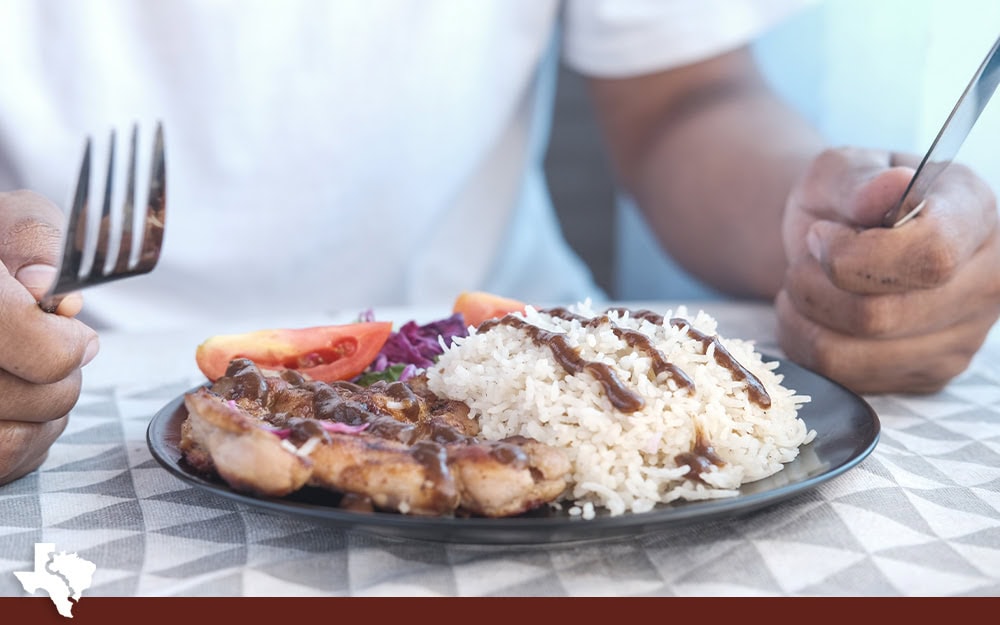
Most of the uncertainty around this topic comes from the tendency to treat Latin American cuisine as one big umbrella – and Mexican food ends up taking the blame for that. Mexican cuisine, just like Thai or Indian food, actually does put heat at the center of the entire flavor experience. Brazilian food just doesn’t work that way.
A few exceptions are worth mentioning, though. Bahian cooking, from the northeastern state of Bahia, does run noticeably hotter than the rest of the country. Dishes like moqueca, a hearty coconut-based fish stew, can pack quite a kick from malagueta peppers. Even so, Bahia represents just one regional tradition within a very large and diverse country, and its food doesn’t speak for Brazilian cuisine as a whole.
A fair comparison would be to write off all American food as barbecue just because Texas exists – one state doesn’t speak for the whole country. If anybody has told you that Brazilian food is too spicy for you, my guess is that they had a very Bahian meal and never dug into much past it. The rest of Brazil has quite a bit more to give you, and most of it won’t set your mouth on fire at all.
The Açaí in Brazil is Very Different
The açaí bowl that most of us know from our local coffee shop (topped with granola, fresh fruit and a drizzle of honey) is pretty delicious, and it’s not hard to see why the world fell in love with it. It’s sweet and much closer to dessert than anything that you’d actually call a health food.
But that bowl has almost nothing in common with the way açaí is eaten back where it comes from.
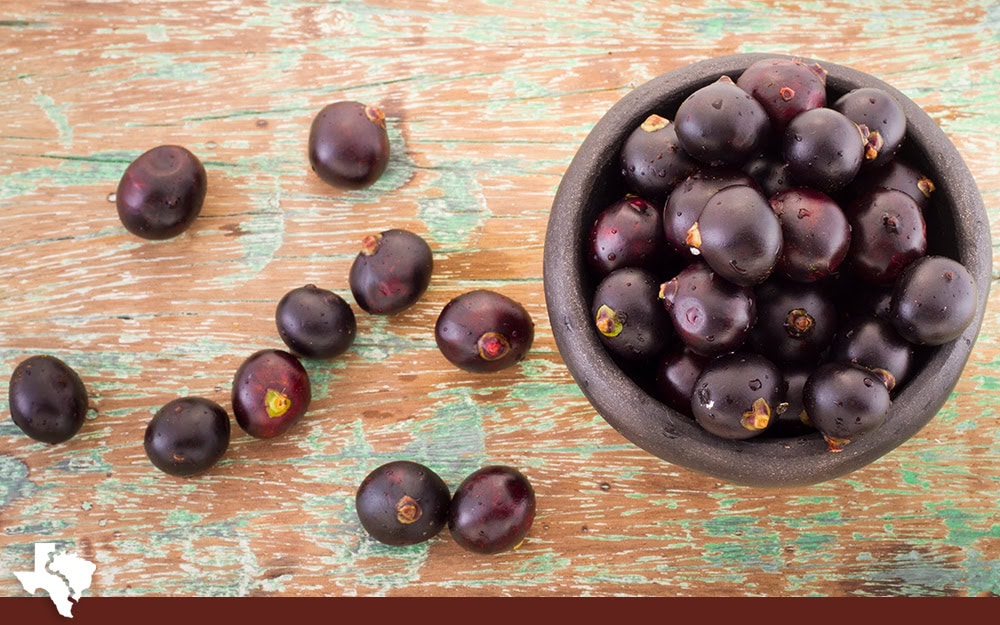
In the Amazon (where açaí comes from), the berry gets prepared as a thick, unsweetened paste, a savory side dish served alongside grilled fish and tapioca. No granola, no sweetener. On its own, the flavor is earthy and faintly bitter – a pretty long way from the sweet bowls that flood social media feeds.
The Western version of açaí looks the way it does for a reason – it came a long way to get here, and by the time it reached health food markets in the United States and Europe, producers had already adjusted the flavor and the format to suit local palates and make its pretty intense taste a little more accessible. What landed on the shelves kept the name and the core ingredient. But the original context got quietly left behind along the way.
That’s not necessarily bad. Food picks up new flavors and takes on new shapes as it crosses borders – that’s always been a natural part of how cuisines spread and evolve over time. But what’s worth keeping in mind is that the açaí bowl at your local coffee shop is one small slice of an ingredient with a much longer (and far more grounded) history in Brazilian cooking.
Brazilian Food Is Very Different by Region
Brazilian food is not a single style – and it never has been. Brazil is roughly the size of the continental United States, and the food across its regions makes that obvious. What you eat in the Amazon looks almost nothing like what you’d find on a table in Rio Grande do Sul, way down in the south. Up north, a fair chunk of the food revolves around ingredients like tucupi (a flavorful broth made from wild manioc root) and fresh river fish that are pulled right out of the jungle waterways. The south goes in a whole different direction, with deep roots in churrasco and European-style cooking that German and Italian settlers brought with them centuries ago.
Bahia is in a category of its own. The cuisine there pulls heavily from African culinary traditions, and it shows in everything – dishes like moqueca and acarajé are built around palm oil, coconut milk and some pretty strong seasoning. It’s a whole different way to eat from what you’d find anywhere else in the country – even just a few states over in either direction.
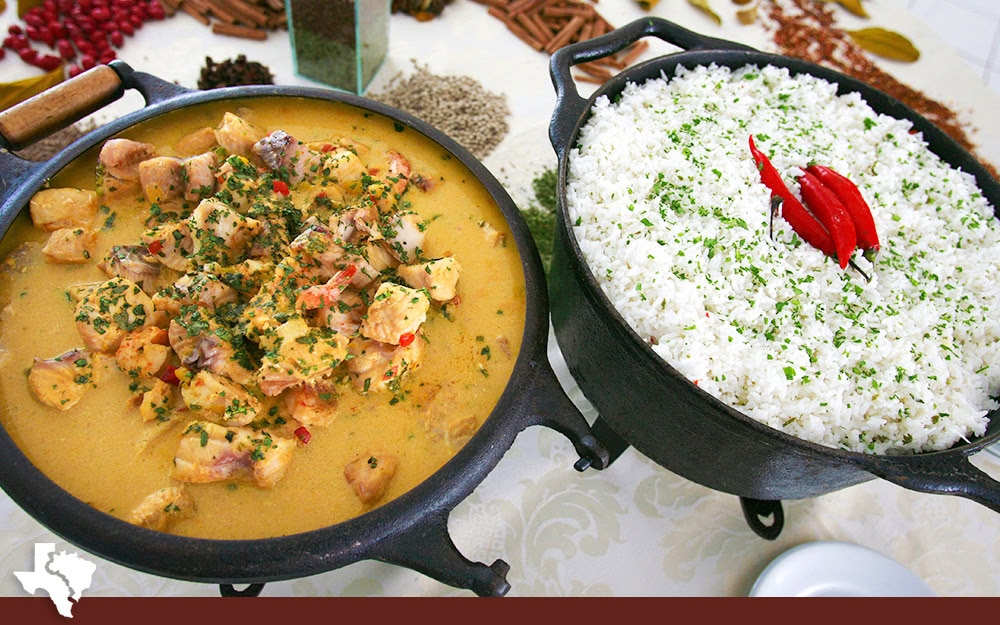
No one would ever try to describe all European food as a single cuisine – French cooking and Hungarian cooking share a continent, and no one treats them as the same thing. Brazil is no different. Centuries of indigenous, African, Portuguese, Japanese, Italian and German roots have all shaped very different corners of the country in their own way – and the food is probably the best proof of that.
Brazilian food is not a single style – it never was. Most visitors walk in with a fixed idea of what the cuisine is. That assumption alone tends to get in the way of a meal. Each region of Brazil has its own ingredients, its own traditions, and its own personality. Treat them as separate places, and more of the food opens up.
How Food Myths Spread and Why They Stick
These myths have stuck around for reasons, though. Brazilian steakhouse chains have done a solid job of packaging one very particular version of the country’s food and selling it to the rest of the world, but that version just happens to be the first actual taste of Brazilian cuisine that diners outside Brazil ever get.
Social media is a bigger part of this than it gets credit for. The dishes that travel the furthest online are usually visually dramatic and indulgent, which means more regional cooking almost never gets the same attention. A slow-cooked fish stew from the Amazon is a much harder sell as a thumbnail than a towering skewer of grilled meat. But that gap has real consequences for what you actually find.
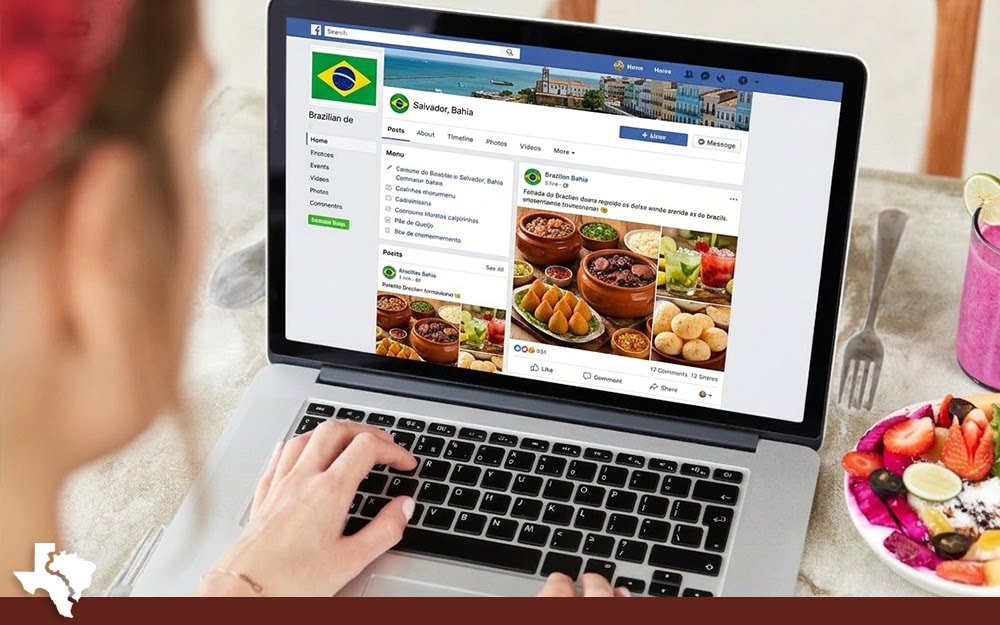
A big part of this goes back to how your mental picture of a cuisine gets formed. If the only Brazilian restaurant near you serves one particular regional style, that version of the food slowly turns into what “Brazilian food” means to you. A narrow frame of reference will do that (it’s not a personal failing, just limited exposure).
Tourism marketing hasn’t helped matters much, either. Most destinations will package up their food culture in whatever way travels best and pulls in the widest possible audience – and what gets cut from that process tends to be the most interesting parts. The regional dishes, the home cooking and the meals that don’t quite have an international equivalent – those are the ones that almost never make it into the brochure.
None of that makes the popular version of Brazilian food any less delicious – it just means there’s a whole lot more to it than diners outside of Brazil will ever come across through exposure to the cuisine.
What Brazilian Food Is Really All About
Brazilian food is far more layered than it first seems. The country stretches across a number of climates, cultures and histories. That rich diversity ends up right there on the plate.
Pão de queijo (a basic cheese bread from Minas Gerais) has very little connection to the flashy image that Brazilian food tends to get. Coxinha is a fried dough pocket filled with shredded chicken, and it carries a regional backstory. And tacacá (a tangy Amazonian broth served in a gourd) goes back centuries, with roots that trace directly to the indigenous communities deep in the Amazon.
None of these are novelties – these are day-to-day staples that Brazilians have been eating for generations, and together they make up a food culture that’s legitimately hard to fit into any one little category.
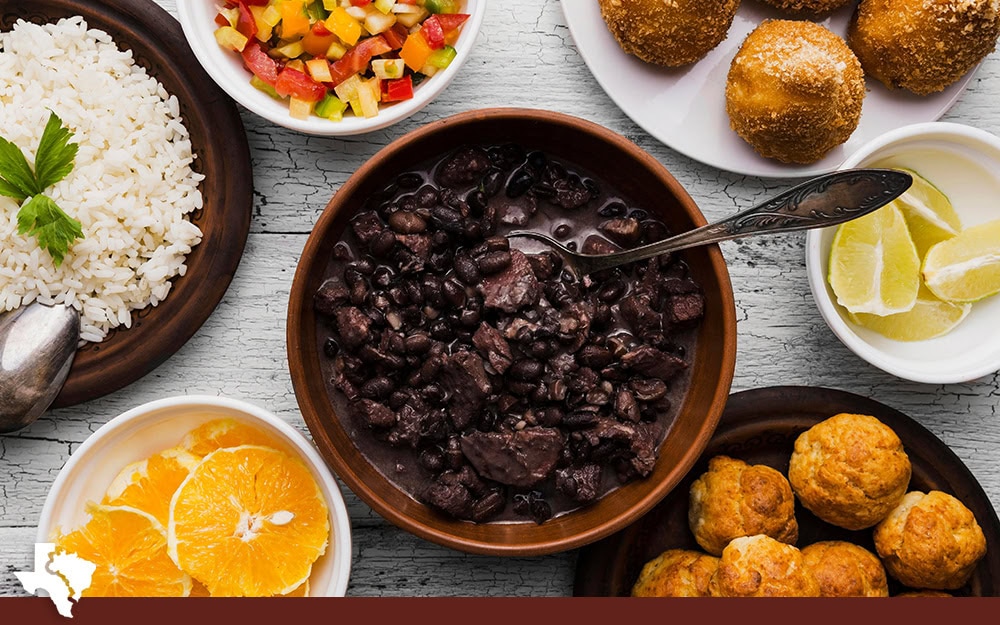
This holds true well past Brazil. Any time you come across food from another country (whether it’s at a restaurant abroad or through a friend’s home cooking), it’s worth asking where that version of the dish actually came from. A recipe that gets reworked for an international audience can look very different from what locals eat at home, and the difference between those two versions can tell you quite a bit.
The next time you sit down with a cuisine that you’re already somewhat familiar with, try to go in with an open mind. Most menus only cover a fraction of what a food culture is all about.
Savor the Moment at Texas de Brazil
Brazilian food has a reputation problem – not because it doesn’t have enough of anything, but because diners’ opinions are built on a handful of dishes that photograph well and travel pretty well. Dig past the restaurant menus and the social media posts, and you’ll find a cuisine that’s regional, wildly layered, and actually hard to pin down. That layered quality is what makes it worth a second look. The myths persist because a few great dishes got the exposure, but the full picture has always been a lot better than the part that ends up in the frame.
It’s remarkably easy to create an opinion about a food culture from pretty limited exposure. The version of a cuisine that comes across first tends to be the version that was easiest to market – not necessarily the most authentic one. A little bit of skepticism about that first impression is what gets you to the more interesting parts.
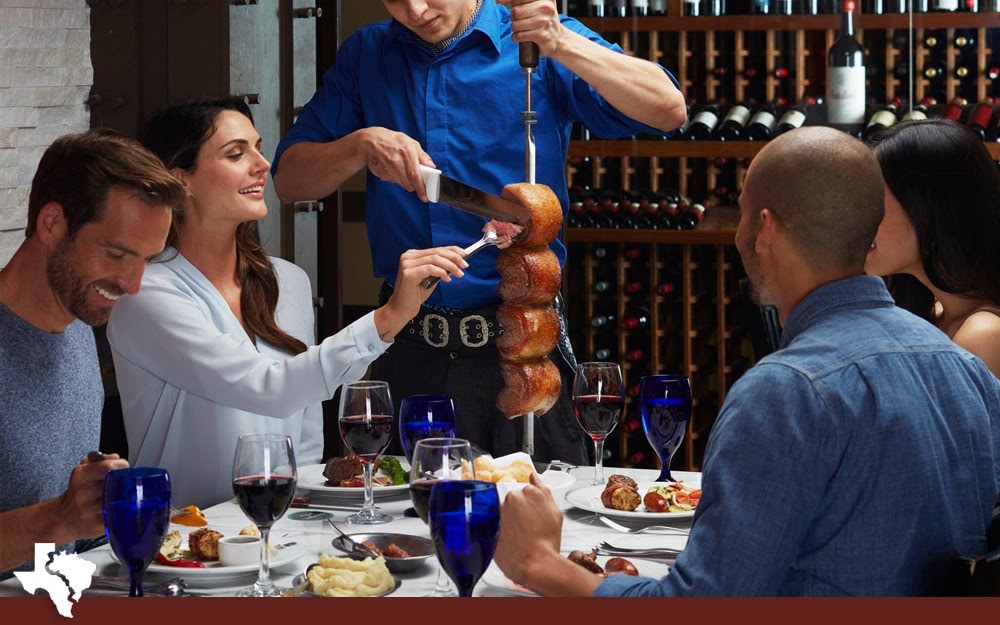
Brazilian food at its best is generous and communal and satisfying – and we at Texas de Brazil have done just that for years. Our gauchos move from table to table, and we’ll carve cuts like picanha, filet mignon and lamb chops right at your seat until you say when. A 50-item gourmet salad area rounds out the meal with chef-prepared sides that are worth a try on their own. For nights that you’d rather stay home, our Texas de Brazil Butcher Shop ships premium cuts straight to your door. New members can get $20 off their next visit through the eClub. Gift cards are always a great option for anyone on your list who deserves a memorable meal. A reservation is all it takes to get your seat at the table.
Two cocktails. Two countries. One long-running mix-up at nearly every bar worth visiting. The Caipirinha and the Mojito have enough in common (citrus, sugar, a base spirit with sugarcane roots) that plenty of drinkers treat them as nearly the same drink. It’s a natural assumption to make and an extremely common one at that. But treat them as interchangeable, and you miss what makes each one worth ordering.
The difference between these two drinks goes way deeper than whatever glass they arrive in. One is punchy and raw, built around a spirit so one-of-a-kind that Brazil actually fought for its legal recognition on the world stage – and in spirits, that’s no small feat. The other is lighter and a bit more refreshing, with fresh mint and a gentle fizz that softens the whole experience. Mix them up or order the wrong one, and you’ll wind up with something that tastes nothing at all like what you had in mind. In a place like São Paulo or Havana, that’s a shame.
The two drinks also have very different histories behind them, and they’re each worth learning about. Brazil’s Caipirinha is built around cachaça – a raw and grassy spirit that just doesn’t taste like much else you’d have sitting in your home bar. The Mojito is a Cuban classic, and it leans on white rum with a far more approachable flavor to match. Getting familiar with each of them changes the way you order at a bar, how you stock up your home setup, and how much you like either one when it’s made right.
From their origins and base spirits to their ingredient lists, their build techniques and the final flavor in your glass – each one legitimately has its own story to tell. These two drinks have well-earned places in cocktail history and rightly so.
Let’s dig into these two classic cocktails and find your perfect sip!
Table of Contents
The Story Behind Each of These Cocktails
The Caipirinha and the Mojito come from countries with a proud history with sugarcane – it’s no coincidence. That shared connection is what each drink is built on, and it helps explain why the two of them taste the way they do.
Brazil has been making the Caipirinha since the early 1900s, and somewhere along the way, it earned its place as the country’s national cocktail – it’s no small feat either. A drink that reaches that status can become part of day-to-day life – the celebrations, the culture and the national identity of an entire country. The Caipirinha has that in Brazil.
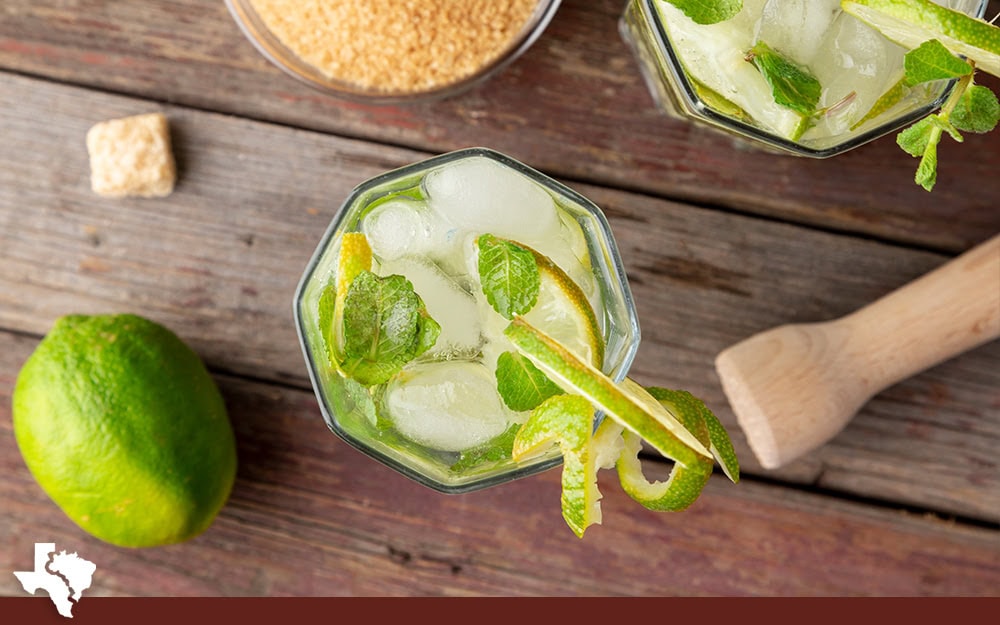
Cuba’s connection to the Mojito goes back even further – some accounts actually trace its roots to the 16th century. The exact origin story has shifted and changed over the years, which is expected for a drink with this much history behind it. Even so, the Mojito has been part of Cuban identity for so long that the two feel nearly inseparable. It’s a rare cocktail that makes you think of a place just as much as a flavor.
Neither the Caipirinha nor the Mojito is just a recipe – these drinks carry cultural weight behind them. Brazil and Cuba each built thriving sugarcane industries over the centuries, and those industries eventually gave rise to the local spirits that became central to each country’s most celebrated cocktail. Cachaça in Brazil and rum in Cuba – each one speaks to the land and the culture it came from. That history is a big part of what gives these drinks their appeal.
Every one of these drinks carries a bit of that history with it. But the glass makes it easy to miss.
Cachaça Is Not the Same as Rum
The spirits in a Mojito and a Caipirinha aren’t interchangeable, and the difference between those two base ingredients is why each drink tastes the way it does.
Cachaça is distilled from fresh sugarcane juice, which gives it an earthy and almost raw quality that you don’t find anywhere else. There’s a slight roughness to it – not in a bad way at all. But it’s more like a built-in personality trait. White rum is made from molasses instead – that extra step in production tends to mellow it out into something quite a bit cleaner and more neutral by the time it reaches your glass.
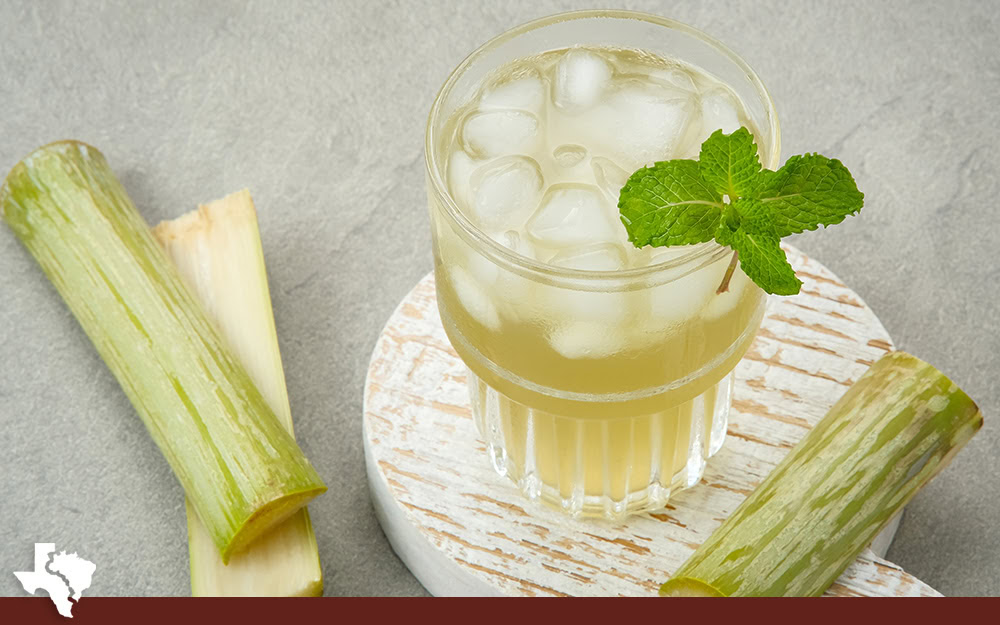
Cachaça tends to get written off as Brazil’s version of rum, which is an understandable assumption to make – these two spirits do come from sugarcane. The difference is in which part of the cane gets used and how it’s handled during production. Those two factors alone give you two very different products. A better parallel would be tequila and mezcal – they both come from agave. But no one would call them the same spirit.
The Mojito feels light and refreshing partly because white rum doesn’t compete with the lime, mint and sugar – it blends right in and lets the other flavors take the lead. Cachaça works very differently in a Caipirinha – it adds its own personality to the drink, and you’ll feel it from the first sip to the very last. Neither spirit’s the wrong call – they just deliver two very different experiences, and the difference starts before a single other ingredient ever hits the glass.
What Goes Into Each of the Recipes
With the spirits out of the way, let’s get into what else each drink actually calls for – it’s where the two recipes start to pull apart.
The Mojito calls for a few core ingredients. Fresh mint and soda water are two ingredients you can’t leave out – between the two of them, they’re what define the drink’s whole personality. The mint is responsible for that herbal quality, and the soda water is what keeps it light and a little effervescent.
A Caipirinha wants almost nothing from you. Lime, sugar and cachaça (three ingredients) – that’s the whole list. Full stop.
And with a shorter ingredient list, every component has to pull its weight – there’s no room for a mediocre lime, an off-balance sugar ratio or a cachaça that isn’t quite right. No soda water to smooth it out and no fresh herbs to fill in any gaps. What you’re left with is something raw and direct – it’s why the Caipirinha is harder and tastes more intense than its minty counterpart.
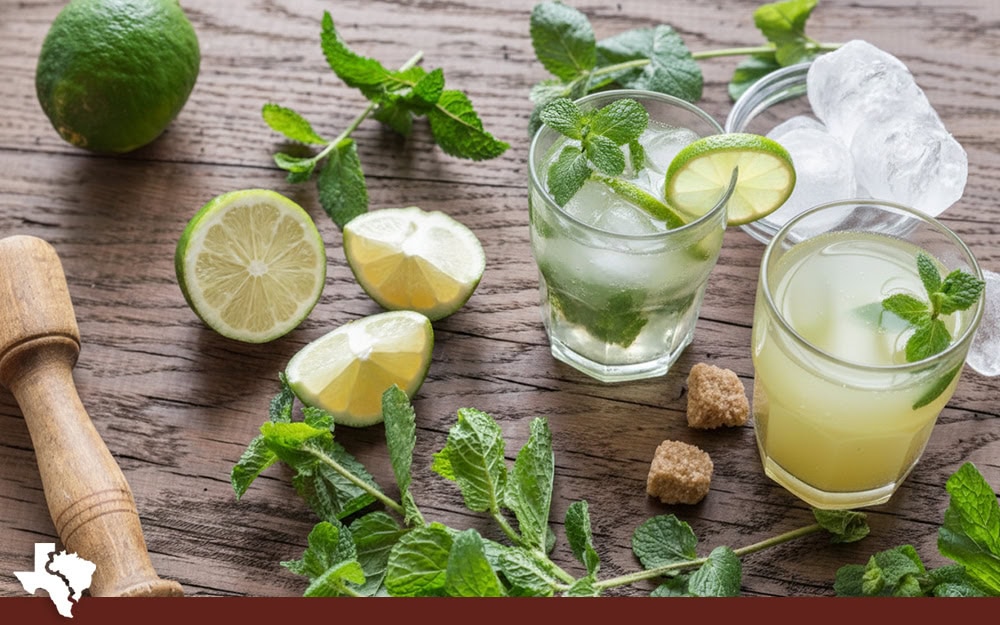
The Mojito just has a little more to it than most. The mint and soda water add a brightness that makes the whole glass feel almost breezy and noticeably more refreshing.
Neither one is definitively better – they’re just built differently, and each one delivers something worth your time. The Caipirinha goes for no-nonsense intensity, and its stripped-back character is what you love about it. The Mojito is more layered and refreshing, and on a warm afternoon, it’s pretty hard to match.
The Way You Make Each One Matters
A Caipirinha is one of the few cocktails that gets built right in the glass – no shaker needed. Lime wedges go in first and get muddled with sugar until the juice comes out and the sugar dissolves into it. From there, a handful of crushed ice and a healthy pour of cachaça go right over the top – it’s all it takes. A Mojito has a few more steps to it. The mint and lime go in first and get muddled together at the bottom of the glass – before any ice is added. From there, the ice and rum go in, and the very last step is a small splash of club soda to top it off.
Those extra steps do change what ends up in your glass. The club soda in a Mojito gives it a lighter and almost fizzy lift that you’re just not going to get from a Caipirinha. A Caipirinha is more direct (nothing waters it down except the ice) and each sip hits a little harder because of it.
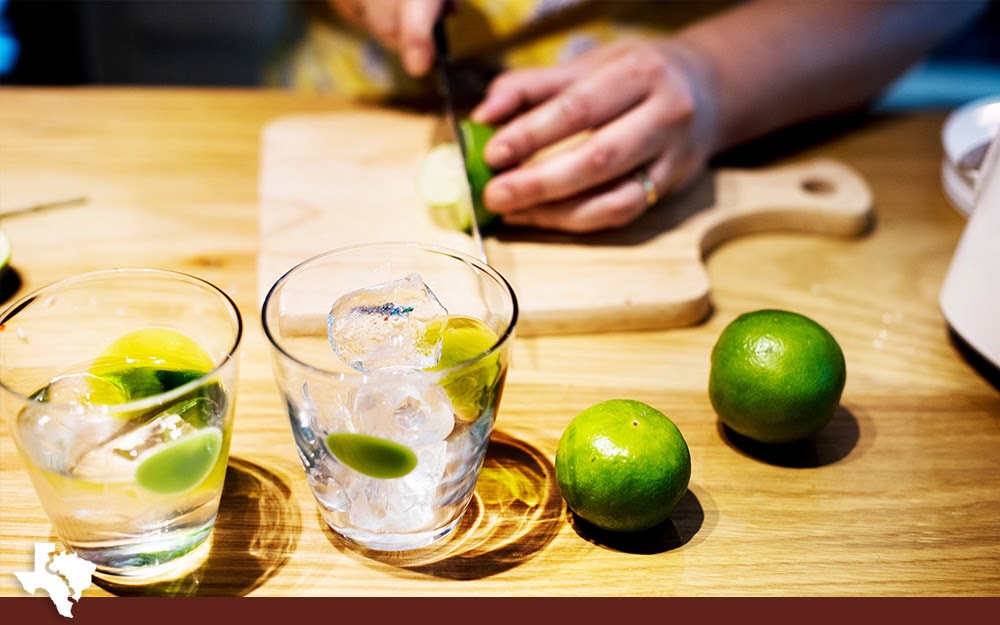
A homemade Mojito is pretty approachable all around. But the muddling step is where most beginners struggle the first time. The most common mistake is over-muddling the mint – press the leaves too hard or for too long and they’ll turn bitter instead of releasing that fragrant smell you’re going for. All you need is a gentle press to get the oils out. Just coax the leaves a little – don’t pulverize them. It’s a small detail, but it flat-out makes or breaks the final drink – and it’s what I check first when a Mojito tastes off.
The Caipirinha’s muddling process is a different story altogether. With lime wedges and sugar instead of delicate mint leaves, you actually want to press down harder – a firmer mash draws out more of the juice and gets the sugar all mixed in. Both drinks call for muddling, but each one needs a different level of pressure to get it right.
How the Flavor of Each Drink Is Different
The Caipirinha hits hard by any measure. Cachaça is a grassy spirit with a funky edge to it, and a little muddled lime won’t do much to tame it. The sugar does soften the bite a bit, though it’s still very much a drink that leads with alcohol and citrus in equal measure – and it doesn’t try to hide that at all.
The Mojito is a different story altogether. The rum takes a back seat here, and the fresh mint and lime get to come through. The soda water makes the whole drink light – one of the more refreshing options out there.
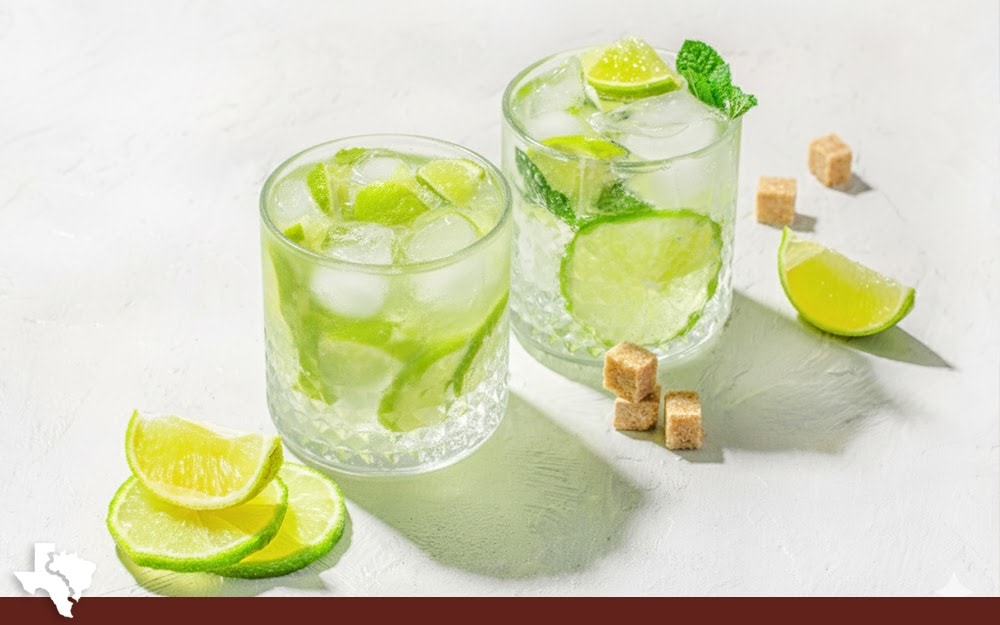
The texture is something you notice immediately with these two drinks, and it shapes the whole experience. The Caipirinha has no carbonation and no dilution other than from the ice, so every sip hits you full and dense with nothing watered down or stretched out. The Mojito has a natural lightness to it from the soda water, which alone changes the whole pace of it – it ends up being a more relaxed drink, almost by design.
These two cocktails share the same two ingredients (lime and sugar), which makes it a bit interesting how different they actually taste. The Caipirinha lands on the sharp side – almost aggressively tart – with a bite that stays with you well after the glass has left your lips. The Mojito takes a much gentler path (more herbal and rounded), and the mint wraps it up with a cool finish that fades gracefully, and before long, you want another sip.
The Caipirinha is a drink that grabs your attention right from the first sip, and the Mojito is one that tends to win you over a little more with every glass. Both are drinks you should retry.
Great Fruit Twists Worth a Try
The Caipirinha and the Mojito each have a pretty strong personality on their own – and over the years, bartenders and home mixers alike have taken the two of them in some pretty creative new directions. The Caipirinha has a pretty popular variation called the caipifruta, which just swaps out the lime for fruits like passion fruit or strawberry. What you get is a noticeably softer drink – and a more easygoing one for anyone who finds the original to be a bit too sharp. If the whole idea of a Caipirinha sounds right to you but that citrus edge is a bit much, the caipifruta is a very natural place to start.
The Mojito has earned its fair share of creative twists over the years. Mango and raspberry versions of it are pretty popular, and quite a few bars have started to put them on the menu as a way to give guests something a little bit different – close enough to the original that it still feels like itself.
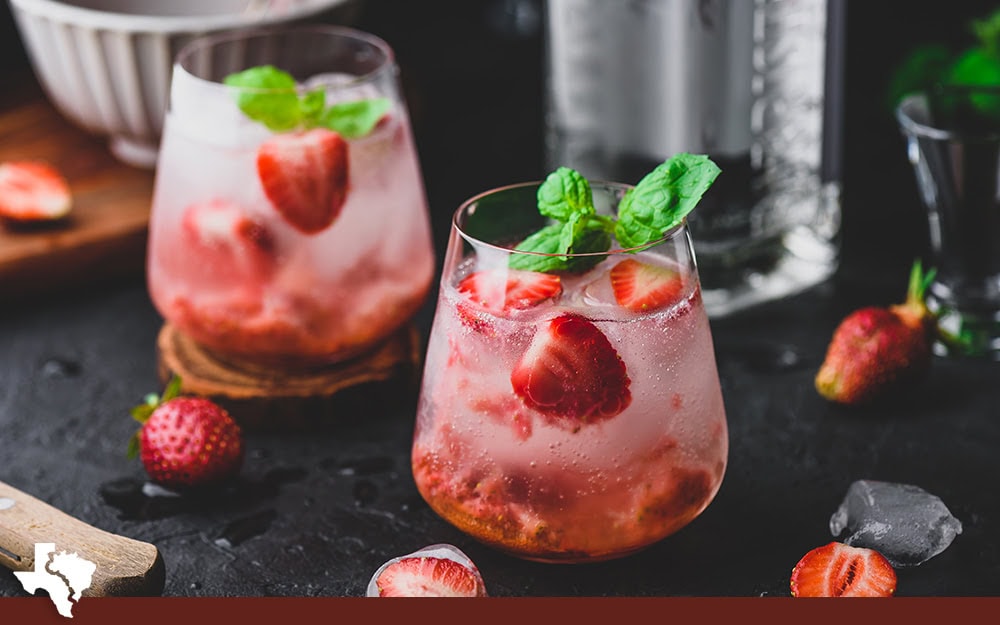
Part of what makes these drinks so flexible is the way they’re each put together at their core. Cachaça (the base spirit in a Caipirinha) has this funky quality to it, which gives it plenty of room to pair with sweeter or more tropical fruits, and the whole drink doesn’t lose its identity in the process. The Mojito works a little differently – it anchors itself around mint and lime, and those two flavors turn out to be pretty great partners for just about any fruit you want to add. These two drinks have more range than most give them credit for, and I’d say that’s one of the more underrated qualities about them.
As for which direction to go in, it can depend on what fruit you love most. Tropical and berry-forward flavors come through brightest in a caipifruta – they get to be front and center without much competition. A fruit Mojito holds onto that herb-driven freshness but with something new on top – a combination that’s hard to beat.
Pick the Right One for Your Mood
The Caipirinha is punchy and direct – it’s all sharp cachaça heat with just enough tartness from the fresh lime to balance it out. The Mojito goes in a very different direction – lighter and breezier, and with the mint and soda water in the mix, there’s this fresh quality that makes it hard to put down.
The setting around you matters more here than you’d usually give it credit for. A Caipirinha comes into its own at a loud and lively get-together – it’s the drink that belongs somewhere festive and somewhere with a bit of energy behind it. A Mojito has a more relaxed personality to it. It’s easygoing enough on a slow afternoon, and it can never quite become too much.
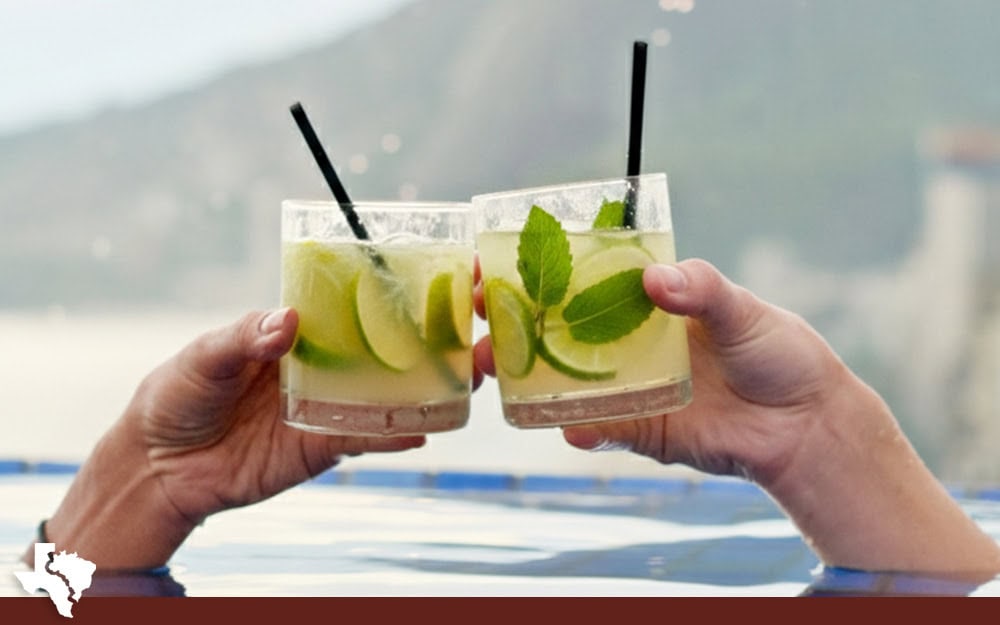
Your mood matters more here. A Caipirinha is not quite a gentle sipper – it’s citrus-forward and built for moments you want to actually feel your drink. A Mojito is a more easygoing option, and it’s a great choice if that’s what you’re after – it just won’t be as intense.
The setting you’re in can steer your choice. A hot afternoon on the patio calls for a Mojito. Out at a busy dinner with friends, where rounds are going around, the Caipirinha is a much better fit for those nights.
Neither drink is better than the other – and I’d say that’s just what makes them each worth your time. A Caipirinha asks a little more of you, and it more than holds its own once the evening picks up. A Mojito leaves the mood a bit lighter and social – it’s the drink that doesn’t get in the way of a conversation. These are different drinks for different moments – at this point, you have a sense of which one is yours.
Savor the Moment at Texas de Brazil
These two cocktails actually have more going on than you’d give them credit for (it’s a big part of what makes them worth a look, and each one does something different), with the earthy depth of a Caipirinha on one side and the minty freshness of a Mojito on the other. The choice between them does depend on your mood, and for me, that’s what makes it so fun.
The Caipirinha is built around cachaça, a Brazilian spirit made from fermented sugarcane juice, which gives it an almost grassy quality that sets it apart from most other cocktails. Pair that with fresh lime and sugar, and you get something that feels very direct and a bit intense. The Mojito shares the same sugarcane tradition through white rum. But the mint and soda water take it in a different direction – lighter, more refreshing and a bit easier to sit with over time.
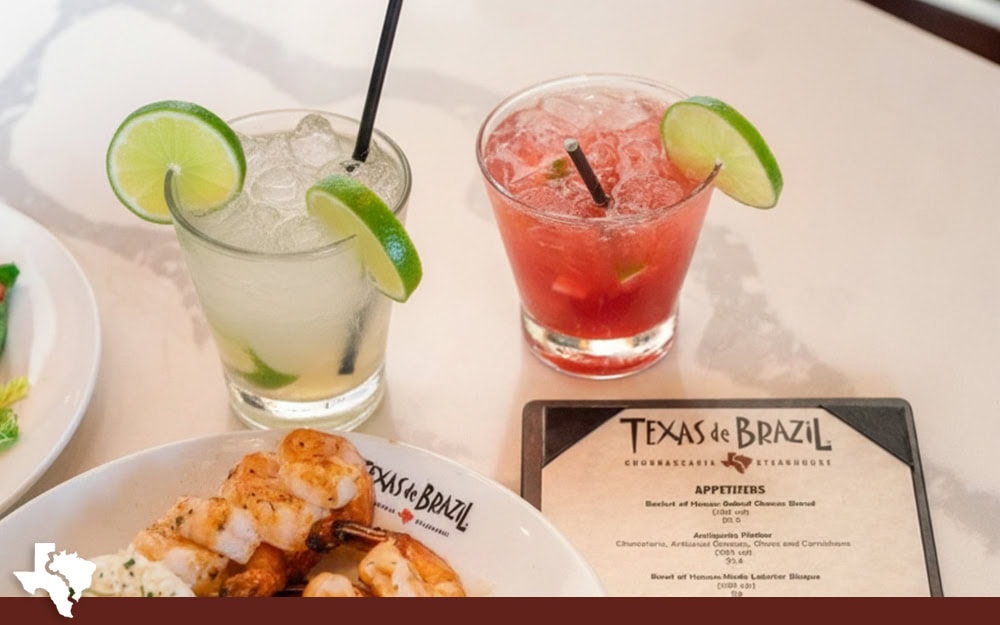
But the actual appeal is that if you like the raw intensity of cachaça or the refreshing side of a Mojito, these two cocktails have plenty going for them once you get a feel for what each one is doing. They also pair well with food – the Caipirinha tends to hold up better alongside something rich or savory, but the Mojito works as a lighter option between courses.
A back-to-back tasting is also one of the better ways to spend an evening – it gives you an actual sense of how much the base spirit shapes everything else in the glass, and it makes the differences between the two feel quite a bit more obvious.
At any Brazilian table (a weekday lunch, a Sunday churrasco and a holiday feast), a small bowl of warm, toasted crumbs is usually going to make an appearance. Visitors from outside Brazil will see it and go quiet – they won’t be quite sure if they should reach for it or just leave it alone. That hesitation makes total sense because there’s nothing like it in Western cooking, and there’s nothing sitting next to it to give you any clue what it’s even for.
Farofa is just a bit hard to categorize. It’s not a sauce, it’s not a spice, and it doesn’t fit into any side dish you’d already know. On a plate, it just sits next to the rice and beans, gets sprinkled over the grilled meat and quietly soaks up whatever juices pool at the bottom. The whole point of it can be a little hard to make sense of if you’ve never had it before.
Farofa’s role in Brazilian cuisine (and why no self-respecting Brazilian would dream of leaving it off the table) makes a whole lot more sense when you look at the texture, the history and the culture behind it. Farofa started as a survival staple for Indigenous peoples, picking up influences from Portuguese settlers and African slaves along the way and slowly working its way onto millions of Brazilian plates – and has stayed there ever since. A dish with roots that go back thousands of years deserves quite a bit more credit than just being a topping.
Here’s why farofa is Brazil’s all-time favorite topping for just about anything.
Table of Contents
What Farofa Is and Where It Began
Farofa is cassava flour that gets toasted in a pan with butter or oil until it turns golden brown and a little bit crispy. From there, it’s left to whoever is making it – garlic, onions, bacon, eggs, fresh herbs, or just about any combination of them will work well. Every cook has their own take on it, and the flexibility that comes with that is a big part of what makes it so interesting. No two recipes are ever quite the same – every family, every region and every cook across Brazil has their own version of it.
Cassava has been a part of South American life for thousands of years because it literally grew here and was farmed here, and Brazilian cooks have had enough time with it to make it feel their own. That history tends to come through in the food itself, which is probably why farofa fits well at almost any Brazilian meal.
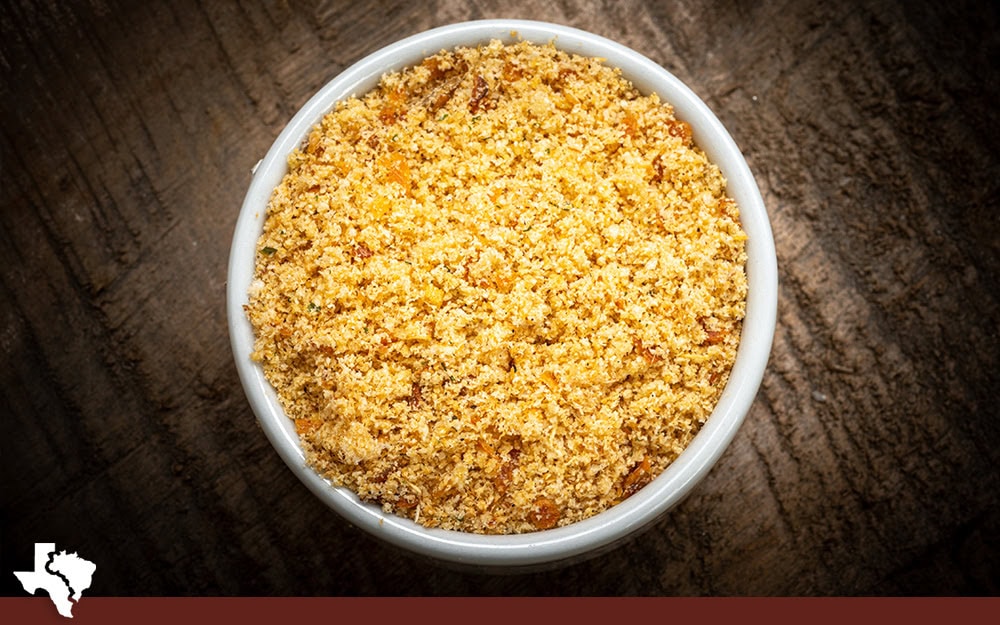
What those outside Brazil don’t quite get is that farofa acts more like a seasoning or a finishing touch, something you can scatter over rice, beans, meat, or just about anything else on your plate, and it all comes from the toasting process. The heat pulls the moisture out of the flour and leaves it with a loose, almost sandy texture – a texture that actually changes the way everything else on the plate feels as you eat it. That part alone is worth paying attention to, and it’s where farofa starts to set itself apart from everything else on the table.
Farofa Brings a Crunch to Every Plate
Farofa ends up on almost every Brazilian plate for a reason. That reason can depend on how it feels in your mouth. Brazilian food tends to be rich and full of flavor, and farofa is more or less what keeps that from tipping into a bit too much at once.
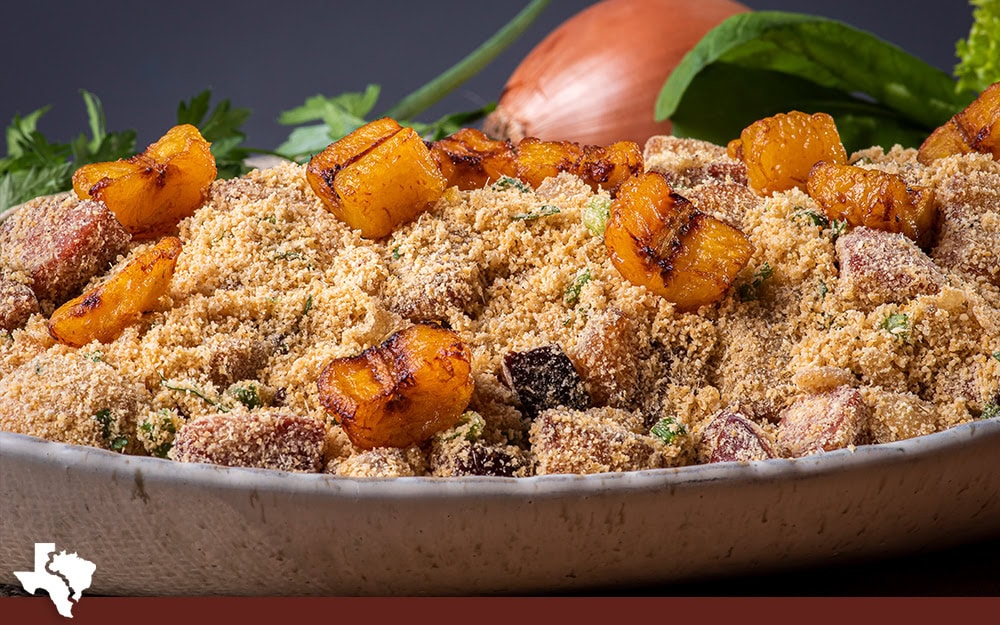
Feijoada is a slow-cooked stew of black beans and pork, and on its own, it’s pretty satisfying – rich, hearty, and so comforting. But without farofa alongside it, the dish can sit a little heavy and start to feel like too much of the same. Farofa brings some texture and breaks everything up in the best possible way.
This works just as well with grilled meats. A cut of churrasco releases juice as you cut into it. That runs right across the plate. Farofa serves two purposes here – it soaks up every drop of that flavor, so nothing gets left behind, and each bite ends up more satisfying than the one before it.
That contrast is what pulls the whole dish together. A saucy, tender bite with a toasty, slightly gritty crunch that arrives at the exact same time – it lifts the whole plate. It’s the combination that has you going back for another forkful before you’ve even finished the one you’re on.
Bread, rice and potatoes are all decent sides. But most of them just fade right into whatever dish they’re served with – more of a filler than a feature. Farofa is different – it’s its own flavor, its own texture and its own presence on the plate, which is why it remains a fixture at Brazilian tables.
How Farofa Grew From Survival to Tradition
Farofa didn’t start out as a side dish – it started as survival.
Long before Portuguese ships reached Brazilian shores, Indigenous peoples across the region had already built their entire diets around cassava. The root wasn’t easy to work with – you had to process it, extract its natural toxins, dry it and grind it down into flour. That effort paid off, though. That flour kept communities fed through dry seasons and long journeys, and it held up without refrigeration – easy to store, filling and reliable.
Then colonization changed everything. Portuguese settlers arrived and found that cassava flour fit right into their own culinary traditions. Enslaved Africans, brought to Brazil by force, carried with them generations of hard-won knowledge about how to season and elevate even the plainest ingredients into something legitimately worth eating. Farofa as we know it now grew out of that combination of necessity and creativity – not invented but slowly shaped over time by those who had very little choice but to work with what they had.
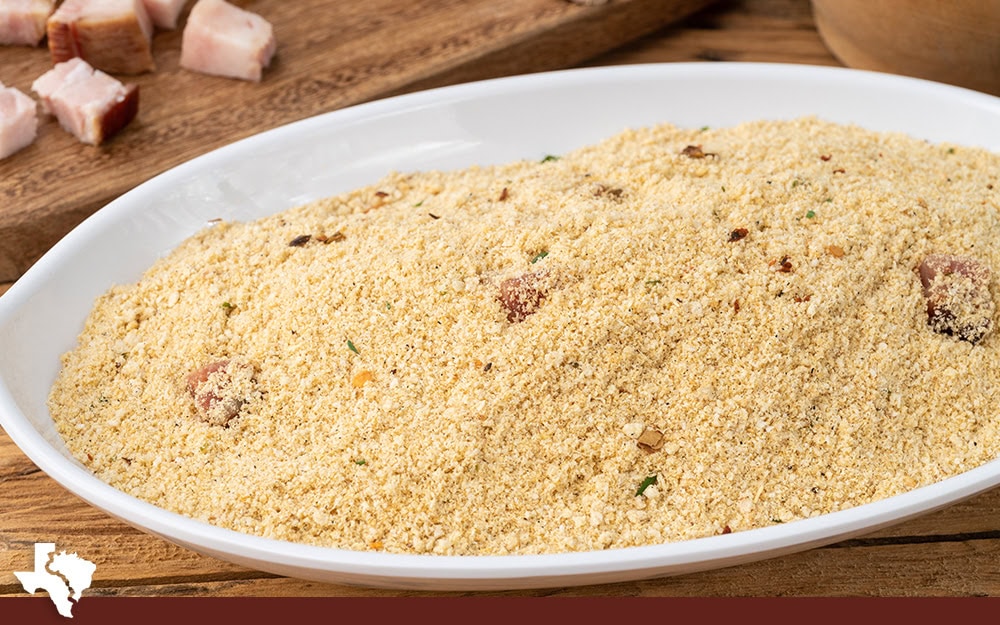
That history is still there in every spoonful. What started as a matter of survival eventually became something that families actually looked forward to sharing together. Recipes weren’t written down – they were watched and committed to memory and passed from one generation to the next. At some point along the way, it stopped being about necessity and became something far more personal. A dish like this carries its identity with it.
That’s a big part of what makes farofa mean what it does to Brazilians. The texture, the crunch, the way it drinks up every drop of juice from the rest of the plate – it all points back to something quite a bit older than any single family’s tradition.
How Farofa Is Different Across the Regions
In the Northeast of Brazil, farofa stays pretty true to its roots – butter, salt and not much else past that. The restraint is actually the whole point. Families across states like Bahia and Pernambuco have always preferred the most stripped-down version, and it’s hard to argue with them.
Head south to São Paulo or Rio de Janeiro, and the dish takes on a whole different personality. The cooks down there aren’t shy about it – they pile in ingredients like bacon, smoked sausage and caramelized onion. Plenty of versions will even add slices of banana. That little bit of sweetness cuts right through all that salt.
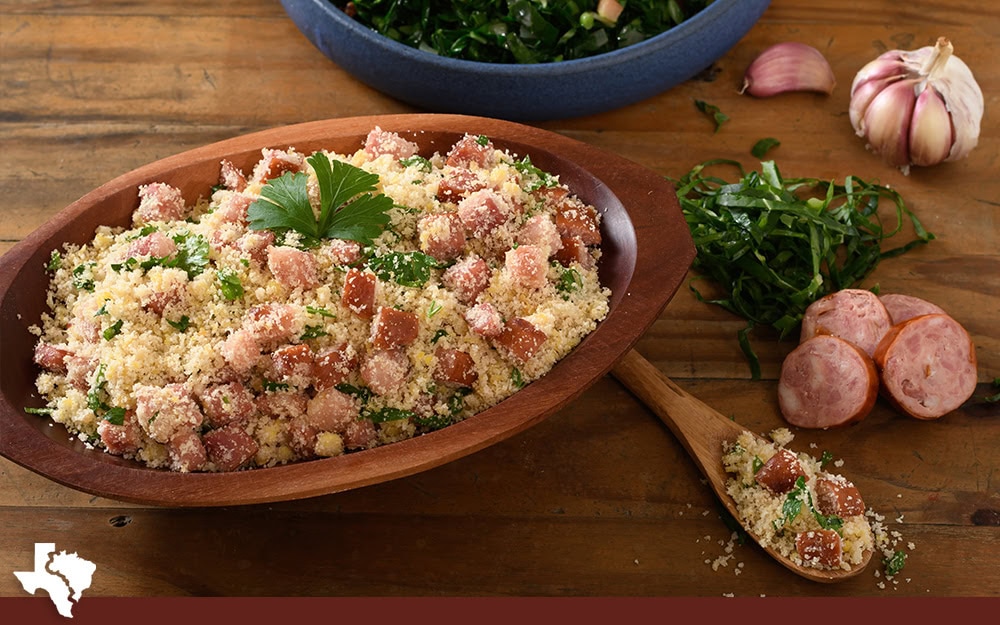
The Amazon is a different story altogether. The cooks up there pull from what the land and the river give them (tucupi, Brazil nuts, dried river fish) and what comes out looks almost nothing like what you’d find in Recife. The same base ingredient. But it’s a different dish by the time it hits the plate.
What makes farofa interesting is that it’s a loose framework – one that each region fills in with whatever happens to grow, swim or get smoked nearby. A bowl of farofa in Belém has a very different personality than one you’d find alongside a churrasco in Porto Alegre – even when they hit the table the same way.
Farofa at Every Table That Matters
At a Brazilian Christmas dinner, farofa holds its place right next to the turkey and rice, as natural a part of the spread as anything else on the table – and everyone in that room would agree.
Weekend churrascos carry their own set of expectations. The meat is always going to get most of the attention – and rightfully so. But farofa is more of a quiet fixture – the staple that families pass around without a second thought. It’s just always been there, and at a churrasco, everyone expects to find it.
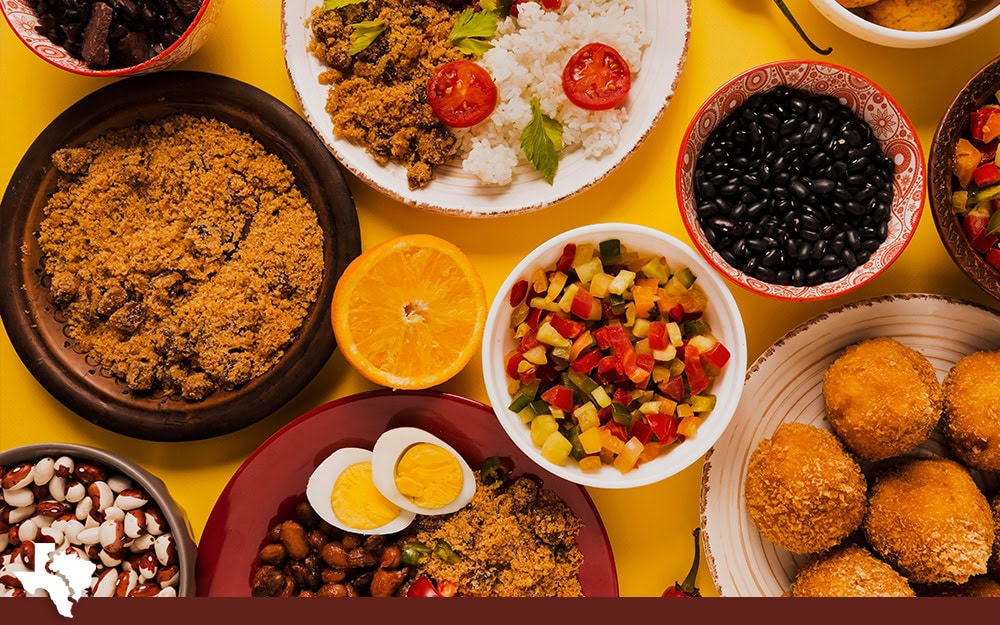
That presence is something that takes years to earn. A dish has to show up at the same moments, year after year – birthdays, holidays and lazy Sunday afternoons with the whole family packed in around the table. Over time, the food and the feeling become connected, almost inseparably. To eat farofa at a celebration is to find something warm and familiar, something that has always just been there.
Cultures have at least one dish that holds everything together – not because it’s the fanciest dish on the table. But because it’s always there and it connects this get-together to the last one and this generation to the one before it. For most Brazilian families, farofa is that dish. No one has to say anything about it or explain why it’s there. Its presence at the table already says everything.
The Wrong Way to Eat Farofa
Most people try farofa for the first time and expect something big and punchy – and they leave a little disappointed when it doesn’t deliver. But farofa was never meant to be the star of the plate. Its whole job is to add texture and to pull everything else together.
The other mistake worth mentioning is treating farofa like a garnish – a small pinch on the side of the plate and nothing more. That’s not how anyone in Brazil actually eats it. Farofa belongs layered generously over your rice, your beans or your meat, so every bite picks up a little of that toasted, nutty crunch.
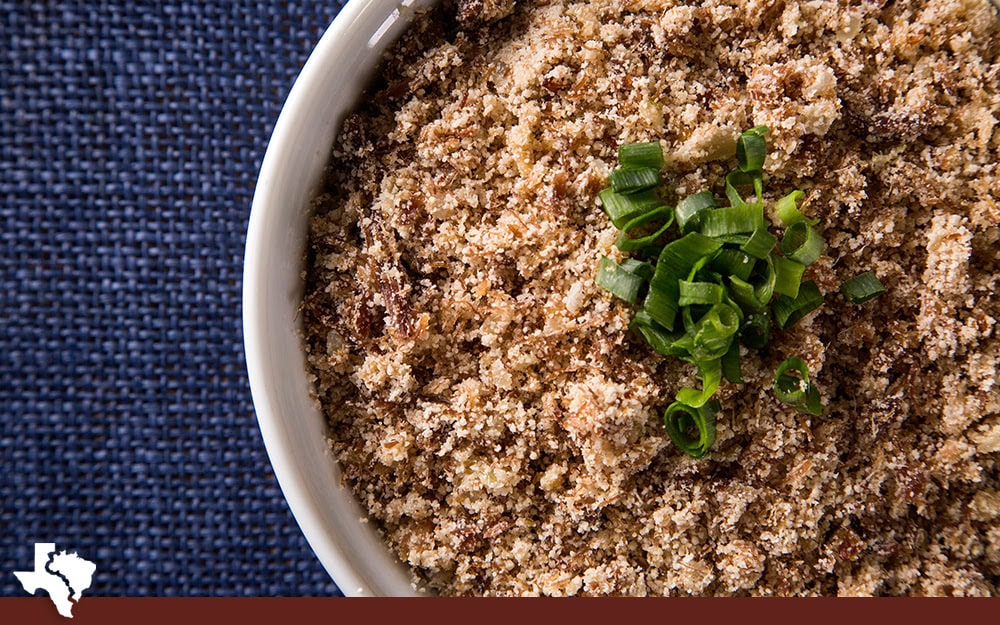
Farofa is probably going to feel very familiar to anyone who likes breadcrumbs on pasta, crispy onions on a green bean casserole or crushed crackers on a bowl of soup. They all share one common thread (a love of contrast and the idea that a soft dish just gets a little more interesting with something crunchy added to it) – it’s just what farofa brings to Brazilian cooking.
The pre-spiced farofa mixes you’ll find at Brazilian grocery stores are a great place to start for anyone who wants to make this at home. A little butter, a hot pan and just a few minutes on the stove are all it takes to pull one together. Most of them will carry flavors like bacon, onion or herbs that are already built into the combination, which takes most of the guessing out of a first attempt. After you’ve made the basic version a few times, it gets even easier to put your own touches on it.
Savor the Moment at Texas de Brazil
Farofa has earned its place at the Brazilian table for a few reasons all at once – it solves a texture problem, carries thousands of years of history behind it, and still manages to make a meal feel like home. It’s not a flashy ingredient by any stretch, and it never quite asks for your attention. A plate without it, though, just feels off in a way that’s hard to explain. That quiet, hard-to-replace quality is rare in any food, and it says quite a bit about what can happen when an ingredient is born out of necessity, from those who actually needed it.
The foods that matter most are almost never the most fussy ones – and farofa is probably the best proof of that you’ll ever find. At its core, it’s just toasted manioc flour. Flour, a pan and a little heat – that’s all it takes. And yet it grew with Indigenous farmers, African cooks, Portuguese settlers and generations of Brazilian families who reached for it at every meal that mattered. The next time you sit down to something rich and saucy and want just a little more contrast in the bite, farofa is what you’re after.
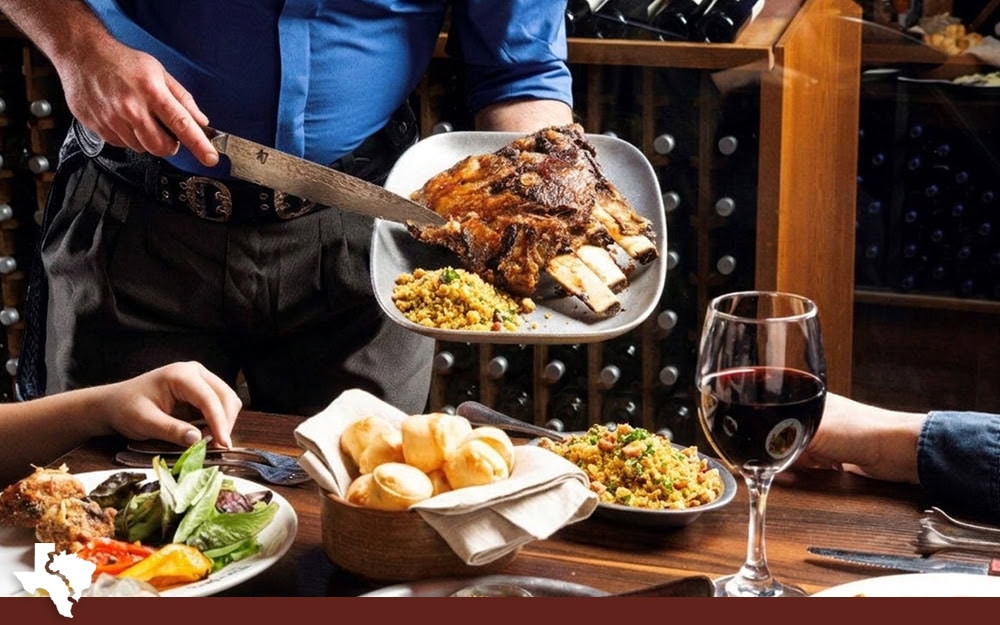
Few dining concepts bring together tradition and spectacle quite like a Brazilian churrascaria, and Texas de Brazil does it better than anywhere. A full churrasco experience includes tableside cuts of picanha, lamb chops and filet mignon. But if you’re cooking at home, the Texas de Brazil Butcher Shop has premium cuts ready to go, and either way, there’s a version of this for just about everyone.
The eClub takes $20 off your next visit, gift cards are a great pick for anyone who deserves a memorable meal, and reservations are open for whenever you’re ready. Come hungry!
A trip to Brazil sounds fun until you start to think about what you’re actually going to eat there. Most travelers arrive with açaí bowls and churrasco at the top of their list of dishes to try. But once they get there, they find out that these two popular dishes make up maybe 5% of what the country has available.
Brazil is massive – 8 million square kilometers to be exact. A meal in Manaus will be different from a dinner in Porto Alegre, and just the size of the country is a big reason why. Food culture changes dramatically from region to region, and it developed that way based on the local climate, the history of who immigrated where and which ingredients were easy to get in each area. Most travelers have no idea just how much these regional differences matter, and when they don’t know about them, they wind up at tourist traps or never get to try the dishes that locals would actually tell them to try.
A bit of research before you go will save you hours and help you find some really delicious meals, and you also won’t order feijoada in the wrong state or assume the same fish dishes are available everywhere you go. Brazilian cuisine is connected to its regional roots, and just a little knowledge about each area will make your experience much better when you’re actually there.
Let’s check out the delicious differences between Northern and Southern Brazilian cuisine!
Table of Contents
The Foods in Each Region
A local market’s ingredients can tell you just about everything about how residents in that area actually eat on a day-to-day basis. Walk into any market in Belém and buckets of fresh fish line the vendor stalls – fish that were pulled from the Amazon’s rivers just hours earlier. Vendors pile up unusual fruits like tucumã and cupuaçu, which hardly anyone outside the region has even heard of. Palm hearts are everywhere, along with bags of Brazil nuts that grow wild all throughout the rainforest. Head south to a market in Porto Alegre, and you’ll see something different. Beef is everywhere because the pampas grasslands stretch for miles and miles around the city, and it just makes sense to raise cattle there. Pork shows up in every form imaginable – fresh cuts, sausages, cured meats and the whole range. Dairy products take up entire aisles on their own, and it all goes back to how cattle ranching has been a massive part of the regional culture down there for generations.
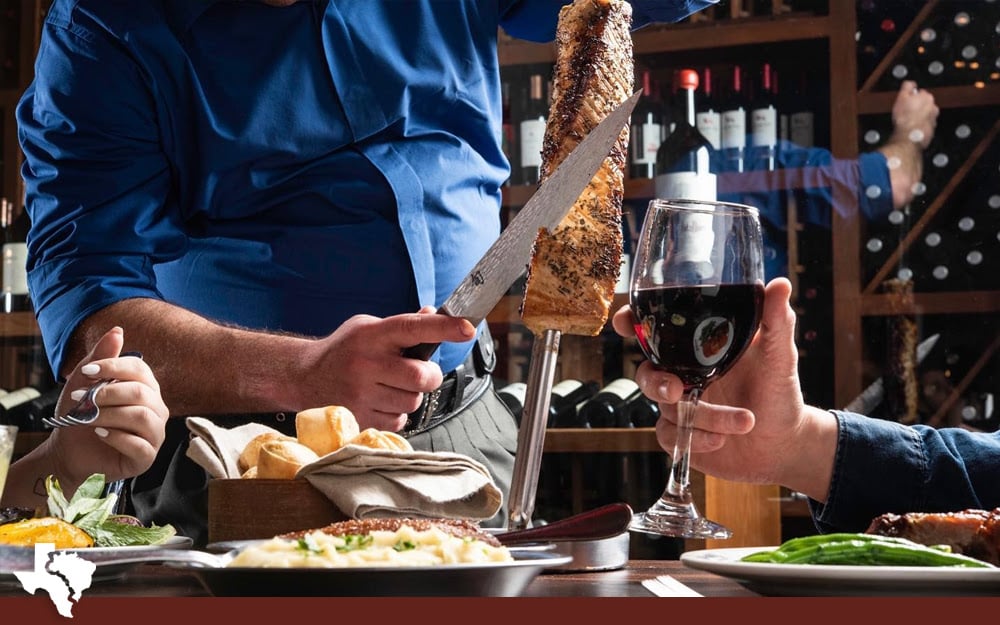
Tapioca is a big staple in northern cuisine, and it’s all made from cassava root that’s been processed and prepared in all sorts of ways for different dishes. At breakfast, at dinner and even for snacks between meals – the ingredient shows up throughout the day in different forms, and each preparation style gives you a different texture. Fish is another important component of the regional diet, and the cooks make it with all kinds of tropical ingredients that grow well in the humid Amazon climate. The rainforest gives northern kitchens access to a wide variety of local produce and proteins, so most traditional recipes don’t need anything from outside the region.
The southern cooks use wheat instead of cassava as their staple ingredient. Bread and pasta form the base of the cuisine down there, with most recipes tracing back to European immigrants who settled in the region generations ago. Wine production flourishes in the cooler southern climate as well. These ingredients show what the land does best – the area has always been a lot more fit for agriculture and livestock farming than it was for wild foraging. Geography ended up playing an important part in how these regional pantries developed, and it still matters now. Up North, most of the available food came from the rivers and forests. Down South, the land was mostly open plains, and the climate happened to match up very well with the types of crops that Europeans were already familiar with from back home. Since the natural resources in each region were so different from one another, the two areas ended up building different strategies when it came to food.
Dishes From Each Region
The North is where you’ll find tacacá, and it’s without a doubt one of the most popular dishes in the entire region. The soup is made with a broth called tucupi, and it also contains jambu leaves that create an unusual tingling feeling on your tongue as you eat it. Pato no tucupi is another dish that locals love, and it combines duck meat with that same yellow tucupi broth. River fish show up frequently in the cuisine of the area up there, mainly because the Amazon and its tributaries bring in fresh catches every day.
Head down to the South, and you’ll find yourself in what many call churrasco country. Churrasco is slow-roasted meat that’s cooked over open flames, and it’s become famous worldwide at this point. Feijoada gaúcha is the southern version of Brazil’s traditional black bean stew, and this particular one includes smoked meats and sausages that speak to the area’s deep ranching roots. Feijoada tends to change around quite a bit as you travel across different parts of Brazil – each area adjusts the recipe a little differently depending on what’s available in that region and which cuts of meat the locals there like best.
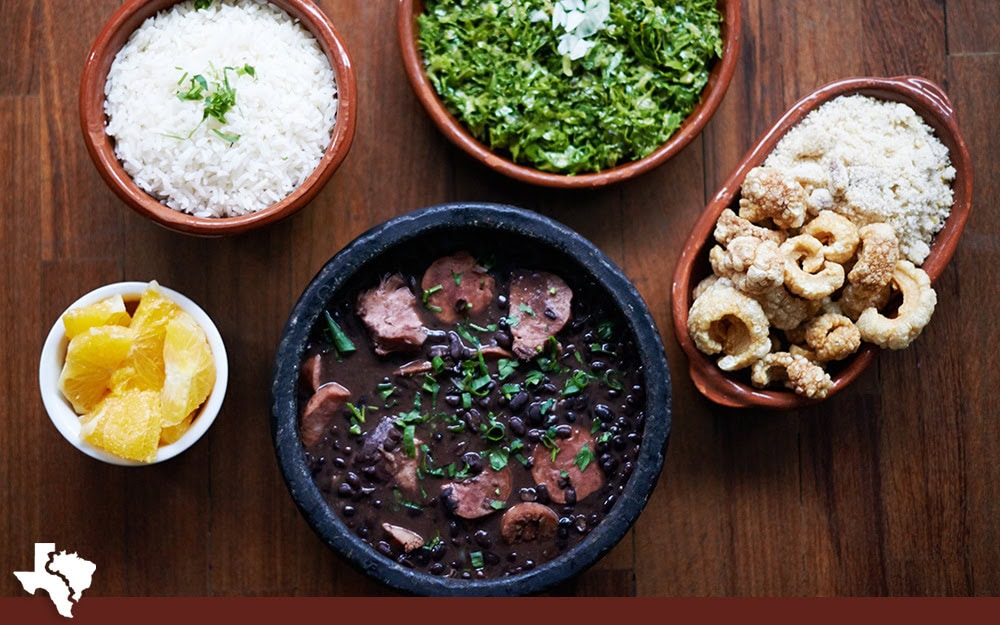
Polenta shows up frequently on southern tables as well. Settlers brought their own culinary traditions with them, and this mark has lasted through the generations. The southern states have some great sausages and hearty breads that trace right back to those European immigrants.
Food is one of the best ways to get to know a place and its history. The North’s cuisine is all about the freshwater fish and whatever you can hunt or forage from the forests. The South went in a different direction, with a food culture that was built around massive cattle ranches and the European and other immigrant families who settled there over the last century or two. These two regions ended up creating their own food traditions that taste nothing like one another. But somehow they’re still authentically Brazilian.
How Climate Shapes the Food Methods
Climate has a large effect on what residents eat across these two regions. Waking up in that intense heat and humidity in a place like Manaus means your body just doesn’t want anything heavy or rich. Northern cooks have learned to work with this reality, and they make lighter meals that won’t sit heavy in your stomach. Fresh fish usually gets grilled over open flames, or lots of ingredients get served raw without much cooking time at all.
Head south to somewhere like Curitiba, and everything about the food starts to change. Cooler evenings and mild winters make residents want something heartier and filling. Slow-cooked stews and big barbecue spreads just make more sense down there. You don’t want to stand over a hot grill for hours when it’s already 90 degrees outside. Down in the south, though, the same activity feels comfortable and maybe even nice.

Geography matters just as much as temperature does when we talk about regional food habits. The northern areas are a perfect example of this – most villages and towns there were built right along the rivers, and the residents who lived there depended on whatever they’d pull out of the water. Fresh fish was simple to find year-round, and with that kind of access, it was going to be your main protein source. Another nice aspect of a river at your doorstep is that food preservation doesn’t matter nearly as much, so you can skip over most of the long cooking methods that landlocked communities had to learn.
The terrain down in the south is very different from the other parts of the country. Miles and miles of open grasslands gave ranchers the room they needed to raise cattle on a very large scale. With all that grazing land available, beef became a big part of how locals eat down there. The slow-roasting techniques that southerners like also work extremely well with the tough, cheaper cuts of meat that need hours and hours of low heat to break down and get tender.
Walk into the kitchen in each region, and these technique differences will make a whole lot more sense. A northern cook has to move fast and get the food on the table before the heat in the room gets too unbearable to work in. A southern cook can let a pot simmer away on the stove for hours at a time without ever worrying about turning the whole kitchen into a sauna.
How Chefs Unite North and South
São Paulo restaurants have started to feature Amazonian ingredients in their fine dining menus, which is a big change for the region. Chefs down in the South are now working with ingredients like tucupi and açaí in dishes that would have been hard to imagine just a decade ago. These Northern staples get mixed with Southern cooking techniques and with whatever produce is local to the area, and the final dishes manage to honor each region at the same time.
It’s brought national recognition to ingredients that indigenous communities across the Amazon have relied on for centuries. Many of these rainforest products turn out to be better for the environment in ways that diners and farmers actually care about. Forest ingredients can generate great income for local communities without the need to cut down a single tree or to disturb any land whatsoever.
When you look at this timeline, it’s striking that it took so long for the chefs to connect the North and South when Brazil has always had these ingredients available. Part of the answer relates to how Brazilians viewed their own food identity. The South leaned heavily into European cooking traditions, and the North held onto its native and African culinary roots.
Each new menu closes that gap just a little bit more. The younger generation of chefs doesn’t see regional boundaries the way that their predecessors did. A chef might draw from the Amazon and the pampas in a single dish, and there’s no pressure to choose one side or stay loyal to just one region. It’s created a food culture that captures everything that Brazil has to offer across all its different regions.
Only time will tell us if this particular change will last for the long haul. At least for now, it’s an obvious reminder that Brazilian cuisine has plenty of room to celebrate its regional differences and to also honor the culinary traditions that connect the entire country together.
Savor the Moment at Texas de Brazil
Plenty stick with food from just one region or the other, which makes sense given what’s usually available in their area. Each side has great offerings to bring to the table, though, and it’s especially true when you’re willing to branch out a little bit. When you taste how different climates and local cultures shape the flavor of the food (even when it all comes from the same country), it can change the entire way you think about cooking. Regional cuisines like these show how geography, historical influences and whatever ingredients are available in that area all work together to create something special on your plate.
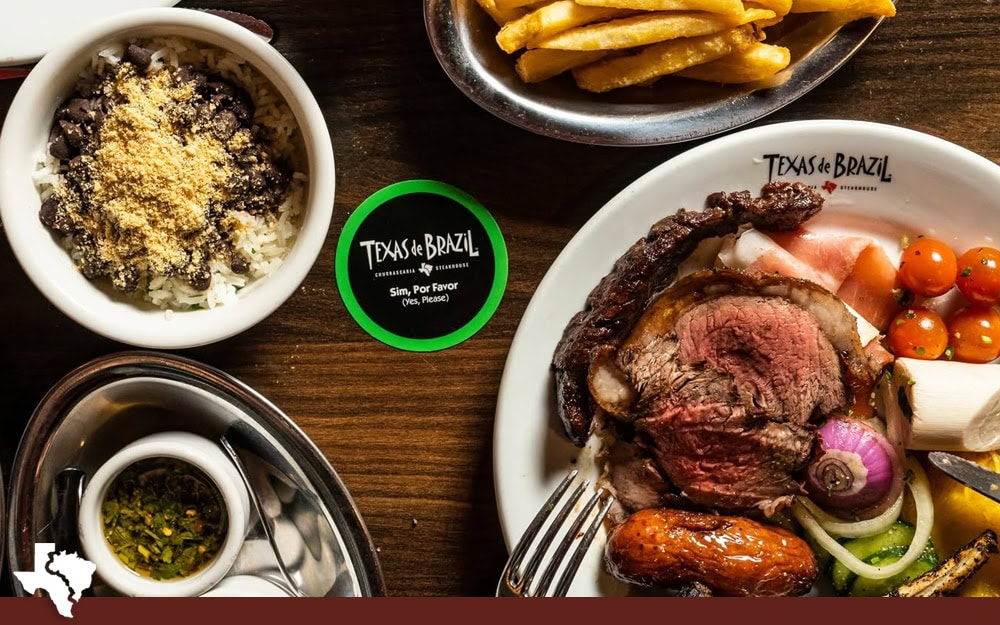
Southern Brazil is where this whole style of big, fire-roasted meat got its start. Texas de Brazil brings the authentic churrascaria experience straight to you without needing to book a flight. Gauchos carve the premium cuts tableside (like picanha, lamb and filet mignon) and they do it just the way it’s been done for generations. The gourmet salad area is loaded with fresh dishes that help to balance out all that rich, smoky meat on your plate. To save a bit on your next visit, sign up for the eClub to get $20 off your meal, or pick up a gift card for anyone who would love an unforgettable dinner.
We also have a Butcher Shop where you can take home restaurant-quality cuts and cook them yourself. Gather around the table with friends or family to share great food.
Reserve your table at Texas de Brazil and see for yourself why so many come back to this style of dining.
Order a caipirinha at just about any beach bar and odds are you won’t actually know what spirit is in your glass. Cachaça happens to be Brazil’s national spirit, and it’s actually one of the oldest distillates in the Americas. It’s also one of the most misunderstood spirits you can buy. Most bartenders will just call it “Brazilian rum” because it’s faster and easier to explain it that way, and many drinkers either think it’s the same thing as rhum agricole or they just assume all cane spirits will taste the same.
This uncertainty is a shame because cachaça delivers flavors that don’t show up in any other spirit. The fresh sugarcane juice gives it a grassy, almost tropical brightness that’s all its own. Then you get some woodsy tones and layers of depth from the native Brazilian barrels that they use to age it. And it carries a cultural story that stretches back about five centuries. Dismiss it as just another tropical cousin of rum, and you’ll skip over a whole category of flavor and tradition that’s been built into Brazilian culture since the colonial days.
Brazil produces nearly 300 million liters of cachaça every year from over 1,200 registered distilleries scattered across the country. Only a small fraction of that massive volume actually gets exported, though. The same spirit that fuels Carnival and fills glasses in bars from São Paulo to Salvador deserves a lot more recognition outside of South America.
Let’s find out what this Brazilian spirit has to offer and why drinkers around the world love it!
Table of Contents
The Origins of Brazilian Cachaça
Cachaça is a Brazilian spirit made from fresh sugarcane juice, and it’s pretty different from rum or other sugarcane-based liquors you might be familiar with. The main distinction is all about timing and what actually goes into the fermentation tank. Distillers ferment the juice very soon after they press it from the cane – they don’t refine it or convert it to molasses, just the pure fresh juice moves straight from extraction into fermentation.
The Brazilian government takes this definition to heart enough that they put legal protections in place in 2009 with Law 6.871. This law outlines exactly what can and can’t be called cachaça. For a spirit to earn the cachaça label, it needs to be distilled from fresh sugarcane juice (not from molasses or any other sugar source) and has to be made in Brazil. These protections help keep cachaça’s identity in place and make sure that if you buy a bottle, you’re getting an authentic cachaça.
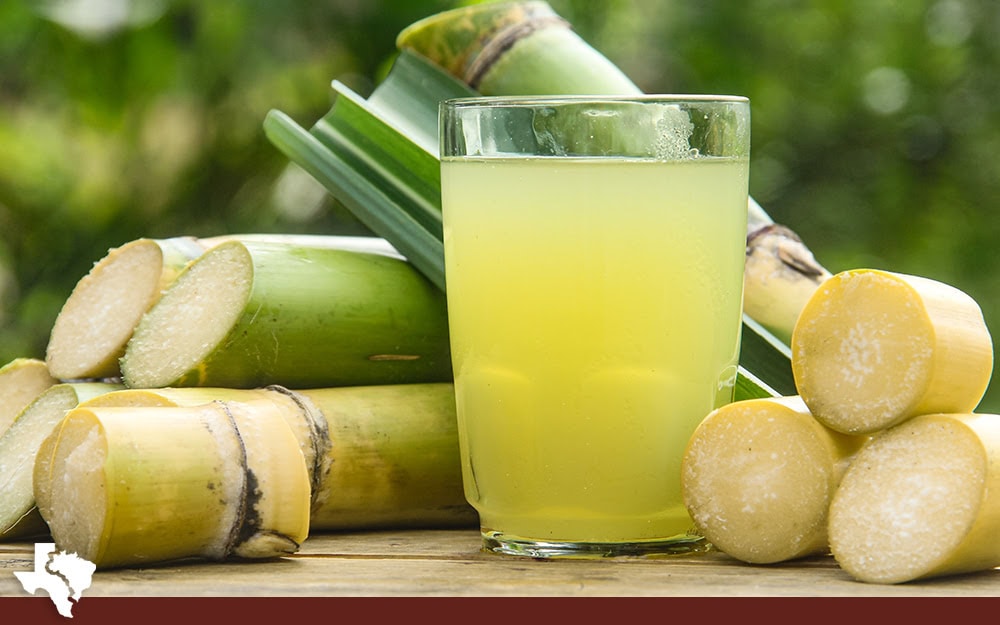
Cachaça has a pretty long history – it goes back to the 1500s when the Portuguese colonizers first arrived in Brazil and brought sugarcane along with them. They planted it across the region, and the plantation workers found out that they were able to ferment and distill the sugarcane juice into a pretty strong spirit – and that’s how cachaça came to be.
Outside of Brazil, cachaça might not be that simple to find at your local liquor store. For most of the drink’s long history, it was only made and sold inside Brazil, and that’s where it eventually became the country’s national spirit.
Exports to other countries have only picked up in the last few years, and cachaça isn’t on all of the shelves around the globe yet. Even with centuries of tradition and culture behind it, cachaça just isn’t as popular as most other big spirits on the market – for now!
What Makes Cachaça Different from Rum
Cachaça and rum get mixed up all of the time, and it’s no mystery why. These spirits both use sugarcane to create their alcohol. What sets them apart is which part of the sugarcane actually gets used. Most rum is made from molasses – that’s the dark syrup that remains after the sugar gets processed and extracted. Cachaça doesn’t bother with the molasses at all and uses fresh sugarcane juice instead.
The type of source material you use is going to matter in the final flavor profile. Fresh cane juice has these nice grassy and vegetal flavors that you’re just not going to get from the molasses. The taste is going to be way brighter, and you’ll actually be able to taste more of the original cane in each sip. Molasses-based rum is going to taste sweeter and feel heavier on your palate because the molasses itself has already been cooked down and concentrated from the raw cane juice into something different.
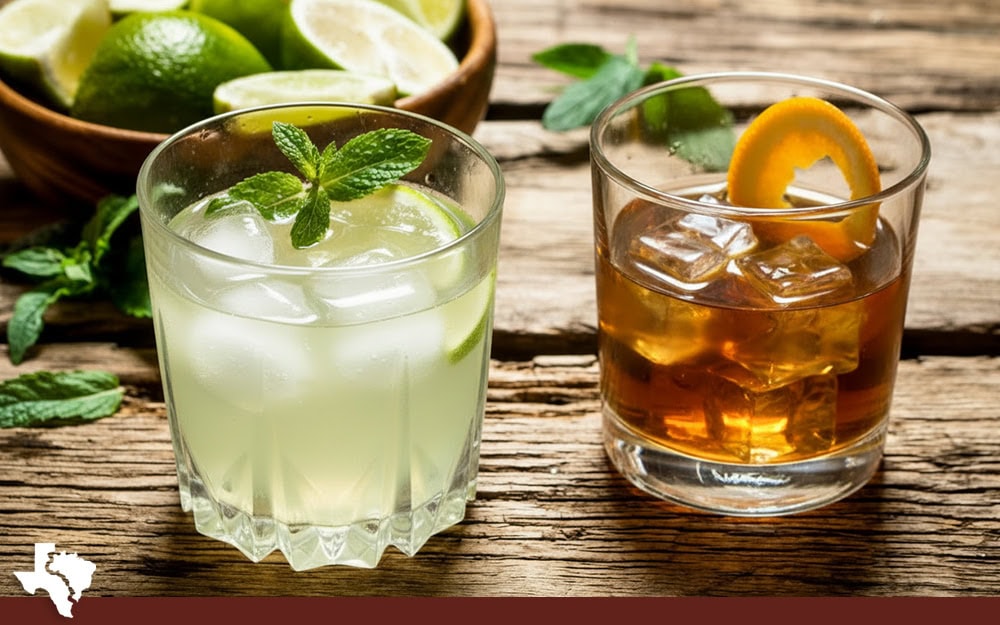
Plenty of bartenders and spirit experts lump cachaça and rum together when they’re first learning about these spirits. Taste them side by side, though, and the fresh sugarcane juice in cachaça gives it a different character on your palate.
One exception does deserve a quick mention. Rhum agricole from Martinique also relies on fresh sugarcane juice instead of molasses, and it’s probably the closest spirit to cachaça that you’ll find in the spirits world. Even with these similarities, these two spirits aren’t actually the same. They use different production methods, and the terroir shapes them in different ways. The French Caribbean islands have their own climate and soil conditions that give rhum agricole its character. Brazil has its own environment and traditions that shape cachaça, and that’s why each spirit has its own personality.
Two Different Ways to Make Cachaça
Brazil produces cachaça in two very different ways. The first way is all about scale and efficiency. Large commercial distilleries use column stills to produce very large quantities of the spirit in a fairly short amount of time. After distillation, everything goes straight into stainless steel tanks for storage, and this keeps the whole process moving fast and keeps the production costs as low as possible – it’s the type of cachaça you’re going to see on the shelves at most bars and liquor stores throughout the country. It’s reliable, it’s affordable, and it delivers just what you’d expect from it every time.
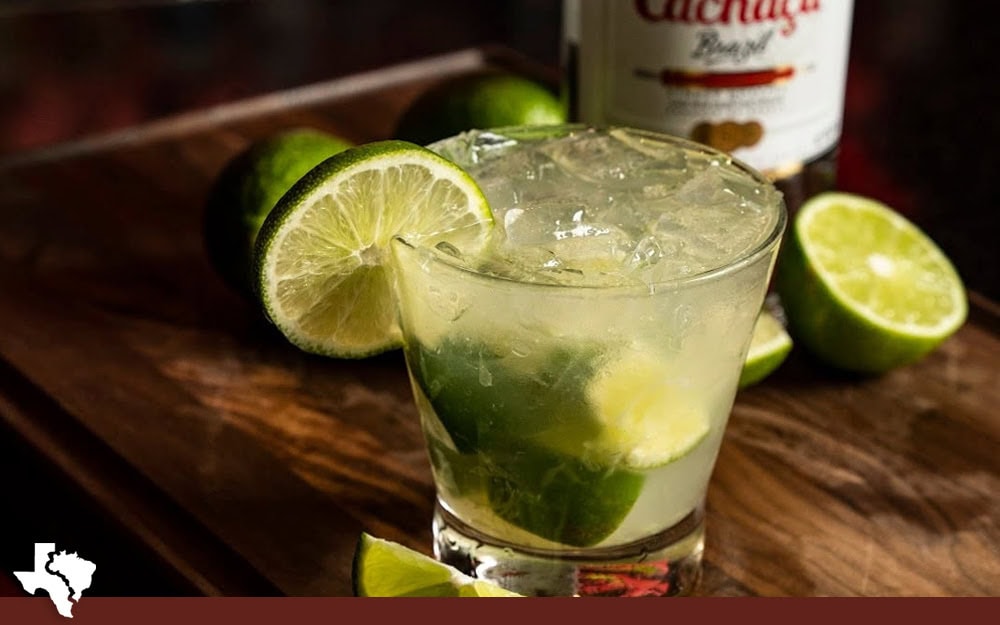
The other way of making cachaça is a lot more involved and personal. Small-batch producers skip the massive column stills altogether and work with copper pot stills instead. As the cachaça heats up and moves through the still, the copper metal reacts with the spirit, and it strips away sulfur compounds on contact. If you don’t have this copper interaction, those sulfur compounds would stay in the cachaça and give it a harsh, metallic flavor that nobody wants to drink. This chemical reaction between the copper and the spirit happens right inside the still as everything heats up. A small distillery out in Minas Gerais operates at a different pace. The master distillers there monitor the fermentation process closely, and they’ll make adjustments on the fly based on whatever they’re seeing and tasting right then. Wild yeasts work to convert the sugarcane juice into alcohol, and each batch acts a little differently from the last one because of the season, the temperature and probably a dozen other factors that change day to day. An industrial facility that pumps out thousands of liters per day just can’t work with that level of personal attention.
Industrial cachaça is all about consistency, and you can scale up production to meet the demand without sacrificing quality. Artisanal cachaça takes a different strategy – it captures the character of the particular region where it was made, along with all of the small decisions that each distiller made throughout the process. These two types have earned their place in the market. Industrial cachaça keeps the glasses filled at bars and restaurants all across Brazil, and artisanal batches become the bottles that dedicated bartenders and collectors actively look for because each one gives you something a little bit different.
How Brazilian Woods Shape the Spirit
Once the distillation process is finished, that’s actually when the magic starts to happen. Most of the spirits around the world get aged in oak barrels because it helps them develop more layered flavors and character over time. Cachaça producers in Brazil decided to go a different way.
Premium cachaça makers usually age their spirits in native Brazilian woods instead of traditional oak barrels. Amburana, jequitibá, bálsamo and jatobá are some of the most popular selections, and each one gives its own different flavors to the finished spirit. Amburana is known for the warm hints of cinnamon and vanilla that come through in the final product. Bálsamo brings a gentle sweetness to the table and a balsamic richness that helps balance everything out.
Cachaça turns into something different at this stage of the aging process. These particular woods only grow in Brazil’s forests, and they shape the spirit in ways that oak barrels just can’t match. Terroir matters in cachaça production, and it’s a much bigger deal here than you’ll find for most other spirits on the market.
The sugarcane grows right there in the Brazilian soil. Fermentation happens with wild yeasts that are actually native to the region. The spirit then ages in the wood from trees that grow in that same ecosystem. Everything (the sugarcane, the wild yeast and the aging wood) comes from one particular geographic location.
All these layers (the place, the process and the special ingredients) work together to make cachaça something different from any other spirit. The woods used for aging don’t grow anywhere else on the planet, and you can taste that distinctiveness right in the glass.
Best Ways to Drink Your Cachaça
Once you’ve seen how cachaça goes from sugarcane to the bottle, the natural next question is about the best way to actually drink it. For most newcomers, a caipirinha is where it all starts – it’s Brazil’s national cocktail, and it earned that title for real reasons. The recipe calls for cachaça, fresh lime and sugar, and they blend together to create something that’s tart, sweet and really refreshing when you’re trying to cool down on a hot day.
The caipirinha is a drink that only works with cachaça as the base spirit. Swap it out for vodka and the drink turns into a caipiroska instead. Use rum, and it turns into a caipiríssima. All three of them have their fans, and bartenders will debate which one is best. The original recipe was designed around the way cachaça tastes, though, and those particular flavors are what make the drink work the way it does.
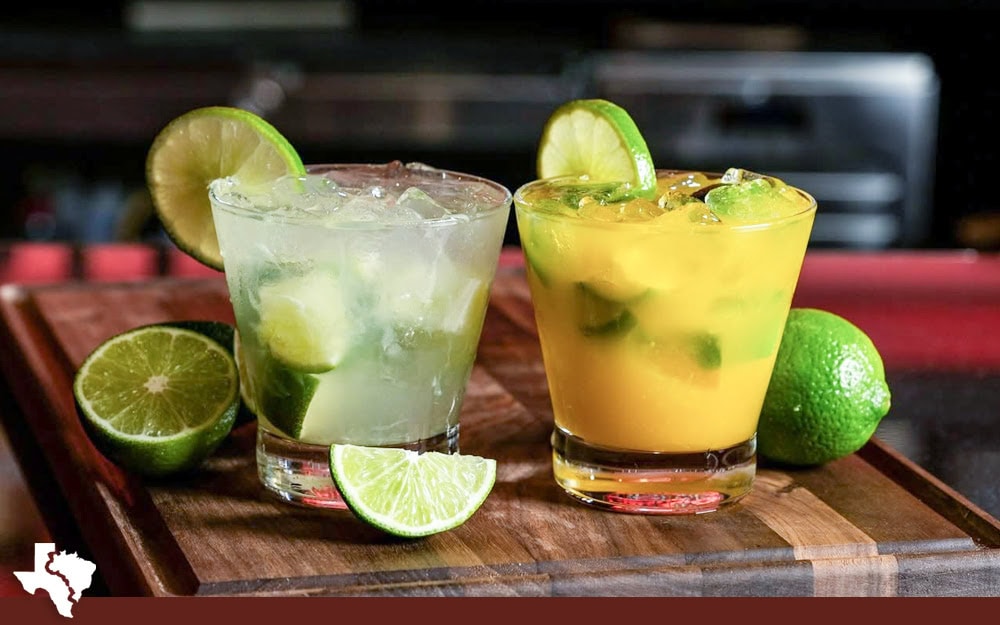
Caipirinhas are great. But they’re not the only way to drink cachaça. A bottle that’s been aged for a while can be smooth enough to sip on its own, just like whiskey after dinner. When cachaça sits in barrels for a while, it picks up plenty of depth and character from the wood and at that point, it doesn’t need any mixers or elaborate garnishes to taste great all by itself.
Bartenders at cocktail bars experiment with cachaça in all kinds of creative ways. Margarita variations are popular, and tropical fruits like passion fruit or mango pair very well with it. It’s actually a lot more flexible than just a lime-and-sugar pairing. Most cocktail recipes that call for white rum or tequila work well with cachaça as a substitute, and you usually only need to make small adjustments to the ratios.
A caipirinha is probably the most famous way to drink cachaça, and it’s earned that reputation for a reason. Of course, it’s not the only option worth trying if you want to see what this spirit can do. Young cachaça is sharp and grassy with a strong vegetal bite, and older bottles get smooth and develop layered, nuanced flavors from the time they spend aging. This range is what makes cachaça great to sip straight or use as a base for creative cocktails.
Savor the Moment at Texas de Brazil
Cachaça is a spirit that opens up your appreciation for how traditions and flavors come together in a culture. Brazil’s national spirit has hundreds of years of history in every bottle, and the best way to learn what makes it worth trying is to actually experience it for yourself. I’d recommend picking up two bottles – an unaged one and one that’s been aged in wood and then tasting them side by side. Just those two bottles will show you the different profiles that cachaça can offer. There are bright and grassy flavors on one end and something that’s smooth and full of depth on the other.
This drink is tied so closely to Brazilian culture, and that’s one of the best parts about it – it connects to the families who make it, the sugarcane fields where it all begins and the celebrations and gatherings where friends and family share it together. A glass of it gives you a genuine sense of what makes Brazil Brazil.
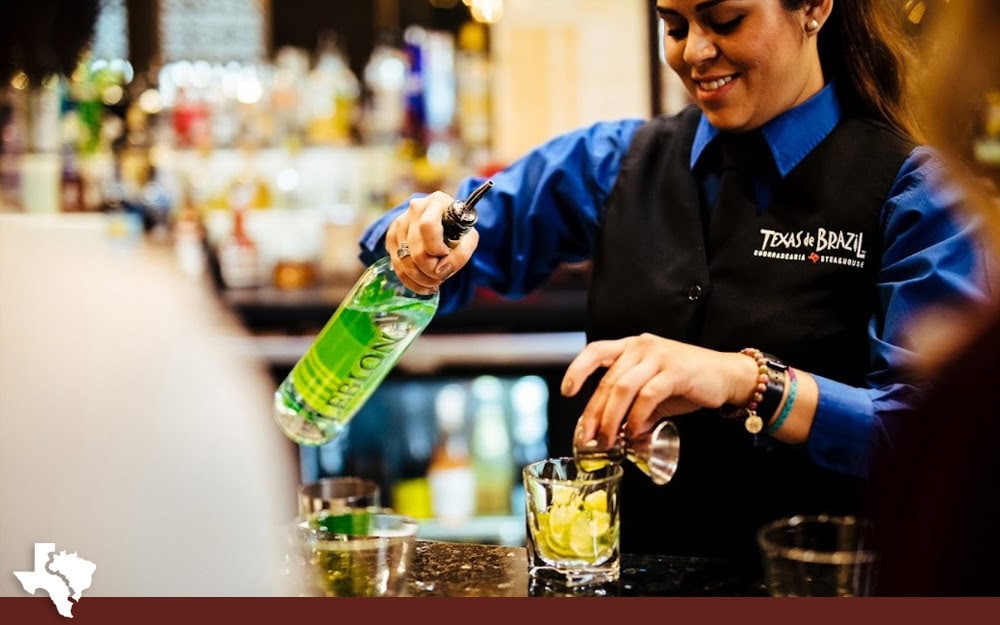
Brazilian traditions are all about celebration and authentic flavor, and Texas de Brazil brings that same feeling to every meal. Our churrascaria sticks to the traditional Southern Brazilian cooking methods – fire, quality cuts and plenty of hospitality. Maybe you’re celebrating something big, or maybe it’s just a dinner out with friends – in either case, our gauchos will carve premium cuts right at your table, and the salad bar has tons of fresh options to go with your meal.
To check it out, reservations are quick to make online, or you can sign up for our eClub to get deals and updates about what’s new. Gift cards are available, too, if somebody on your list deserves a meal that they won’t forget anytime soon.
The markets in Bahia have their own scent, and you’ll usually pick up on it well before what’s actually cooking is visible. It’s a deep, earthy smell that seems to hang in the air around street vendors as they fry acarajé in those wide iron pots. Dendê oil is what creates that smell, and it’s also the single ingredient that takes plain black-eyed peas and makes them taste distinctly Bahian.
Dendê oil is very hard to find if you live outside of Brazil. Walk into most grocery stores, and you’ll come up empty-handed. Recipes for traditional Brazilian dishes will insist that you need this oil specifically, and there’s a legitimate reason for that insistence. Dendê is central to an entire regional cuisine, and it leaves home cooks from other countries wondering what makes it so irreplaceable. The other oils just don’t work as substitutes. Olive oil can’t deliver that same rich, nutty depth and other vegetable oils fall short on the color and the flavor that define dishes like vatapá and caruru.
How dendê oil got from the West African kingdoms to Salvador’s kitchens shows how culture gets preserved through food. Dendê has a few properties that make it work well for some types of dishes. First off, the smoke point is high, and that’s just what you need when you’re deep frying. The flavor is also rich enough that it can almost work as a seasoning by itself. And the carotenoids in the oil are what give every dish that orange-red color that you always see.
Let’s find out what makes dendê oil such a big part of authentic Bahian cuisine!
Table of Contents
The Bold Oil from African Palms
Dendê oil comes from the African oil palm tree and goes by the botanical name Elaeis guineensis for anyone who wants to get technical about it. The oil gets extracted when producers press the soft, fleshy outer part of the palm fruit – not from the seed but from the flesh around it. Palm kernel oil is a different product, and it comes from the seed tucked inside the fruit instead of from the outer flesh, where dendê oil comes from.
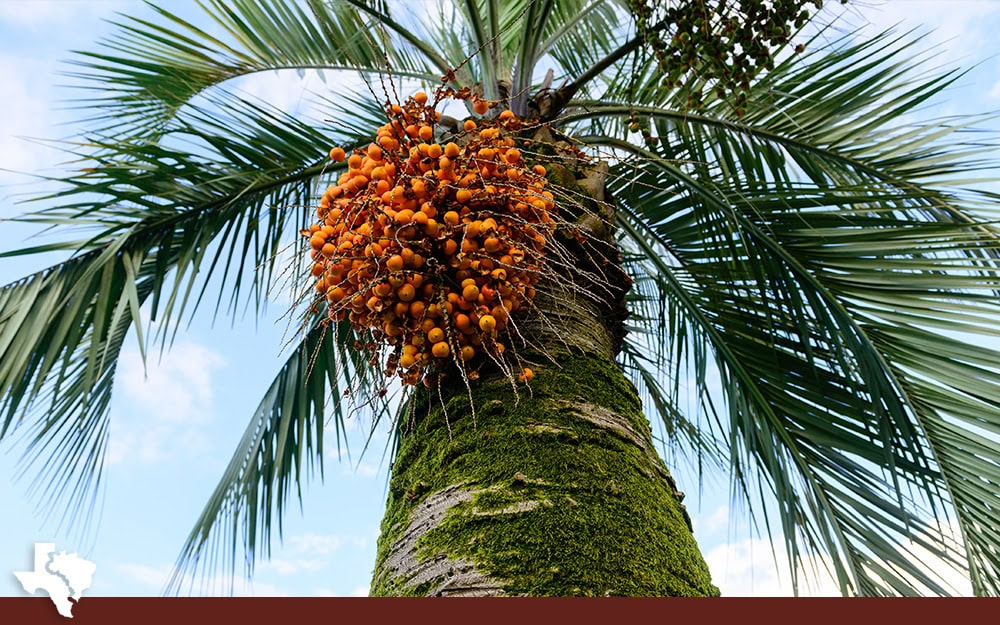
Dendê oil has a pretty striking deep orange-red color to it. The color comes from carotenoids, natural pigments found in the palm fruit itself. Carrots and sweet potatoes get their orange color from these same pigments. Dendê oil just has a lot more of them packed in there.
Dendê also tastes different from most of the cooking oils you’ve probably used before. You’ll taste a rich, earthy flavor with a bit of nuttiness to it, and the flavor is going to come through in your food. It’s nothing like vegetable oil (which has no flavor at all) or canola oil (which is pretty mild and tends to stay in the background). Cook with dendê, and you’re going to taste the oil itself in whatever you make – it adds its own particular flavor to the dish instead of just disappearing like most other cooking oils do.
Palm kernel oil and dendê oil come from the same tree, even though they taste different and don’t look remotely the same. Palm kernel oil is pale and has a much lighter, milder flavor to it. Dendê is strong in appearance and taste, though – it’s pretty bold. The extraction process actually plays a large role in why these differences happen. Producers press the fruit flesh directly, and this preserves more of the carotenoids and the flavor compounds that give dendê oil its signature taste and deep orange-red color.
The African Seeds That Built Bahia
Dendê oil’s history is heartbreaking, and it goes way back to the transatlantic slave trade. West Africans who were captured, enslaved and then forced to make that brutal crossing across the Atlantic actually brought oil palm seeds along with them.
Palm oil was a big part of normal life in regions like Nigeria and Angola for hundreds of years before the slave trade began. Families used it for cooking their food, for treating illnesses, and it held deep spiritual meaning in their religious ceremonies as well. When enslaved Africans were ripped from their homelands and forced to rebuild their lives in Brazil, palm oil represented one of the few tangible pieces of their heritage that they’d actually preserve and pass down.
Salvador da Bahia grew to become the center of dendê culture across Brazil over time. The African communities there made sure that their food traditions stayed alive, and this was during a time when conditions were brutal and unforgiving. They planted palm trees and pressed the oil the exact same way their grandparents and great-grandparents did it back home. Part of the reason was to feed their families. But it was also a way to hold onto their identity and stay connected to where they came from.
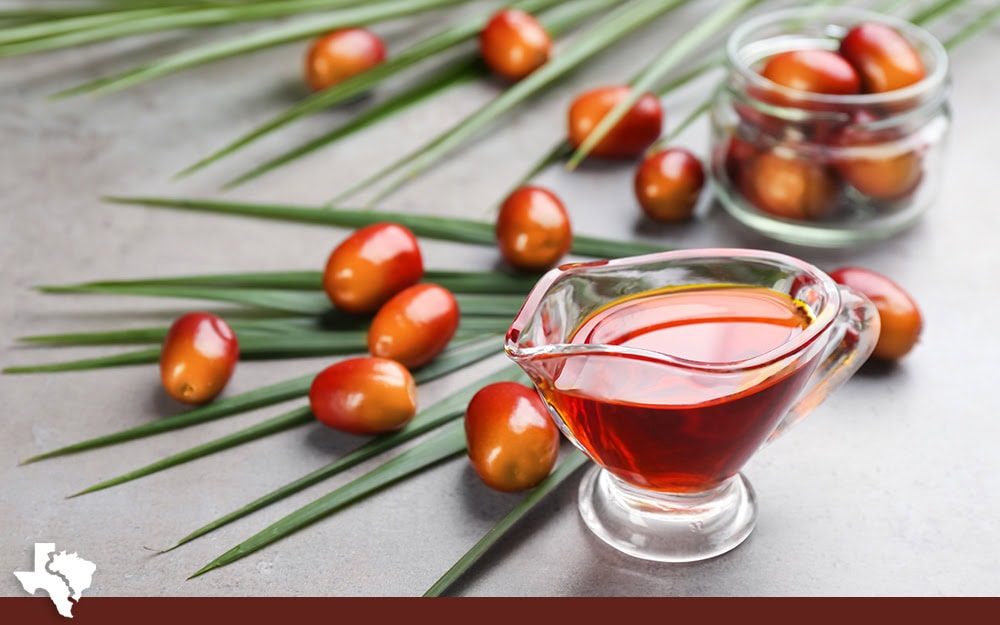
Dendê was also important in Candomblé religious practices. The oil is sacred to orixás (deities) like Xangô and Iansã in this Afro-Brazilian religion. Religious leaders would use dendê in their ceremonies to honor these spirits and stay connected to Africa. Any dish made with dendê had a wonderful flavor, yes. But it also carried a spiritual meaning.
In a way, the oil became a quiet form of resistance. The colonial authorities had control over where the enslaved worked, how they moved around town and just about every other part of their lives. What they couldn’t control was what families cooked in their own kitchens – the same recipes that their mothers and grandmothers had made before them. Every batch of acarajé or moqueca helped those traditions stay alive and held onto something that the authorities had no way to take. Bahian women sold these dendê-rich dishes from street corners and market stalls, and it gave them a way to earn their own money and build something around the food they’d already mastered.
Salvador remains Brazil’s dendê capital, a title it’s held for generations. The same oil that once helped enslaved communities survive some very harsh conditions has become a cornerstone of one of Brazil’s most celebrated regional cuisines, and each dish prepared with dendê makes a direct culinary connection between West Africa and Bahia, one that reaches back hundreds of years.
What Makes Dendê So Special
Bahian cooks will tell you that nothing else works the way dendê does, and after years of experience with this oil, I’d have to agree. Dendê has a very high smoke point, and that means you can heat it way hotter than most other oils without burning it. You need that when you’re deep frying, and Bahian cuisine has a whole lot of deep frying.
Dendê oil is something special because it accomplishes two big jobs at once in your cooking. Pour it into your dish, and you’ll get that signature red-orange color straight away, and it brings a deep, one-of-a-kind flavor that makes its way into every bite. You could try olive oil or vegetable oil as substitutes. But they just can’t replicate what dendê does to your food.
Dendê is essential for Bahian cooking, and a big part of why it matters is how well it works with the other ingredients that Bahian cooks use every day. Coconut milk is probably the best example of this. Mix dendê with coconut milk in a pan, and they create this pretty incredible sauce that has a depth and a thick, rich texture. The palm oil helps to hold everything together, and it also brings this earthy, almost nutty quality that balances out the sweetness from the coconut.
Dried shrimp works the same way with dendê. The oil grabs that concentrated, briny shrimp flavor and carries it throughout your entire dish. But it also mellows out the intense saltiness that dried shrimp usually have. Instead of just being overwhelmingly fishy, you get something that has depth and multiple layers to it – it’s the main reason Bahian cooks will tell you that dendê can’t be substituted with another oil. Any other oil can fry your ingredients or add some fat and richness to the recipe (which is fine for basic cooking). But it’s not going to change your food the way dendê does and won’t give you that signature red-orange color, and it won’t help you develop those layered flavors that define Bahian cuisine.
Traditional Bahian Dishes with Dendê Oil
Acarajé is the best-known dish in Bahian cuisine. These black-eyed pea fritters are deep-fried in dendê oil (which is pure palm oil) until the outside gets brown and crispy. The women who make and sell them are known as Baianas, and they always wear traditional white clothing as they fry up each batch. What sets acarajé apart is the texture – every fritter has this perfect crunch on the outside that gives way to a pillowy-soft center. This textural contrast has made them one of the most famous street foods in Brazil.
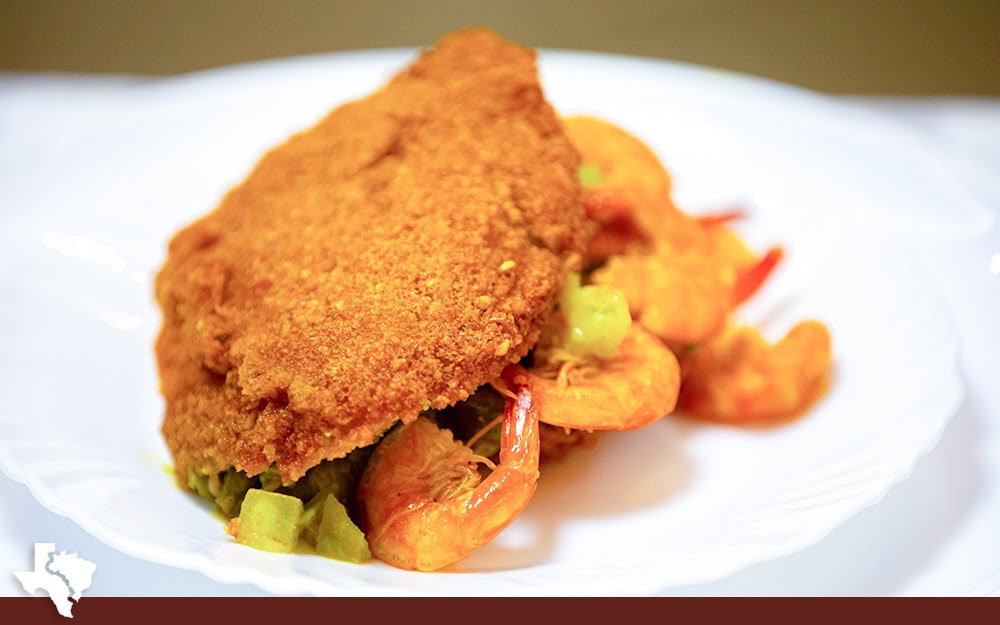
Moqueca is a traditional Brazilian fish stew, and it needs dendê oil to get that signature deep orange color and very rich, full-bodied texture. When the oil blends with coconut milk in the pot, it forms a thick sauce that coats the fish and vegetables in there. If you don’t have dendê oil, you’re just making plain fish soup – it won’t have the same authentic flavor or the thick consistency that makes moqueca worth the effort.
Vatapá is another dish that relies heavily on dendê oil for its signature creamy base. The oil gets blended together with ground nuts and dried shrimp until everything turns into a thick paste. You can spoon it over rice, or you can use it to fill acarajé. Caruru works in a similar way, except it swaps out the nuts and uses okra as the star ingredient instead. The dendê oil still does its part here and adds another layer of richness to complement everything that the okra contributes.
All these dishes need dendê oil, though each one uses it differently. Acarajé needs it for the frying process – it’s what gives you that perfect combination of crispy on the outside and soft in the middle. Moqueca takes a different strategy and uses dendê oil as one of the stew ingredients, so it gets to blend in with the coconut milk, tomatoes and everything else in the pot. Vatapá and caruru work a little differently because the dendê oil acts more like a base that shapes how the flavors and textures develop in the final dish. Cooks have been making these recipes the same way for generations, and that’s because they work extremely well and deliver reliable results every time.
Health Benefits and Kitchen
Dendê oil contains vitamin A, vitamin E and plenty of antioxidants that give it some nutritional value. Bahian cooks have been working with it for generations, partly for the nutrients and partly because the flavor it gives to traditional dishes is hard to beat! But dendê oil is also loaded with saturated fat, and we know a lot more about the connection between saturated fats and heart health. Traditional recipes still call for it. But many cooks will use it more sparingly than they would have a generation or two ago.
Plenty of Bahian cooks have started to cut back on how much dendê they use in their recipes. The great news is that you can still get that signature flavor without dumping large amounts of it into the pot. Some cooks will blend the dendê with lighter oils during the cooking process to make it last longer. Others like to treat it more like a finishing oil and add just a small drizzle at the very end to get that authentic flavor the dish is known for. You don’t have to cut it out of your cooking – just be careful about when and how much you use it. A little bit goes a long way, and it’s what gives dishes like moqueca or acarajé the traditional flavor they’re known for.
Dendê oil behaves a little differently in the kitchen compared to most other cooking oils. Dendê will solidify when stored in a cool environment – it’s normal behavior and doesn’t mean that the oil has spoiled or gone bad. Just apply some gentle heat to the container, and the oil will return to its liquid state without any problems.
Brazilian and Latin American markets usually have the freshest dendê because they go through their stock much faster than typical grocery stores do. Try to open the bottle or get a sample before buying, and take a quick smell. Fresh dendê has a pleasant, slightly nutty smell to it – nothing harsh or off-putting. Store your bottle somewhere cool and dark when you get it home. Heat and sunlight will degrade the oil pretty fast.
Savor the Moment at Texas de Brazil
But you’ll find it in the food and in the way they celebrate life after generations of struggle. Those flavors represent centuries of culture that traveled across an ocean, adapted to a new home and became something they carry forward with great pride.
Food can tell us stories in ways that we don’t usually stop to think about.
You might walk through the markets of Salvador one day, or maybe you’ll just make moqueca at home in your own kitchen. In either case, dendê brings you a taste of something that goes back centuries and hasn’t lost any of its appeal. These are flavors that made it across the oceans, got handed down through families for generations, and they still get everyone excited about sitting down together for a great meal.
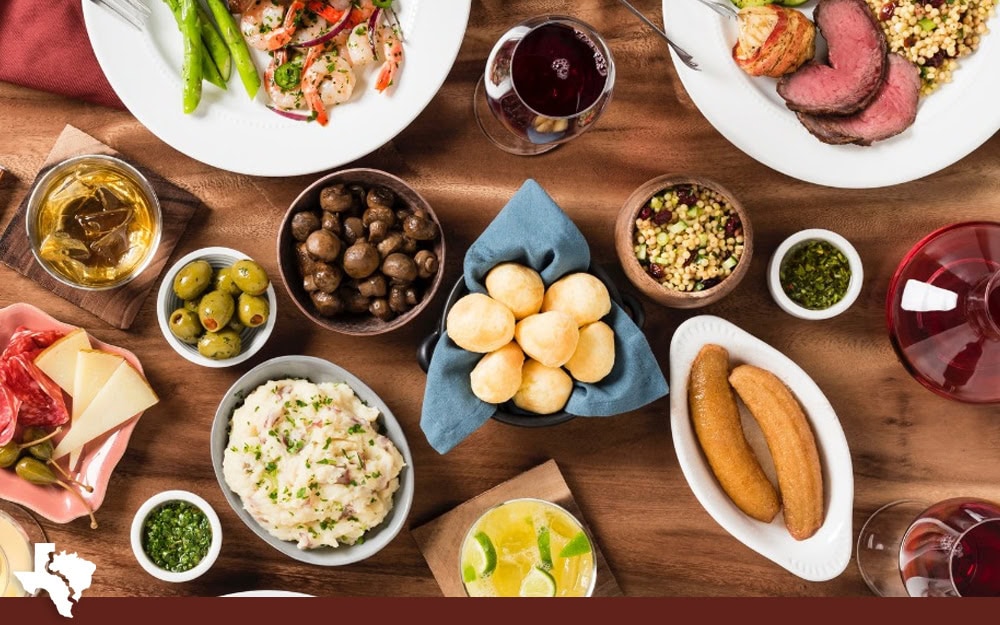
Texas de Brazil is a great alternative if you want to experience the rich traditions of Brazilian food but can’t jump on a plane to São Paulo. We bring authentic Brazilian flavors right to your table, and our chefs follow the same methods that cooks in Brazil have been working with for generations. These are the techniques that made Brazilian food so popular around the world. We’re talking about meat that gets roasted over an open flame and carved right at your table, along with fresh salads and the traditional side dishes you’d expect to find there. If you want to keep up with what we’re doing, join our eClub and we’ll send you deals and updates. We also have gift cards available if you’d like to share the experience with someone important to you.
The food can get a bit tough if you don’t know the local customs. Brazilians have unwritten expectations about what you should order based on the time of day and how fast you’ve been drinking – even for dishes like coxinha and torresmo that look pretty basic on the menu. Something that would be a normal choice during lunch could actually become a bit awkward if you order it at midnight!
A boteco is the way to go, whether you’re planning a trip to Brazil or just want to experience Brazilian culture at a restaurant closer to home. The menu at these bars comes from generations of workers who figured out which foods pair the best with ice-cold beer when it’s hot and humid outside and which snacks help friends keep talking and laughing well into the night.
Let’s find out what makes botecos special and what delicious food they serve!
Table of Contents
Where Brazilian Communities Come Together
Botecos are small, casual bars that are the social heart of Brazilian neighborhoods. These places work like everyone’s communal living room, complete with cold beer and petiscos (traditional bar snacks). Regulars show up almost every day, and patrons from all walks of life sit together at the same tables. A CEO could be sitting right next to a construction worker, and nobody cares. The social hierarchy that dominates almost every other part of Brazilian culture tends to disappear inside a boteco.
The whole setup at these places is comfortable and laid back – they never work too hard to impress anyone. Plenty of them have open-air seating that opens directly onto the sidewalk. The tables and chairs almost never match – that mismatched look is part of the appeal.
A boteco isn’t like your typical restaurant or bar, and the reason is pretty simple – it focuses a lot more on community than it does on appearances. You’re not going to walk in and see some expensive decor or an interior that took months of planning and cost a fortune. The whole point of these places is to create a comfortable environment where anyone can show up and feel welcome.
Brazilians treat their local boteco like an extra room in their house. Business deals happen over a few beers at a wobbly table. Friends meet there to celebrate birthdays and promotions, and they don’t make a big deal out of it. Plenty of patrons will even work out their disagreements at a boteco because the relaxed atmosphere tends to take some of the edge off those harder conversations.
One of the best aspects of a boteco is how casual and accessible the whole experience is. There’s no need to get dressed up in your best outfit or call ahead to lock down a reservation. You can walk right in off the street and grab a seat next to your neighbors and maybe a few strangers too, and by the time the night winds down, half of them might actually become your friends.
Classic Petiscos
Just about everyone would agree that the petiscos are what give any boteco its soul. These are Brazilian bar snacks, and they’re what you eat as you’re sharing drinks and having long conversations with friends. A boteco without petiscos on its menu just wouldn’t feel right – they’re that much a part of the whole experience.
Small as they are, each bite of a coxinha packs in plenty of flavor. Walk into just about any boteco, and you’ll find them on the menu as one of the most popular items, and each one is shaped like a teardrop. The croquettes get stuffed with shredded chicken and creamy catupiry cheese before they’re fried up. Once they come out of the fryer, the outside is crispy and brown – just what you want from a proper croquette.
Torresmo is another favorite you’ll find at just about every boteco across Brazil. It’s pork crackling that gets fried until it reaches an almost impossible level of crunch – the kind where each bite practically shatters. Bolinhos de bacalhau are another menu staple at most places. They’re little codfish fritters that trace their roots back to Portuguese cuisine, and they pair very well with a cold beer.
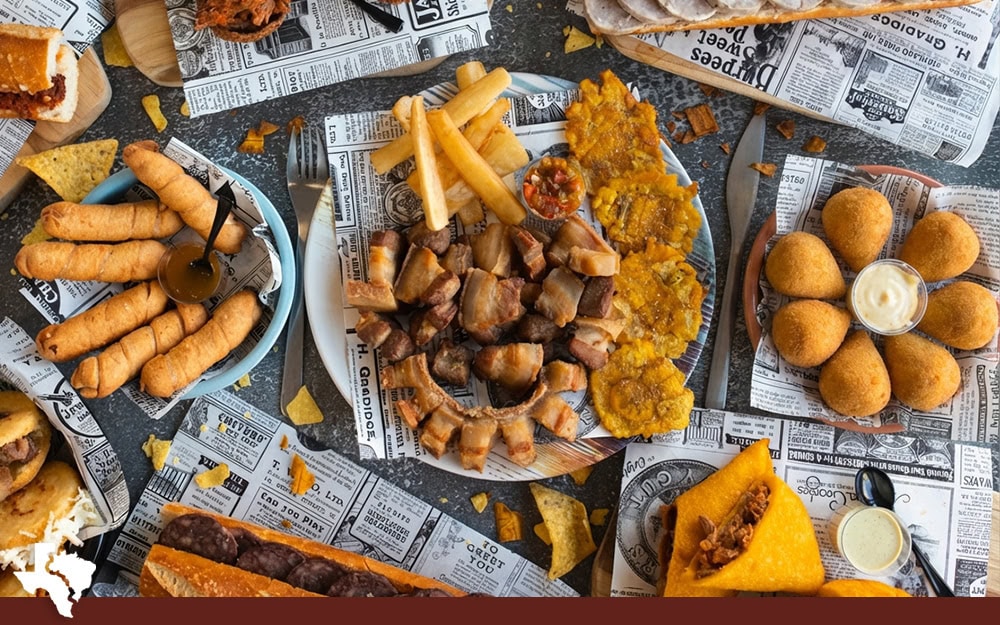
The flavors and textures aren’t accidental. Most boteco snacks are intentionally salty and fried, and there’s a real reason for it. All that salt makes you thirsty, and it has you ordering more drinks throughout the evening. The fried texture also helps to soak up some of the alcohol as you drink, and it lets you stay at the bar longer without becoming drunk too fast. Everything about these menus has been designed on purpose to help customers stay happy and spending.
Petiscos change quite a bit depending on which part of Brazil you’re in. Up in the northeast, sun-dried beef is pretty popular, and it’s made with traditional preparation methods that are specific to the region. Down in the Amazon, fish dishes take over – fresh catches from the local fishermen that show up on your plate on the same day. Every part of the country has put its own spin on what a proper boteco menu should include.
Petiscos are all about sharing. When a group goes to a boteco, one person at the table orders a few plates, and then everyone picks from them all night long. It’s a communal style of eating, and it makes the boteco experience feel so warm and welcoming. Food connects everyone just as much as drinks do, and petiscos are designed with that social goal in mind.
How Food and Drink Work Together
Walk into any boteco in the country, and you’re going to see two drinks on almost every table. First up is chopp, and it’s a draft beer served so cold that your teeth might actually ache from that first sip. Then there’s cachaça, a liquor made from sugarcane that hits pretty hard in the alcohol department. These two pair very well with anything salty or fatty, and that’s why the menu leans so heavily into those flavors.
Brazil gets hot (very hot), and this explains quite a bit about what you’ll find at any boteco. The ice-cold beer paired with plenty of rich, salty bar snacks makes it much easier to stay cool and refreshed as you sit around and talk with your friends for hours. Those fried pastéis and salgadinhos balance out the beer beautifully, and before long, you’ll be ready for another round.
At most botecos, the food orders usually follow a pretty natural rhythm based on how much everyone’s had to drink. When guests first sit down, they’ll usually go for the lighter items first – maybe a bowl of olives or a few basic fried snacks to start the night off. After a few rounds of drinks and some great conversation, the heavier plates start to come out. We’re talking about feijoada, grilled meats and other filling dishes that help to balance out the caipirinhas.
One tradition that you’ll find at botecos is called the “saideira,” or “one last drink” before you head home. Of course, that one final drink doesn’t usually stay final! Somebody orders a saideira, then another round of snacks shows up at the table, and you’re still sitting there an hour later. The food comes right along with it all and makes it pretty easy to stay way longer than you had meant to.
Social Customs That Make Them Special
Botecos go by their own set of social customs that make them feel very different from a regular bar or restaurant. The seating is usually communal, so the tables become natural collecting places where strangers can strike up a conversation pretty easily. A shared plate of pastéis or coxinhas is usually all it takes to break the ice. You’ll see someone walk in solo all of the time and leave an hour later with a few new friends in their contacts.
The owner is the heart and soul of a boteco. After enough visits, they’ll have your usual drink order memorized, and half the time they can tell what you’re in the mood for before you even open your mouth. Birthdays, family updates and personal milestones – they keep track of it all after years of seeing the same faces come through the door. That familiarity builds a genuine connection that makes customers want to come back week after week.
Soccer debates are practically a given at any decent boteco. Fans from rival teams will come together to watch the games, and they’ll go back and forth about different plays and players with just as much humor as passion. Match days can get really loud and rowdy – and the energy gets pretty intense. It’s all in fun, though – just a friendly competition between fans who love the sport.

Most botecos keep games like dominoes or pool tables on hand for customers who want to kill some time between rounds. The games work as a bit of social glue – they give the patrons one more reason to hang around, talk with one another and bond over the snacks and drinks. A single domino tournament can stretch across multiple visits with no problem, and you’ll see the same group of regulars come back week after week to continue right where they left off.
Most traditional botecos have an unusual payment system – and it’s all based on trust. Loyal customers can keep a running tab for days or weeks at a time before anyone expects them to settle up. The owner will either jot down what you ordered in a small notebook or sometimes they’ll just remember it all in their head (which is actually pretty cool when you think about how many customers they serve each day). It’s a system that only works when the boteco owner knows their customers well and treats them like a part of the family instead of just another face passing through the door.
Modern Botecos Keep the Old Ways
The boteco world has been changing quite a bit over the last few years, and plenty of chefs have started to add their own creative spin to the traditional classics. They call these newer places “boteco gourmet,” and you’ll find them all over São Paulo and Rio de Janeiro. What they do is take the favorite petiscos that Brazilians have been enjoying for generations and make them with much higher-quality, premium ingredients. The whole feel stays just as relaxed and unpretentious.
These upgraded places might serve bolinho de bacalhau made with expensive imported cod, or maybe a pastel stuffed with premium aged cheeses instead of the usual fillings. The quality of the food is much better compared to what you’d find elsewhere. Even with the fancier ingredients, the feel is still just the same as that of the traditional places. Lots of them still serve everything on paper plates, and it’s intentional – the informal setting is a big part of what makes it work, and most customers want it to stay just like this.
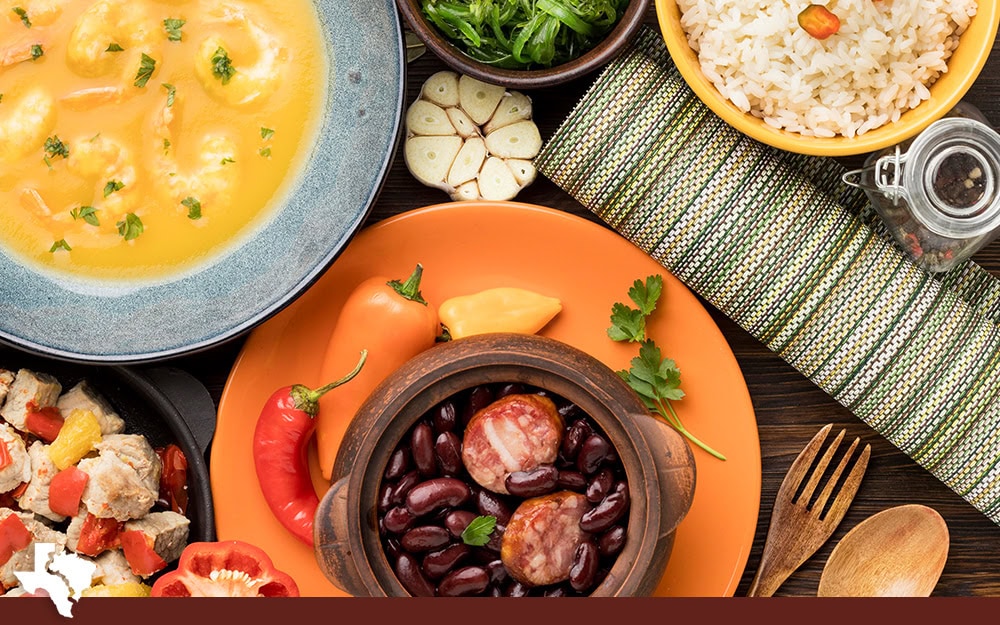
Younger Brazilians have taken to the boteco tradition over the past couple of decades, and plenty of them view it as a core part of their cultural heritage. A few cities across the country have started hosting annual boteco festivals where local bars and restaurants compete to create the best version of each traditional dish. These events have turned into a great way to celebrate the old recipes and give modern chefs the room to put their own creative spin on them.
Most places still pour ice-cold chopp, and it wouldn’t be right without it. Better beers have earned their place on lots of tap lists over the last few years. Top-shelf cachaças sit on the shelves right next to the standard bottles. The whole idea seems to be about giving customers more options without losing sight of what made these neighborhood bars great.
Savor the Moment at Texas de Brazil
Walk into any boteco, and you’ll see that nobody rushes through a meal. They talk and drink at whatever pace feels right, and the food is an excuse to spend hours together. A crispy coxinha or slow-simmered feijoada gives everyone a reason to sit down. But the conversation and laughter are what hold them there. Usually, we rush from one place to the next. But botecos work on a different rhythm – one where the point is to stay for a while.
Brazil has changed quite a bit over the decades. But they’ve managed to stay the same at their core. Walk into a hundred-year-old corner place with plastic chairs and checkered tablecloths, and then visit a modern version with local beers on tap – you’ll find the same warm feeling. It’s cold drinks, food that hits just right and an energy that just happens when you’re at a table with friends, family or strangers who won’t be strangers for long. Certain experiences work so well from the start that they don’t need to change all that much over time. A leisurely meal with others never gets old.
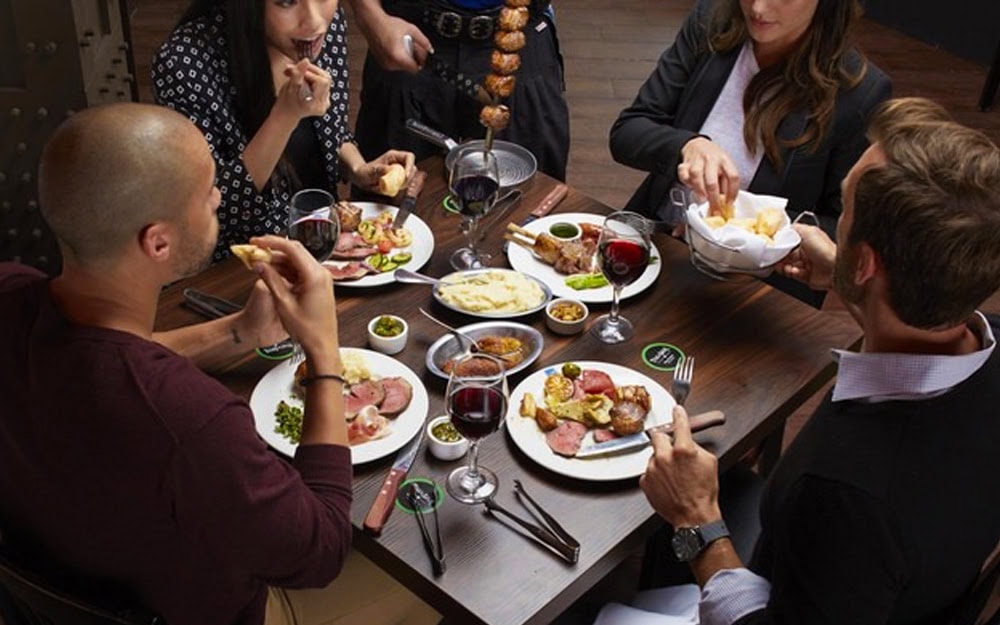
When planning a trip to Brazil, make sure botecos are on your list right up there with the beaches and the landmarks. If you can’t get to Brazil anytime soon, no problem – your own city probably has some Brazilian restaurants where you can get a true taste of this culture. Texas de Brazil was actually founded on this same idea of generous hospitality and authentic flavors.
Come try our fire-roasted meats and tableside service for yourself. Reserve a table soon, or join our eClub to get $20 off your visit.
When it comes to food, everyone is different. Dietary restrictions are a big part of how we all choose what to eat, and depending on the restrictions, it can be relatively easy or surprisingly difficult.
Broadly, dietary restrictions can be grouped into three categories.
The first is simply preference. People who don’t like onions, or don’t care for tomatoes, or are picky about vegetables, or don’t like spicy foods. Often, the diversity of foods available at a restaurant like a Brazilian steakhouse means there’s something for pretty much anyone.
The second category is sensitivities and allergies. Nut allergies, gluten allergies, and allium allergies are all relatively common. Some restaurants can cater to these allergies, while others can’t. Here at Texas de Brazil, we pay attention to allergies, and our staff are happy to assist you with picking appropriate menu items. We also have an online portal dedicated to allergen information.
The third category is social. This is where your cultural, moral, and religious restrictions come into play, ranging from veganism to kosher to halal. As you might have guessed from the title of the post, this is what we’re going to talk most about today.
So, are Brazilian restaurants like Texas de Brazil considered kosher or halal? Read on to find out.
Table of Contents
What is Halal?
Halal is primarily associated with the Islamic religion and is part of the dietary restrictions that come as part of Islamic religious practice. Those who practice Islam divide life into halal (permitted) and haram (forbidden) practices, which include food but are not limited to just food.
While there’s a lot of nuance to this dichotomy, the most common rule of thumb in English is “ABCD IS”, as in “Everything is halal except ABCD IS haram”. This is an acronym for six things:
- A: Alcohol and other intoxicating substances.
- B: Blood, flowing or congealed.
- C: Carnivorous animals.
- D: Dead meat, or meat not slaughtered and prepared by Islamic practice.
- I: Food Immolate unto idols; the food sacrificed for other religious practices.
- S: Swine and swine derivatives, aka pork, bacon, and so on.
Each of these has an associated passage or several passages in the Quran forbidding it, and anything not explicitly mentioned is considered allowed. There’s also a third group, Makrooh, which is things that are discouraged but not wholly prohibited. Smoking (substances like tobacco, not necessarily smoked meat), for example, is Makrooh.
As far as foods go, Islamic restrictions largely center around meat. Just about everything from the plant kingdom is allowed, except things that are intoxicants, which can include plant-based drugs like opium, or toxic plants (which you shouldn’t be eating anyway, and which you won’t find on a Brazilian restaurant’s menu for obvious reasons.)
For meat, the main differentiator is the means of slaughter. Islamic guidelines require invoking the name of Allah during the process, and using a humane cut to the throat to kill and drain the blood from the animal. Removing the blood properly is a big part of making the meat halal.
Certifying meat as halal is multifaceted. It’s meant to be a gesture of respect for the animal giving its life for our sustenance. It’s meant to minimize the suffering of the animal through a single fast cut. The consumption of blood is prohibited, hence the exsanguination. And all of this also ties into cleanliness, methods that helped promote food safety before modern food safety was understood.
Are Brazilian Restaurants Considered Halal?
Unfortunately, generally speaking, Brazilian restaurants aren’t halal by default.
If you think about Brazil and religion, what comes to mind? Well, one thing that likely stands out is the world-famous giant statue of Christ the Redeemer, which is decidedly not an Islamic monument.
The fact is, Brazil has had a very contentious history with Islam. Many of the slaves brought over from North Africa practiced Islam, and in the 1800s, a significant slave rebellion called the Male Revolt occurred. In response, Brazilian authorities broadly suppressed the Islamic faith. Today, less than 0.1% of Brazil’s population practices Islam. While the number is growing year over year, it’s still a very small portion of the population.
What this means is that Brazilian food culture is not heavily influenced by Islamic practices, and most restaurants are not going to cater to such a small fragment of the population. Certainly, some restaurants do, and 0.1% of Brazil’s population is still around a quarter of a million people. Some areas have dedicated halal restaurants, or at least a selection of halal menu items.
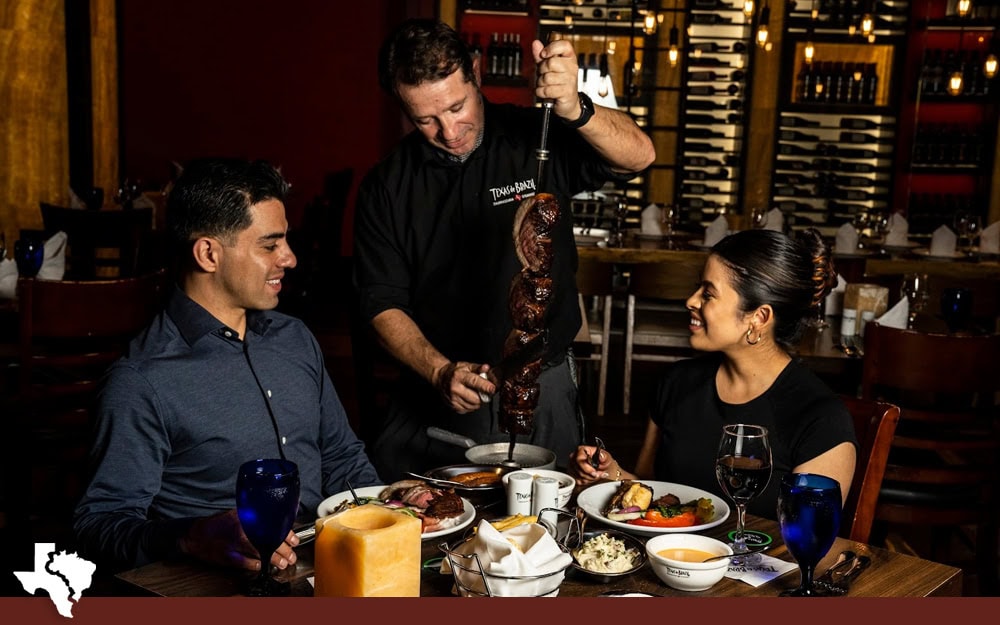
What about us specifically, here at Texas de Brazil?
Unfortunately, the halal options in our restaurant are limited to the salad area. While meats can be made halal, only our lamb is certified halal when we buy it. But, due to the reuse of the skewers we cook our meats on, the same skewers that touch pork also touch the lamb, rendering it no longer halal.
To be clear, this doesn’t mean that the meats we serve are dirty or unethical. It just means that they weren’t certified as halal in their production. Modern slaughterhouse methods are about as ethical as you can get via mass production, and use a captive bolt system to stun the animal so they don’t feel pain in the process; a single cut and draining of the blood is also used. But most meat isn’t slaughtered by a Muslim and dedicated to Allah, so even if it otherwise meets the requirements, it can’t be certified.
What is Kosher?
Like halal, kosher is a religious set of rules and dietary practices. It comes from Jewish religious law and governs foods, ingredients, and production methods. The core of kosher dietary law comes from the Torah, as interpreted over the centuries by rabbis.
It’s likely that there are some historical similarities to, if not the specific practices, at least to the goals and results of both halal and kosher practices. Food safety, for example, is a big one. The root of kosher, though, is about adherence to divine will.
Kosher rules are complex, and centuries of adjudication by rabbinical authorities have made it tricky to maintain a dedicated kosher lifestyle. As with any religious practice, it’s easier in places with significant Jewish populations and harder in those without.

In broad strokes, some of the key rules to keep kosher include the following.
Certain animals may not be eaten at all. Animals with cloven hooves and which chew cud are allowed, which includes cattle, sheep, goat, deer, and bison. Animals that lack one or both of those qualifications are forbidden, which can include animals like rabbits and pigs.
Aquatic animals have their own rules; only animals with fins and scales are allowed. Fish are allowed, but shellfish are not. Even some fish are not allowed, such as swordfish, which don’t have scales as adults (when they would be caught and prepared.)
Poultry is tricky, as there’s no defined rule from the Torah, but it mostly excludes scavenger birds and birds of prey, most of which aren’t commonly eaten anyway. Turkey is a special case; it doesn’t match the other forbidden birds, so some consider it kosher, while others avoid it because turkeys weren’t known by the Jewish people at the time the rules were written, so it’s impossible to say definitively where it would fall.
Animal-derived products from forbidden animals also cannot be consumed. The enzyme used in hard cheeses, rennet, is an animal-derived product, so the animal it comes from must be kosher for the cheese to be kosher.
Kosher animals must be slaughtered in kosher ways. Animals cannot be consumed if they died of natural causes or were killed by other animals, and they must be in good health at the time of slaughter. Like halal, kosher requires a single fast cut across the throat to kill the animal, and blood must be drained. Also, like halal, the slaughter must be done by a pious Jewish man, who often was a rabbi himself.
Despite the similarities between halal and kosher rules, since each requires a specific faith of the person doing the slaughtering, they are mutually exclusive; halal meat cannot be kosher meat and vice versa. Other foods, like vegetables, can be both halal and kosher, but not meats.
Meat and dairy must be separate. This includes a lot of different rules and situations. Cheese, a dairy product, can’t be part of meat dishes. A soup with a cream-based broth can’t have meat in it. A sandwich with meat and cheese is not kosher.
Eggs are not classified as meat for this purpose, so an egg-and-cheese omelet can be perfectly kosher. Fish is also allowed, and one of the stereotypically Jewish combinations of lox (smoked salmon) and cream cheese attests to this.
Conversely, despite the origins of the law coming from a statement to not cook an animal in its own milk, poultry (which does not produce milk) is still prohibited when mixed with dairy.
The separation is severe, too. It’s not enough to have some slices of picanha on one plate and some pieces of cheese on another. Many who keep kosher separate the two by at least 3-6 hours. At least one way, from meat to dairy. If you start with dairy, you can cleanse the mouth with a rinse and an unrelated solid like bread, and then the meat is acceptable.
Kosher applies to utensils and cookware, too. This is a big area where kosher becomes very difficult in a restaurant setting. Utensils and cookware are kosher if the food they’re used to make or handle is kosher. A pan used to cook meat becomes a meat pan; if that pan is then used for anything not kosher meat, it becomes non-kosher and can’t be used for kosher meat.
This is frequently an issue in many settings where cook surfaces like grills, stove tops, and pans come into contact with mutually exclusive foods and become non-kosher.
There’s more beyond all of this (a lot more, honestly), but this much can give you an idea of how difficult it is to keep kosher in a restaurant setting.
Are Brazilian Restaurants Considered Kosher?
Like halal, Brazilian restaurants are generally not considered kosher.
If Islam makes up 0.1% of Brazil, Judaism makes up even less. Brazil had several waves of Jewish immigration throughout its history. Early Sephardic jews came in the 1600s or earlier, with many hiding under the guise of recently converted new Christians. They were forced to leave when Dutch territories were reclaimed by Portuguese Brazilians. Later, Ashkenazi jews immigrated in the 1800s and 1900s in larger numbers, and more came in the 1940s following WW2.
While Brazil is home to the second-largest population of Jews in Latin America, the population in numbers is even lower than our Islamic population, totaling around 120,000 people, for 0.06% of the population of the country. Thus, much like keeping halal, keeping kosher is not something one would expect in Brazilian restaurants outside of specific Jewish areas of major cities like Rio de Janeiro or Sao Paulo.
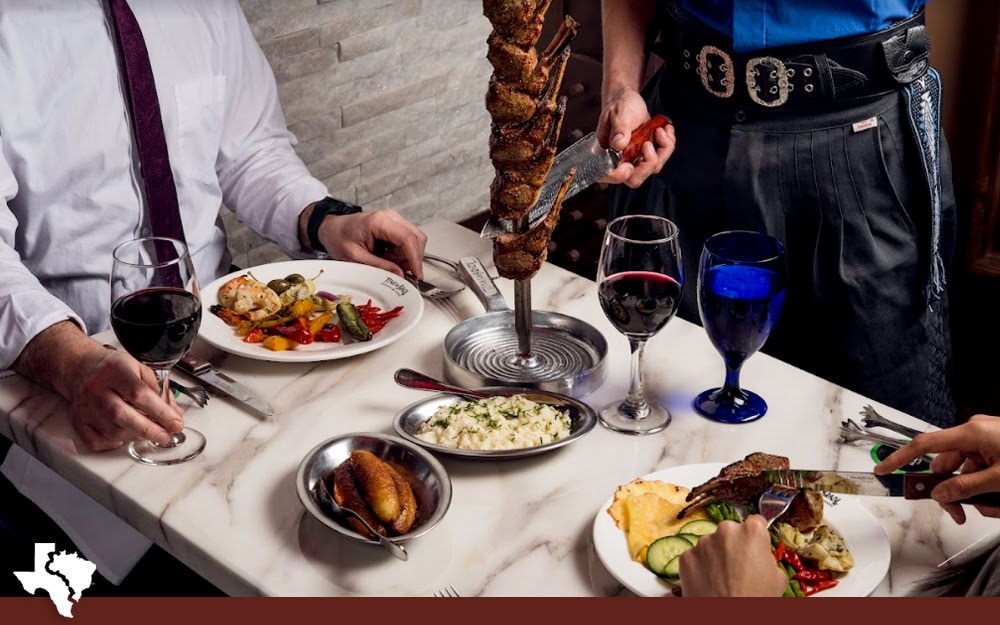
Here at Texas de Brazil, we don’t keep kosher. The challenges associated with restaurant cookware and utensils in particular aren’t part of our process. There is a small chain of kosher Brazilian steakhouses (called Kosher de Brazil), unaffiliated with us, which you might consider trying if you have one near you.
When it comes down to it, though, neither Jewish nor Islamic dietary practices have made a big enough cultural impact in modern-day Brazil to be broadly catered to in our restaurant industry.
Exploring Brazilian Restaurants with Dietary Restrictions
Ultimately, many dietary restrictions come down to individual and personal interpretations. For some, that means we unfortunately have nothing to offer you. For others, you may be able to explore our limited menus, even if the meat isn’t available.
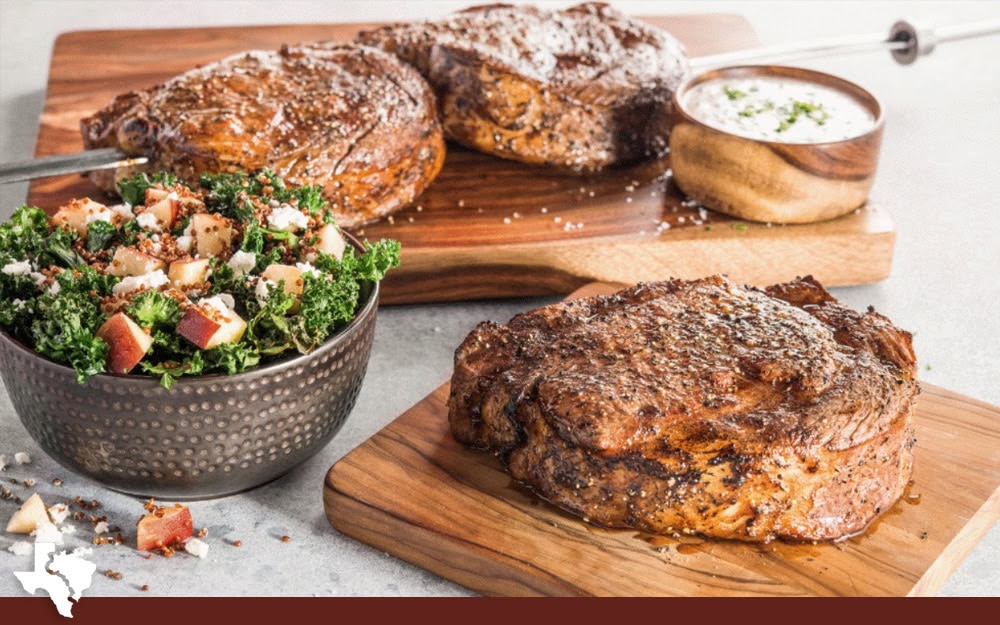
If you have any questions relating to your specific dietary restrictions, we encourage you to give us a call. Simply find your nearest Texas de Brazil location and call using the number listed. Our managers will be happy to talk to you about your specific restrictions, and if there’s any way we can accommodate you in our restaurant.