
What Is Festa Junina and What Food Do Brazilians Eat?
Festa Junina is Brazil’s second biggest traditional festival – right behind Carnival in how much it means culturally. Every June, tens of millions of Brazilians pack the town squares lit up by paper lanterns to celebrate three Catholic saints, with music, dance and tables just loaded with food that has roots that trace back centuries. For anyone who has never come across it before, the whole experience feels pretty foreign – especially once the food arrives.
And the food legitimately deserves its own time here. Corn (harvested right at the start of June) is the heart of dishes like canjica, pamonha and curau. Each of them has a wildly different texture and flavor. The roots of all three go back to indigenous traditions and Portuguese colonial influences, which give them a depth that’s pretty rare even within Brazilian cuisine itself. Peanut brittle, warm spiced drinks and coconut sweets fill out the rest of a spread that has almost nothing in common with what you usually have in mind when Brazilian food comes up. It’s a whole different side of the country’s food culture and one that almost never gets the recognition it deserves outside of Brazil.
Festa Junina also carries an emotional weight that doesn’t always get the attention it deserves. Northeasterners who moved to São Paulo or Rio brought these traditions along with them, and the festival gives them a genuine way to hold onto a home that many of them left behind years ago. That deep cultural pull eventually made its way to Brazil’s government – the country officially recognized Festa Junina as a national cultural heritage. It was a legal stamp on something that Brazilians had already known and held close for generations. As far as I’m concerned, that recognition was well overdue.
Let’s get started on the traditions and foods of Festa Junina together!
Table of Contents
The Catholic Roots of Festa Junina
Festa Junina traces its roots back to the Portuguese colonizers who arrived in Brazil centuries ago. Along with them came a few Catholic feast days – ones dedicated to Saint Anthony, Saint John and Saint Peter, all three of whom are celebrated every June throughout the Catholic world. At their core, they were full community events, built around harvests, bonfires and a genuine sense of shared faith.
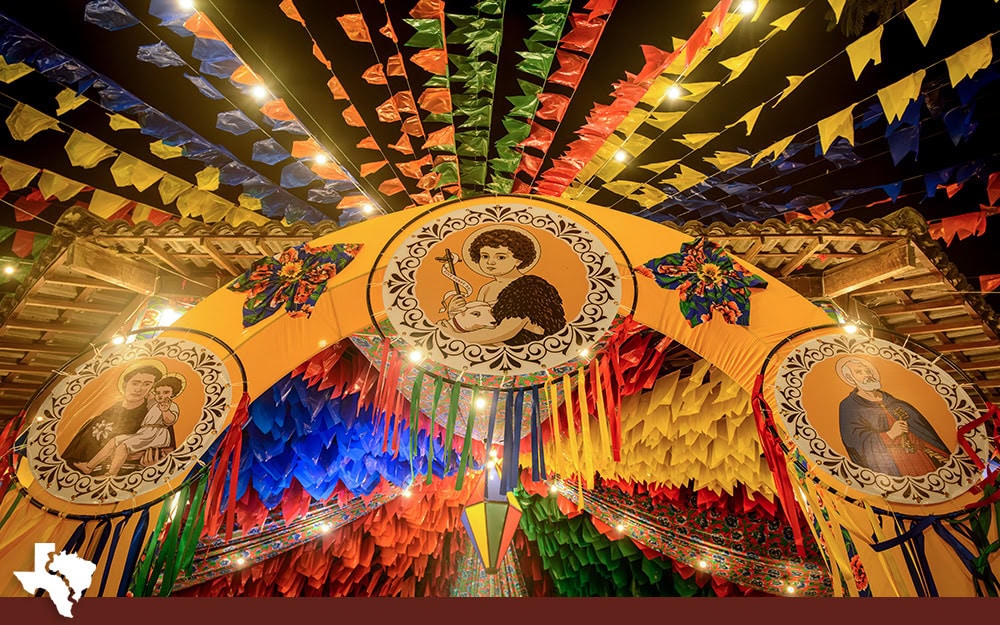
The story that actually matters here is what happened in the generations that followed its arrival. Those European traditions didn’t stay European for very long. Indigenous Brazilian communities and African communities (who had been brought to Brazil through the slave trade) each added their own layer to the celebrations over time. The music changed, the food changed, the dances and the ceremonies all started to blend and evolve, and the festival slowly became something that no single culture could claim as their own.
The big question worth asking is why some traditions last for hundreds of years and others just quietly disappear. For Festa Junina, it mostly depends on the fact that it never stayed rigid or locked into one single version of itself – it absorbed new influences along the way and kept finding new meaning in the lives of new communities. A tradition that’s flexible enough to adapt and grow will usually last.
By the time this festival had spread from the countryside into cities all across Brazil, it had already grown into something far bigger than a Catholic feast day and had become a full celebration of Brazilian identity in itself – rural life, community, warmth and a shared history that’s layered and in parts a tough one. But it’s also very rich. That depth is probably the biggest reason it still draws all that passion and enthusiasm from all across the country year after year.
Where and When the Festival Takes Place
Festa Junina stretches from June well into July, which puts it right in the middle of the Brazilian winter. Down in the southern parts of the country, temperatures drop enough that hearty food and hot drinks feel right at home at an outdoor celebration.
The festival spans the entire country. But northeastern Brazil is where it comes alive. Cities like Caruaru and Campina Grande host celebrations so massive that they pull in millions of visitors year after year. Caruaru, located in the state of Pernambuco, has earned its place as one of the most well-loved Festa Junina destinations anywhere in Brazil.
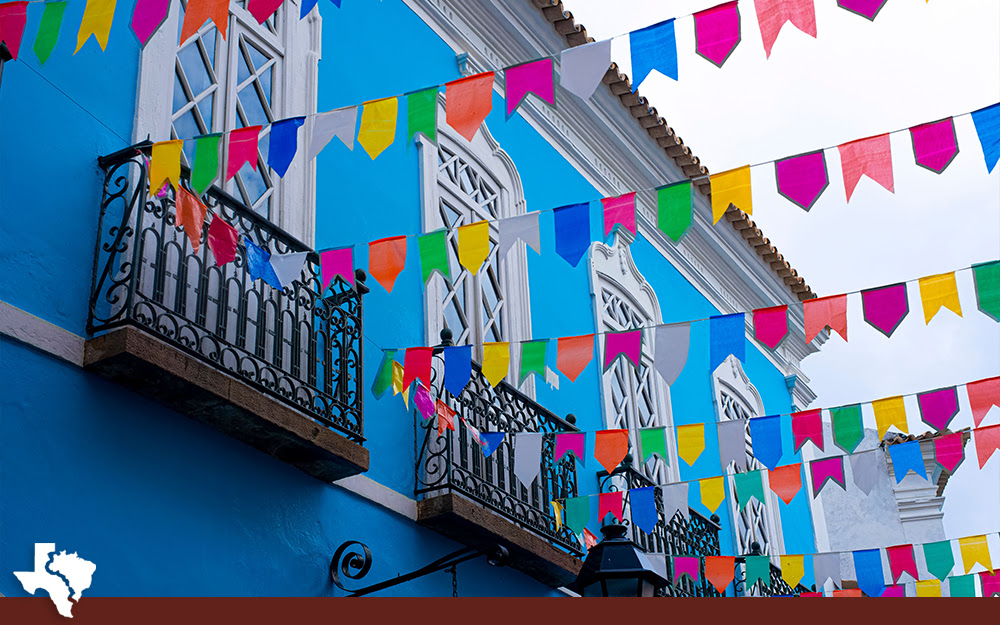
Festa Junina is not a small weekend event – not even close. The celebrations stretch across multiple weeks, with live music, food stalls and open-air dances packed into the public squares and fairgrounds in front of large crowds. That sort of scale puts Festa Junina right alongside Brazil’s biggest annual events, and in the northeast of the country, it’s one of the biggest cultural moments of the entire year.
The food also looks pretty different based on where in Brazil you celebrate, since all that size and pageantry come into play. Warm dishes and hot drinks matter quite a bit more in the cooler southern states during the winter months, and there’s a coziness to the whole experience. The food traditions run much deeper in the northeast – they’re at the heart of the whole celebration.
No matter which region you’re in, what you eat and drink at Festa Junina is every bit as much a part of the experience as the decorations and the dancing. More than almost anything else, the food is what defines the festival – and it shows.
Corn Is the Heart of the Menu
Corn is at the heart of Festa Junina food, and it earned that place for a reason. The festival falls right at the end of the corn harvest season in Brazil’s Northeast, and fresh corn was just what everyone had on hand to cook with at the time. The whole menu grew out of that connection to the harvest, and you can still feel it.
Canjica is probably one of the most popular dishes at the festival – a warm and creamy pudding made from white corn kernels that are cooked low and slow in coconut milk and condensed milk. The result is something soft and porridge-like – with a sweetness that’s gentle enough to make it feel more like a dessert than anything else on the table.
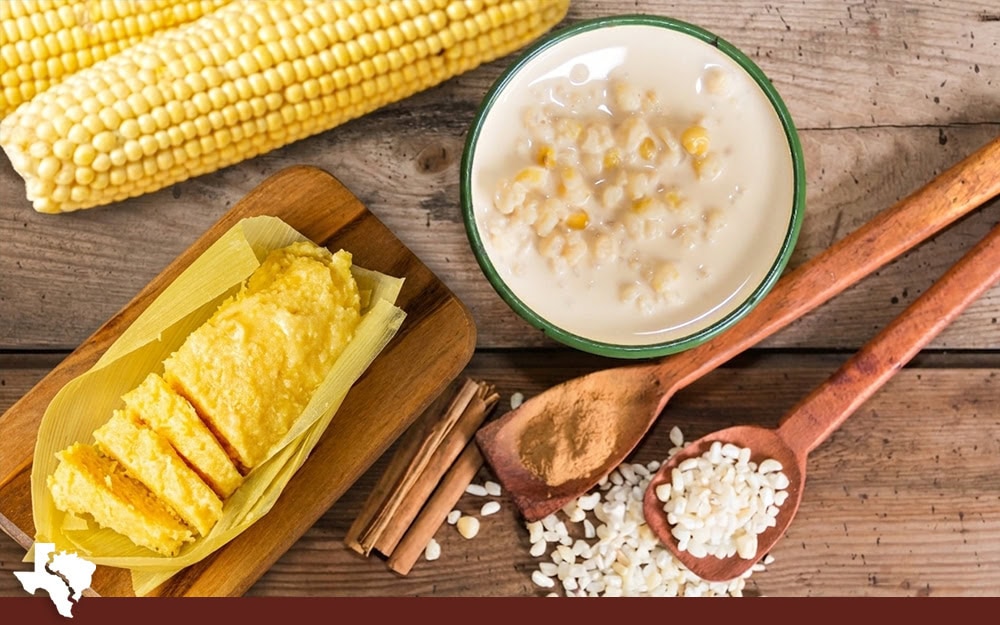
Pamonha is in a category of its own. Fresh corn gets blended down into a thick paste, wrapped tightly in corn husks and steamed until it firms up. What you get is something dense and slightly chewy – and based on the recipe, it can go either sweet or savory, which is a big part of what makes it one of the more flexible dishes on the table.
Curau rounds out the trio, and it sits between a custard and a pudding. The texture is silky, and the corn flavor is rich and concentrated, and it’s usually served in small cups with a little cinnamon dusted on top. Out of all three, curau is probably the quietest crowd-pleaser of the group – the flavor is gentle. But it’s satisfying in a way that’s a little hard to describe until you’ve actually tasted it.
All three of these dishes start from the exact same ingredient, and that makes the range of final results pretty unexpected. One ends up creamy and spoonable, another gets firm enough to hold in your hands, and the third one sets into a wobbly slice. The corn itself is identical in each one – it’s just the preparation that takes it somewhere quite different.
The Sweets and Snacks of Festa Junina
Pé de moleque is by far one of the most popular sweets at Festa Junina – a crunchy peanut brittle loaded with roasted peanuts and hardened brown sugar, with a very satisfying snap as you break a part off. At the stalls, you’ll find it sold in small individually wrapped blocks or big slabs that get cut right in front of you. It’s the treat that’s pretty hard to walk away from empty-handed.
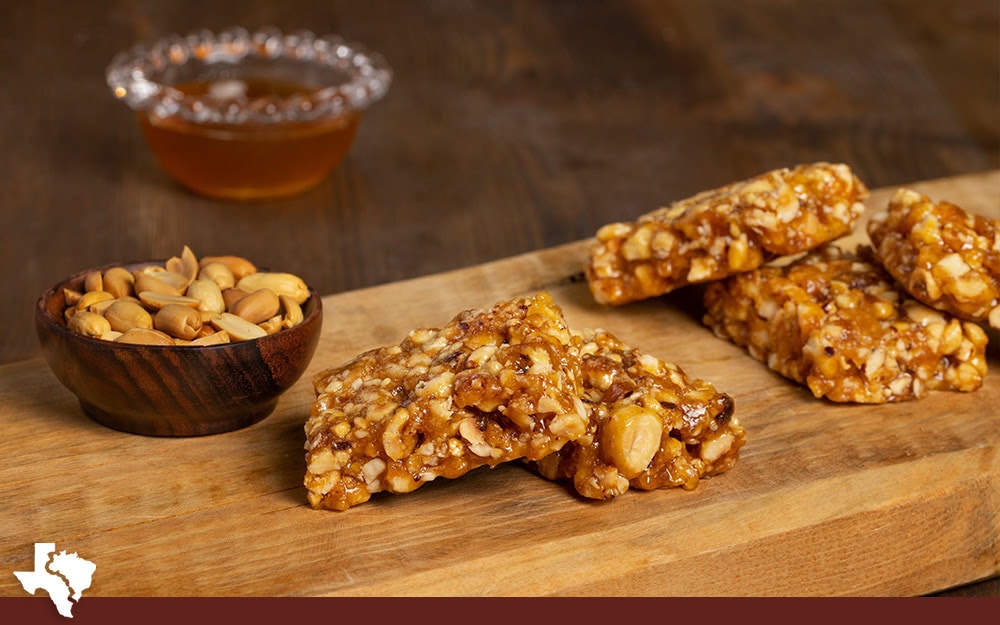
Peanuts are a harvest crop – it helps explain why they show up all over the place at June festivals. The harvest season lines up almost perfectly with the celebration, which means fresh peanuts are easy to come by and are tied right into the whole spirit of the event. And that’s part of the tradition.
Wander through any Festa Junina, and you’ll see stall after stall loaded with sweets. Cocada is one of the biggest staples – a chewy coconut candy that comes in either white or dark brown, with the color set by how long it gets cooked. Pipoca is everywhere as well – that’s Brazil’s version of popcorn, and it’s either made the classic way with butter and salt or sweetened with a caramel coating. None of these are fussy treats on their own. But eaten together at the festival, they do give you a full picture of what Festa Junina actually tastes like.
The air at a June festival is cool and a little smoky, and there’s something about having a sweet or crunchy snack in your hand as the music plays around you that just feels right. These aren’t gourmet desserts by any stretch – they’re food that belongs in your hand as you wander between stalls and choose what to get next. From what I’ve seen, you’ll probably come away with one of each.
Warm Drinks for Everyone at the Festival
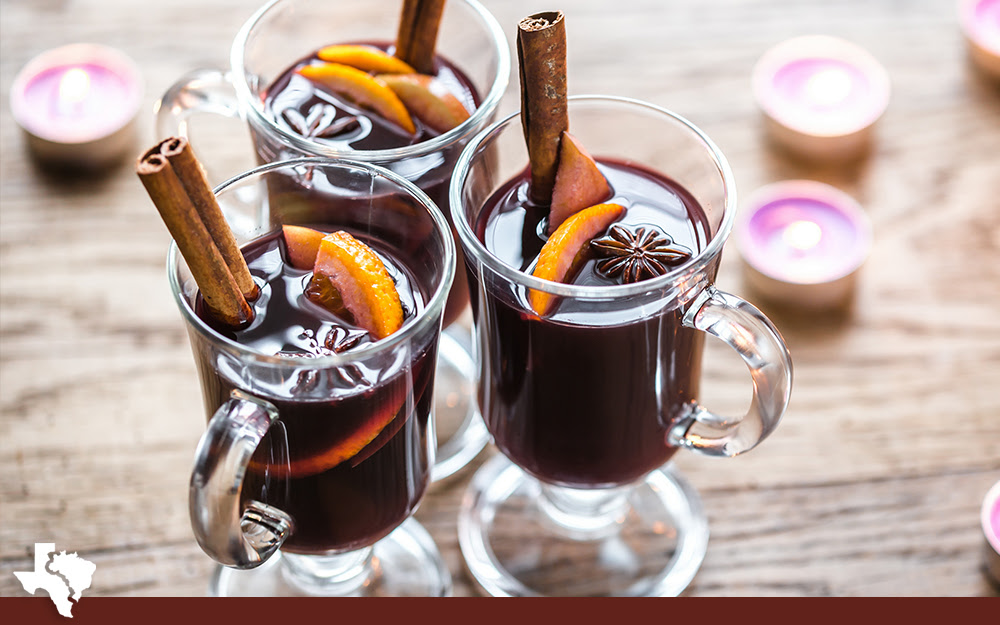
Not everyone at the festival is drinking alcohol, and the nice part is that the options for those guests are just as fun. A non-alcoholic version of vinho quente (which translates directly to “hot wine”) is one of the more popular options for anyone who wants that same warmth without the alcohol. It shows up in a few different variations depending on the vendor, with some made from grape juice and others from a combination of fruit juices, all served warm and spiced the same way as the traditional version. The flavor is fairly close to what you would expect, so it’s a very easy swap for anyone who prefers to skip the alcohol altogether.
Hot chocolate is another one that shows up at these celebrations, and it tends to be a favorite with younger guests or anyone who just wants something sweet and comforting on a cold night – it’s usually thicker and better than what you would find at a coffee shop, which makes it feel a little more special. Some vendors will add a bit of cinnamon or a small amount of whipped cream, so the experience can vary a bit from stand to stand. In either case, it’s a very satisfying choice when the temperature drops.
For anyone heading out with a mixed group (some who drink and some who don’t), it’s helpful to know ahead of time that there are options for everyone. The non-alcoholic options are easy to find and are usually served right alongside everything else, so no one has to feel left out. The two are each worth trying at least once if you want the full festival experience.
The Music and Costumes of Festa Junina
Food and drink are only part of what makes Festa Junina so memorable. At its core, the festival is as much about music, dance and the way everyone dresses as what ends up on your plate.
The quadrilha is one of the most well-loved dances of the celebration – a choreographed square dance with roots in French and Portuguese court traditions that traveled to Brazil centuries ago. Performers dress in plaid shirts, patched dresses, straw hats and painted-on freckles – a warm nod to rural Brazilian life. It’s theatrical and full of energy, and it gets performed with a whole lot of enthusiasm by city dwellers who live in places that haven’t seen a farm in miles.
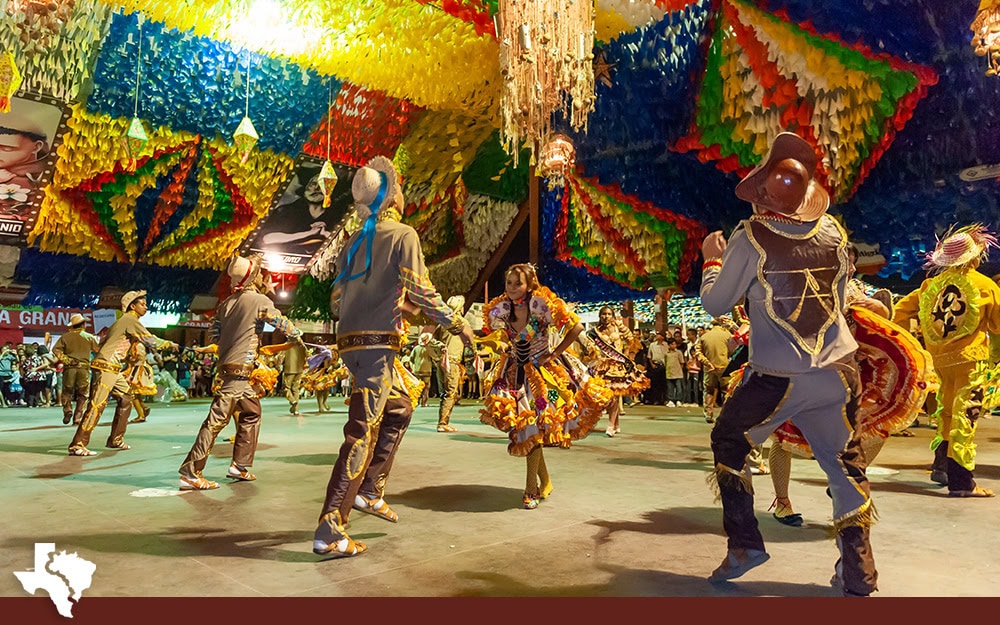
The music that goes along with the quadrilha is a genre called forró, and it’s just as central to the experience – it has an accordion, triangle and zabumba drum. The sound is distinctly northeastern Brazilian, and it tends to pull even unsure dancers onto the floor.
That contrast is worth sitting with. Urban Brazilians (quite a few of whom have never set foot in the countryside) take to this rural look so wholeheartedly every June, largely out of nostalgia and a sense of national identity that the festival has carried from one generation to the next. The costumes, the dances, and the music all work together to bring a part of the interior of Brazil into the middle of the city – even if just for a few weeks.
The city of Caruaru in Pernambuco has become the spiritual home of it all, and its celebrations have even earned UNESCO recognition as an Intangible Cultural Heritage of Humanity. For a festival with roots in farming villages and old religious customs, that worldwide reach says quite a bit about how far these traditions have come.
What Festa Junina Means to Brazil
For Northeastern Brazilians, this connection runs especially deep. Over the decades, millions of families from that region have made their way to the big cities like São Paulo and Rio de Janeiro – and Festa Junina has followed right along with them.
That emotional pull is a big part of what keeps the festival going. Grandparents pass down the songs, the recipes and the old ways to kids who may have never even seen the countryside that those traditions came from. And in that sense, Festa Junina does something quietly – the traditional culture stays alive and well across generations, without anyone having to try.
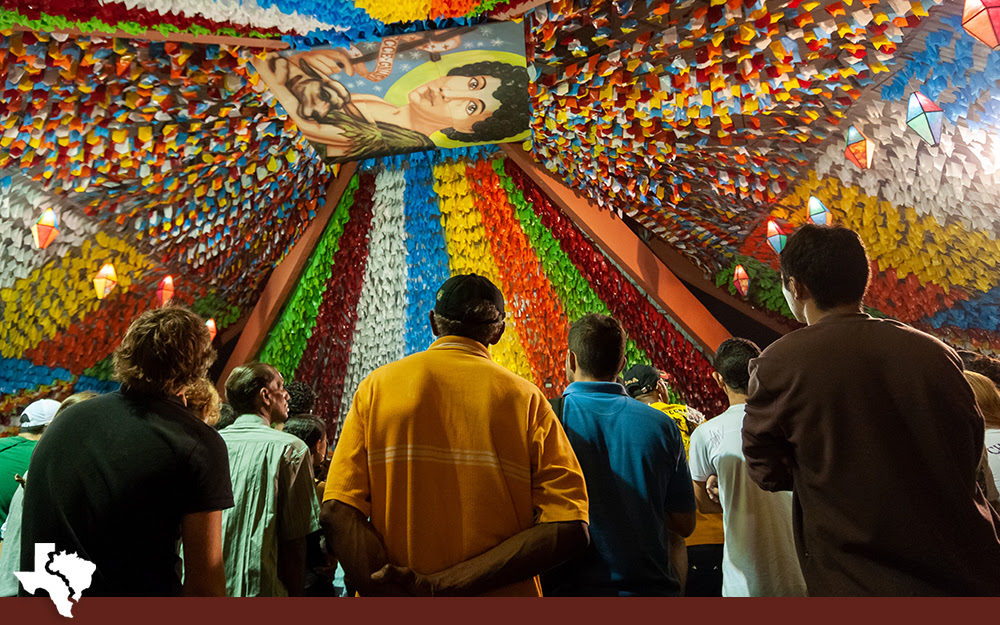
These traditions are fragile. Without anyone to actually celebrate them, plenty fade within a generation or two – and once they’re gone, that’s more or less the end of it. Festa Junina gives Brazilian communities a genuine reason to come back to those traditions year after year. That annual rhythm is what prevents them from disappearing altogether.
The rest of the world has caught on as well. Brazilian communities abroad have been hosting their own Festa Junina events for years now, and the festival has won over plenty of newcomers with no strong ties to Brazilian culture whatsoever.
Festa Junina is a quiet reminder that the longest-lasting celebrations are almost never about spectacle. What draws folks back, year after year, is the chance to join something they legitimately love and do it together.
Savor the Moment at Texas de Brazil
Festa Junina is one celebration that gets better the more you look into it. The backstory of where it came from, what you eat and drink and why it’s managed to last so many generations – it all starts to show what Brazilian culture is actually made of. History, food, music and a genuine sense of belonging are all part of it – and for a tradition that has been around this long, that’s pretty remarkable to still have going.
What jumps out most is how personal this festival is to so many families. For communities, it’s a way to hold onto something they’re not ready to let go of. That staying power doesn’t happen by accident – it happens because families make the choice to celebrate, pass the recipes down and come back for it all over again, year after year.
If any of this has you thinking about Brazilian food and culture, a local Festa Junina event is worth tracking down – or better yet, try to make some canjica or pé de moleque at home. Getting in the kitchen with it does something that reading about it just won’t.
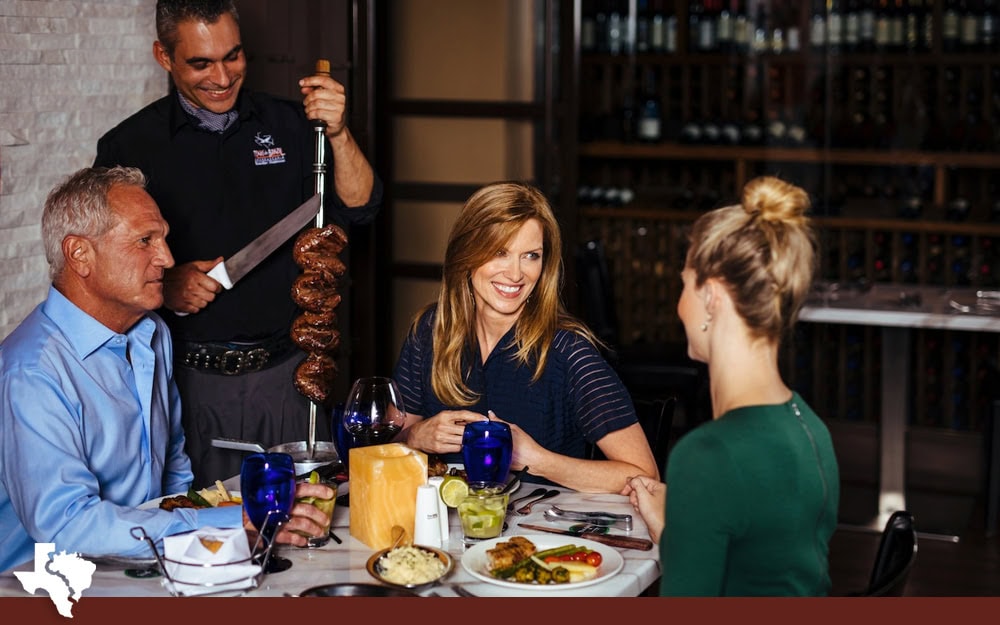
At Texas de Brazil, every meal is a celebration of great food and great company – any night of the year. Our gauchos carve fire-roasted picanha, lamb chops and other cuts right at your table, and a 50-item gourmet salad area loaded with chef-prepared dishes completes the meal. It’s a meal that you should stay for. Sign up for our eClub for $20 off your next visit, pick up a gift card for someone who deserves a great night out or order premium cuts from our Butcher Shop to take the experience home. A reservation is all it takes – come whenever you’re ready.