
Portuguese Food Words Every Brazilian Dining Fan Needs
Brazilian menus usually give diners pause if they’ve never come across them before. Words like “feijoada,” “picanha,” and “acarajé” don’t have any clean English translations, and any direct attempt to translate them tends to strip away the cultural meaning that comes with them. Brazilian cuisine draws from Indigenous, African and Portuguese roots and the layered history behind it has built up a food vocabulary that most English speakers have just never run into before.
The difference between what’s written on a menu and what a diner understands can be pretty wide – even at familiar places like a churrascaria or a neighborhood boteco. A word that looks like a cognate can easily send you in the wrong direction. And a dish name can trace back to a particular region, an old family tradition or a cooking technique that carries real cultural weight. The Portuguese colonization of Brazil started in 1500, and the centuries of culinary exchange that came after left a deep mark on the country’s food language – one that’s still very much alive at the table.
Brazilian food vocabulary doesn’t follow one single set of laws – it’s part of what makes it interesting to work through. A fair chunk of the words in it trace back to Tupi-Guarani – the Indigenous languages spoken long before Portuguese ever arrived. West African languages add another big thread, with whole categories of words that came over during the colonial period and stuck around permanently. Portuguese can add yet another layer with its own regional variations that change depending on where in Brazil a dish actually came from. The same menu item in São Paulo can mean something pretty different than it does in Salvador or Belém.
A handful of the right terms matter in how you experience a meal. With just a little food vocabulary behind you, you’ll be able to ask better questions, understand what’s being described to you and get quite a bit more out of whatever ends up on your plate.
Let’s get into the Portuguese food words that’ll help you get more out of your Brazilian dining experience!
Table of Contents
Why Brazilian Food Terms Are So Confusing
The English language has quite a talent for flattening nuance out, and Brazilian food vocabulary is a perfect example of that. The word ” churrasco” is one case of this – most English menus just call it “barbecue,” which technically gets the point across. The problem is that one-word translation leaves out almost everything that makes churrasco what it is. It’s a whole tradition built around a very particular style of meat preparation, a communal way of eating and a cultural custom that has almost nothing in common with backyard grills or smoky ribs. That translation does the word a disservice, and it’s something that comes up quite a bit with Brazilian food terms.
Another subtle wrinkle here is what linguists call “false friends” – words that look or sound like something familiar from English but carry a very different meaning in practice. “Caldo” is a great example of this. To most English speakers, it reads almost like “cold,” but it’s a warm broth. Place an order with that assumption in your head, and what arrives at your table could look nothing like what you were going for.
From what I’ve seen, quite a few diners have sat in a Brazilian restaurant, stared at something unfamiliar on the menu and just nodded along like they knew what was coming. There’s no shame in that whatsoever. What it does mean is that great food either gets ordered by accident or gets missed altogether – because the difference between Portuguese and English is a bit wider than a quick menu translation can cover.
These words come loaded with history, cultural weight and layers of meaning that just don’t compress down into a single English equivalent. “Barbecue” and “broth” are decent translations, but they only tell part of the story. Once you have a feel for what’s actually behind these words, a Brazilian menu is a whole different (and interesting) experience.
The Root Words That Help You Order
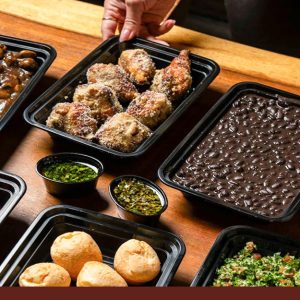
A handful of Portuguese root words can get you pretty far when you’re looking at an unfamiliar Brazilian menu. “Feijão,” to give you an example, just means beans – and with that one word in mind, a dish like “feijoada” starts to make a whole lot more sense as a bean-based stew. One root word and the whole dish can become much easier to understand.
That’s why even a little Portuguese helps quite a bit when you’re reading a menu. Most of the dish names are built from root words with a suffix added on to describe what’s inside or how it was cooked. Even a small handful of words will get you pretty far.
A few words show up again and again, and you’ll have them memorized without even realizing it. “Carne” means meat, “frango” is chicken and “peixe” is fish. With just those three in your vocabulary, you can already make sense of a portion of what you’ll find across most menus.
The goal is to build just enough of a foundation to make a decent call about what to order. When “frango” appears in a dish name, you already know what the protein is before anything else even needs to register. A small win for sure. But those little wins add up fast across an entire menu, and each word that you find is one more dish that you can order with a little more confidence and a little less guessing.
It’s less about learning a whole language and more about putting together a small set of words that you can use no matter where you’re eating.
The Meat Terms Worth Knowing in Brazil
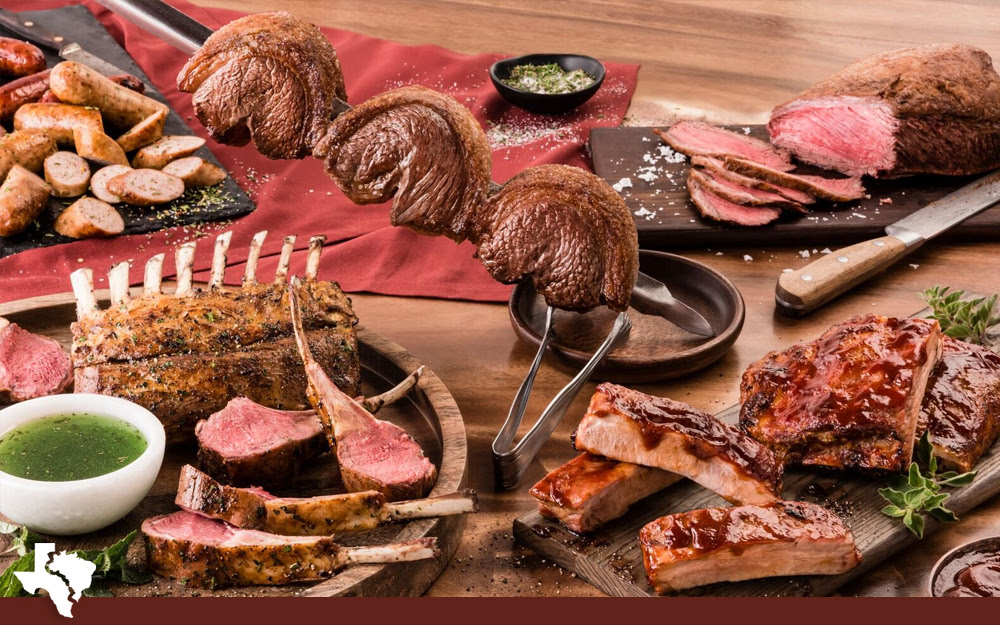
Meat is at the center of Brazilian food culture, and a handful of terms can go a long way before you even sit down. Picanha is probably the most famous cut on a Brazilian menu, and it earns that reputation – it comes from the top of the rump and carries a thick fat cap that gives it a savory flavor (one that gets even better when the meat hits an open flame). Of the words worth learning before a visit, it’s the one to remember.
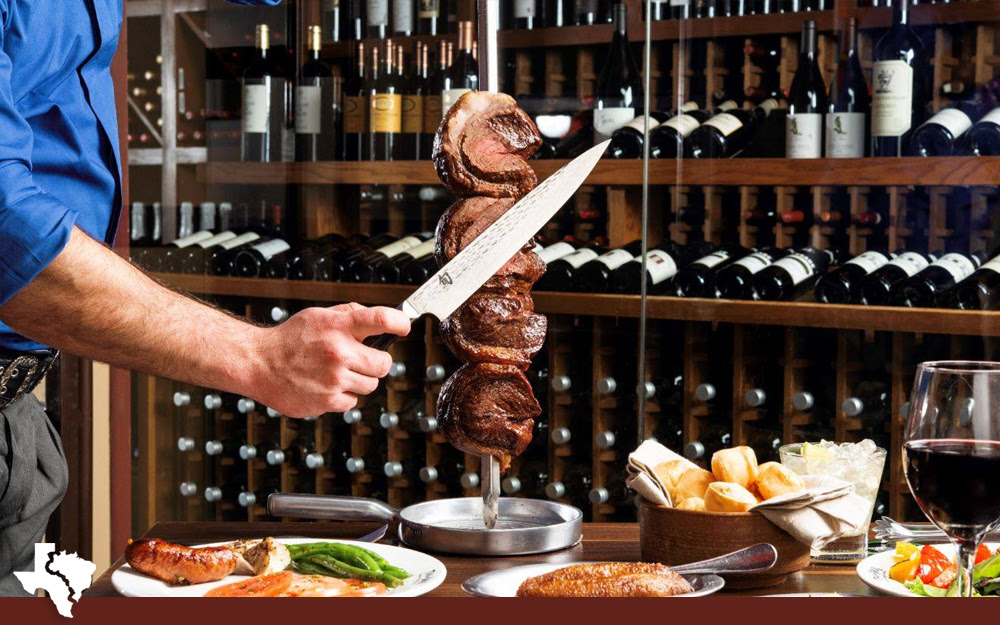
Linguiça is a garlicky pork sausage that’s a staple at Brazilian steakhouses and cookouts all over the country. The flavor is pretty different from that of most sausages that you’ve probably tried before – the garlic and smokiness are strong, and they work well together. Even if pork sausage isn’t normally your first choice, it tends to win you over fairly fast. A plate of it doesn’t last very long.
Costela is the Portuguese word for beef ribs, and it’s a cut that needs time and patience to come into its own. A slow cook is what it takes with this one. Get it right, and you’re left with tender meat that all but falls away from the bone – every bit as satisfying as picanha.
Frango is the Portuguese word for chicken – it’s a handy one to keep in mind when you sit down at a restaurant where most of the menu skews toward red meat. With that one word in your back pocket, you’ll be able to find a lighter option on your own – no guessing and no awkward finger-pointing at the menu.
With just these four words (picanha, linguiça, costela and frango), you can walk into just about any Brazilian steakhouse and actually have a conversation with your server about what you want. It’s admittedly a fairly short list – but each of the four words carries weight at the dinner table.
Small Bites and Drinks at the Bar
Some of the best moments at a Brazilian table happen before the food even arrives – a cold drink already in hand, a few small bites set out on the table and no rush to be anywhere. It’s a pace that can be a little slow if you come from somewhere faster. But settle into it, and it feels natural.
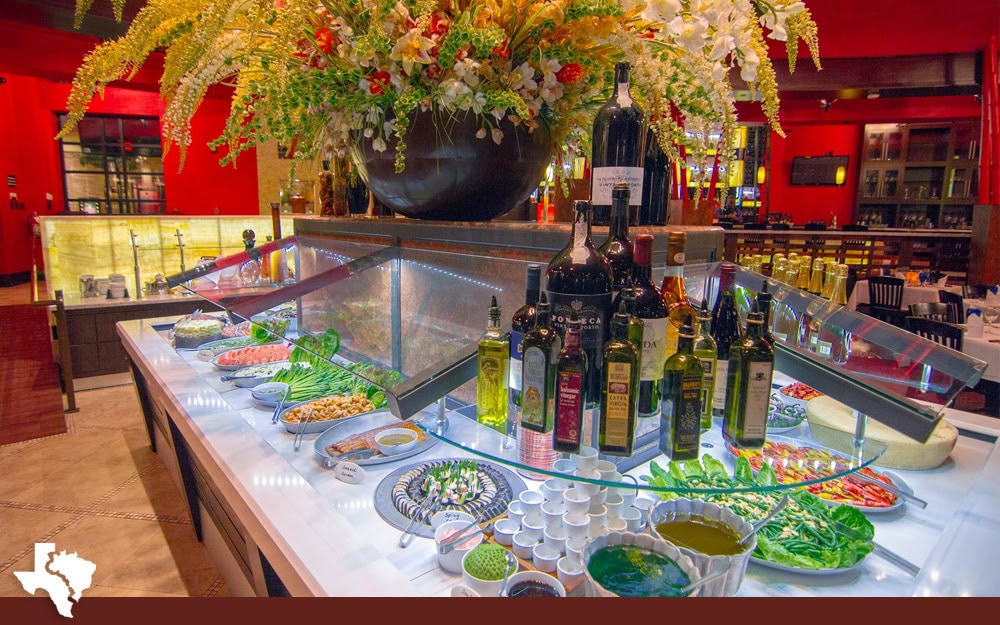
The first word to add to your vocabulary is “petisco.” It’s the Brazilian term for bar snacks or small shared plates, and it fits the relaxed feel of a boteco way better than “aperitivo” ever could. A boteco, for context, is a casual neighborhood bar (the place that opens early and closes late) where the menu could be on a chalkboard and the portions are meant to be shared. “Aperitivo” has a more formal European feel to it (the word that belongs at a wine bar in Milan), not at a neighborhood bar where everyone knows everyone. When you sit down and want to order something light to share, “petisco” is the word that’s going to land just right with your server, and it quietly tells them that you actually know what place you’re in.
The caipirinha is Brazil’s national cocktail (cachaça, fresh lime and sugar) and you’ll find it on just about every drinks menu in the country. You’ll have to know how to order one, and the pronunciation alone will get you a long way. Say it roughly like “kai-pee-REEN-ya,” and the locals will love you for the effort. Most visitors never bother, so it’s a small gesture that tends to leave a strong impression. Some places will ask whether you want it with standard sugar or crystal sugar – in either case, you can’t go wrong with a well-made caipirinha.
Food Words That Have Deep Cultural Roots
Brazil is a massive country, and its food vocabulary runs just as wide as the land itself. A menu in Salvador, Bahia, can look almost foreign compared to one in São Paulo – and the difference between the two traces back through centuries of separate cultural influences, migration patterns and regional histories that each city had developed on its own.
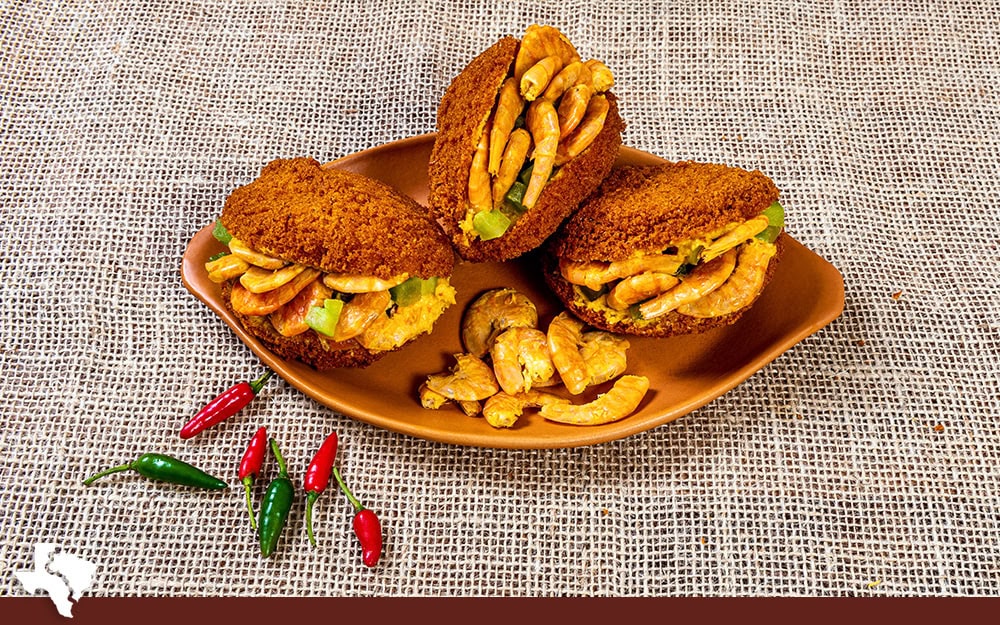
Acarajé is a great place to start. A deep-fried black-eyed pea dough, loaded with shrimp and spicy sauces, it has very deep roots in Afro-Brazilian culture – especially in Bahia. The word itself traces back to the Yoruba language, which had made its way over through the African diaspora. Venture farther south in Brazil, and you won’t find it on a menu at all, let alone described in the same way.
Tucupi is another one worth learning about. It’s a bright yellow liquid made from wild manioc root, and it’s been a staple of Amazonian cooking for centuries, rooted deep in the food traditions of the Indigenous peoples in northern Brazil. The flavor is sharp and fermented, and the full preparation process takes quite a while because raw manioc juice is actually poisonous before it gets cooked down. That one fact alone puts into perspective just how different regional Brazilian cooking can get.
These are the sort of words that are worth slowing down for as you read through a Brazilian menu. A dish name from the Northeast may have very different roots than something from the south, and all of them carry whole histories inside them – histories of migration, of land and of the communities that had shaped regional cooking over hundreds of years. The more that you learn about where a word comes from, the more the menu starts to open up and make sense on its own. A little background on this goes a long way.
Food Phrases That Are Hard to Get Right
A wrong word is easy enough to miss. A wrong phrase is a much bigger deal.
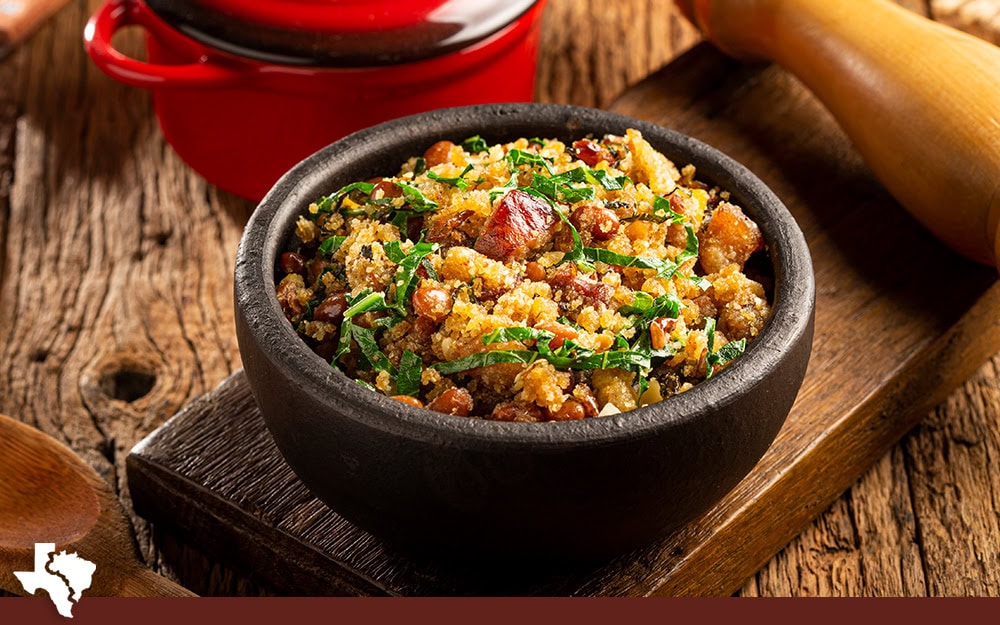
Multi-word expressions in Brazilian Portuguese can fall apart if you try to translate them word by word. “Feijão tropeiro” is a perfect example. Literally, it describes a bean dish that belonged to a “tropeiro” – a mule driver from the interior of Brazil. At the dinner table, no one is picturing mule drivers when they order it. It’s a hearty dish with beans, bacon and toasted flour – and that’s about as far as most diners take it. The history lives in the name itself, and it’s not spelled out anywhere.
“Carne de sol” is another one – it translates to something like “meat of the sun,” which is a little poetic and rightfully so. The name comes from an old tradition of salt-curing and air-drying the meat out under the open skies of the Brazilian Northeast. Most menus just drop the term with no explanation, and in my experience, first-timers wind up picturing something closer to a grilled or sun-dried preparation, which is a pretty long way from what actually lands on the plate.
That said, Brazilians are very warm and patient about this sort of mix-up. Mispronounce something or reach for the wrong word, and they’ll laugh right along with you and help you correct it before they’d ever let you feel embarrassed. A little stumble with the language is almost a rite of passage when you’re new to the cuisine – it’s just part of the process.
The language around Brazilian food carries generations of history, regional identity and day-to-day habit all at once – quite a bit to pack into a single phrase, and somehow it still works.
What Should You Say at a Brazilian Restaurant
A few well-chosen words can legitimately change your experience at a Brazilian restaurant. Even a handful of basic phrases will signal to the staff that you’re making an effort, which tends to go a long way with the service.
Once you sit down, “o cardápio, por favor” is all it takes to get a menu handed to you – no awkward pointing and no fumbling around. To find out what a dish is, “o que é isso?” does the job just fine. Most staff will be more than happy to explain it – it’s also the case at a traditional place that takes pride in its food.

On your first visit to a Brazilian churrascaria, try not to stress too much about pronunciation – no one there will hold it against you. The whole point is to connect – not to nail a perfect accent. The two best words at the table are “sem” (without) and “com” (with) – put either one in front of an ingredient, and the kitchen will know exactly what you want. To place an order, “eu quero” works just fine – and when it’s time to go, “a conta, por favor” gets you the bill.
These words and phrases will go further than they might feel. A menu full of words that you’ve never seen before is way less stressful when you can already tell “prato feito” from “à la carte” or know your ” feijoada” from your “churrasco.” That baseline knowledge puts you in a much better place to order something that you’ll actually want to eat – and the whole meal ends up feeling a lot less like guesswork.
Savor the Moment at Texas de Brazil
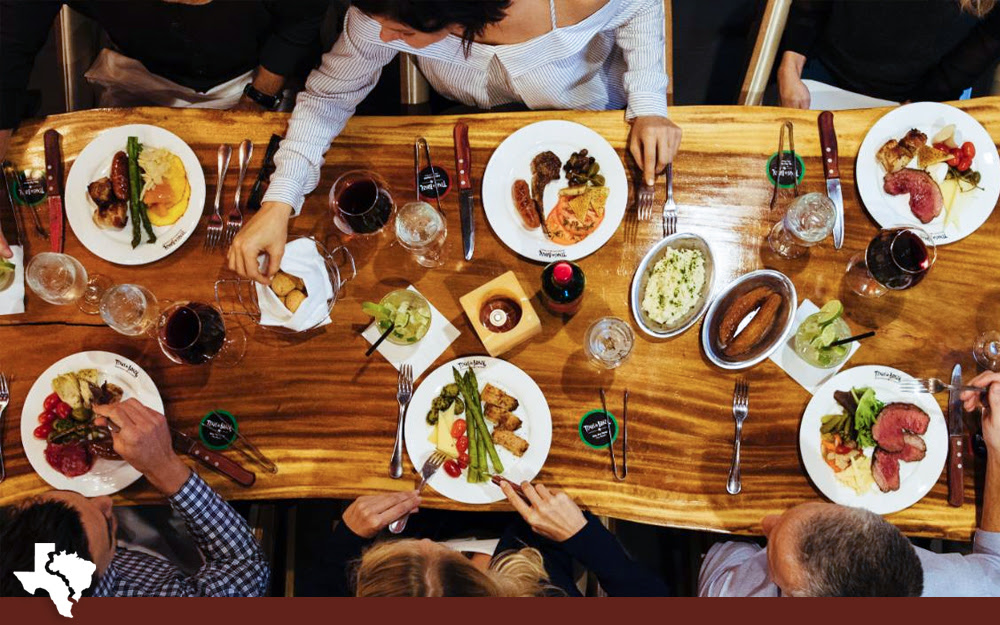
A little preparation goes a long way at a Brazilian restaurant. Looking at the menu and actually knowing a word that you picked up somewhere along the way changes the whole feel of the meal – you feel like someone who made the effort to connect with the culture before ever walking through the door. Your Portuguese doesn’t have to be flawless for any of that to happen. Even a loose familiarity with a handful of words is enough to make the whole experience feel more personal and connected to the culture behind it.
Brazilian food carries centuries of history in every dish name, and none of that just disappears because some of it doesn’t always translate into English.
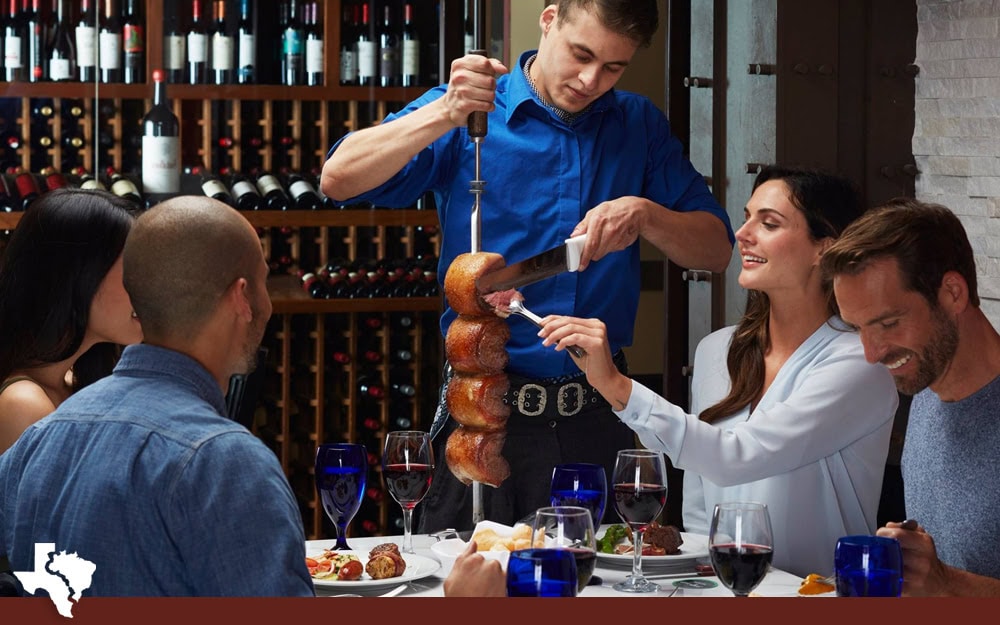
With all that said, Texas de Brazil is about as great a place as any to put all this into practice. Maybe you’ve been waiting for the right time to finally order picanha by name, work your way through a full churrascaria spread or just sit down at a great table with great company – now is the time. Reserve a table online, join the Texas de Brazil eClub for $20 off your next visit, grab a gift card for anyone who’d love a great meal or order premium cuts straight from the Texas de Brazil Butcher Shop and bring the whole experience back home. Whatever direction you come at it from, the welcome is always warm, and the food is always worth it.