
What Is Bobó de Camarão and How Is It Served?
Bobó de camarão is a dish that pops up on Brazilian restaurant menus with almost no explanation behind it – and a one-liner just won’t do it justice. The name alone is enough to make plenty of diners stop and think, which is a pretty fair reaction to have. It’s a dish that deserves a little background, whether you order it off a menu or try it at home.
Bobó de camarão is a hearty shrimp stew with a cassava base, pulled together with dendê palm oil and coconut milk – it comes from Bahia in northeastern Brazil, and it carries a few centuries of culinary history with it. Every ingredient in this dish has a job, and none of it’s by accident.
The cassava base alone is what sets this apart from just about any other stew in the world. As it cooks, the cassava turns almost creamy and picks up a mild natural sweetness, and it absorbs the other flavors around it especially well. The dendê palm oil is responsible for that earthy richness, and it’s also what gives the dish its signature orange-red color. The coconut milk adds a gentle sweetness that brings the whole dish together.
A little background on what’s actually in this dish (and on the story of where it came from) does change the way that you’ll experience it. Whether you’re ordering it at a restaurant or trying it at home for the first time, it’s a meal where the backstory makes the bite mean a little more. And as far as culinary history goes, it doesn’t get more interesting than this.
Table of Contents
The African Roots of Bahian Food
Bobó de camarão traces back to Bahia, a state in northeastern Brazil that stretches along the Atlantic coast. Out of everywhere else in Brazil, Bahia carries one of the deepest African cultural influences in the entire country – and this history has made its way into just about everything there, the food included.
The enslaved Africans who were brought to Brazil didn’t arrive empty-handed – they carried generations of culinary knowledge with them, and it left a long-term mark on the local food. New techniques and ingredients from West Africa slowly made their way into Brazilian kitchens, and over time, they became embedded in what was cooked at home and in restaurants alike. Dendê palm oil is probably the most recognizable example of this. That bright orange oil (pressed from the fruit of the African oil palm) became a defining part of Bahian cooking, and it’s a big reason why Bobó de camarão has that earthy richness and beautiful color.
This dish is part of a culinary tradition called Afro-Brazilian cuisine – one that was built by enslaved individuals who had very little freedom but still managed to pour something personal into what they cooked. The food was never just food – it carried identity, culture and a sense of self through extraordinarily tough circumstances. That history deserves actual consideration even before the first bite.
Bahia still carries this heritage with great pride, and its food is one of the best ways that pride gets expressed. Bobó de camarão is considered one of the great legends of Bahian cuisine, and it’s served everywhere from local family tables to high-end restaurants across Brazil.
Here Is What Goes Into This Stew
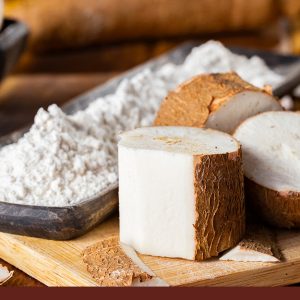
Bobó de camarão is a creamy shrimp stew, and it’s all built on a pretty short list of ingredients that all pull their weight. Cassava is what forms the foundation – a starchy root vegetable that has been a staple across South America and West Africa for centuries. After it gets cooked and blended down, it turns into this velvety paste that gives the dish its signature body and weight.
The flavor base is built around the shrimp, coconut milk, garlic, onions, and tomatoes. Coconut milk earns its place in this recipe – it rounds out the sharper edges and brings a quiet sweetness that plays well against the savory ingredients. Dendê oil is the last big piece, a deep orange-red palm oil that gives the dish its bright color and an earthy flavor that you won’t find anywhere else.
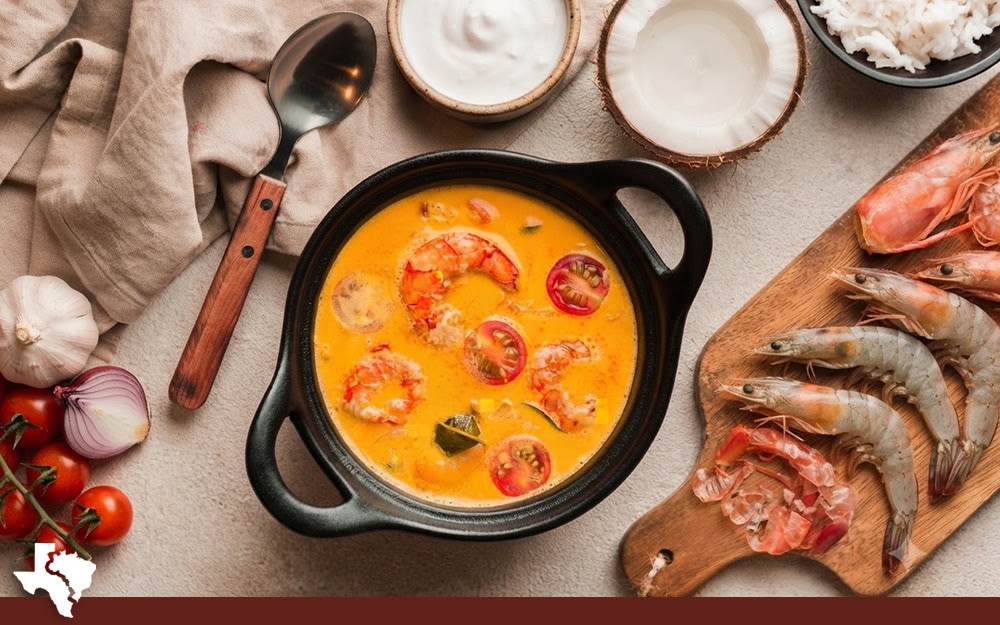
Dendê oil is one of the most essential ingredients in Afro-Brazilian cooking, and it earns that reputation. The color alone is hard to miss (a sunset-orange hue that runs through the entire dish), and the flavor is equally striking – slightly smoky and unlike most of the cooking oils that you’ve ever worked with. Cassava is worth a quick introduction as well if it’s new to your kitchen. Simply put, it’s a starchier root vegetable with a more neutral flavor, which makes it a natural fit for heavily spiced sauces and stews like this one.
Bobó de camarão works because every ingredient is actually earning its place. The cassava thickens and grounds the whole base of the dish. The coconut milk brings in a gentle warmth and just a little sweetness, and the dendê oil ties it all together with this unmistakable depth. None of these elements compete with each other – they each bring something, and the balance between them is what makes this stew feel so hearty and layered in every bite.
What Dendê Oil Brings to the Dish
Dendê oil isn’t only about flavor and color – it’s also a cultural cornerstone.
Dendê oil has two qualities that set it apart from just about every other cooking oil – its deep orange color and its nutty flavor. That deep orange hue in a great bowl of bobó is all dendê. It’s not a shy ingredient, and you’ll know it’s there.
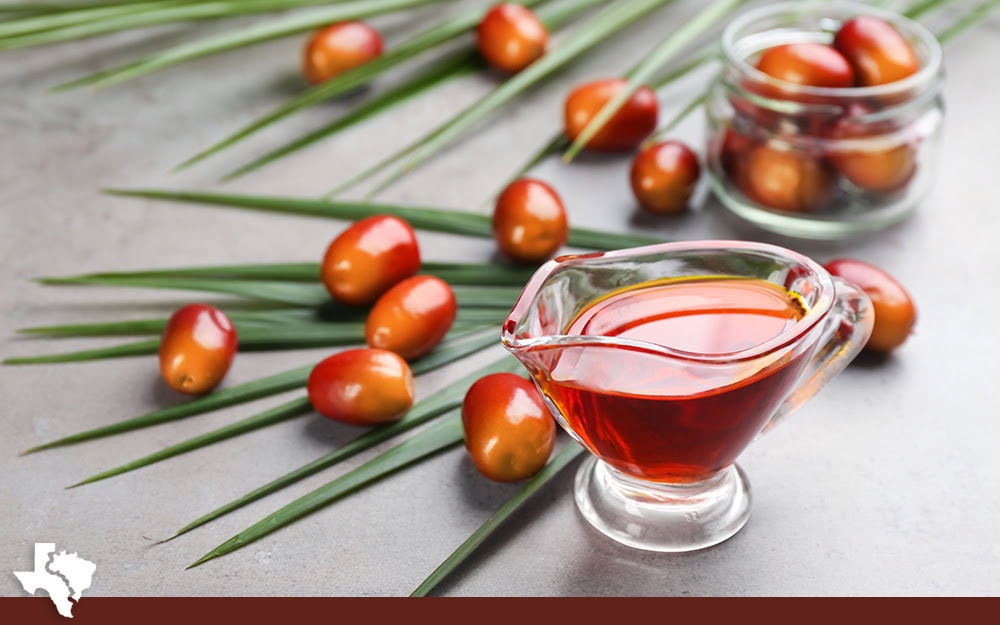
Coconut oil is a fine swap if dendê is hard to find in your area (and plenty of cooks go this way), and it leaves the dish smooth and creamy, which is great. But the flavor is a different matter. That earthy depth that dendê brings to the dish just doesn’t come through with coconut oil. For Brazilians (especially anyone from Bahia), a bowl of bobó without dendê is a different eating experience. It’s not wrong. Not the end of the world. Just different in a way that does matter to anyone who grew up eating the original.
Dendê oil is also pretty strong, and a little of it goes a long way. Add too much, and it will just drown out the shrimp and everything else in the pot. The whole point is for dendê to contribute something to the dish – not take it over. It’s present. But not dominant. That balance is what separates a great bobó from one that just tastes like oil.
Why Cassava Makes the Stew So Thick
Cassava is the other star of this dish – and if you’ve never cooked with it before, it’s worth knowing that it goes by a couple of different names at the store. Yuca and manioc are just cassava, so if you come across either one, that’s just what you’re looking for. It’s the same starchy root vegetable, just with a different name on the sign.
The base of this stew starts with the cassava – boiled until it’s soft and then blended into a smooth puree. That puree is what gives bobó de camarão its creamy body, and it’s nothing like a sauce that’s been thickened with flour or cream. The texture is fuller and denser than either. The closest comparison I can think of is a very loose mashed potato. The flavor is mild and slightly earthy, and that works in its favor – it doesn’t compete with anything else in the dish and just holds everything together.
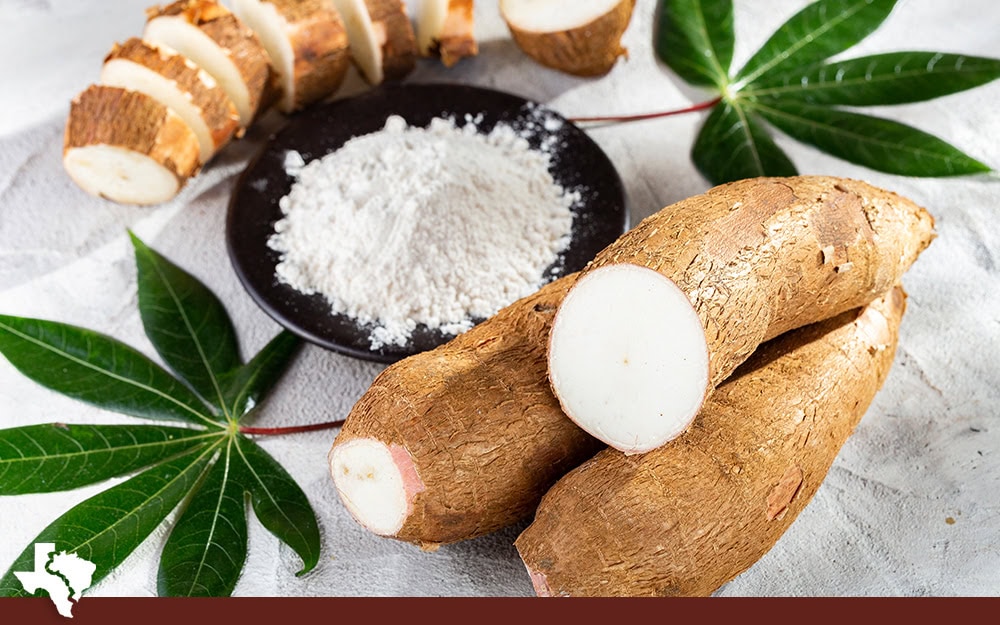
Cassava also has deep roots in Brazilian food, and that’s a big part of why it fits so well in a dish like this. It’s a staple across the country and shows up in everything from side dishes to breads to other stews – it’s practically everywhere you look in Brazilian food culture. Cooks have worked with it for generations – boil it and it turns smooth and dense and easy to blend into any dish. It’s as close to a perfect ingredient as you can get for a thick stew like this one.
As the stew simmers, the puree slowly works its way into the broth, and the two come together (by the time it’s ready to serve, there’s no separation and no distinct layers) into a single rich sauce that manages to feel full-bodied without ever feeling heavy. That balance is what makes this dish so satisfying to eat.
What a Bowl of Bobó Tastes Like
The finished dish is worth talking about before we move on. The cassava base gives it a creamy texture – hearty but not heavy. Beneath that richness, the root brings a natural sweetness that gently pushes back against the savory depth of the shrimp. Those two flavors play off of each other well.
The dendê oil is what really sets this dish apart. It adds a nutty warmth to the whole bowl – the kind of flavor that takes a beat to sink in – and once it does, it just doesn’t let go.
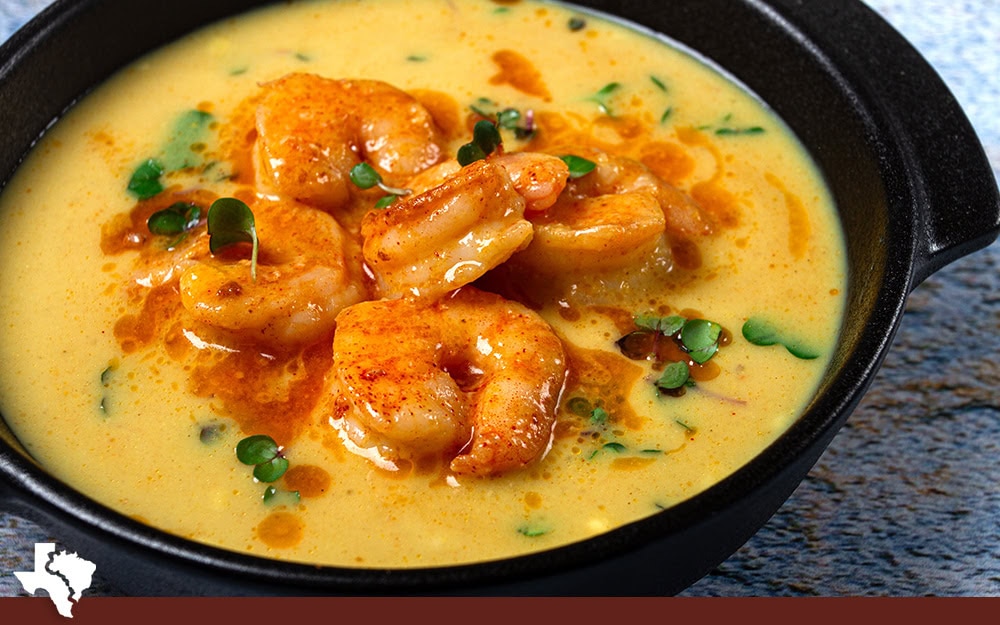
A seafood stew this full of character doesn’t fade into the background or play it safe. There’s a presence to it that sticks with you. A classic French bisque or a West African groundnut stew might ring a bell here – the creaminess, the way the flavors build on each other and that depth that pulls you back for another bite. But what cassava, coconut milk and dendê oil create together is something that doesn’t quite show up outside of Brazilian cuisine. It’s a combination unlike anything else out there – it’s a big part of what makes it worth your time.
The smell alone already tells you quite a bit about what you’re about to eat. Dendê oil has this almost smoky quality to it – you’ll catch it rising from the bowl well before your first bite. Add in the sweetness of the coconut milk and the briny scent of the shrimp – and the whole dish lands between the familiar and something all its own. It’s a combination that just works.
Most bowls of food fall pretty neatly into one category (sweet, savory or rich), and they almost never manage to straddle all three at the same time. Bobó does just that, and it’s probably my favorite part about it.
What Bobó de Camarão Is Served With
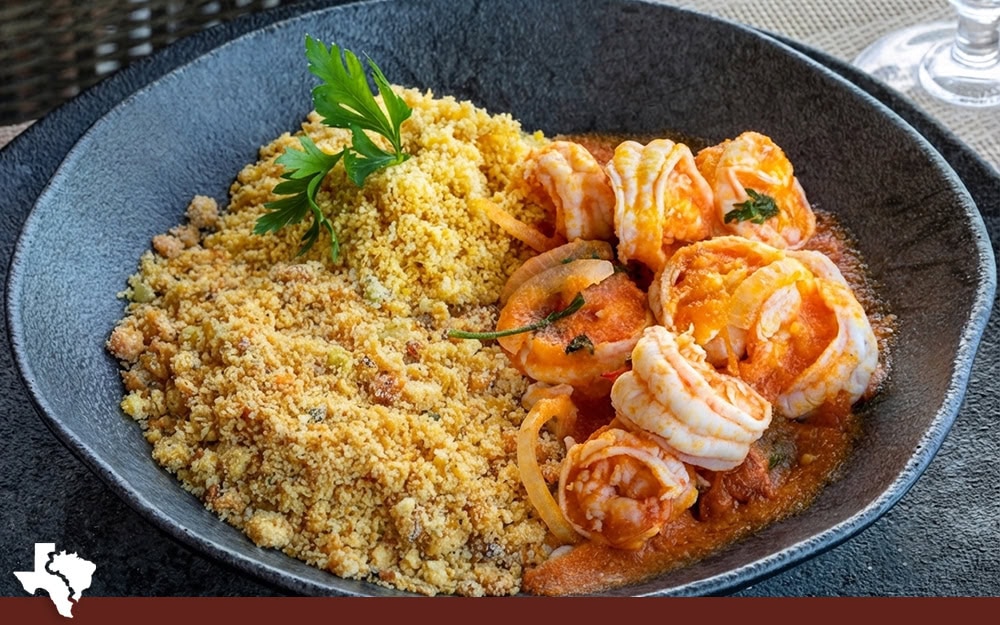
Bobó de camarão is usually served over white rice, and it makes sense – its rich orange-red sauce soaks right into it in the most satisfying way. A side of farofa is a popular addition as well. For anyone unfamiliar with farofa, it’s made from toasted cassava flour with a slightly nutty and crunchy texture, and it’s a great contrast to all that richness in the stew.
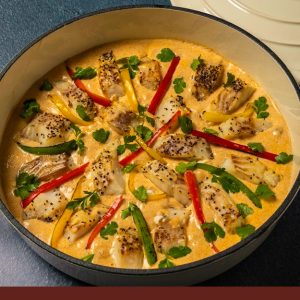
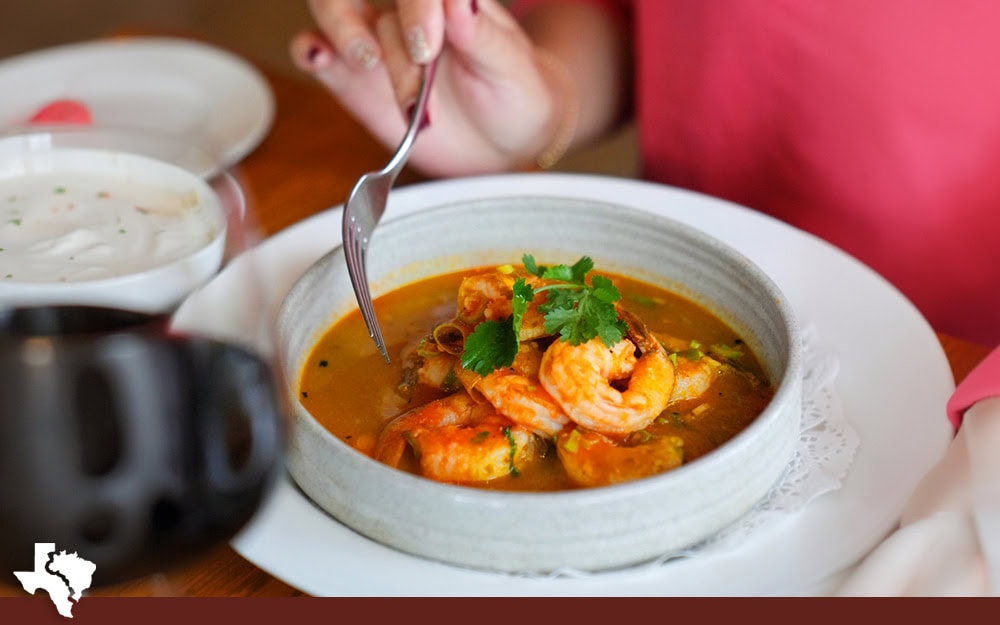
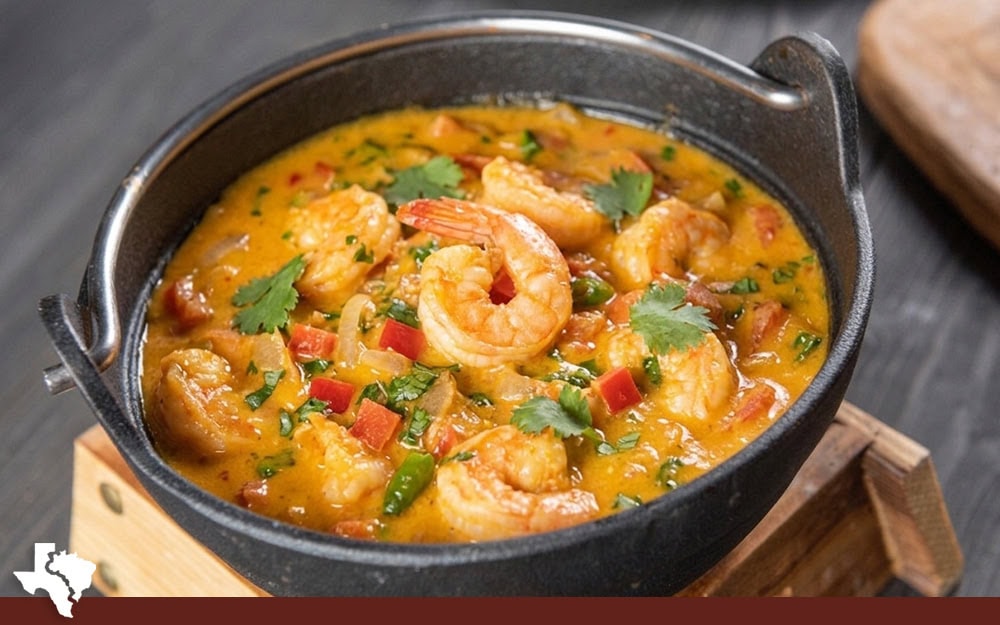
The presentation is warm and generous and does suit the spirit of the dish. Whether you’re at a restaurant or in a home kitchen, it tends to arrive in a deep bowl or a traditional clay pot, with fresh cilantro or parsley scattered on top.
It’s the meal that pulls everyone together around a table in Brazil – it has deep roots in Salvador, the capital of Bahia, and you’ll find it at local restaurants and little street-side places all over the city. Families bring it out for gatherings and celebrations too – it’s filling enough to feed a crowd, and it still manages to feel like a full meal even on an ordinary weekend.
What makes this dish so memorable on those kinds of occasions is how whole it feels from start to finish. The rice, the stew, the garnish – everything has its place, and it all comes together in a way that feels deliberate but never overdone or fussy. Your first time with it might be at a restaurant in Bahia, or maybe at a Brazilian friend’s dinner table. But in either case, the experience of actually eating it is as much a part of the dish as the ingredients themselves. The food and the time spent around it are almost impossible to pull apart.
How to Make It at Home
Bobó de Camarão is a dish that sticks with you long after the first time that you make it at home – even when it doesn’t come out quite right.
Dendê oil is the first ingredient to track down, and it’s worth a bit of planning ahead. It’s what gives this dish its rich color and an earthy flavor. A standard grocery store probably won’t carry it, so a trip to a Brazilian, African or Caribbean specialty shop is what you need. The extra effort is well worth it.
Once you have everything ready, the cassava is usually where it gets a little finicky. If it still feels grainy or a little stiff, add in a bit more of the cooking liquid and blend it again. A couple of extra minutes at this stage matter in how the finished dish turns out.
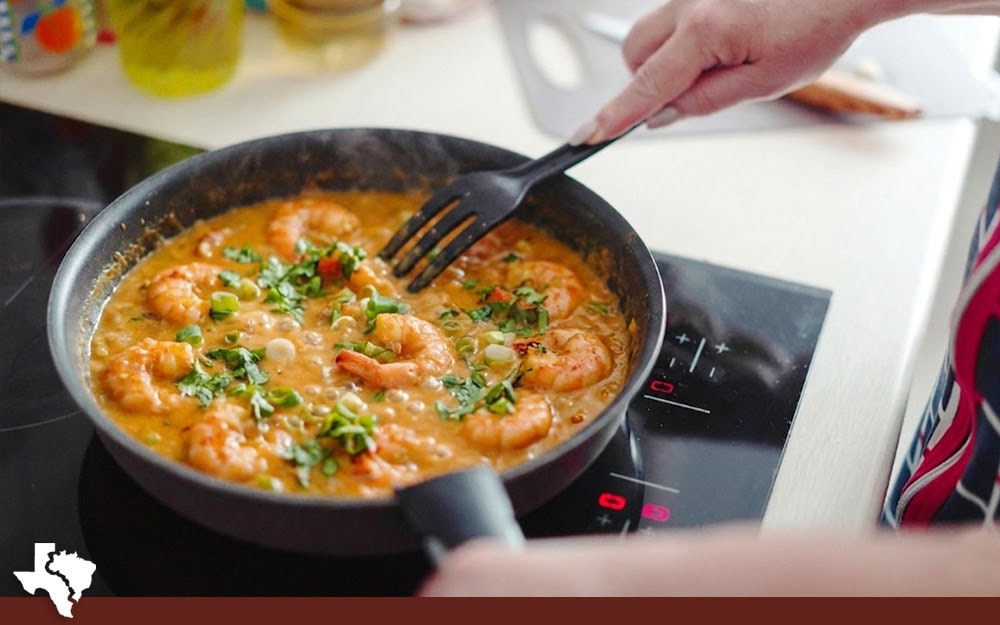
The shrimp are probably the trickiest part of the whole dish to get right. A minute or two past done, and they go rubbery fast, so keep a close eye on them. Add them at the very end and the second they turn pink and opaque, pull the pot off the heat. At that point, they’re ready, and every extra second in the pot will only work against you.
Every new recipe has a learning curve, and Bobó de Camarão is no different. The cassava might not come out as silky-smooth as you wanted on the first try, or the flavors might need a little adjustment to come together the way that you want. None of that changes how rewarding the whole process is, though.
Savor the Moment at Texas de Brazil
Whether you make it at home or find it on the menu at a Brazilian restaurant, a bowl of this carries meaning – and almost everyone feels that from the first bite.
If the home cooking section made you want to try this, don’t let the recipe hold you back. The first attempt almost never turns out perfectly – that’s all part of the process. It’s also fun to try something a little unfamiliar in the kitchen. Bobó de camarão is also a dish that gets a little better each time you make it, which gives you a pretty great excuse to come back to it again and again.
For the full Brazilian food and culture experience, come see us at Texas de Brazil. Our restaurants capture the warmth and generosity of Brazilian dining through fire-roasted meats that are carved tableside by our gauchos and a gourmet salad area full of chef-prepared dishes. When you’re ready to make a night of it, check us out at texasdebrazil.com to grab a reservation. While you’re there, you can also join our eClub for $20 off your next visit, pick up a gift card for anyone who deserves a great meal or visit our online Butcher Shop to order premium cuts delivered right to your door. A great meal shared with great company is always worth it, and we’d love to be at the table with you.