
Alcatra vs Picanha and Which Brazilian Cut Is Better?
Brazilian beef culture tends to make distinctions that diners outside the country just don’t see. Picanha and alcatra come from the rump of the cow, and on a menu they can look nearly identical – but they cook and taste quite differently once they’re on the grill. Plenty of customers outside Brazil either treat them as interchangeable or walk into a butcher shop without any actual idea of which one to ask for. Neither situation tends to end well – that means wasted money and a meal that didn’t quite deliver.
The mix-up goes a little deeper than just a naming issue. American butchers usually break the rump down into smaller portions long before it ever reaches the display case, and neither cut comes out of that process in one piece, the way it would in a Brazilian market. Picanha gets split apart or mislabeled, so plenty of shoppers leave the store with something different from what they came in for. Alcatra has its own identity problem on this side of the world – it gets used as a generic catch-all label for top sirloin, which doesn’t do it any favors.
What separates a backyard cook who pulls off a legitimate churrasco from one who ends up with a tough cut that no one wanted seconds of is nearly always the sourcing. From what I’ve seen, most cooks have no idea how much better well-sourced picanha actually is compared to whatever their local grocery store has been passing off as the real deal – and once you’ve had a taste of the difference, it can be pretty hard to go back. The upside is that each cut can be excellent when sourced and prepared correctly, and the payoff for doing a little homework is well worth it.
Each one of these cuts is worth learning about on its own merits – don’t lump them together and don’t confuse them with something cheaper. Get the sourcing right, and the rest will take care of itself.
Let’s get started on these two classic Brazilian cuts so you’ll find your perfect match!
Table of Contents
Where the Two Cuts Come From
Before we get into how these two cuts taste and cook, it’s worth a quick look at where each one actually comes from on the cow, because where a cut sits on the animal does tell you quite a bit.
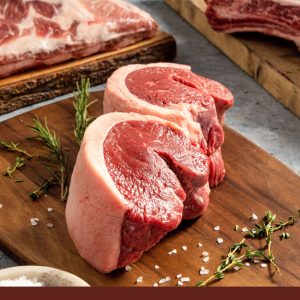
Picanha is a compact muscle known as the rump cap. Alcatra is a much bigger section that covers most of the rump below it, and it’s less uniform in shape. A Brazilian butcher will cut the Picanha out as one clean piece – it’s a single muscle that has its own natural edges. Alcatra is more of a general term that can refer to a few different muscles spread across a wider portion of the rump. That wider definition is part of why the two cuts can look so different at the butcher counter – even when they come from the same animal.
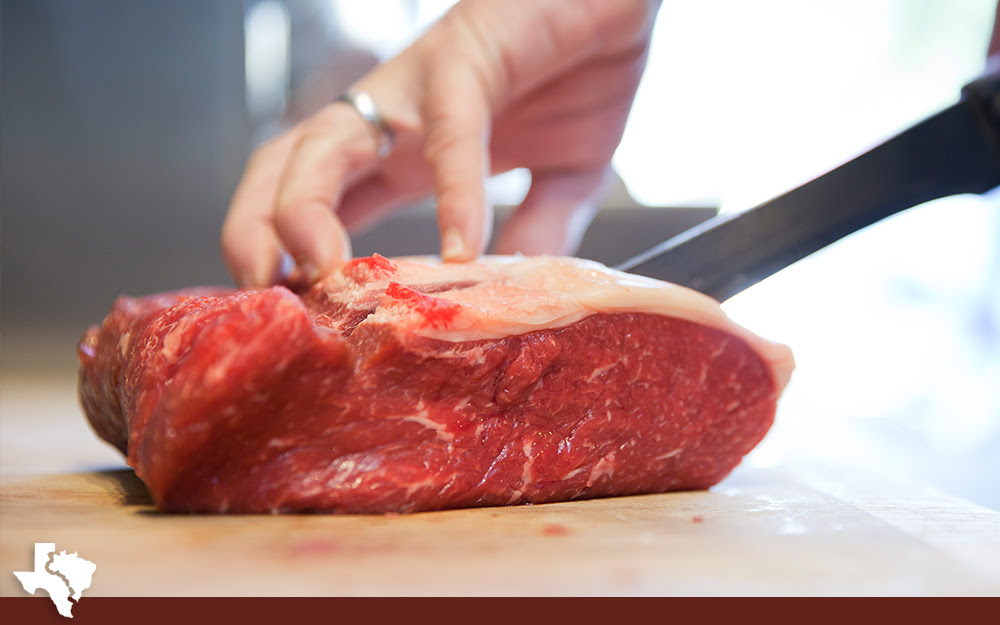
Before we get into any comparison, it’s probably the main point to nail down first – these are two separate parts of the cow that just sit right next to each other (not the same cut prepared two different ways). It’s a mix-up I see come up way too much.
These two cuts carry separate identities in Brazil – each one has its own name, its own preparation style and its own respected place in the butchery tradition. A Brazilian butcher would never lump Picanha and Alcatra together when processing a carcass – each one stands on its own and serves its own role on the plate. That distinction shapes everything from how the meat is trimmed to how it ends up on the grill.
The Fat Cap That Does All the Work
What sets Picanha apart from other cuts is its fat cap – a thick layer of fat that usually runs about one to two centimeters deep. As the meat cooks, that fat slowly renders and continuously bastes everything beneath it. That process is where Picanha’s rich flavor comes from, and it’s a big reason why Brazilian steakhouses all over the world have made it one of their most celebrated cuts.
From a pure flavor standpoint, the fat does the work. No marinade, no basting brush, no extra steps at all. The fat cap takes care of that on its own, and what you get is a depth of flavor that’s hard to come by any other way.
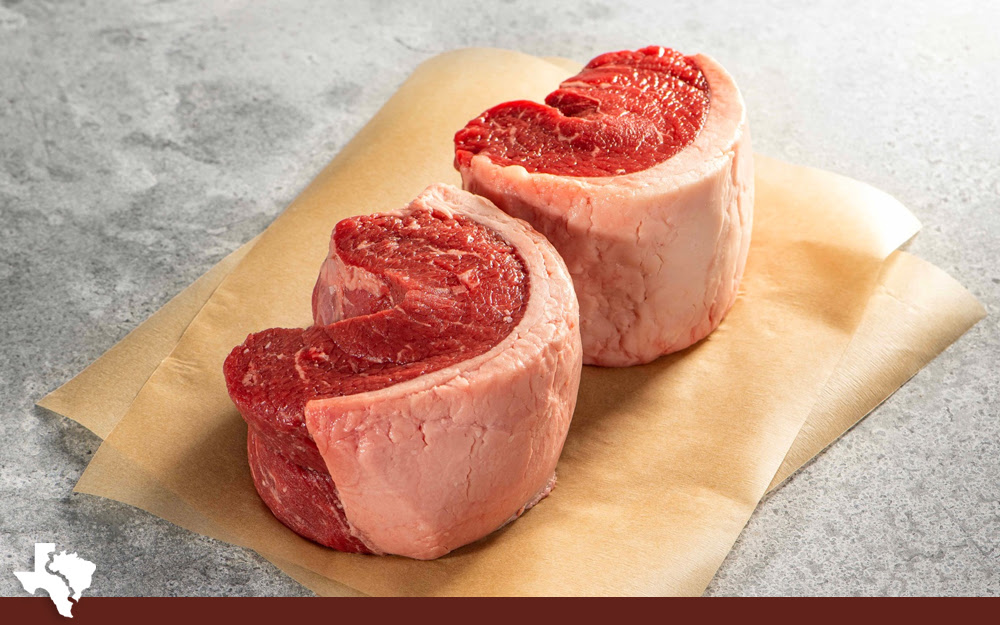
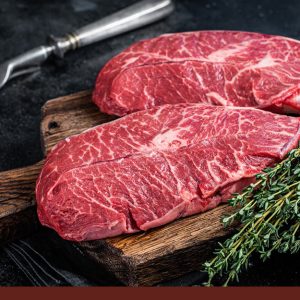
Alcatra is a much leaner cut, and the difference between the two starts to matter when you actually have to choose one. Without a fat cap, Alcatra doesn’t have that same self-basting quality during the cooking – the fat just isn’t there for it. Alcatra is a great cut with plenty going for it, but it’s worth keeping that in mind when you choose.
You’ve probably scrolled past a video of Picanha on a skewer with that caramelized fat cap over the fire and wondered why it looks that great. The fat cap is the reason. As it cooks, the fat renders directly down into the meat and gives you a built-in flavor baste that no amount of seasoning can replicate on a leaner cut. Alcatra holds its own on the grill, too. That particular quality, though (the slow render, the self-baste, the depth of richness that it builds), is something that belongs to Picanha alone.
The Taste and Feel of Each Cut
When the fat cap on a Picanha starts to render, it melts into a thick and almost buttery liquid that bastes the meat from the outside in – and the flavor carries through every bite. Big and deep from the first cut, it’s a meal that stays with you long after the plate has been cleared.
Alcatra is a very different experience. Without that thick surrounding fat, the beef flavor gets to come through in a much more direct way – with nothing competing with it and nothing masking it. It’s a lean chew that tastes just the way beef is supposed to taste. A lot of diners go for this meat-forward flavor when what they’re after is the taste of the beef itself over the fat.
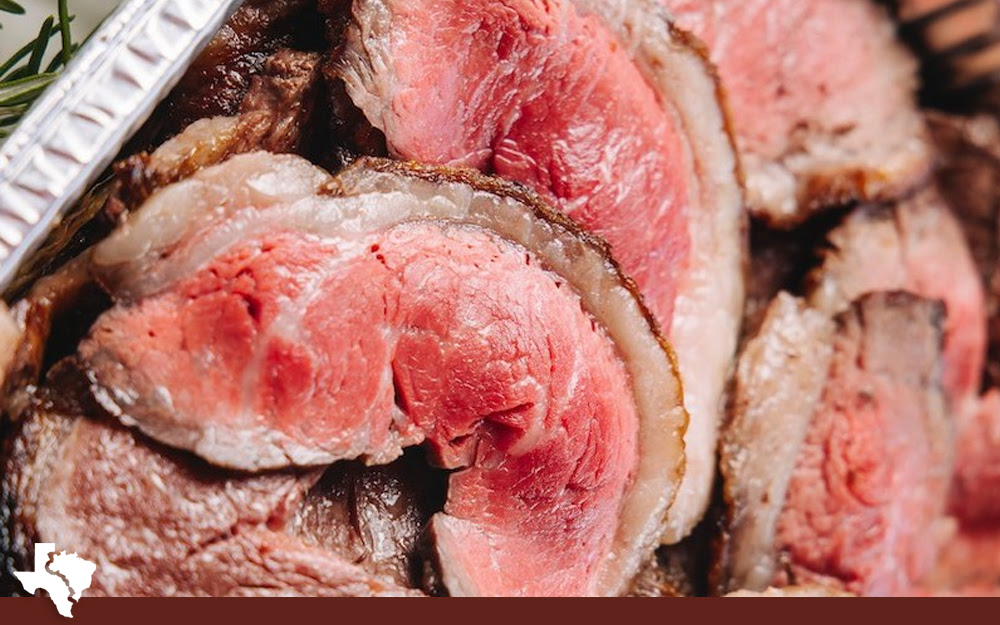
Which one actually wins at the table mostly just depends on what you’re in the mood for. Picanha will deliver beautifully when you want a thick and juicy bite where the fat matters. Alcatra pulls back on that richness and just lets the beef flavor take center stage – it’s more focused and grounded and very satisfying in its own right.
It’s also worth being honest with yourself about how your palate holds up over the course of a full meal. A heavy and very flavorful bite can be incredible at first – but that same intensity has a way of becoming a bit much by the time you’re halfway through. Alcatra is the leaner of the two, and it stays comfortable and very satisfying from the first bite to the very last. In my experience, it’s the cut that you underestimate going in.
Neither one is objectively better than the other – they work differently, and the right pick just depends on what type of eater you are.
The Best Way to Cook Each Cut
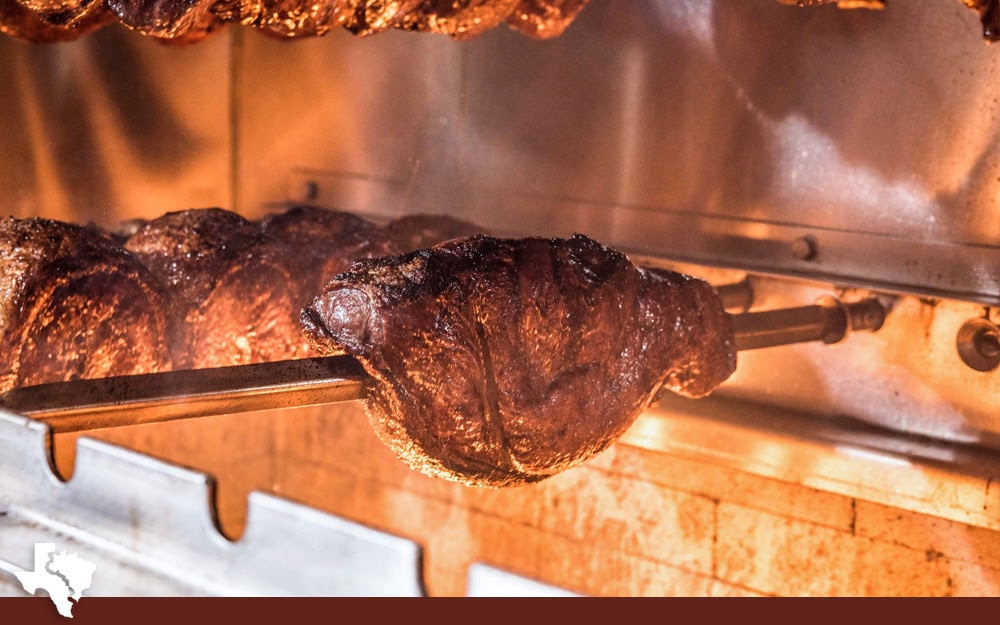
Picanha only belongs over an open flame. The fat cap has to have direct heat to render down the way it needs to – and as it melts, it just bastes the meat the whole way through the cook. On a churrasco skewer, that all just takes care of itself, and the end result is hard to beat.
Alcatra is a different story altogether. Whether you want a slow braise, to throw it on a hot grill or to just use a standard oven, this cut does it all just fine. That flexibility makes it a great option for home cooks who want to use whatever setup they’ve already got. Not everybody has a fire pit or a rotisserie at home, and with alcatra, you don’t need one – it delivers no matter how you cook it.
With a setup as high-end as cooking over an open flame, picanha is a cut that will pay you back for it – very few cuts do it that well. For everything else (a braise, a roast or just a gas grill out back), alcatra is the cut that will work with you – not against you.
The way that you cook carries just as much weight as the cut itself – something that tends to get missed more than it should. Picanha cooked the wrong way loses most of what makes it worth it. Alcatra works with just about whatever you put it through, and both cuts have their own set of needs. Once you get a feel for what those are, the path to great results from either one gets quite a bit less tough. None of that’s a knock on picanha – it’s a great cut that just needs the right conditions to actually show what it’s capable of.
How Picanha Became a Global Favorite
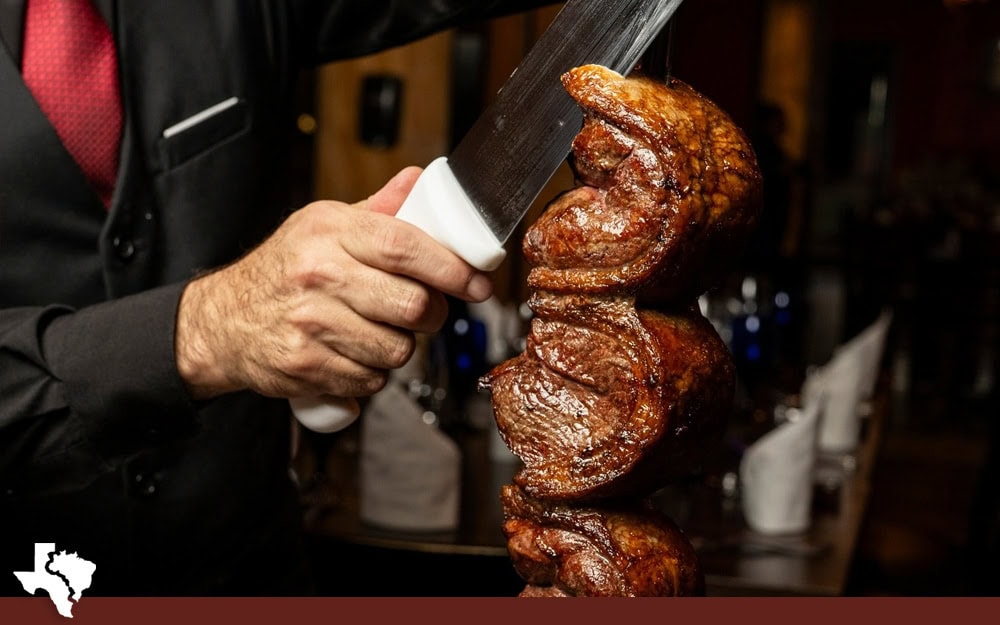
Picanha knows how to command attention. At churrascarias all over the world, it comes to the table on a skewer and gets carved right in front of you in dramatic slices – and the whole presentation has done a lot for its reputation.
The fat cap plays a large part in this. That thick layer of fat that sits right on top of the roast is a big part of what makes picanha look so dramatic before it even gets near a grill. Once it renders down, there’s a depth and richness that’s pretty hard to replicate anywhere else. Churrascaria owners were sharp enough to put this cut front and center – and eventually, the rest of the world caught on.
Alcatra is a whole other story. Inside Brazil, it’s been a well-loved staple at family cookouts and backyard churrascos for a long time – the cut that nearly every local knows by name. Outside the country, it never quite built that same big theatrical following – that’s left it mostly off the radar. There’s no flaw in the cut whatsoever – it just carries a quieter reputation.
Price is a big part of what separates these two cuts. Picanha has gone up quite a bit in price as it’s built up a following around the world, and in most markets it now carries a noticeably higher price tag. Alcatra has a lower fat content and a less glamorous reputation, which holds its price a lot lower. For Brazilian families, the fact that it’s affordable is actually a big part of why they rely on it.
One cut rose to worldwide icon status through spectacle and premium presentation. The other earned its reputation much closer to home – built on nothing more than day-to-day reliability. Each one of these paths tells you a lot about what these cuts are about.
How to Find These Cuts Outside Brazil
These two cuts can be a bit hard to find at a normal grocery store. The labels in the meat case won’t always point you to the right cut, since picanha and alcatra don’t have a direct American equivalent – and in some cases, they might actually work against you.
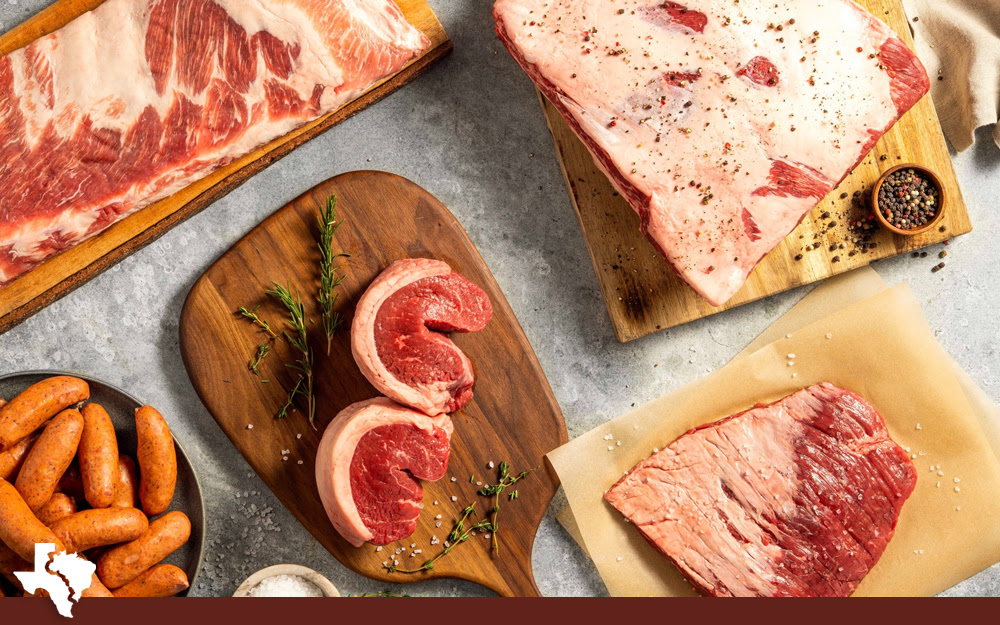
Picanha is by far the harder of the two to track down at your average butcher or grocery store (it occasionally shows up under names like rump cap or coulotte, which can point you in the right direction), but those labels don’t guarantee that you’ll leave with the right cut. What you want to check for is a thick, uncut fat cap on top. That fat cap is what defines picanha – and without it, what you’re looking at is a different cut altogether, whatever the label says.
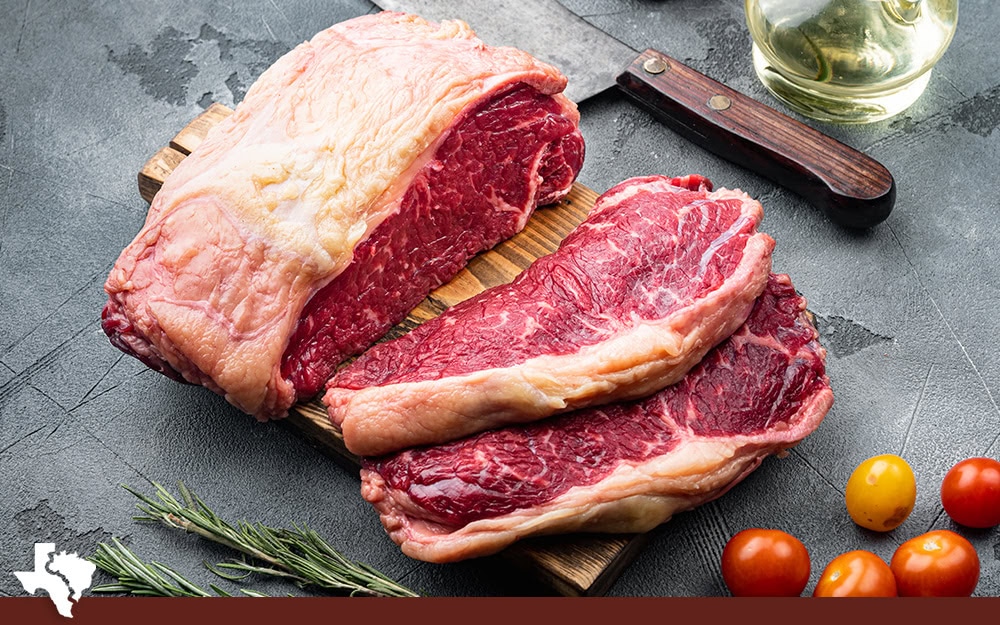
Alcatra is a bit easier to find, though it still takes some effort – it comes from the top sirloin area, and it’s sometimes sold as top sirloin or sirloin steak, which makes it harder to spot at a glance. The difference is that alcatra is usually cut into thicker portions, and it doesn’t have the same fat cap that picanha does. At a standard grocery store, look for top sirloin that’s been cut with some thickness to it – thin-cut versions won’t have the same result.
In both cases, your best option is to go to a Brazilian butcher if one is near you. A local butcher shop is usually your next best move if that’s not an option. You can describe what you’re looking for (specifically the fat cap for picanha or a thicker sirloin cut for alcatra) and they’ll usually be able to find it or point you toward something close. Some specialty grocery stores that carry international or Latin American products are also worth a look.
Which Cut is Right for You
Neither cut is a bad choice – it mostly depends on how you cook day to day. For weekend grilling, Picanha is hard to beat. That thick fat cap does most of the heavy lifting for you – as the meat cooks, the fat renders down and bastes it the whole way through, which gives you a deep flavor that’s hard to replicate with a leaner cut. And it’s just a flat-out great cut of meat to have on the grill – the centerpiece that tends to draw everyone in and make them want to stay nearby.
Alcatra holds a pretty different place in the kitchen – it’s leaner and a bit more forgiving to work with and pairs well with all kinds of cooking methods. On weeknights when you want something satisfying without much effort, it’s a great option.
The easiest way to choose between the two is to take an honest look at how you cook during the week. For most nights (nothing fancy, just a satisfying meal on the table), Alcatra is probably going to be your first choice. But if you’re cooking for a crowd or want that full Brazilian churrasco experience (a meal where the cut is the main event), Picanha is usually the one worth going with.
Before we wrap up, if Picanha is new to you and you want to give it a try, then a lazy weekend is probably the best time for it. It’s actually pretty forgiving, even if you haven’t worked with it much before.
Either cut will treat you well as long as you give it a little bit of care and attention – it depends on what meal you’re after (an easy weeknight dinner at home or a cookout with a group of friends).
Savor the Moment at Texas de Brazil
They’ve each earned a genuine place in Brazilian food culture for good reasons, and once you get a feel for what makes each one click, it’s not hard to know which one to reach for. The simplest way to go about it is to look at the occasion first and let that guide the rest of your call.
You don’t have to lock yourself into just one. A big part of the fun with these cuts actually shows up when you try them in different settings, because your own preferences will change a lot based on what the occasion is. A laid-back weeknight dinner and a full Saturday cookout are two pretty distinct events, and each one does call for something a little different – and there’s a cut that’s made for each.
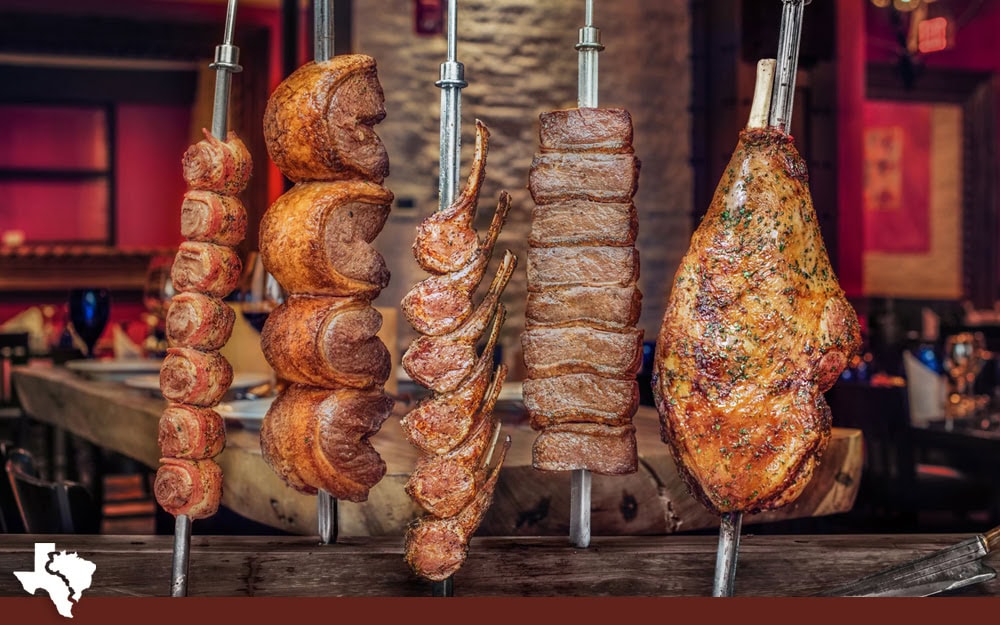
For anyone who wants to experience these cuts the way they were meant to be enjoyed, Texas de Brazil is the right place for it. Our gauchos carve tableside portions of picanha, lamb chops, filet mignon and a few other cuts. A 50-item gourmet salad bar rounds out the meal with chef-prepared sides. A membership to the Texas de Brazil eClub comes with $20 off your next visit. Gift cards make for a great option for anyone on your list who appreciates a quality meal. Premium cuts are also available to order directly from our Butcher Shop for a great night at home.
A reservation is all it takes – go and see what the conversation is about!