
What Is Parmesan Pork Loin? The Most Underrated Rodízio Cut
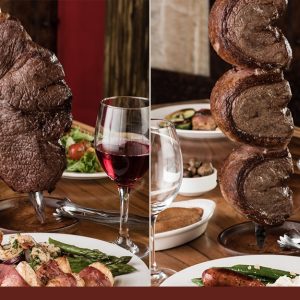
At a rodízio, the servers work the dining room in a steady rhythm – skewers up on their shoulder, tongs at the ready, and they carve right at your table in one clean motion. Beef tends to dominate the early rounds (picanha, alcatra, fraldinha), and by the time the pork cuts finally make their way around, most guests have already done a fair amount of damage to their plates.
This pattern comes up almost every time, and it’s worth a mention. Picanha already has a reputation that precedes it. Beef tends to feel like the main headliner and the pork gets written off as a gap-filler between the flashier rounds, so by the time a server comes around with something a little bit outside the norm, most plates are already loaded, and most appetites are already wearing thin. Plenty of cuts never get a fair shot – just because of where they land in the rotation.
Parmesan pork loin is probably the biggest casualty of poor timing at the table. It’s a cut that almost never gets the attention it deserves, and most guests who do try it walk away wishing they had saved more room for it. What sets it apart from the rest of the skewer lineup is the preparation – the loin gets coated in a thick parmesan crust before it ever hits the heat, which leaves it with a savory outer layer that plays well against the tender meat on the inside and carries a greatness that none of the beef cuts can quite match. If your plate has any room left when that server comes around, it’s well worth holding out for.
Let’s get into why this very underrated cut deserves room on your rodízio plate!
Table of Contents
What the Parmesan Pork Loin Really Is
Parmesan pork loin is what you would expect – a whole pork loin coated in a layer of grated Parmesan before it ever hits the spit. The crust gets blended with fresh herbs like rosemary or parsley and usually a bit of garlic as well, which gives the outside a deep savory finish once the heat gets to work on it.
When it makes its way around the dining room on a skewer, it’s pretty normal to stop and look twice at what’s passing by. The cheese crust gives it a very different look from the other cuts in the room.
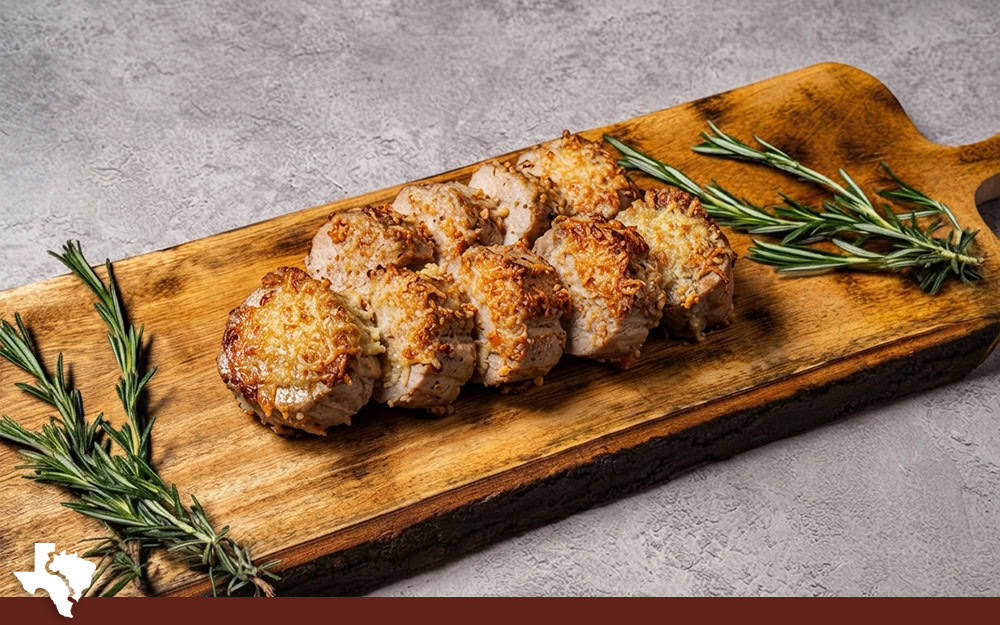
Aside from all that, the preparation process is no different from any other cut on the rodízio rotation. The loin spins slowly over the heat until the inside gets nice and tender and the outside has built up a firm and flavorful crust. From there, a server carries it right to your table and carves it tableside – the same way they serve picanha, the chicken thighs or anything else coming off the skewer.
What sets it apart from the rest of the menu is the combination of lean pork with that cheesy and herb-forward crust. Most other cuts at a rodízio are pretty stripped down to just salt or a light dry rub – and the Parmesan exterior gives it a noticeably different personality. The preparation itself stays close to the others. But what actually comes to the table feels more layered and interesting than your average roasted cut. For anyone who has already made their way through the classics and wants something with a little more depth to it, it’s well worth a stop.
The Quiet Cut That Nobody Reaches For
Picanha is the cut that makes everything else on the menu feel like an afterthought.
That’s actually where the whole problem starts. A hungry guest sits down, the first few cuts come around, and (almost every time) the plate fills up much too quickly. By the time the pork loin finally makes it to the table, there’s no room left and very little appetite to work with. It’s not that anyone has anything against pork (most guests are happy enough to eat it) – they just never quite get around to it.
Human habit plays into this a lot – most guests reach for what’s familiar to them. Pork just doesn’t register the same way beef does for them. That mental gap alone is enough to drop it down the priority list – especially when the beef cuts are right there and moving faster.
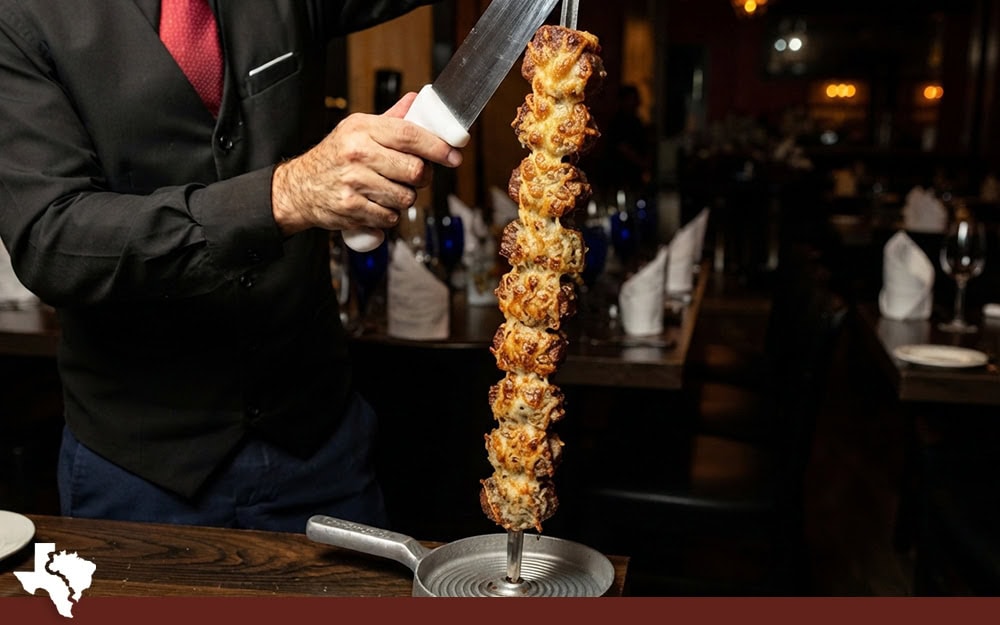
A first-time rodízio guest usually wants to get the most for their money. That means they default to cuts they already know and love. Parmesan-crusted pork loin just doesn’t have that same pull – the name doesn’t help it much on its own. Put it next to a beef rib or a slow-roasted lamb, and it’s going to read as the modest option on the plate. Modest is a tough sell when the plate’s already three-quarters full.
The wait staff at Brazilian steakhouses will tell you that the pork cuts come back to the kitchen far more untouched than beef does. That has more to do with how guests build their plates than with the quality of the meat. The Parmesan pork loin is, in my experience, one of the most passed-over items on any churrascaria menu (it’s a genuine shame). It comes around again and again, quiet and patient, and all it needs is for somebody to give it a fair shot.
And once they do, it tends to change everything.
The Parmesan Crust That Keeps Pork Loin Juicy
Pork loin is one of the leanest cuts that you can put on a rotisserie, which is both a benefit and a drawback. Fat is what gives the meat a buffer against heat, and pork loin doesn’t have it – so the window between cooked just right and dry, tough and disappointing is a pretty narrow one.
The Parmesan crust is what actually makes this work. As the loin spins over the heat, that layer of cheese holds in the moisture and gives the interior more time to stay tender before the surface has a chance to overcook. It’s a small detail. But it matters quite a bit for how everything turns out.
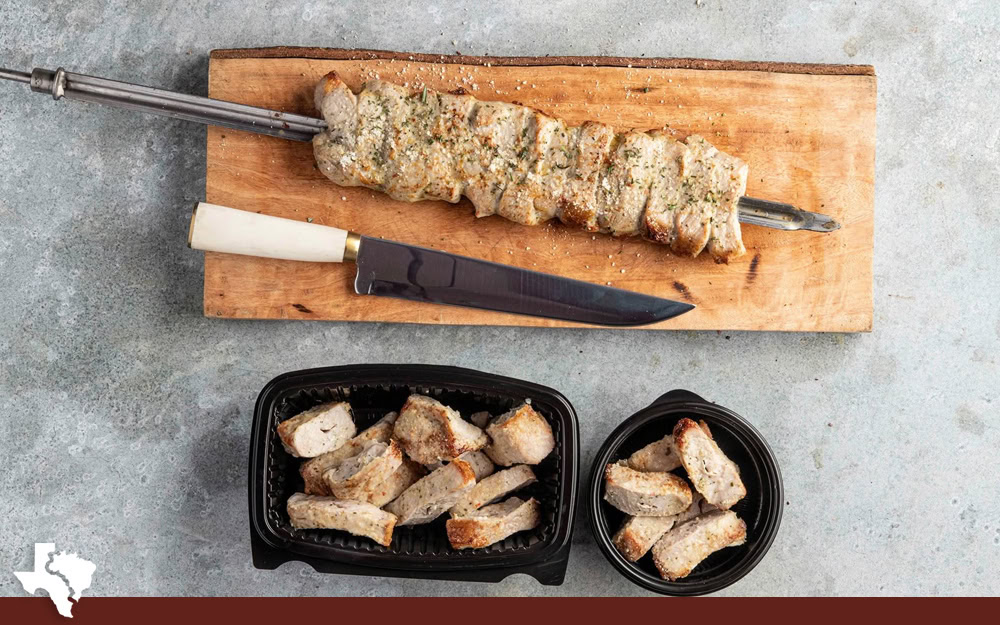
When lean pork overcooks, the texture goes tight and fibrous instead of staying soft and giving – and once it gets to that point, no amount of sauce or finishing glaze can save it. It’s the part that I always warn cooks about with lean cuts – the margin for error is a bit smaller than with fattier ones, and most cooks don’t pick up on that until they’ve already gone too far.
The crust brings a savory flavor and a crisp outer edge that pairs quite well with a juicy interior. Without it, pork loin would be a much harder cut to pull off on a rotisserie – where the heat is steady, and the margin for a great result is pretty slim. That crust gives the cut quite a bit more room for error, and when you serve an entire dining room, that forgiveness does matter. Consistency is everything in a rotisserie program, and this combination is one of the more reliable ways to set yourself up for a steady result, day after day.
No Two Kitchens Do This the Same Way
When you’re looking for this cut, there’s one point to keep in mind – it’s not a standard dish. No two Brazilian steakhouses make it quite the same way, and the variation is actually a big part of what makes it so interesting.
Where you go matters quite a bit with this one. Some kitchens go all in with a thick garlicky crust that’s loaded with herbs and aged cheese, and others keep it lighter and just let the pork stand on its own. A fair number of places won’t have it on the menu at all, so it’s worth a quick check before you make the trip out there specifically for it.
Recipes for this cut can vary pretty wildly from one restaurant to the next, and it comes down to two factors – where the kitchen draws its culinary influences from and how much room the chef has to put their own spin on it. A chef who trained in southern Brazil might approach this cut quite differently than one who learned the trade in São Paulo. Neither one is the wrong way to go about it – they’re just two different expressions of the same dish, each one shaped by a different culinary tradition and a different set of hands.
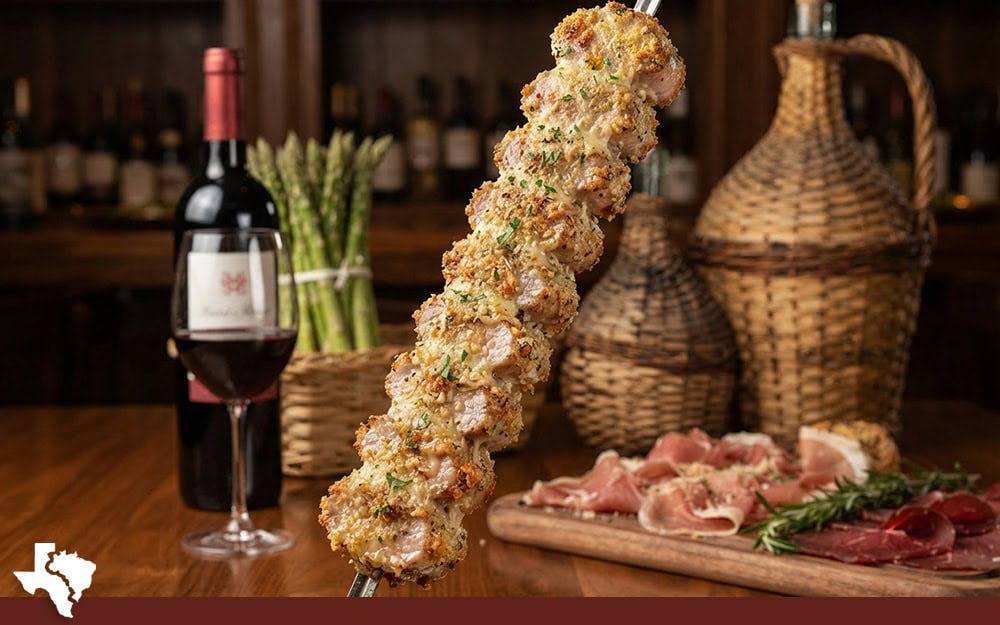
When you do find it on the menu, a quick word with your server when you order is well worth it. Ask them how the kitchen prepares the crust – whether it runs heavy or stays more on the mild side and whether the flavor leans savory or tips more toward that cheesier side. Most of the staff are happy to fill you in. The kitchens that do this well are usually proud of it, and from what I’ve seen, the servers usually know what’s in it.
A little context from the start can make the whole experience better – a dish like this legitimately rewards your curiosity, and you’ll get so much more out of it if you already know what’s coming before the skewer even hits your table.
More Pork Cuts Worth a Try
The Parmesan pork loin tends to make you want to wave the passador back over for more – and at this point, you wouldn’t be the first.
Lombo is a great place to start. It’s the same cut, just without the Parmesan crust, so the flavor comes across cleaner and the meat just gets to stand on its own. The texture will feel very familiar, which makes it a natural next step if you want a better sense of what this cut actually tastes like by itself.
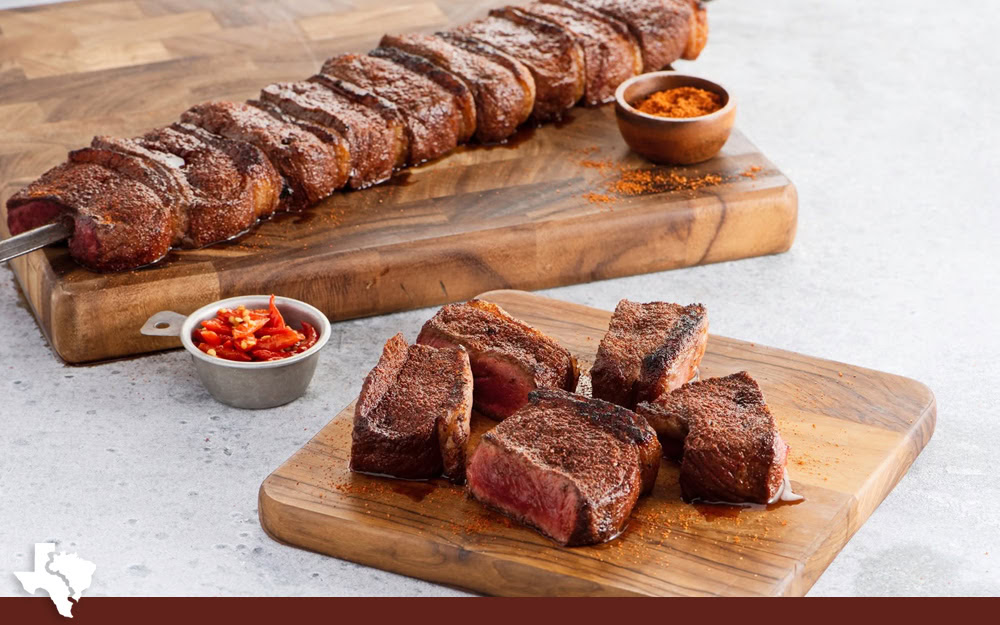
Costelinha, or pork ribs, go in a noticeably different direction. The fat content is higher, and the meat sits much closer to the bone, which means each bite ends up heavier and a bit more intense. For anyone who wants something with a bit more depth and a pull-apart texture, that’s probably the stronger choice.
Linguiça is the Brazilian pork sausage that usually makes an appearance at a rodízio, and it’s a welcome addition to the pork lineup. The seasoning is noticeably bolder, and the texture is denser and more compact – it’s a pretty different experience compared to the loin cuts. At the heavily spiced end of the pork range, it’s got a personality that’s all its own. If the Parmesan pork loin felt a little too mild for you, linguiça is well worth a try.
The choice between them can just depend on what you’re after. The loin cuts are leaner and more delicate – it’s a fit if you want something a little lighter. The ribs and sausage bring more fat and kick to the plate. None of them are better than the others – each one just has its own place, and it can depend on what you feel like.
How to Ask for the Cut You Want
Most first-timers at a rodízio aren’t quite ready for how fast everything moves. The servers are always on the go, the cuts rotate in and out, and in one lost second, a full lap can pass before you even see that you missed something that you wanted.
The Parmesan pork loin is a perfect example of this. It comes around later in the rotation (not in the first wave), so the fix is a pretty easy one – take it a little slow in the first half of the meal and leave some room for it. It’s well worth the restraint.
To make sure a cut that you want ends up on your plate, flip your table card over to green and wave down a server directly – don’t sit back and wait for it to come around on its own. Ask for it by name – “Do you have the Parmesan pork loin?” Servers won’t always call out what’s on their platter as they pass by, so a direct question will get you a direct answer. From there, they’ll either bring it right over or tell you when it’ll be back around.
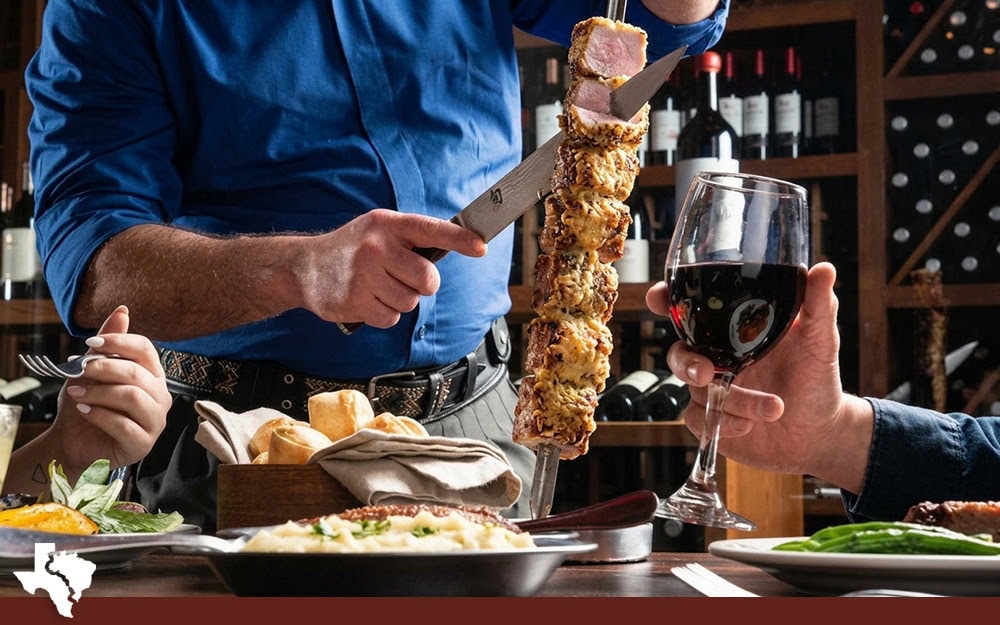
One more point to keep in mind is that not every cut makes its rounds through the dining room at the same rate, and the pork loin is one that can take a while to come back around depending on the night. If some time has passed and you still haven’t seen it, flag down a server and ask about it. Our staff are used to questions like that – it’s what they’re there for.
The whole point of rodízio is that you get to eat just what you want, and the best way to make that happen is to actually speak up and ask for it.
Savor the Moment at Texas de Brazil
A familiar restaurant can hide some of its best dishes in plain sight. Parmesan pork loin has been making the rounds at rodízio places for years, and most guests walk right past it without a second thought. A little bit of background on what that is, how it gets made and what to look for can make quite a difference the next time a skewer comes your way.
The best move that you can make at your next visit is also the easiest – just ask. A small question like that can make a much bigger difference.
A little restraint early in the meal is what makes moments like this even possible. The cuts that are worth discovering don’t always come out first, and sometimes the best cut on the skewer is the one that you nearly passed on.
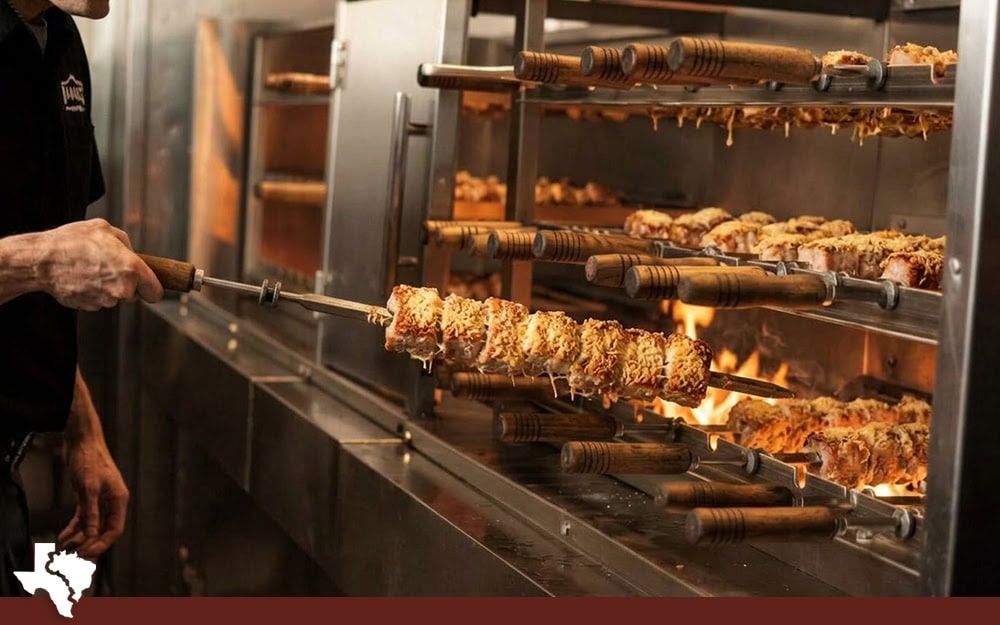
Texas de Brazil is the sort of place where we do the full rodízio experience right – where the pork loin actually makes its rounds, our gauchos carve right at your table and the whole meal is built around you. Between each cut, our 50-item gourmet salad area gives you plenty more to dig into, with everything from fresh produce to premium imported selections. When you’re ready to plan your visit, we’ve made it easy – join our eClub for $20 off, grab a gift card for anyone who deserves a great night out or order premium cuts straight from our Butcher Shop. Make your reservation now and finally give that pork loin its fair shot.