
Why Brazilian Steakhouses Wrap Filet and Chicken in Bacon
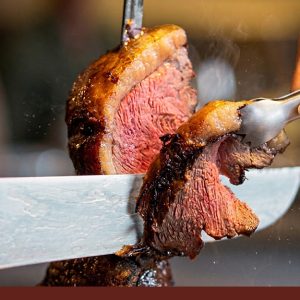
At a Brazilian steakhouse, what most guests first see on the rotisserie is a skewer of filet mignon or chicken breast wrapped in bacon – and the natural assumption is that it’s a pure flavor move. A little extra greatness, a little extra indulgence. Fair enough. Even so, it’s only half of what’s going on.
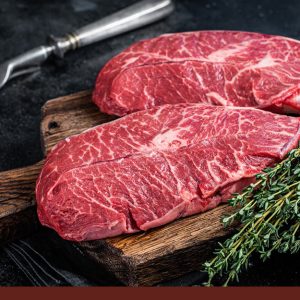
Churrasco runs hot, and it runs long. The meats rotate directly over open flames at high heat, and lean proteins have a very hard time holding up in those conditions. Filet mignon and chicken breast are two of the leanest cuts that you’ll find on any rotisserie, which means they’re at a disadvantage without something there to protect them from all that extended heat.
Bacon is the answer here, and it earns that title on a nuts-and-bolts level long before it earns it on a flavor level. As the skewer spins, the fat in the bacon slowly renders out and soaks right into the meat beneath it – which leaves everything moist and protects it from that dry outcome that can ruin an otherwise great meal. Without it, lean cuts are going to have a hard time making it through the full cooking process in any decent shape.
The gauchos of southern Brazil had this all figured out long before churrascarias became a worldwide dining destination. What started as a helpful fix for a genuine cooking challenge eventually turned into one of the most recognizable hallmarks of the Brazilian steakhouse – those bacon-wrapped skewers that grab your attention the second that they come off the rotisserie. And it caught on for a reason – it works!
Let’s get into the reasons behind this well-loved Brazilian steakhouse tradition!
Table of Contents
How the Churrasco Fire Really Works
Churrasco has been around for centuries, and its roots trace back to the gaucho cowboys of southern Brazil – men who cooked meat over open fires out on the wide open plains long before any restaurant ever put it on a menu. The whole process is pretty easy to follow – large cuts of meat get loaded onto long metal skewers and slowly rotated over an open flame for a long while. It’s a steady spin with deep and even heat from below and no pressure to pull it off before it’s ready.
That slow rotation is what makes churrasco so worth eating. The direct flame on the outside gives the meat a caramelized crust, and the inside stays warm and tender because the heat has had the time it needs to work through the whole cut. The gauchos took generations to figure this out, and the Brazilian steakhouses that you’ll walk into still follow that same time-tested process.
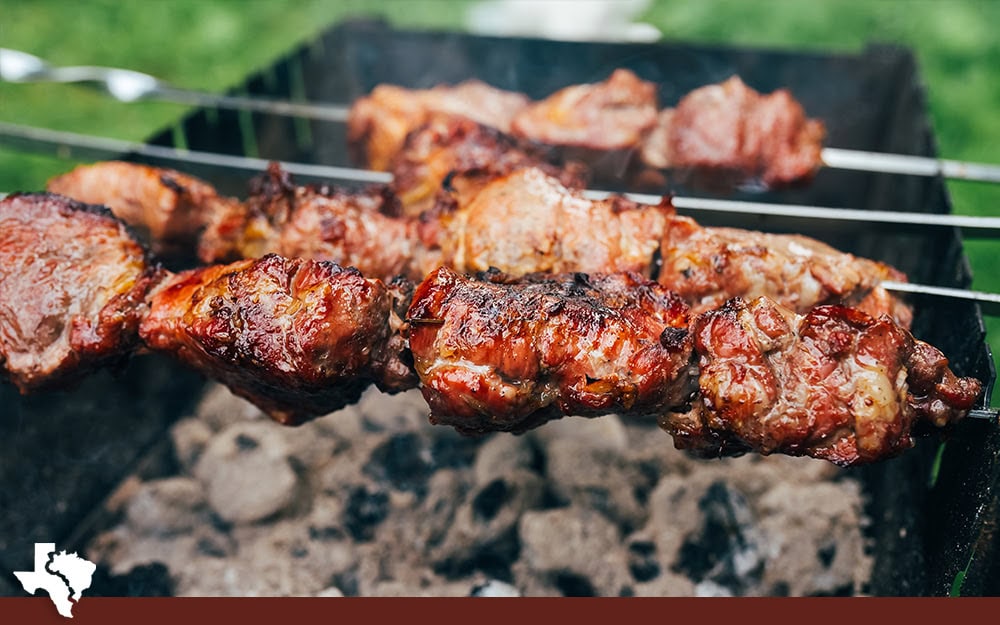
Lots of first-time visitors walk in and expect something closer to a backyard cookout – the high-heat grill situation that you might find on a Saturday afternoon. Churrasco doesn’t work that way at all. The meat takes a long time over the fire, and those skewers stay in rotation from start to finish. It’s a patient process, and patience is the whole idea behind it.
The non-stop heat is actually a real benefit for some cuts of meat – for others, it’s a bit of a problem. Fatty cuts have a sort of natural edge built right into them – the fat renders down little by little, and the meat stays moist through the whole cook. Leaner cuts don’t get that same luxury, and they’ll shed their moisture pretty fast when they’re under that relentless heat. That push and pull between the fire and how much fat a cut has is what makes the bacon question worth asking.
Bacon Fat Keeps the Filet Moist and Tender
Bacon does something that a quick brush of oil never could. Wrap it around a filet, and it puts a physical barrier between the meat and the open flame – one that does two jobs at once. On one side, it locks the moisture in. On the other, it holds the outer layer back so it doesn’t overcook before the center even has a chance to get there.
What makes it work is actually pretty obvious when you watch it happen. As the spit turns, the bacon heats up, and its fat starts to melt – and instead of dripping off into the fire, that fat runs straight down over the surface of the filet just beneath it. The meat gets coated with every rotation, over and over again. No bottle of oil or marinade in the world can replicate that steady baste.
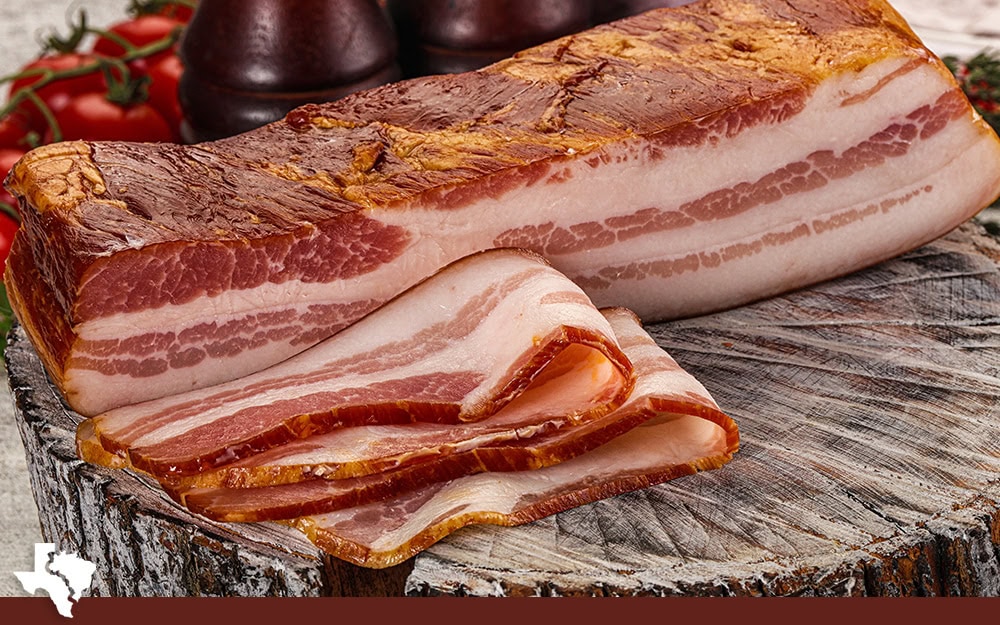
Oil just sits on the surface and burns off fast – it doesn’t replenish itself, and there’s no way to hold moisture in place the way a wrap of fatty bacon can. A quick brush before the heat is about all that you’re going to get out of it. Bacon continues to release fat and flavor all the way through the cook.
Texas de Brazil puts this to great use with our Filet Mignon Wrapped in Bacon, probably one of the most popular cuts that our gauchos bring around to the table. The bacon wrap acts as a barrier against the direct heat, and the rendered fat slowly bastes the filet from the outside in as it cooks. What you get is a filet that holds its tenderness at the center and still gets that beautiful char and crust that makes the rotisserie worth it at all. It’s a fairly easy technique when you look at it, and the payoff on the plate is very much worth it.
Why Chicken Breast Dries Out on the Grill
Chicken breast has even less natural fat than filet mignon – which alone makes it one of the harder cuts to keep moist on a long rotisserie run. Fat is what shields the meat from the heat, and without much to work with, the heat just pulls the moisture straight out. What ends up on your plate is dry chicken, which is about the worst possible outcome for something that had everything going for it.
Chicken is one of the more unforgiving cuts to work with on a churrasco grill. A filet mignon has a bit more fat to fall back on – what marbling it has just does its job, from the second it hits the fire to the second it comes off. A chicken breast doesn’t have that luxury. Every extra minute over the flame is a minute closer to something dry and tough, and the margin for error is extremely thin.
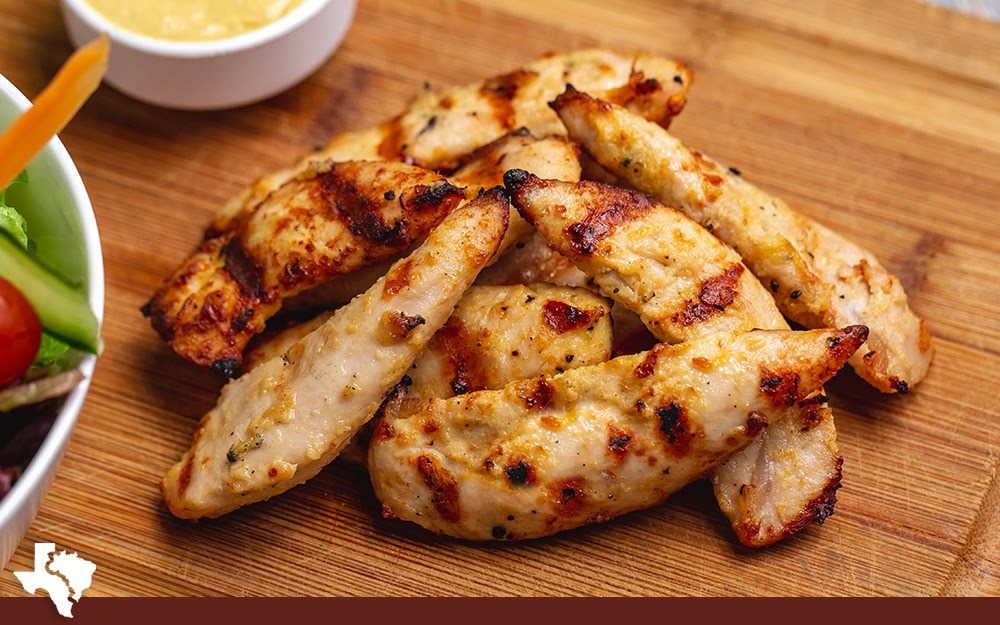
The bacon wrap is the answer to this exact problem. A tight layer of bacon around the chicken breast works like a protective seal – it slows the moisture loss and stops the meat from drying out long before it ever reaches your plate. Texas de Brazil puts this to work with our Chicken Breast Wrapped in Bacon, and it’s one of the more popular items on the menu, and it’s easy to see why. Plain chicken breast on its own can be a little flat and one-dimensional, and it’s a disappointment that diners have run into at some point.
A bacon wrap matters here. For starters, it gives the chicken something it just doesn’t have on its own – a reliable source of fat and a buffer against the heat. What that actually does to the flavor is a whole separate conversation that’s worth having.
Fat That Drives the Smoky Flavor Deep
As the fat melts away, it drives all that smoky, salty flavor straight into the meat around it and works its way from the outside in.
At a Brazilian steakhouse, the flavor balance across your plate is a bigger deal than it gets credit for. The other cuts on the menu are intense and loaded with flavor, so a milder protein like chicken or filet could use a little help to hold its own next to them. Bacon is that help – it’s a layer of richness and savory depth that makes those lighter cuts feel right at home on the same plate as a prime picanha or a well-marbled ribeye.
The smell alone deserves its own mention. When a gaucho carves a bacon-wrapped piece right at your table, that wave of smoke hits you in a way that’s just hard to put into words. It’s a small second that’s tied right into the churrasco experience, and it does make the whole meal feel like something.
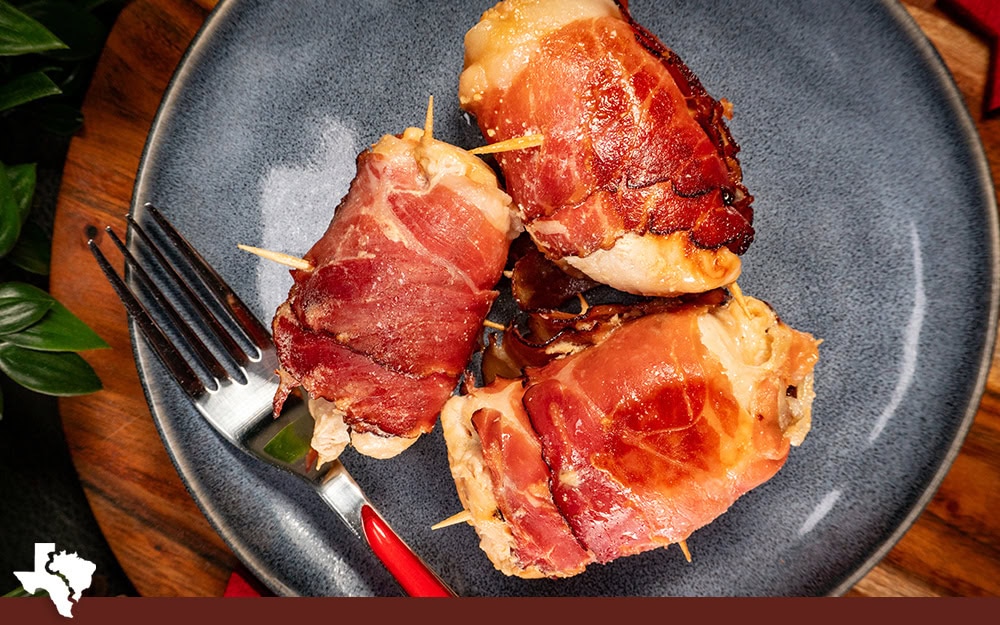
First-time visitors usually come in with a plan – they want the beef, and they’ve already decided on that before they sit down. In most cases, a bacon-wrapped chicken or filet turns out to be one of the best parts of the meal. A plain grilled chicken breast just doesn’t stand a chance against it – not because there’s anything wrong with grilled chicken. But because the bacon changes what the dish is. The fat, the salt and a little bit of smoke all layer together in a way that makes the whole dish feel satisfying on its own. No sauce needed.
The bacon wrap has been a churrasco staple for a long time, and it’s not hard to see why – it takes a plainer cut and gives it the richness and depth that earns it a rightful seat right alongside the best skewers at the table.
The Gaucho Story Behind the Bacon Wrap
The bacon wrap didn’t get its start in some upscale restaurant kitchen. Its roots actually trace back to the open fields of southern Brazil – gaucho cowboys out there would cook over open flames with whatever ingredients happened to be on hand.
Gauchos were cattle herders who spent long stretches away from home and out on the range, so an easy meal was just a matter of survival. Leaner cuts of meat can dry out fast over an open flame – a quick wrap of fat around the outside was an obvious fix to a problem that came up all the time. Bacon, or at least something pretty close to it, kept the meat moist and added just enough richness to turn a basic meal into something legitimately satisfying.
That resourcefulness is the whole point. What started out as a field technique born purely out of necessity eventually became one of the defining features of the churrascaria tradition. As Brazilian steakhouse culture grew and spread around the world, it carried that trick right along with it – not as some novelty or a gimmick. But as a genuine part of how the food was always meant to be prepared. The technique earned its place at the table, and it’s been there ever since.
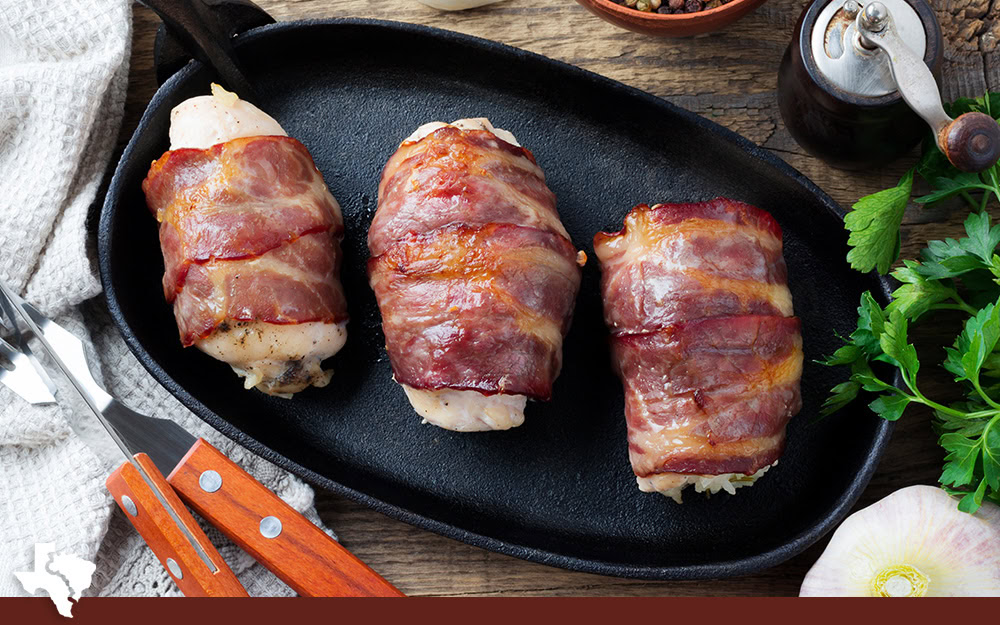
The dish on your plate has a story behind it – one rooted in a way of life where nothing went to waste and where technique meant that you made the most of whatever was on hand. Most diners never give that a second thought, which is a shame. In my experience, the backstory of a meal tends to change the way it hits you. Not because the dish itself is any different. But because that context gives it a layer that even the best seasoning just can’t.
Every bacon-wrapped cut carries a little bit of that gaucho ingenuity with it – the flavors are hard to beat, no question. But the tradition behind them is what gives it all its weight.
Two Cuts That Deserve a Second Look
If the server comes around with a bacon-wrapped filet, don’t pass on it. The bacon wraps tightly around the meat and forms a natural seal as it cooks – and those juices stay locked inside in a way that a leaner cut just can’t manage on its own. The smoky flavor is more of a background hint than anything else, quiet and complementary, and it doesn’t try to overpower the beef – it works with the meat instead of against it.
The bacon-wrapped chicken is worth more attention than it normally gets. Plain chicken over a long, slow cook like that tends to dry out pretty fast – it’s just what the meat does. The bacon wrap takes care of that problem, and what you get is a very tender slice with a depth of flavor that rarely shows up in a chicken dish at a steakhouse.
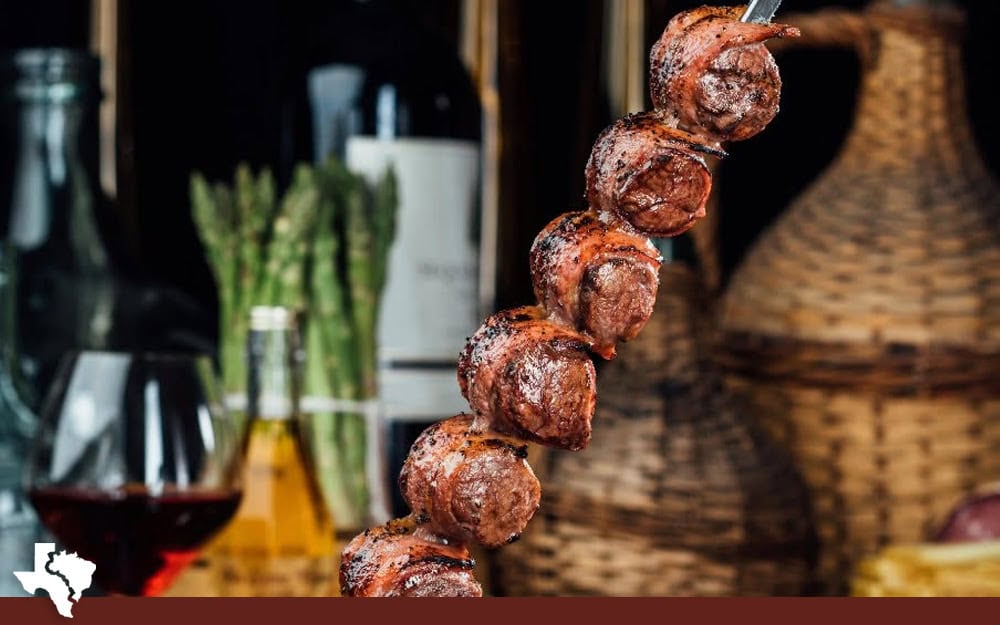
Grab a bite of the two next to a plain cut from earlier in the meal whenever you get the chance – the moisture difference alone will tell you quite a bit about why the strategy has stayed in the tradition this long.
A fair chunk of first-timers pass on either one during the early rounds – either because they’re pacing themselves or because the ribeye has stolen their focus – it’s a fair call. Most of them do come back for another pass before the meal winds down, though. The filet and the chicken are just the cuts that get lost in a lineup that’s full of big options. From what I’ve seen, they’re usually the ones that people are still talking about on the drive home.
Savor the Moment at Texas de Brazil
Most of us have eaten our way through a Brazilian steakhouse and never once asked why the meat looks the way it does. That look traces back to real cooking logic – the kind that had been worked out over open gaucho campfires long before anyone had a rotisserie. It’s got a job, and it’s had one for a very long time.
With that said, the bacon-wrapped filet and chicken are worth a look the next time a gaucho comes around with a skewer. Watch for the moisture in the filet, the tenderness all the way through the chicken, and that smoky edge that makes each cut taste like more than the sum of its parts. The bacon does pull everything together in a way that’s hard to picture until you’ve had a bite of each.
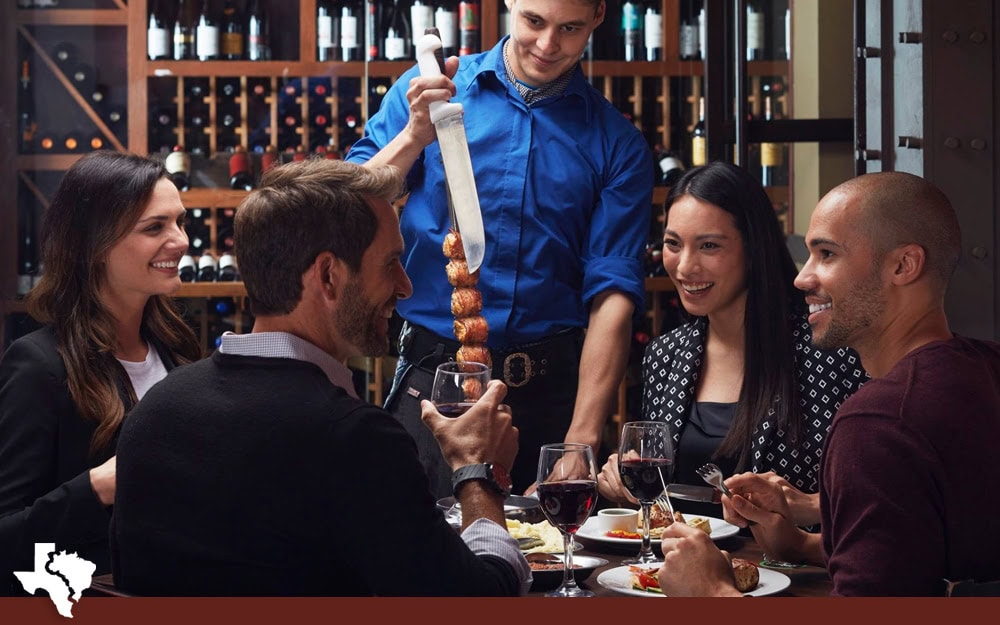
If your next meal hasn’t landed on the calendar yet, Texas de Brazil is a great place to put this into practice. The gauchos walk the room all night, and cuts like bacon-wrapped filet and chicken come directly to your table, with dozens of other options that rotate throughout the meal and a 50-60 item gourmet salad area to help fill out every plate. Reservations are available directly on the Texas de Brazil website. New eClub members get $20 off their first visit, gift cards make a great gift for anyone that you want to treat, and premium cuts can ship right to your door through the Texas de Brazil Butcher Shop. No matter how you make it happen, it’s a meal worth sitting down for.