
What Is Papaya Cream? Brazil’s Steakhouse Dessert
After a full Brazilian steakhouse dinner (plates of picanha, lamb chops, garlic beef, the whole spread), dessert is usually far from anyone’s mind. And yet servers still come around with small glasses of a pale orange cream that guests seem to finish in about five seconds. Maybe you’ve spotted “papaya cream” on a menu or heard raves about it at a churrascaria – the name alone probably left you with a few fair questions.
Papaya cream got its start in late-1980s Brazil, and by the 1990s it had turned into quite a hit at São Paulo restaurants. The recipe is pretty easy (ripe papaya, vanilla ice cream and a drizzle of cassis liqueur) and yet the result is somehow way better than three ingredients have any right to be – it comes out silky and almost mousse-like, with a warm pink-orange color that somehow looks like more effort went into it.
For anyone who has Googled it after seeing it on our Texas de Brazil menu or catching a look at another table, the curiosity makes total sense. Most Western dessert menus lean heavily on chocolate, pastry or caramel, so a fruit-forward option this light and refreshing is a welcome change of pace. It’s also a sensible one – after a meal built around protein-rich grilled meats, the papaya actually does its part. What’s interesting is how something easy ended up as this staple in Brazilian dining culture. The bite will feel a little different.
It’s what makes this creamy Brazilian steakhouse dessert so hard to put down.
Table of Contents
What a Papaya Cream Really Is
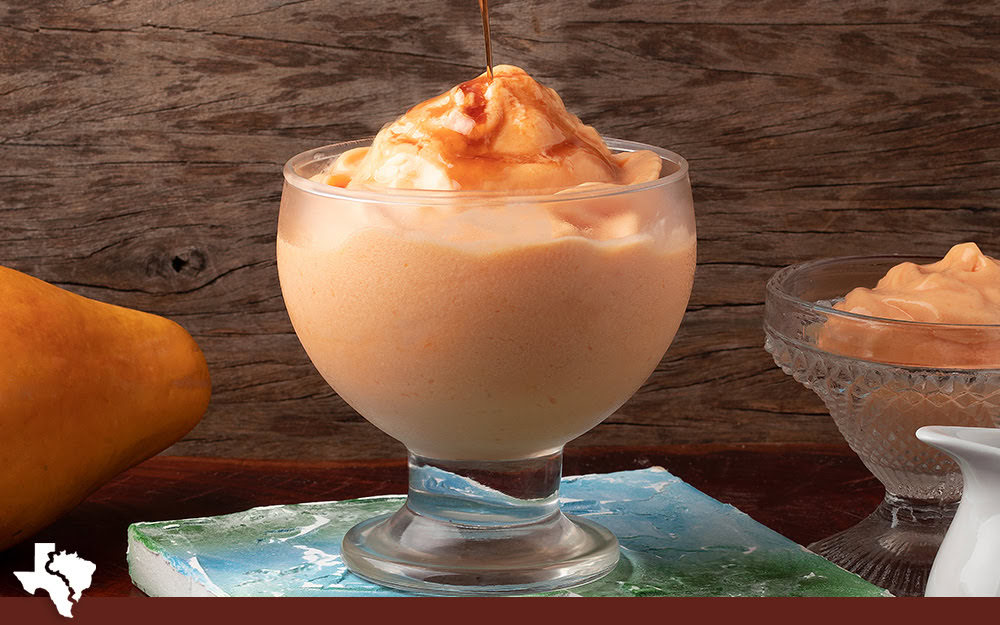
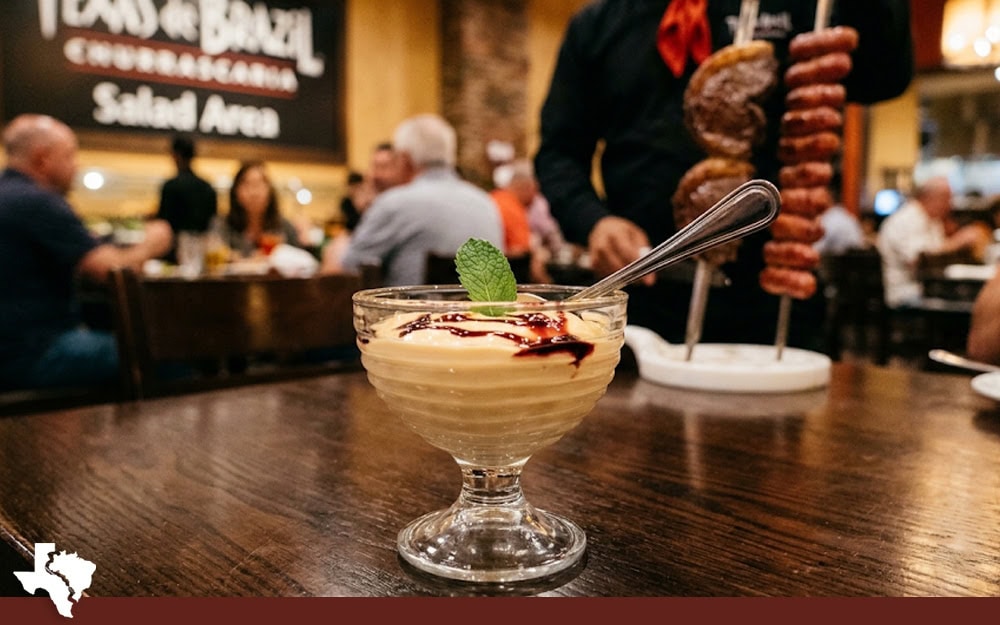
Papaya cream is a combination dessert made with ripe papaya and vanilla ice cream, and the two of them come together into something smooth – almost mousse-like in texture. A drizzle of cassis liqueur goes over the top to finish it off, and it’s just the right contrast to pull it all together.
The color alone is enough to make it look great on a table. That natural pink-orange shade comes straight from the papaya itself, and it gives the whole dessert a fresh look – with no extra garnish or added effort needed.
A Brazilian churrascaria is a full-on feast – grilled meats, side dishes and an endless parade of food circling the table, and by the end of it all, the last dish anyone wants is something heavy to finish on.
The papaya itself is a big part of why it all works. Its gentle sweetness and soft tropical flavor mean that it doesn’t try to compete with those smoky meats that came before it – and at that point in the meal, that’s just what you want. The vanilla ice cream takes the edge off of the papaya a bit more, and then the cassis liqueur rounds it all out with just a little tartness and a bit more depth.
Papaya cream doesn’t need a long ingredient list or a fussy recipe – that’s just what makes it worth trying. Three ingredients, a little technique and the end result is something that stays with you well after the plates have been cleared. A dessert that’s this bare-bones has no place to hide, which is probably why it matters to get it right.
A Short List That Does a Lot
Papaya cream only has three ingredients, and the short list is actually a big part of its appeal. Most three-ingredient desserts leave you wanting more – this one doesn’t.
Ripe papaya is the base of this recipe, and the ripeness matters quite a bit. A ripe papaya has a honeyed sweetness that a firm or underripe one just can’t replicate. The texture is a big deal too – once it’s ripe, it softens up beautifully and blends into something very smooth and creamy when it meets the next ingredient.
That next ingredient is vanilla ice cream – it’s the richness and cold creaminess that takes pureed papaya from a plain fruit snack to a dessert. Together, the two of them hit on this sweet, smooth and mild note – and the mildness is just a setup for what comes next.
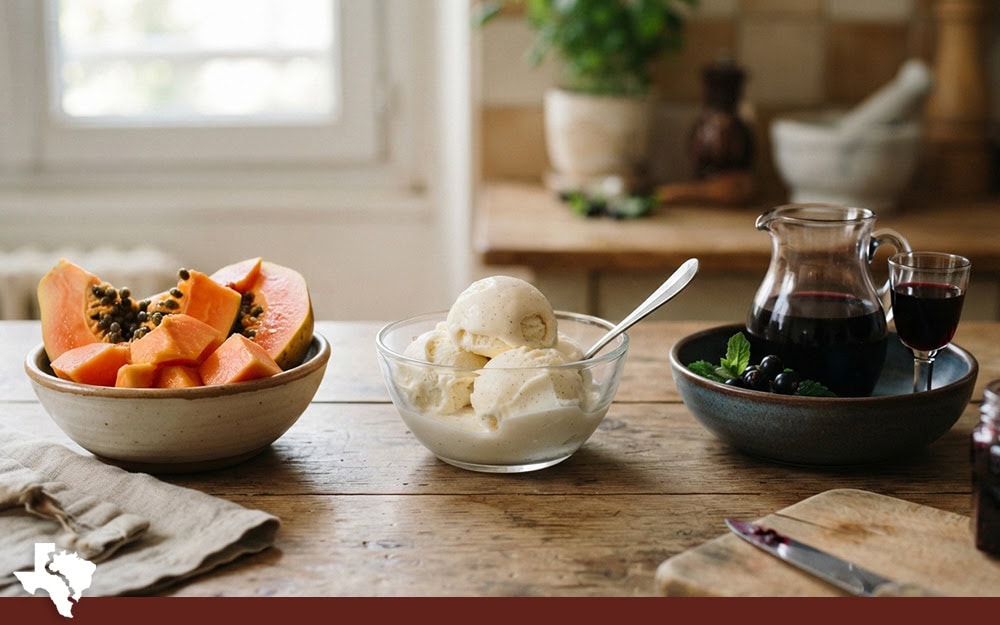
Cassis is a blackcurrant liqueur, and it goes on last – a drizzle right over the top just before serving. That deep purple against the bright orange of the papaya is pretty beautiful – it makes it all look almost too pretty to eat. The flavor is where it earns its place – sharp and tart, and it cuts right through all that sweetness underneath. The dish would still be fine without it, just a little flat. Cassis is what gives it character.
What draws me to this recipe is that every ingredient is doing its part. The papaya takes care of the fruit sweetness and gives everything that silky base. The ice cream brings body and richness – the creamy quality that rounds it all out. Then the cassis comes in with a pop of deep color and a slightly boozy edge that ties it all together. Three ingredients and yet the end result feels layered and well-thought-out.
The Sweet End to a Big Steakhouse Meal
Papaya cream has just about become the natural way to end a meal at a Brazilian churrascaria, and there’s a reason for that. These restaurants are built around plenty – round after round of grilled meats, carved tableside until you finally flip that little flag over and wave them off.
Papaya cream earns its place right here. It’s cold, smooth and just sweet enough to feel like a treat without being too much – and after a long meal full of smoky flavors, something light and refreshing is very welcome.

Chains like Fogo de Chão deserve plenty of credit – they brought this dessert to a much wider audience. As Brazilian steakhouses spread across the United States and into other countries, papaya cream came right along with them and became a fixture on the menu. For plenty of diners, it was their first run-in with the dish – and it tends to leave an impression that sticks.
A big part of why papaya cream works here can depend on timing – and the tradition behind it. This dessert became the natural end in Brazil to a meal that was always meant to be long and unhurried. A cool finish like this pulls the whole thing to a gentle close instead of an abrupt one. That rhythm (big, hearty and savory, then soft and sweet right at the very end) is what makes the full churrascaria experience feel like it came together the way it was supposed to.
Papaya cream is also just very hard to resist. Even those who normally pass on dessert altogether still make an exception for it, and this alone says quite a bit.
Why Papaya is Good for Your Digestion
Papaya has been a trusted natural digestive helper across all kinds of cultures for centuries, and it all traces back to a single enzyme called papain. It’s found right in the fruit itself, and its whole job is to help your body break down protein – which is why a papaya-based dessert at the end of a steakhouse dinner makes a whole lot of sense. After a meal that’s heavy in meat, your body has a whole lot of protein to work through and a little extra help along the way never hurts.
Papain is a well-researched ingredient and the science behind it holds up well. That said, papaya cream is a fruit-based dessert that just happens to carry some natural properties along with it. A little perspective goes a long way with something like this – it’s still something to keep in mind.
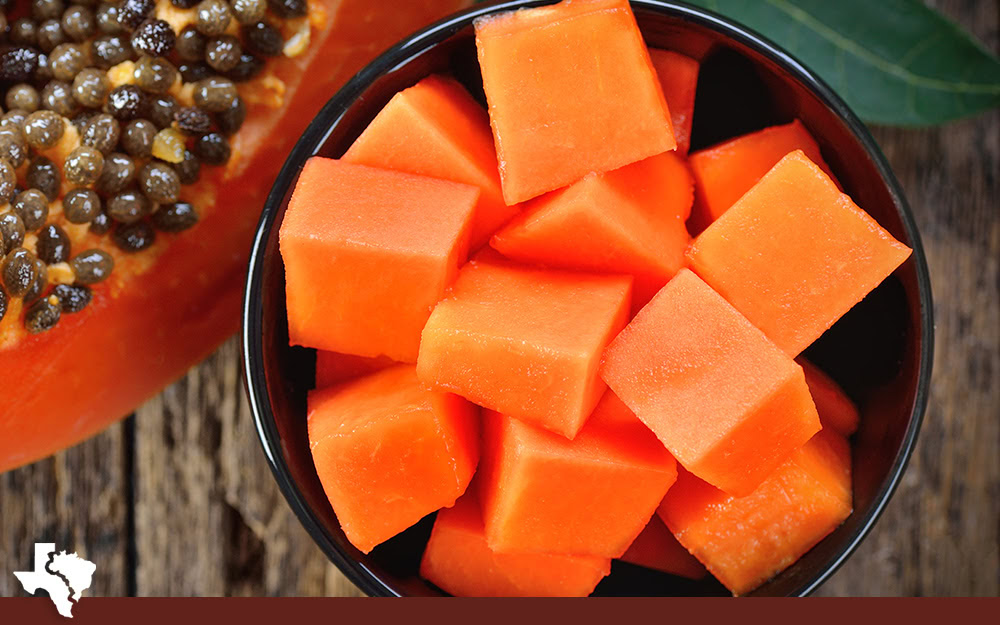
The reach of this idea across very different food cultures is pretty striking. Asia, Latin America and the Caribbean have all independently landed on the same tradition (papaya after a protein-rich meal), and they’ve held onto it for centuries. The fact that Brazilian steakhouses settled on papaya cream as their signature dessert is part of a much deeper relationship between this fruit and what goes on in your body after a big plate of meat.
Most guests never give much thought to the history and science packed into a light little dessert. That last bite hits a little differently – because it was very much planned that way.
Papaya cream is light, it’s delicious, and it rounds out a big steakhouse meal in just about the most fitting way possible. When multiple continents and hundreds of years all arrive at the same conclusion, that’s a pretty convincing endorsement on its own.
Make Your Own Papaya Cream at Home
Papaya cream is a simple dessert to make, and the ingredient list proves it. A ripe papaya, some vanilla ice cream and a bottle of cassis liqueur – that’s all it takes to pull this off at home.
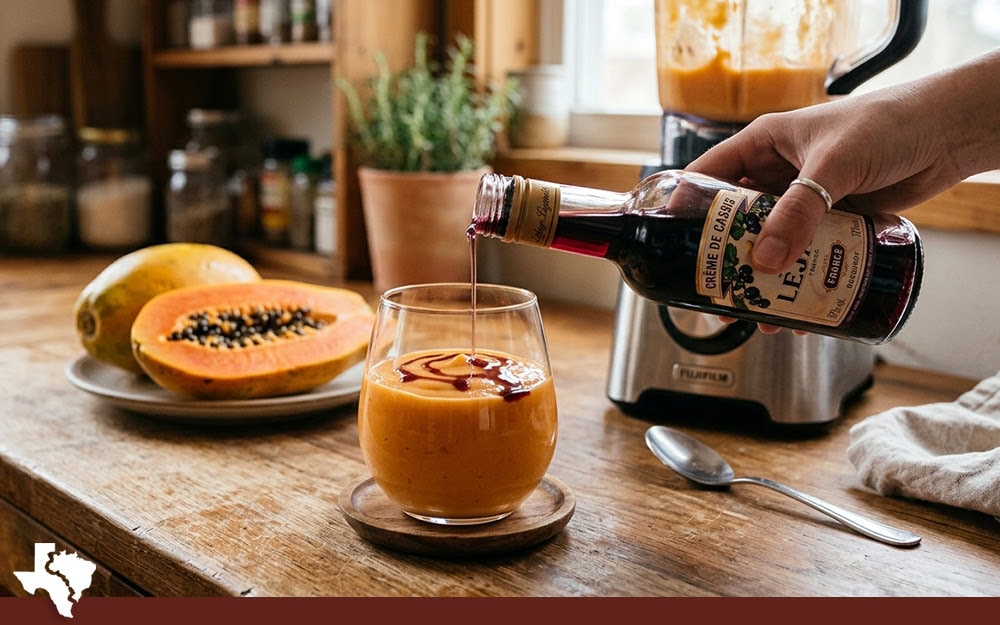
The papaya that you pick is actually a fairly big deal here. An under-ripe one is bland and borderline bitter, and no amount of great ice cream will save it. Ripe fruit will give slightly to the touch and the flesh inside should be a rich orange. That sweetness and color are what make this dessert work, so it’s worth being a little selective at the market.
From there, add the papaya and ice cream to a blender and run it until everything is thick and smooth. Equal parts of papaya and ice cream are a starting ratio – and with that base, adjust from there to match your own taste.
The one detail to watch for is the texture (it should stay creamy and hold its shape in the glass). If it’s watery or thin, that means you’ve already gone too far. A few extra seconds in the blender and the whole mixture can slip right into smoothie territory. Stop when it looks right, because the window between perfect and overdone is very small.
Once the cream is in the glass, the very last step is a light drizzle of cassis liqueur right over the top – and a little does go a long way. The cassis brings a slightly tart contrast that pulls it all together in a satisfying way. It’s a small detail. But it’s the finishing touch that makes the final dessert taste better.
The Best Substitutes for Cassis Liqueur
The crème de cassis drizzle adds a contrasting pop of color, and the little burst of tart flavor it brings is a big part of what makes the whole dessert come together (the signature pink-orange color comes from the papaya itself). Without it, the dish loses its character. Cassis can be pretty hard to find – you’ll need a specialty grocery store or an international food shop nearby to track it down. That said, a few substitutes get you very close to the same result.
Grenadine is the most popular swap for this recipe, and it works nicely here. The deep red color looks beautiful against the pale color of the papaya cream and the sweet flavor pairs nicely with the creamy base. For something a little more tart (closer to what cassis actually tastes like), a blackberry syrup or raspberry sauce is worth trying. Either one brings a bit more edge and depth to the dessert, and the contrast does complement the natural sweetness of the papaya.
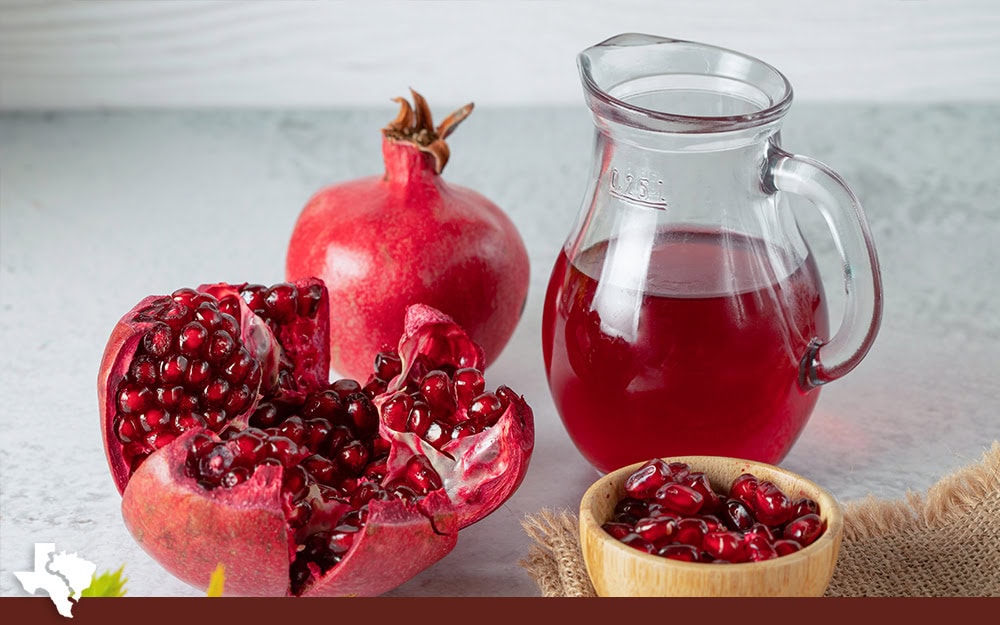
For families with kids (or for anyone who doesn’t drink), grenadine is a great option since it’s alcohol-free. Blackberry and raspberry syrups at the grocery store are also non-alcoholic in most cases, and those are just as easy to grab off the shelf.
A generous pour of syrup right over the top of the cream is what gives this dessert that restaurant-quality finish that most home recipes just can’t quite pull off on their own. Don’t skip it even if you’re working with a substitute. The dark syrup against the creamy base is a big part of what makes this dessert look just as appealing as it tastes.
The Right Way to Serve Papaya Cream
Papaya cream is best served cold, and the glass that you use to serve it in actually matters quite a bit. A dessert glass or a wine glass will let that beautiful coral color show through – and somehow the whole dessert ends up looking really elaborate.
As rich as this dessert is, a smaller portion is usually the way to go – anywhere from half a cup to three-quarters of a cup per person hits just about right at the end of a full meal. You don’t want a mountain of cream after a big dinner, and a smaller serving lets the whole dessert stay light and refreshing instead of heavy and overdone.
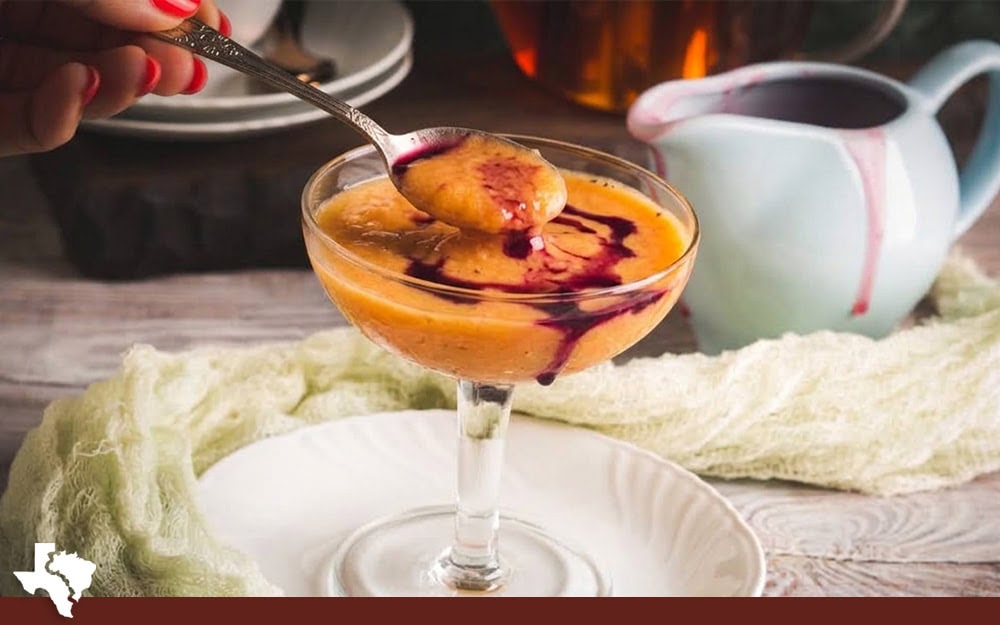
The garnishes are worth the extra 30 seconds they take. A small sprig of fresh mint on top brings a pop of color and a little brightness to each glass, and a thin papaya slice set on the rim gives the whole presentation a polished look. Little bites like these are what tie a dish together.
Papaya cream is best served at the end of dinner, and it works especially well after a heavier meal. It’s light enough to double as a palate cleanser. But it’s still rich and satisfying enough to feel like a dessert. A small cup of black coffee on the side is a pairing worth trying – the slight bitterness plays well against the sweet papaya flavor. For anyone who wants to serve something that looks like it took some effort without requiring much, it’s a recipe worth keeping around.
Savor the Moment at Texas de Brazil
Papaya cream is one of the rare desserts that actually earns its reputation. It’s easy enough to pull together on a weeknight. But it’s memorable enough to leave a mark on anyone who has it for the first time. That balance (low effort, big payoff) goes a long way toward explaining why it’s remained a staple of Brazilian steakhouse culture for decades and why it continues to find its way to tables all over the world.
It’s a dessert that has far more going on once you’re willing to dig into it a little. The texture is light and smooth, the flavor is sweet without being heavy, and the whole dessert comes together in a way that feels more considered than the effort it takes.
All it takes to make this at home is right here. The ingredients are minimal, the process is easy, and the result is something that you’ll feel proud about putting in front of guests. Of course, if you would like to try it in person first (it’s not a bad place to start), papaya cream is currently on the menu at Texas de Brazil. The full churrascaria experience has plenty going for it, from tableside cuts of fire-roasted meat to a 50-item gourmet salad area. It’s a meal that deserves an occasion. You can join the Texas de Brazil eClub for $20 off your next visit, grab a gift card for anyone who deserves a great night out or order premium cuts from the Texas de Brazil Butcher Shop to bring a little of that experience home. When you’re ready to make a reservation, it only takes a few minutes online.