
Why Brazilians Drink Cafezinho After Every Meal
Finish a meal in Brazil, and a small cup of coffee arrives almost before the plates are taken away. The cup is small, the coffee is extremely strong, and the whole ritual happens so fast that it almost feels automatic. For first-time visitors, it can take a little while to get used to – especially when that same cup turns up at breakfast, after lunch and again mid-afternoon every day without any sort of announcement.
The habit goes far deeper than caffeine. When a country is responsible for roughly a third of the world’s entire coffee supply, coffee stops being just a drink and becomes part of the national identity – a day-to-day rhythm, a social gesture and even a form of currency, all poured into one small ceramic cup.
The drink even has its own name – cafezinho. If you want to get a feel for Brazilian culture (whether you’re planning a visit, want to build a relationship or are just interested in the place), cafezinho is probably the single best entry point into it. Decline the cup at the wrong time, and something visibly changes in the room. Accept it, and a quiet but genuine connection forms between you and whoever offered it. That exchange carries far more weight.
Coffee in Brazil turns up at offices, street carts and waiting rooms – just about anywhere that people are in the same place at the same time. It’s less a menu item than a social reflex. You’ll find it just about everywhere you start looking – that’s the point. Coffee in Brazil is something that you share.
Here’s why this little cup of coffee means this much to Brazilians.
Table of Contents
What a Cafezinho Really Is
Cafezinho is a small cup of strong black coffee that usually comes already sweetened. The sugar gets stirred directly into the coffee during the brewing process. That one small detail ends up making quite a difference in how the final cup tastes.
The brewing process relies on a cloth filter called a coador. Hot water drips through the finely ground coffee, and the cloth catches the fine particles along the way – much like a paper filter would. What makes it into your cup is smooth and full-bodied, with none of the sharpness or bitterness that coffee this strong usually carries.
Cafezinho matches espresso in intensity. The texture and finish are where the two part ways.
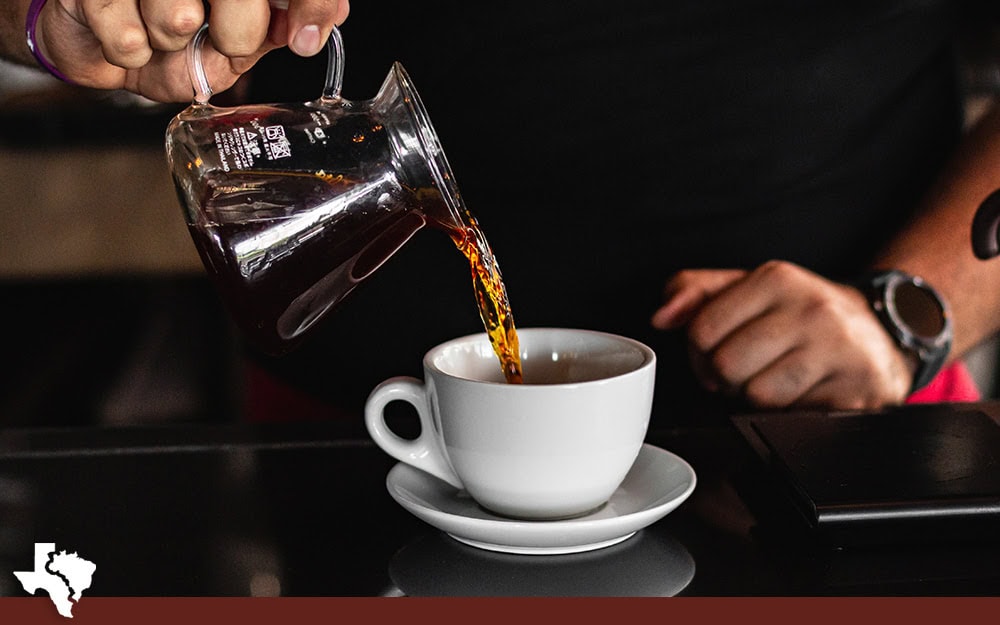
The coador is central to the whole process. Paper filters soak up the natural oils in the coffee, and a fair bit of the flavor gets pulled right along with them. A cloth filter lets just enough oil pass through to give the coffee some body and warmth, and it stops the cup from ever turning harsh. The result is a very smooth cup without the acidic edge that strong coffee can sometimes leave behind.
Brazil has a relationship with coffee that’s unlike anywhere else, and cafezinho is right at the center of it. Morning routines, afternoon breaks or a quick visit with the neighbors – a small cup has a way of appearing at just about all of them.
Brazil’s 150-Year Reign as Coffee King
Back in the 19th century, coffee was what kept Brazil running. Across São Paulo and Minas Gerais, massive plantations stretched as far as you could see, and the demand for labor was very high.
Millions of immigrants poured in from Italy, Portugal, Spain, Japan and other parts of the world – whole communities that put down roots in Brazil and built their lives around the coffee trade. Roads were laid, railways were built, and entire cities rose up just to support that one crop. Coffee wasn’t just an export product – it was what the entire nation was built on.
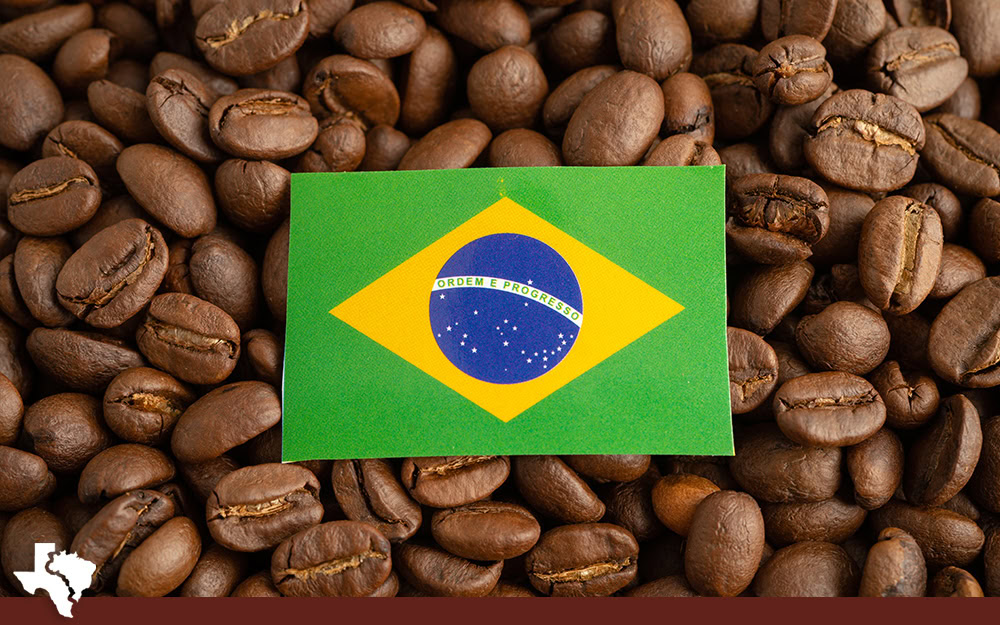
When a Brazilian reaches for a cafezinho after a meal, that small cup carries far more behind it than its size would ever let on. Families worked the land, lived near the plantations and wove coffee into their homes and lives over so many generations. The cafezinho (a strong and sweet cup served after just about any meal) became as much a tradition as it did a drink, and in many ways it still is.
The cafezinho was never a trend that caught fire on social media, and no one sat down one day and decided to make it a habit – it got passed down from one generation to the next, over and over again, until it was just as natural as anything else that happens in a Brazilian home. No parent ever explains to their kids why they drink it – it’s just what you do, because it’s what your parents did and their parents before them.
Hospitality Poured Into Every Small Cup
What sets cafezinho apart in Brazil is the way it gets offered – no one waits to be asked. You walk into someone’s home, a little corner shop or a local neighborhood office, and a cup will just appear in front of you.
It’s just what Brazilians do. A cup of coffee for a guest is as natural to them as a handshake or a hello – and it carries every bit as much warmth.
Plenty of cultures have this tradition where a kettle goes on the second a guest walks through the door. The drink itself is almost beside the point – what it’s actually about is a willingness to sit down and give that person your full attention for a few minutes. That same gesture just happens to come as a small, strong and sweet cup of coffee in Brazil.
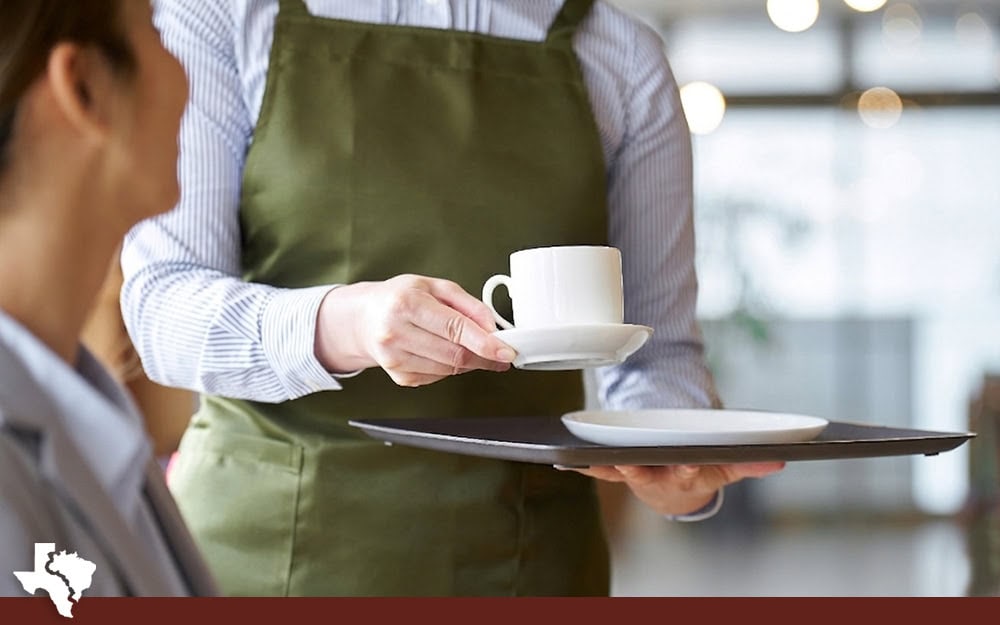
Cafezinho turns up everywhere – at a friend’s house, a family-run repair shop or a neighborhood pharmacy. The fact that it holds so steady across these different settings is what makes it special – it doesn’t try to impress anyone or follow some unwritten expectation. It’s more like a reflex, something that got passed down through generation after generation until it eventually just became second nature.
Real generosity doesn’t make any noise or ask for recognition or announce itself in any way. Your host has already made your comfort their quiet priority – and they made that choice long before you ever had a chance to settle in.
Does Coffee After Meals Aid Digestion?
Aside from the warmth it can add to any conversation, plenty of Brazilians will legitimately tell you that cafezinho is good for the body after a meal. It’s a belief that has lived on at kitchen tables for generations, passed down quietly from grandparents to their grandchildren for as long as anyone can remember.
A strong coffee after a big meal is supposed to help the stomach settle and get digestion moving again. It’s less about the size of the cup and more about what’s actually in it – a concentrated hit of coffee that tells your body it’s time to wrap up digestion and move on. And as it turns out, the science supports this. Research suggests that coffee can stimulate gastric acid production and get the digestive system back into gear after a meal. That lends some weight to what grandmothers across Brazil have been saying for decades.

The science is not one-sided on this one. Coffee isn’t quite a clinically proven digestive remedy, at least not by official standards, since a number of studies point in one direction and just as many land somewhere a little different. What we do have is enough research to reasonably explain why so many feel better after a small cup at the end of a meal. The body responds to it. That does count for something.
Part of why this belief has stuck around is pretty easy to explain – it tends to line up with what you experience in life. When something seems to work, and your grandmother swore by it, and her grandmother said the very same thing before her, that sort of wisdom has a way of outlasting any academic debate on the subject.
The Cloth Filter Changes Everything
How cafezinho gets brewed matters just as much as when it gets served. A coador is what most Brazilians use to make it – a plain cloth filter that lets the hot water pass through at its own pace, slow and steady. The result is a cup that’s rich with flavor and noticeably lower in the acidic compounds that most other methods tend to leave behind.
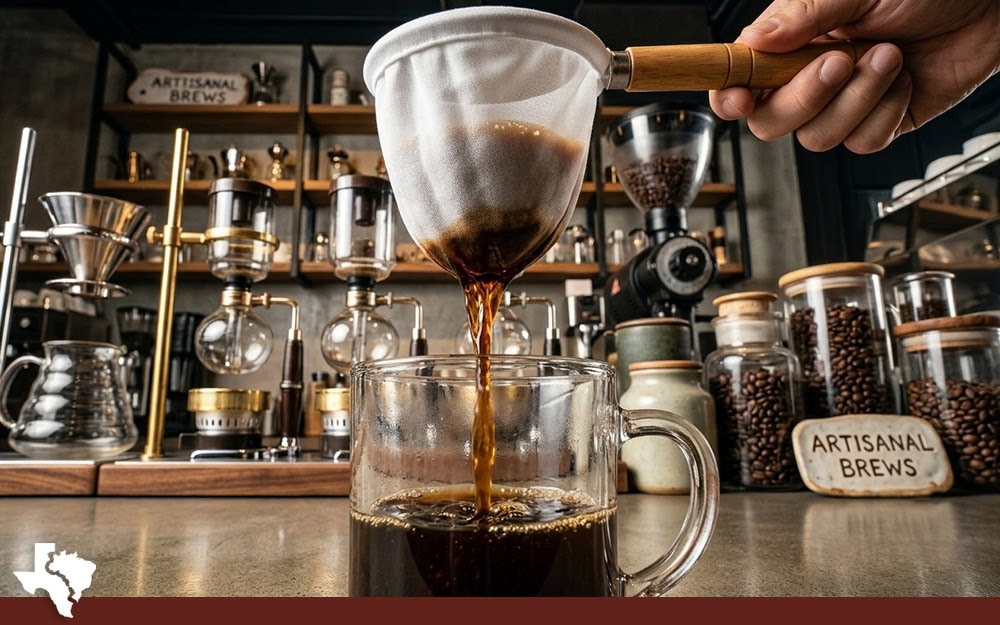
The coador sits in a pretty different category than either a paper filter or an espresso machine. Paper filters can get the job done for coffee. But they pull out most of the natural oils – and those oils are what give coffee its body and its rounded finish. Without them, the cup ends up a bit flat – even if the flavor is still there. Espresso machines work quite differently – they force water through the grounds at high pressure, which tends to concentrate just about everything in the cup (even the parts that can sit a little heavy on your stomach).
The coador falls right in between those two. The natural oils stay in the cup, which is what gives cafezinho that smooth and almost velvety texture – soft and gentle, without any of the harshness. Part of that can also depend on the slower pace of the brew itself. Water moves through the cloth filter at its own speed, so nothing is pushed through too fast. The lower acidity is actually a big deal, and it’s probably a big part of why Brazilians can drink cup after cup throughout the day without the stomach discomfort that you’d normally get from more aggressive brews.
Cafezinho Crosses Every Social Class
Walk into a bank in Brazil, and there’s already a pot of cafezinho waiting for those who are standing in line. Duck into a small shop and somebody will pour you a cup before you’ve even had a chance to say a word. In any office that you walk into before a meeting, the coffee is already sitting on the table, and it doesn’t matter if you’re a paying customer, a colleague or just somebody passing through. The coffee is always there, and it’s almost always free.
What actually sets cafezinho apart from most of the world’s coffee culture is something pretty simple. A cup of coffee has slowly drifted over time into luxury territory in many countries, and the price tags have followed right along with it. Cafezinho never took that path. It’s always been something that you give freely to whoever walks through the door – not something that you charge for.
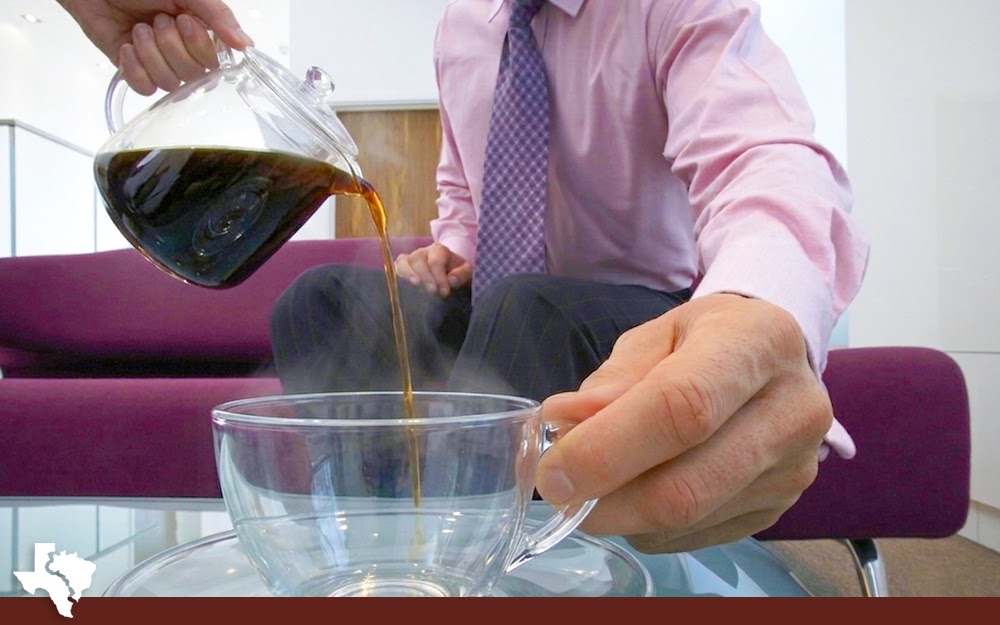
That mindset does carry through everywhere. A cup of cafezinho served in a government office and one that was made in a family kitchen on a Tuesday morning are virtually the same drink, and the difference between them is almost nothing. Money doesn’t change the experience. A wealthy household and a more modest one brew it the same way, serve it in the same small cup and drink it at the same unhurried pace. That level of consistency across the board is pretty rare with day-to-day drinks – it’s not something I come across much.
What Brazilians mean when they call cafezinho a cultural institution comes back to just this – it’s a drink that belongs to everyone. No price tag, no prestige and no barriers.
Why Refusing a Cup Feels Rude
A cafezinho is technically just a small cup of strong, sweet black coffee.
A “no thank you” can come across as a rejection of the person who offered it – and if you’re heading to Brazil as our guest, that’s something to know ahead of time. Even a person who legitimately doesn’t drink coffee is still expected to accept the cup and hold it in their hands. Nobody’s going to make you finish it. That part doesn’t matter. What does matter is that if you wave it away, you send an unintended message. Brazilian hospitality has a quiet language to it, and when you accept the coffee, you show that you’re happy to be there. A small sip and a warm word of thanks are all that it takes.

A cafezinho has its own natural place in the rhythm of a meal. Those small cups are a quiet signal that the food is done and the table is easing into a slower and more personal mode. The conversations get a little more intimate once the coffee arrives. Missing that window (leaving early or waving off the cup) means you’ve quietly stepped outside the pace of the evening. Everyone at the table will feel it, whether or not anybody says a word.
A cafezinho is about what comes with it – a quiet way of saying “stay a while” or “we’re happy you’re here.” The cup itself is almost beside the point. What matters is the act of accepting it, because if you do, you send a message to everyone at the table that you’re happy to be there as well. Brazilian social culture runs on small gestures like this, and the cafezinho might just be the most effortless one of them all.
Savor the Moment at Texas de Brazil
A small cup of coffee is almost never just a small cup of coffee. Everything that cafezinho carries with it (the history, the hospitality, the quiet invitation to slow down and stay just a little while longer) makes it a drink that has always been about far more than what’s in the cup, and it all comes back to the table and to a shared sense that right here is worth your time.
No matter how the conversation around cafezinho unfolds (whether it touches on digestion, national identity or just on whether a guest feels at home), it always circles back to the same point. Food and drink mean the most when they’re shared freely, without a second thought and without any expectation of anything in return. That warmth travels pretty easily across cultures and doesn’t need much translation.

That spirit of generous and unhurried hospitality runs deep at Texas de Brazil. From the tableside cuts of fire-roasted meats carved by our gauchos to a 50-item gourmet salad area filled with chef-prepared dishes, every part of the experience is built to give guests a reason to stay a little longer. Join our eClub and get $20 off your next visit, share a Texas de Brazil gift card with anyone who deserves a great meal or bring the experience home with premium cuts from our Butcher Shop delivered straight to your door.
When you’re ready to come in, make your reservation – we’d love to have you!