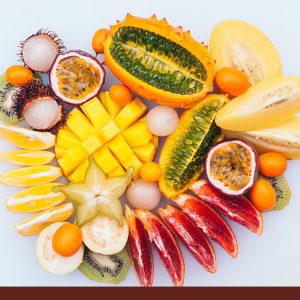

Maracujá: Why Passion Fruit Is Brazil’s Flavor
Outside of Brazil, most diners’ experience with passion fruit is either a faint background hint buried in a combination juice or a thin decorative drizzle across a hotel breakfast plate – and neither one does the fruit any justice. Brazil actually grows a large share of the world’s entire passion fruit supply, and almost none of it ever leaves the country. The big majority goes straight from the farm into juice glasses, dessert bowls and pharmacy shelves, all without crossing a single border.
That fact alone tells you quite a bit about maracujá’s place in Brazilian life. Passion fruit’s more or less a novelty in most other countries – the sort of unusual ingredient that turns up occasionally in an upscale cocktail or in a specialty dessert. It’s a straight-up staple in Brazil. For most families there, a morning without fresh maracujá juice feels about as incomplete as a morning without coffee.
The ways that maracujá gets used are what make it so interesting. It anchors the classic Brazilian breakfast drink, brings a sharp and tangy edge to barbecue glazes and has a starring role in one of the country’s most loved desserts (mousse de maracujá), which takes almost no effort to put together and never seems to last very long at the table. Away from the kitchen, it also finds its way into relaxing teas and wellness products, because the fruit’s natural compounds carry a mild calming effect that Brazilians have leaned on for a very long time. Fruits that earn that sort of dual role (at once a kitchen staple and a natural remedy) are usually the ones that root themselves deep in a culture, and maracujá is an example of just that.
It’s one fruit, one country and a loyalty that runs very deep. No other tropical fruit’s managed to root itself quite so closely into every corner of Brazilian life, from the first meal of the morning to the quiet end of the night.
So it’s worth asking what makes maracujá this non-stop presence in Brazilian culture.
Table of Contents
Brazil’s Yellow Passion Fruit Is Unlike the Rest
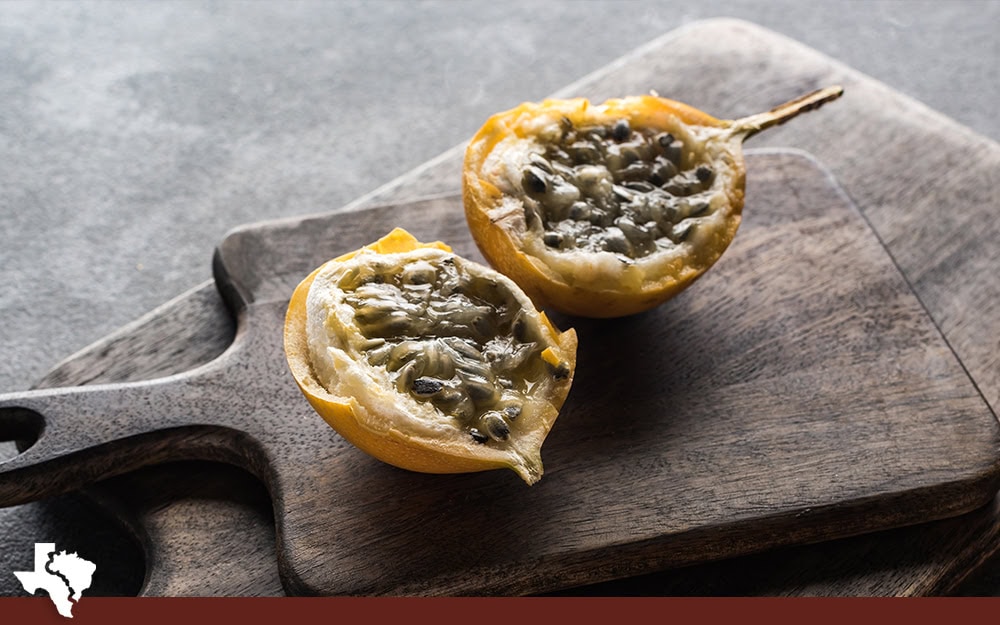
Brazil has its own type of passion fruit, and it’s actually quite different from what most of the world is used to. Nearly every passion fruit available in a Brazilian market is Passiflora edulis f. flavicarpa (the yellow passion fruit), not the small purple type that tends to turn up in European or North American grocery stores.
The two are closely related – in fact, they’re the same species, just different varieties. The yellow type grows a bit bigger, with a thicker rind and a much higher acidity than its purple cousin, and it also produces far more juice per fruit, which is a big part of why Brazilian food and drink manufacturers count on it so heavily.
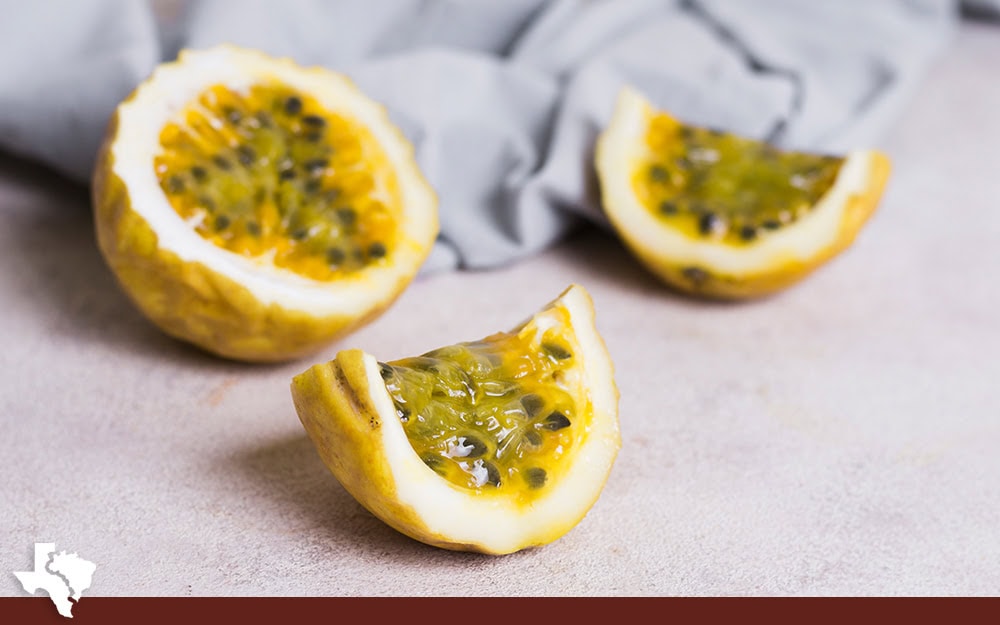
The yellow type is very much a tropical fruit – it does well in the heat and humidity, and Brazil has no shortage of either. The country’s northeast and southeast regions, places like Bahia, Ceará and São Paulo state, are home to some of the largest passion fruit farming operations anywhere in the world. On top of the heat and humidity, the crop also needs some decent rainfall to grow well, and most of Brazil’s main growing regions get plenty of that as well. It’s a pretty great match.
After the harvest, much of this yellow fruit never makes it to a market shelf as fresh fruit – and that alone does shape the entire relationship Brazilians have with it. A large share of it goes right to juice processors – it’s what makes the difference in how the fruit fits into day-to-day life there. It’s not something that you grab off a shelf and eat whole – it’s about the juice, the pulp and the concentrate that go into drinks, desserts and packaged foods all across the country. That direct line from farm to processor is what makes Brazilian passion fruit culture work.
What Makes Maracujá Taste So Tart and Fragrant
Yellow maracujá is a bit more intense than its purple cousin. The flavor hits with a mouth-puckering sourness, and a strong floral scent comes right along with it – at the same time, all in one bite.
That combination can take a second to register. The tartness arrives first, and on its own (without any added sugar or juice mixed in), it’s just not sweet at all, which can seem a little strange if you were expecting something more like a sweet tropical drink or a tropical dessert. Most first-timers do. The raw yellow passion fruit pulp actually lands much closer to the tart end of a lemon than anything else – a pretty floral lemon. Even so.
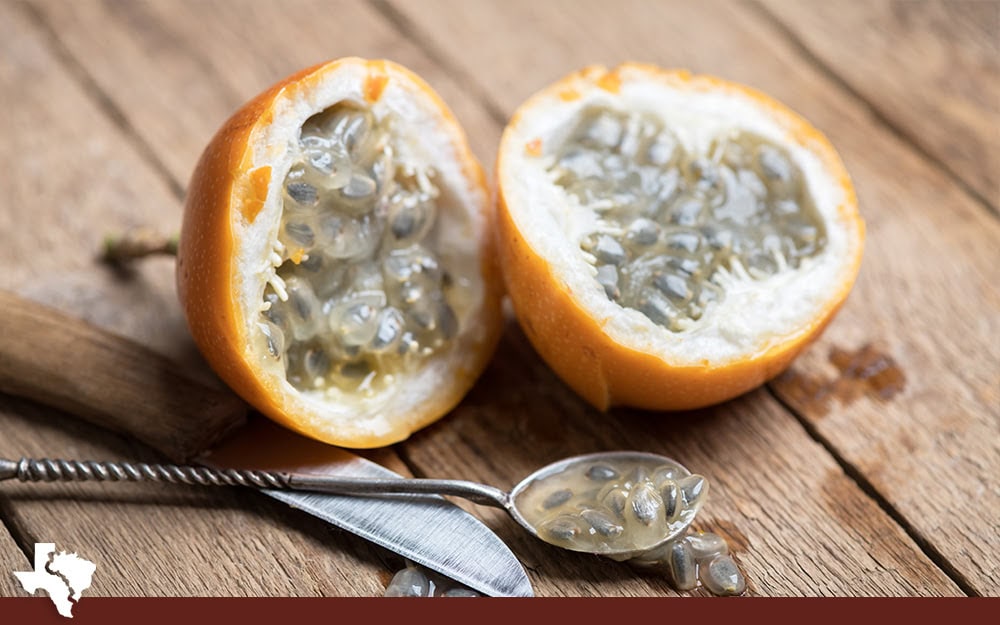
That strong scent comes from a group of chemical compounds called esters and terpenes – the same ones that are responsible for the deep smell of plenty of other intensely fragrant fruits. With yellow maracujá, these compounds are far more concentrated than they are in the purple number – it’s a big part of why the scent comes through much stronger than in a typical passion fruit.
Brazilian cooks figured out a long time ago to lean into the tartness instead of fighting it. The sourness plays well against the sweetness in desserts and drinks, and it keeps everything from tasting too heavy or one-dimensional. That balance between punchy and bright, sharp and floral, is a big part of why this fruit became a staple in Brazilian kitchens. There’s range in it as an ingredient, and the next section goes into just how to use it.
How Passion Fruit Fits Into Every Meal
Maracujá deserves an introduction before we get into anything else. Most fruits have a pretty narrow lane – sweet ones go into desserts, tart ones get squeezed into drinks, and the story usually ends right there. Passion fruit’s never been limited to just one role like that.
A Brazilian breakfast table is actually a great place to start. On one side, you have a cold glass of suco de maracujá, and right next to it, there’s passion fruit curd spread over fresh bread – each made from the exact same fruit and yet nothing alike. The juice is bright and tangy in a way that wakes you up. The curd has a deeper sourness to it that pairs nicely with something soft and bready. Same fruit. But two wildly different experiences.
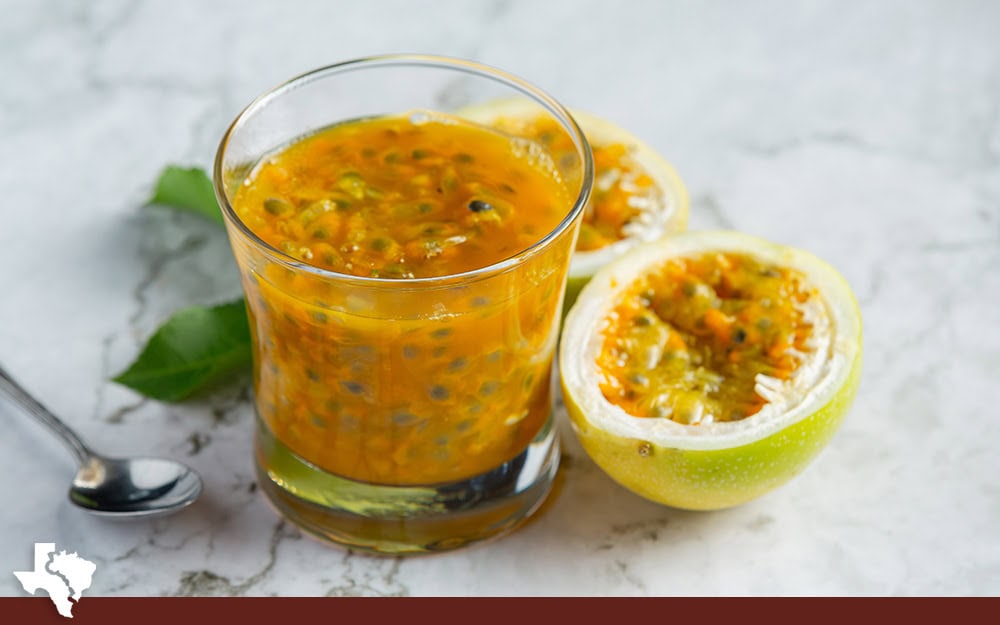
And the day just continues from there. Street vendors work it into caipirinhas with a fruity edge that cuts right through all that sugary sweetness. Home cooks add it to salad dressings for a bit of acidity that balances out the heavier ingredients, and it doesn’t pull the whole dish in a different direction. At a churrascaria, a passion fruit glaze over the grilled meat is right at home – the tartness holds its own against the fat and the smoke in a way that feels right and earns its place through the whole meal.
What works about maracujá is how reliably it fits into the whole day. From a morning smoothie to a slow-grilled entrée at dinner, there’s a place for it at every meal. Very few ingredients can pull that off.
A Dessert That Every Brazilian Family Loves
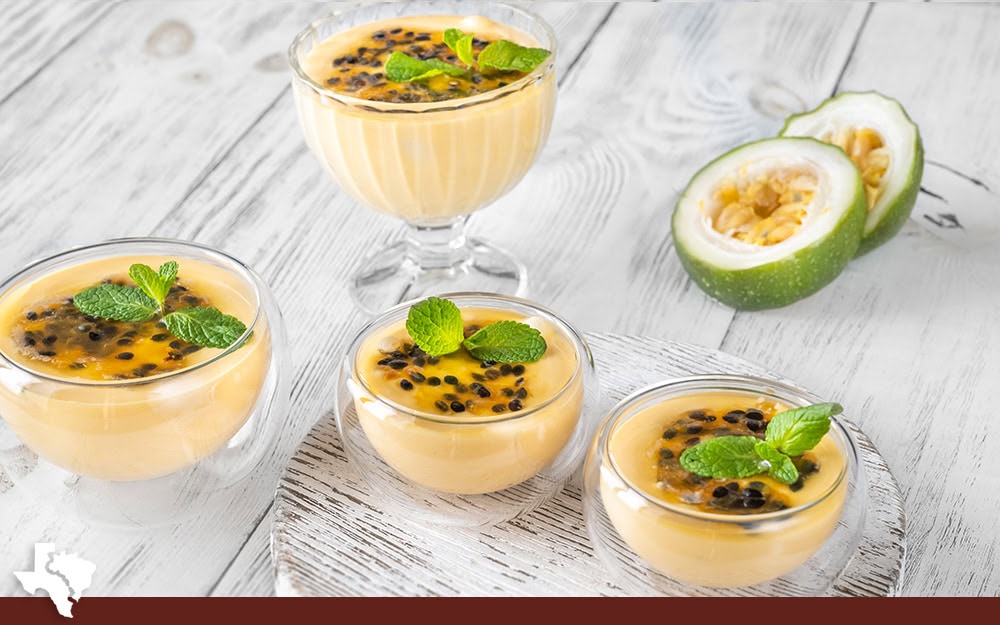
Mousse de maracujá is about as Brazilian as a dessert can get. Every churrascaria in the country has it on the menu, and in most Brazilian homes, at least one person in the family has been making their own version of it for years – sometimes decades.
The recipe itself is refreshingly easy – just condensed milk, heavy cream and fresh passion fruit pulp, all blended together until it turns light and fluffy. The appeal is in the contrast between the tart pulp and the richness of the cream. Either one on its own would be way too much (too sweet or too sharp). But together they create a pleasant balance.
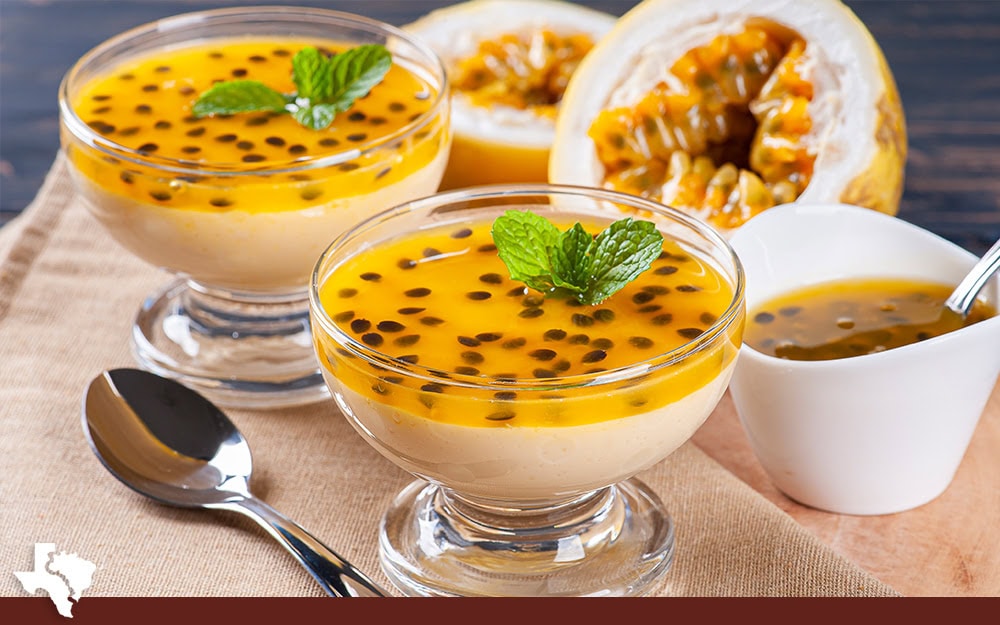
That balance is a big part of why this dessert has lasted this long. For anyone who normally reaches for something dense and chocolatey at the end of a meal, mousse de maracujá will land very differently – and in a great way. It’s still rich, still creamy and still satisfying in every way a dessert should be. What sets it apart is that you won’t feel the need to lie down afterward. A thick slice of chocolate cake can sit with you for hours. A bowl of this won’t even come close.
Another reason it’s stayed so popular at home is that it doesn’t ask much from you. No equipment, no advanced techniques and no skills that take years to learn. Even beginners can pull it off right on their first attempt – and that’s not an exaggeration. It’s that easy – which is why Brazilian home cooks have kept this recipe alive for generations.
The Power of the Peel and Seeds
The peel and seeds of passion fruit have a deep history in Brazilian traditional medicine – and it’s no fringe tradition. In pharmacies across São Paulo and Recife, passion fruit supplements sit right on the shelf, next to conventional sleep remedies, as if they’ve always belonged there. At home, families brew the dried leaves and rind into teas that they’ve been reaching for, for generations, whenever anxiety or restlessness is keeping them up at night. The practice is so common that most Brazilians wouldn’t do a double take about it – it’s just what you do.
A grandmother might serve maracujá mousse at a Sunday family lunch, and then later that same evening she’ll brew herself a cup of maracujá tea to help her wind down before bed. The fruit never gets put into any one box (it’s food, it’s medicine, and it’s just a normal part of life). It belongs in the kitchen and the medicine cabinet at the same time. That doesn’t seem to confuse anyone.
That relaxed, lived-in relationship with a plant is pretty rare in places where food and medicine are kept in separate corners. The line between the two has always been a little blurry in Brazil, and maracujá is probably the best example of why that actually works in everyone’s favor (it doesn’t need a health claim on a label or a doctor’s recommendation to earn its place). Locals already know what it does because they grew up watching it work. From the kitchen to the medicine cabinet, the fruit just pulls double duty, and no one there makes a big deal out of it.
A Few Good Substitutes for Fresh Maracujá
Fresh passion fruit’s pretty hard to come by in some regions, and even if you do manage to find it, the timing has to be right. Specialty grocery stores and Latin markets are usually the best places to start your search – though even those shelves can be hit or miss depending on the season.
Fresh fruit isn’t always easy to find, and there are a couple of substitutes to know about. Mango blended with a generous squeeze of lime juice gets you pretty close to that sweet-tart tropical flavor that most recipes are going for. Guava juice with a small splash of lemon is another decent option, and it holds up well in drinks and desserts.
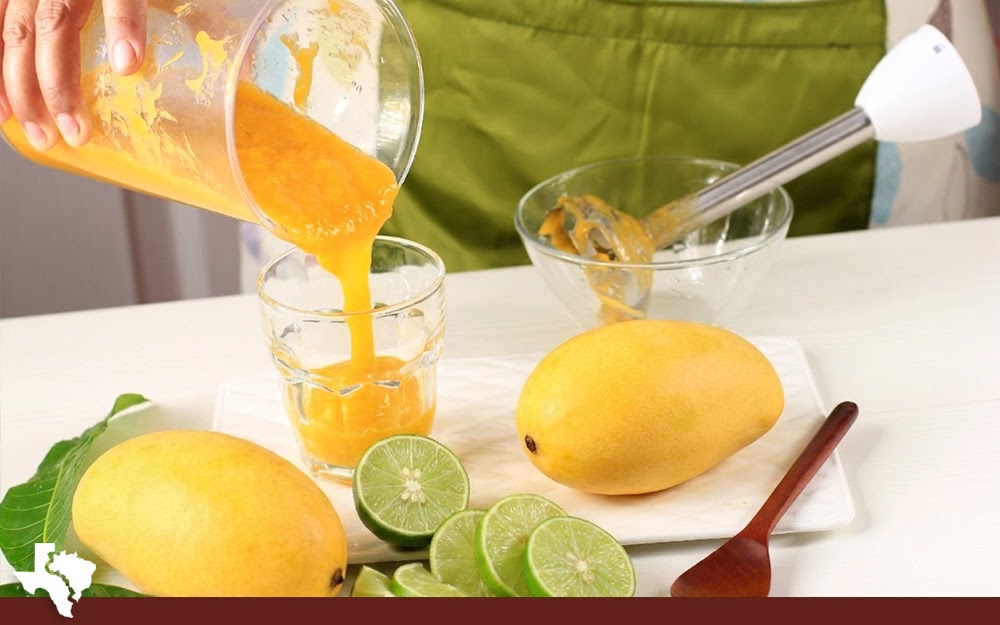
To be straight with you – neither of these substitutes will capture that floral quality that maracujá itself has. It’s a flavor all its own and one that’s very hard to replicate no matter how much you adjust the recipe. It’ll help to go in with the right expectations, since your dish may come out tasting a little different – and with something this hard to substitute, that’s usually going to be the case.
The best approach here is to taste as you go and make small adjustments from there. A little extra lime or lemon juice can dial the tartness up if you want more of that citrusy edge – or you can pull back on it a bit if the acidity starts feeling too strong. A touch more sweetener can also go a long way toward pulling everything back into balance as needed. The end goal is to have something that still carries that tropical character all on its own.
A little patience and some willingness to experiment can get you pretty far – and even if it takes a few rounds to get it right, the result can still be something that stays true to the original.
Savor the Moment at Texas de Brazil
Few fruits can pull off what maracujá does – it shows up at breakfast, caps off a long dinner at a churrascaria and then comes back as a relaxing bedtime tea, and no one thinks twice. Its reputation wasn’t built on fashion or on some far-off novelty. Maracujá earned its place the slow way – in kitchens, on tables and worked deep into day-to-day Brazilian life over a very long time.
A long tradition goes well with this – home cooks who knew that tartness and sweetness belong together, a farming culture that kept its harvest close to home and a country that never felt the need to pull food away from the rest of life. Whether you find fresh passion fruit at a Latin market or work with something close to what you already have on hand, it’s worth trying at least once. The flavor carries something that words can only get you partway toward.
With that in mind, if authentic Brazilian flavor and tradition are what you’re after, Texas de Brazil is a great place to start. Our gauchos carve fire-roasted meats right at your table, and our gourmet salad area rounds out the meal with fresh chef-prepared dishes that are worth the visit on their own. An eClub membership can get you $20 off your next visit, gift cards are available for any occasion, and premium cuts can be ordered straight from our Butcher Shop. Reserve your table at Texas de Brazil and come experience what a true Brazilian celebration tastes like.