
What Is Spicy Sirloin At A Brazilian Steakhouse?
The cuts come fast at a Brazilian steakhouse – with Portuguese names, confident servers and no time at all to second-guess yourself. One item on the menu tends to give guests pause in the middle of all that controlled chaos – the spicy sirloin. The word “spicy” alone is enough to make most guests stop, and it’s a fair reaction. No one wants to find out halfway through dinner that they’ve accidentally signed up for something that lights their mouth on fire – especially at a meal where the whole point is to pace yourself and try as many cuts as possible.
Brazilian churrasco doesn’t have a reputation for chili heat – coarse salt and live fire are about as far as the tradition goes. A dry rub with spice in it feels a little out of place in that context, and it tends to leave guests with questions about what’s actually in it, how hot it gets and whether it’s even worth a try if they usually like the milder cuts.
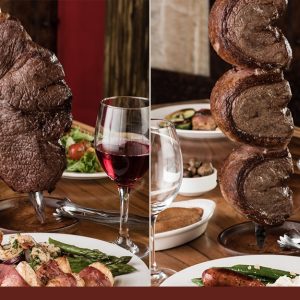
The spicy sirloin is top sirloin with a chili-based rub applied before it goes onto the skewer and over the open flame. The gaucho brings it tableside once it’s roasted and carves it fresh right off the skewer. The seasoning has a bit of a kick to it. But it’s the kind that brings warmth and flavor instead of heat for the sake of heat – and it’s manageable even for guests who usually stay away from anything spicy.
A little background on the cut goes a long way. Most guests who pass on it without at least trying it tend to wish they had, and it’s worth a try before they choose.
Table of Contents
The Real Cut Behind a Spicy Sirloin
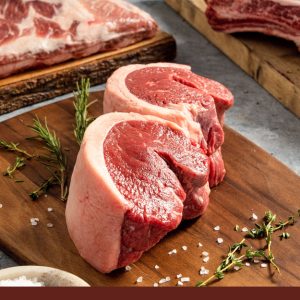
The spicy sirloin at a Brazilian steakhouse is nearly always top sirloin – what Brazilians call alcatra. It comes from the rear of the cow just above the hip in a section of the animal that sees a fair amount of movement from day to day. All that activity keeps the muscle lean, and it doesn’t make the meat tough – a balance that’s hard to land.
Alcatra and picanha come from very similar parts of the animal, and they get mixed up at the table quite a bit – but they’re two different cuts. Picanha is the sirloin cap, which sits right on top of alcatra and has that thick fat layer running along one side. Alcatra is trimmer and more uniform in thickness, and those two traits together affect how well it takes on strong seasoning.
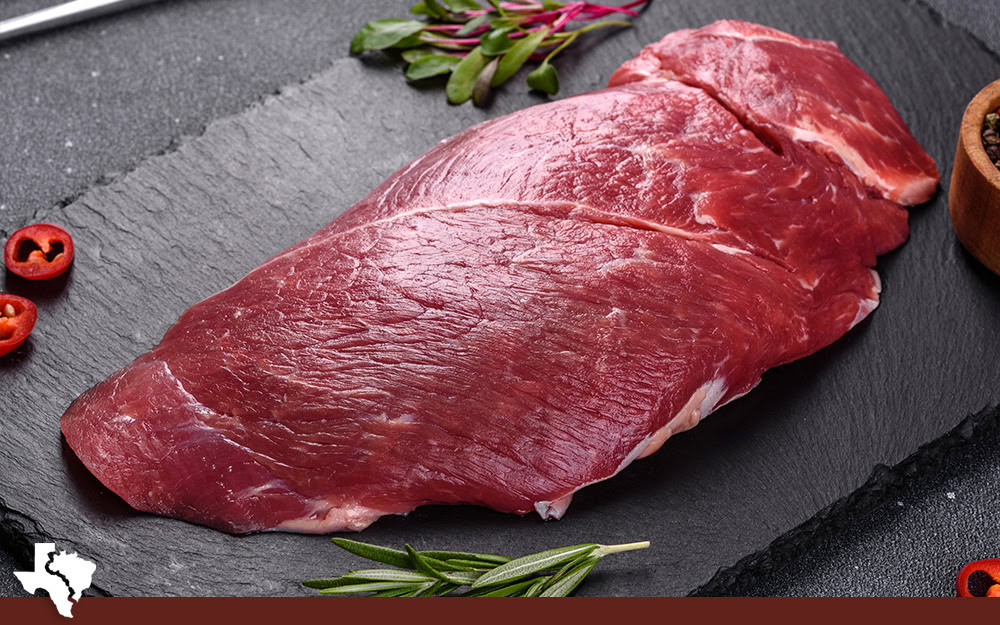
Lean cuts like alcatra don’t have much fat running through the meat, which actually works in your favor with a strong spice rub. There’s nothing for the seasoning to sink into – it lands right on the surface and stays there. Every bite hits with the full force of whatever you put on it, and nothing softens it along the way. A well-marbled cut would absorb some of that heat and dial it back. That works fine in some dishes but falls short when the whole goal is a front-and-center kick. Alcatra gets out of the way and lets the seasoning do its job.
Alcatra has become a go-to cut at Brazilian churrascarias for a reason – it’s usually one of the first cuts a chef reaches for when they want something punchy and memorable on the skewer. It’s lean, it takes heavy seasoning well, and it turns out great just about every time. It’s the sort of cut that you can count on. It’s also probably one of the most underrated pieces in the whole churrascaria lineup, to be honest.
The Dry Rub That Brings the Heat
The difference between spicy sirloin and classic churrasco starts with the seasoning. Traditional Brazilian barbecue relies on coarse salt (sal grosso) and not much else because the whole point is to let the natural flavor of the beef come through on its own. Spicy sirloin goes in a very different direction with a dry rub that includes crushed red pepper, garlic and quite a few other spices that add a whole new layer of flavor to the meat.
The heat that you taste comes from capsaicin, a natural compound found in chili peppers that binds to the heat receptors in your mouth. That reaction is what produces the burn. More capsaicin in the rub means more intensity – and any skilled pitmaster will tell you that the trick is to dial it in so it doesn’t bulldoze the beef.
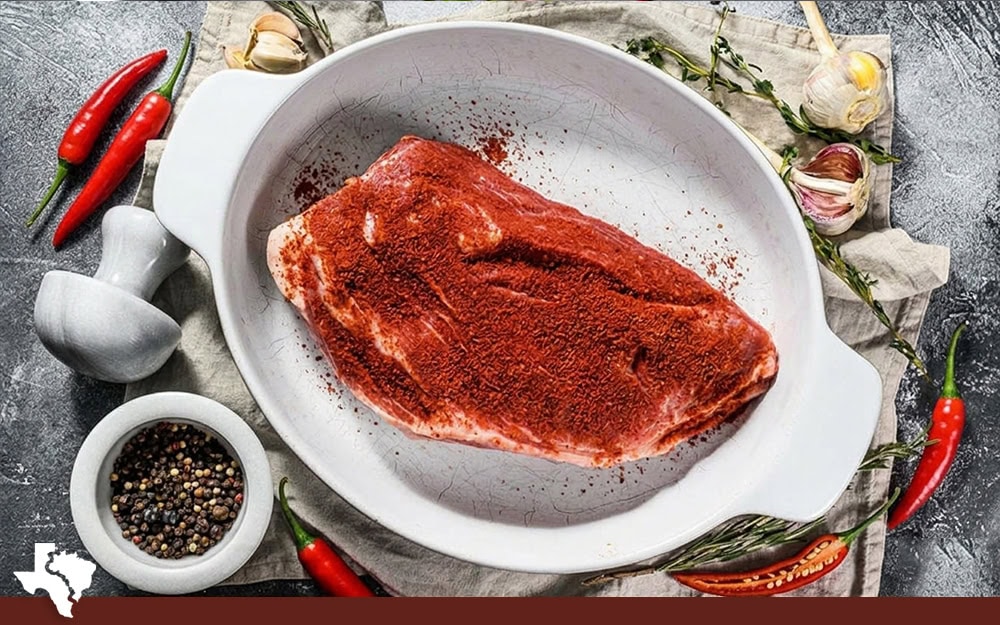
Wet marinades and sauces can be a headache over an open flame – all that liquid has nowhere to go but down, and it’s going to drip, flare up and leave you with a charred exterior instead of a flavorful crust. A dry rub actually bonds right to the surface of the meat and forms a spiced outer crust as it cooks, which is what you want from a cut like this.
There’s one detail to know about garlic-heavy rubs if you ever plan to make spicy sirloin at home – they can burn fast over high heat, and burnt garlic gets bitter in a way that pulls the whole blend in the wrong direction. The top layer of the rub takes the most direct heat from the flame, and it’s usually the first part to go.
How the Open Flame Builds the Crust
The sirloin gets threaded onto long metal skewers called espetos and cooked over high heat from an open fire or hot charcoal. The gaúcho cowboys from Rio Grande do Sul in southern Brazil are the ones who made this style famous – and we’re talking centuries ago at this point. An easy way to feed a large crowd over an open fire was just what they needed, and the skewer turned out to be the perfect answer. It was easy and reliable, and centuries later it’s still pretty hard to beat.
A whole lot happens at the surface of the meat the second it hits the heat. The spice rub and the high temperature combine to kick off a chemical process called the Maillard reaction – a process that does something pretty wild to your food. It’s what turns the outer layer into that dark crust with a roasted flavor that’s so hard to replicate any other way. The spices in the rub also bond directly to the meat as this happens, and they become far more concentrated than they ever were before any heat touched them. That crust is where most of the heat and flavor actually live – and it’s worth keeping in mind the next time you eat it.
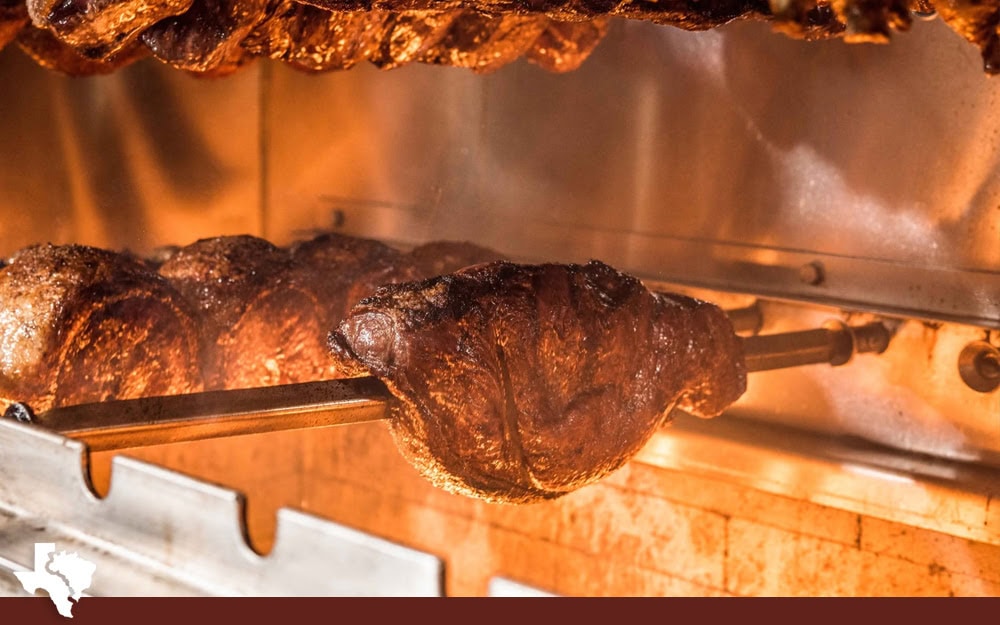
The outer slices of a spicy sirloin are going to hit noticeably harder than anything that’s cut from deeper inside the roast. The inner portions of the meat cook more gently and never get close to the same surface temperature – so they stay tender and juicy, and that’s great. But they also don’t develop that charred exterior that gives this style of sirloin its whole reputation.
The crust is the whole point of it. Without it, the spice rub is still there. But it’s just sitting on the surface instead of being locked into a concentrated layer that delivers heat with every bite.
How the Rodízio Format Works at Your Table
Brazilian steakhouses run on a format all their own called rodízio, and once you’ve experienced one, a plain old dinner out tends to feel a little underwhelming by comparison. The whole concept is that it’s all-you-can-eat. But it’s not like your average buffet – servers come right to your table with massive skewers of meat and carve directly onto your plate.
Each guest gets a small two-sided card, and it’s what puts you in full control of your own meal. Green side up and the servers will keep the cuts coming. Red side up and they’ll leave you alone long enough to actually eat. It’s a pretty great little system – and when the food is at this level, that much control over your own pace really does matter.
On your first visit, it’s worth keeping in mind that pace is half the experience. Most first-timers make the same mistake – they load up on the first few cuts and run out of room before they ever get a chance to try everything. A better move is to take it slow at the start, wave off a round or two and leave some space open for what comes later.
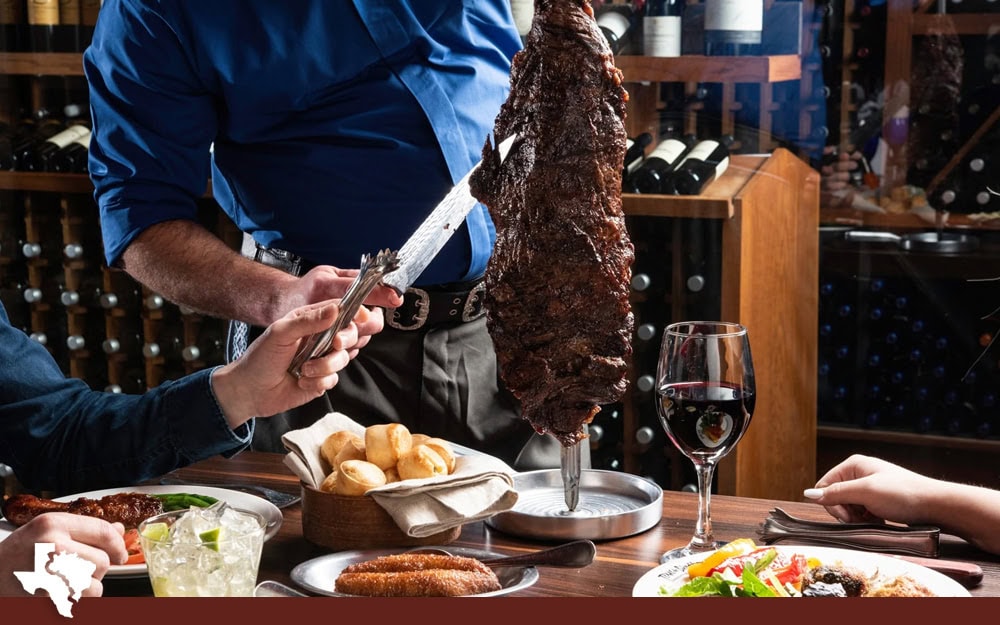
Another perk of rodízio is that you’re never at the mercy of whatever the server happens to bring by. If you want a piece with a more charred crust on the outside, just ask for it – they’re happy to. Something pulled from the center of the cut (pinker, more tender, a touch more rare) is just as easy to get. The servers carve right at your table and do so to your exact preferences so you can fine-tune each piece to whatever you’re feeling right then.
None of that makes you a demanding guest, either. Asking for the cut that you want is a totally normal part of the whole experience – it’s what the staff is there for, so don’t hold back.
How Hot Does a Spicy Sirloin Get?
The heat in a spicy sirloin is there – it’s just not the kind that’s going to have you reaching for a glass of milk or fanning your mouth. Most versions of this cut sit somewhere in the warm and smoky range, and that’s a pretty great place to be for a dish that’s built around the meat itself.
A little bit of context on heat levels goes a long way – that’s where the Scoville scale comes in. A pharmacist named Wilbur Scoville invented it in 1912 with one job – to give peppers a measurable heat rating. On that scale, crushed red pepper (the kind that you’ll find sprinkled on a spicy sirloin) lands above a jalapeño but nowhere near a habanero. We’re not talking about anything extreme here.
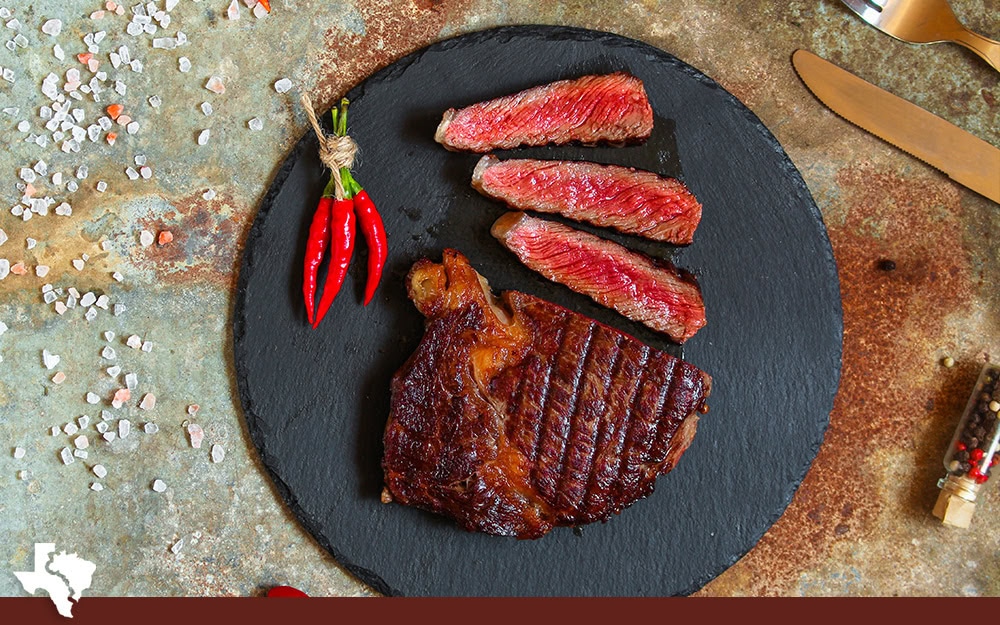
What actually makes this cut worth a second look is the way the heat builds on itself as the meal goes on. A single slice is pretty mild – it’s not hard to brush off. The warmth has a way of slowly adding up after a few rounds from the gaucho’s skewer. No single piece is all that intense on its own – it’s more of a slow accumulation that grows with each pass around the table. The spice never hits you all at once – it just builds little by little.
The gradual quality here is a big part of what makes this cut worth ordering – and it’s no accident. The seasoning is built to work alongside the beef and not fight against it. The spice reads more like a background flavor than the main event – that balance is what prevents the dish from feeling like a one-trick pony.
The quality of the meat gets to come through first, and the heat arrives right behind it – just the way it should be.
Sides and Drinks That Take the Heat Off
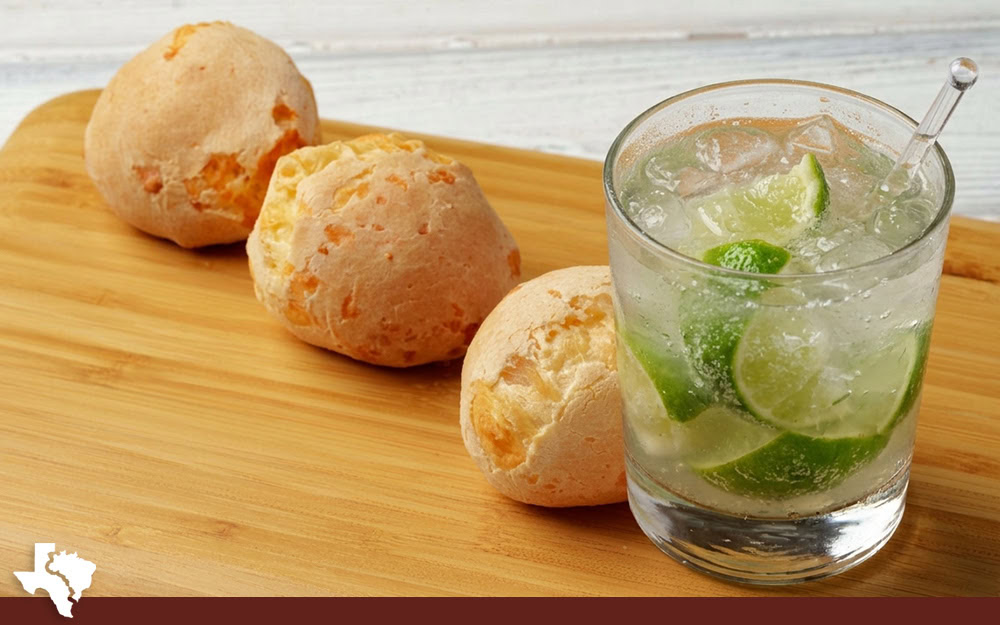
If the heat starts to get the better of you, a Brazilian steakhouse gives you quite a few ways to dial it back without ever leaving your seat. The first place to reach for (though not too obviously) is the pão de queijo, those pillowy cheese bread rolls that come around in baskets throughout the meal. Dairy is one of the best antidotes to capsaicin out there, and it’s worth learning about why. Milk-based foods have a protein called casein that actually latches onto capsaicin molecules and pulls them right off your taste buds.
Skip the water glass, though – ice water won’t help you much here. A big gulp just moves the capsaicin around your mouth and doesn’t wash it out – and it can make the burn feel even worse for a minute or two. Do yourself a favor and go for the cheese bread first.
The salad bar and table sides are well worth a detour between rounds of meat. Fresh greens, rice and fried bananas are all gentle on your mouth and give your palate a natural reset. The fried bananas deserve a quick mention – they’re a true Brazilian staple. A plate of them on their own is well worth it if you haven’t had them before. That little hit of sweetness goes a long way toward pacing yourself through the meal.
The caipirinha deserves a mention here as well. Brazil’s national cocktail (made with cachaça, sugar and lime) won’t do much to fix the heat. But the sugar and the citrus will take just enough of the edge off to help. Order one early and let it be part of the meal instead of your last resort.
With the cheese bread, the sides and a well-timed drink, you have a set of options working for you at the table.
Mild Cuts for the Whole Table
Not everyone at the table wants the heat, and a great Brazilian steakhouse is built with that in mind. Plenty of cuts are on the menu, so the whole group walks away with a great meal – and no one has to compromise to get there.
Garlic picanha is one of the most popular non-spicy options on the menu, and it’s easy to see why. It has that same tender quality that you would expect from a great sirloin – except all that flavor comes from a generous garlic rub with no spice at all. What you get is a savory bite that can hold its own against just about anything else on the menu.
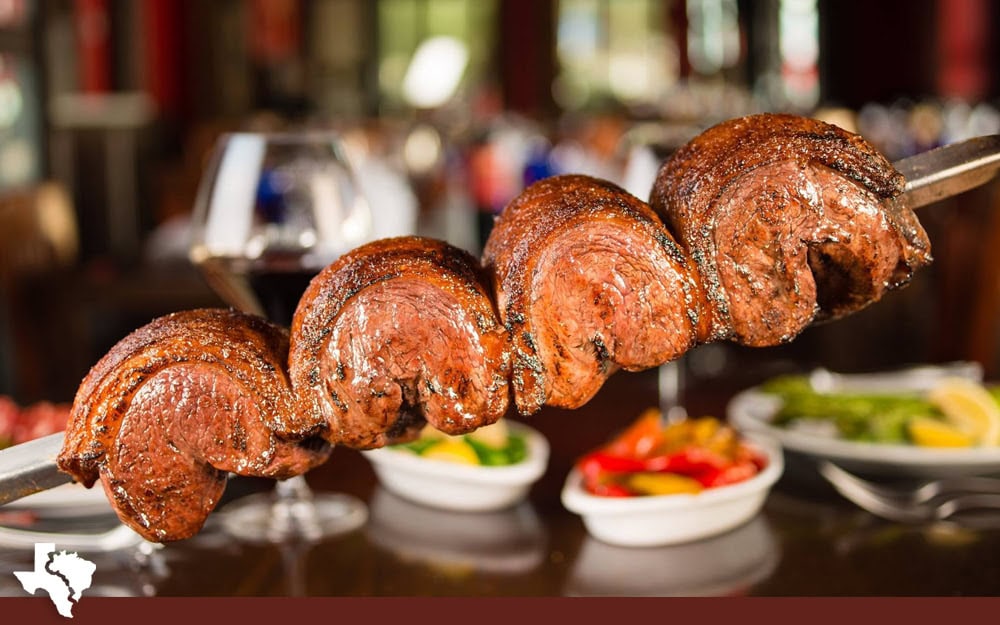
Fraldinha comes from the bottom sirloin, and it’s another option to consider – it has a looser grain than picanha with a noticeably deeper beef flavor that holds up well on its own. Alcatra is fairly similar in some ways (a little leaner across the board), and it’s traditionally done with just salt, which gives the natural flavor of the meat plenty of room to come through. Either one is worth a try if the spiced sirloin isn’t quite right.
Groups will usually split on spice, and a great churrascaria is built for that. The rodízio format lets one person at the table work through every spicy sirloin that comes around as another goes all in on the garlic picanha – and the two of them will leave happy by the end of the night. No one at the table has to love every cut, and a quick “no thank you” to the gaucho is all it takes if something comes by that doesn’t interest you. The whole format is there for you to eat as much or as little as you want. Every cut that visits your table is free for you to try, and the ones that you want to skip are just as easy to pass on.
Savor the Moment at Texas de Brazil
The seasoning can add actual warmth and depth to an already lean cut of beef, and the heat does the rest. A little context can help if your first time with a menu like this has left you a bit lost on the names.
The best plan for your visit is a pretty easy one. Give yourself a few rounds with the more familiar cuts first – it helps you get comfortable with the rodízio pace before the flavors get interesting. Flip your card over to green when you’re ready and wave down the gaucho who has the spicy sirloin skewer. A slice from the outer edge gets you the full spiced crust, and a cut from closer to the center is a bit milder. Whichever you go with, one bite explains more than words ever could – and after that first taste, it’s hard not to already think about which cut comes next.
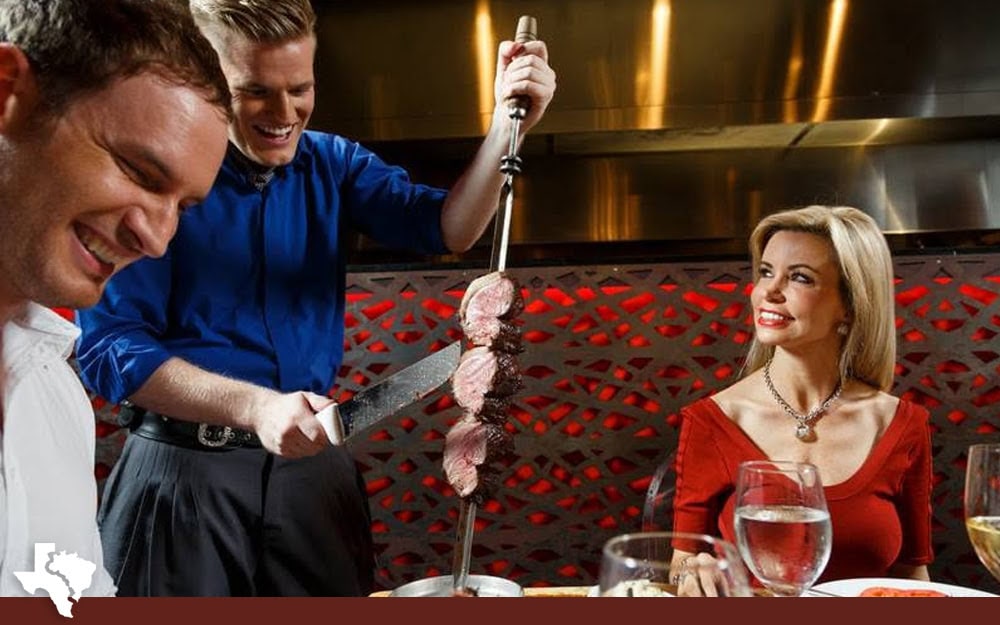
With that in mind, Texas de Brazil is a great place to answer that question for yourself. The gauchos come right to your table and carve from skewers loaded with spicy sirloin, garlic picanha, fraldinha, lamb chops, filet mignon and plenty more – and a 50-item gourmet salad area rounds out the meal with a variety of fresh options. Everything that you need is only a few clicks away whenever you’re ready to make a reservation, send a Texas de Brazil gift card or order premium cuts from the Texas de Brazil Butcher Shop. An eClub membership also gets you $20 off your next visit. Everything is ready – come and find your new favorite cut.