
Cachaça vs Rum – What Sets Them Apart?
Plenty of drinkers assume cachaça is Brazilian rum with a different label on the bottle, and it’s not an unreasonable place to land. The two spirits are made from sugarcane. They have deep roots in tropical climates, and they like to show up in the same kinds of cocktails. With that much in common, it makes sense to group them together.
That framing does cachaça a disservice. Cachaça has its own legal definition, its own raw ingredient and centuries of Brazilian heritage packed into every bottle. The comparison to rum is like calling Cognac just another French brandy – it misses most of what makes it interesting.
Rum and cachaça have more going on between them than just geography. The two spirits actually start from different points in the sugarcane process. They age in different types of wood, and they taste quite different from each other in the glass. Rum is usually made from molasses, which is a byproduct left over from the sugar refining process. Cachaça uses fresh-pressed sugarcane juice as its base. That one difference in the raw ingredient is what puts these two spirits on different paths from the very start.
That distinction matters whether you’re at a bar and want to order more deliberately or you’re at home and want to put together a better drink. The flavor, the smell and the mixing possibilities – it all changes at least a little depending on which one you reach for.
Cachaça has also earned a category all its own. Brazil legally protects it, and the United States officially recognized it in 2013 as a distinctly Brazilian product. It stands alone (with its own production standards and its own character). Full stop.
Let’s dig into what makes these two spirits so different!
Table of Contents
Fresh Juice Makes All the Difference
Fresh sugarcane juice and molasses come from the same plant. But as base ingredients for spirits, they produce very different results in the glass. Cachaça is made from the juice pressed directly from the cane – it gets fermented and distilled as it’s still fresh, well before any extra steps have a chance to change the flavor. Rum is made from molasses, which is the dark byproduct left over after sugar crystals have been refined out of the cane.
At harvest time, a sugarcane field moves. The stalks get cut, the juice gets pressed out immediately, and the grassy liquid goes straight into fermentation – no delays and no downtime. That freshness carries through the entire distillation process and ends up right there in your glass. Cachaça has an almost vegetal quality that traces directly back to that fresh juice, and it gives the spirit a character that rum just doesn’t have.
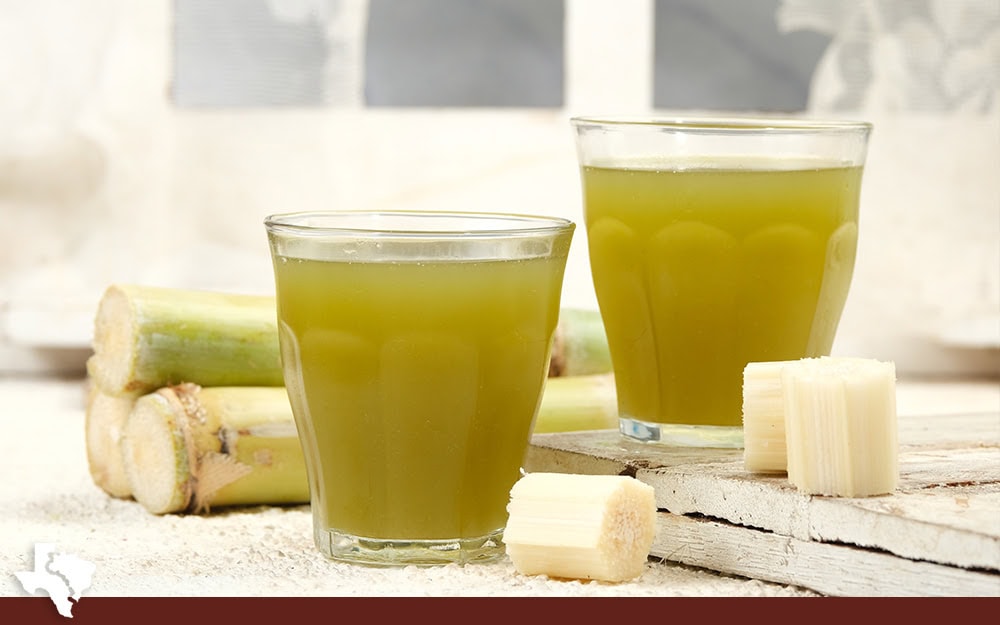
A sugar refinery is a different story altogether. The cane gets heavily processed, the sugar crystals are extracted, and what’s left over is molasses. Dense and heavily caramelized – the molasses carries a weight that raw cane juice just doesn’t have. The rum made from molasses absorbs that character – it helps explain why rum tends to hit with a heavier sweetness than cachaça does.
That single difference in raw material (fresh juice versus molasses) accounts for what makes each spirit taste the way it does. Cachaça tends to have more vegetal tones with a freshness that almost feels earthy. Rum goes in the opposite direction with deeper flavors that trace back to how heavily the molasses was processed.
These two spirits come from sugarcane. But each one is a snapshot of a very different point in that plant’s life – one at the field and one at the factory.
Cachaça Can Only Come From Brazil
Where a spirit comes from can matter just as much as what it’s made from. Cachaça is a legally protected name, which means it can only be made in Brazil – full stop. No exceptions and no workarounds. Anything made outside of Brazil can’t carry the cachaça name.
Rum has no geographic restriction like that. It’s made all over the Caribbean, Latin America and in all kinds of other places around the world – its wide reach is a big part of why it comes in so many different regional styles.
For a long time, cachaça was lumped in with rum here in the United States, which wasn’t doing it any favors when it came to building its own identity. That finally changed when the U.S. officially recognized cachaça as its own spirit category. For Brazilian producers, this was a big deal, and it helped put cachaça on the map for American consumers who had never even come across it before.
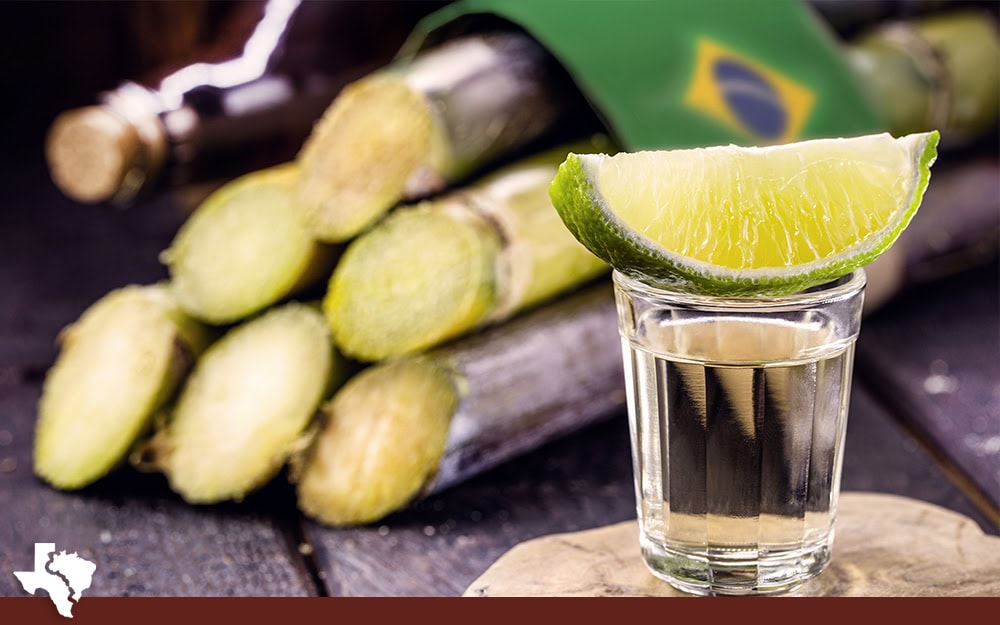
Legal recognition like this helps – it protects the identity of the spirit and gives the producers something concrete to stand behind. A bottle of cachaça is a promise about where it came from and how it was made – it’s a promise that rum, as a much wider category, can’t always make in the same way. Rum can come from almost anywhere and be made in all kinds of styles, which means the name alone doesn’t tell you a whole lot about what’s inside.
With cachaça, the label alone already tells you quite a bit about what’s inside.
With the geography out of the way, the more pressing question is what these two actually taste like – and the flavor profiles are where they start to go in two very different directions.
What Do They Actually Taste Like?
Cachaça has a flavor that’s hard to pin down – it carries a grassy quality that comes directly from the fermentation of fresh sugarcane juice (not the processed kind, but the raw juice that’s pressed right from the cane itself). Past that, there’s also a slight funkiness to it that you just won’t find in most other spirits on the market.
It’s why the distinction between the two actually matters. Swapping cachaça into a recipe that calls for rum (or the other way around) will make the end result taste pretty different. Not worse, just different. The flavors of these two spirits don’t have much in common.
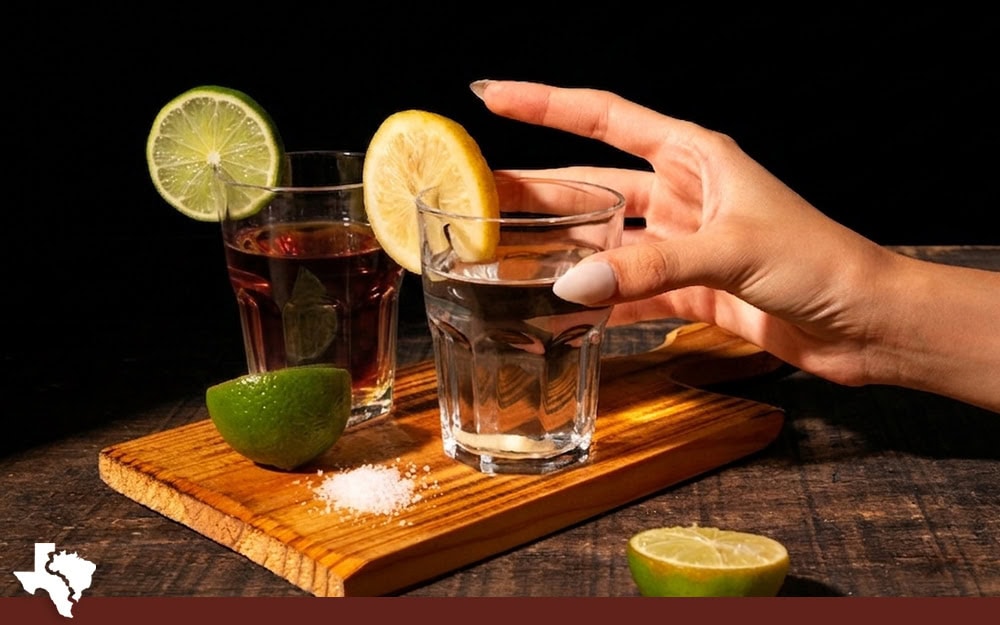
The same holds true when you’re drinking either one straight. Rum has a way of easing newcomers in – the natural sweetness makes it an easier entry for anyone just getting into cane spirits. Cachaça is a bit more of an acquired taste. It’s the spirit that rewards a drinker who’s willing to spend a little time with something unfamiliar. From what I’ve seen, those who push through that “wait, what am I tasting?” feeling with cachaça usually become its most devoted fans.
Neither of these spirits is the better option – each one was built around very different goals and very different flavor traditions. The next time you’re in the liquor store weighing the two, that difference is worth keeping in mind.
The Wood That Sets These Spirits Apart
So what ends up in your glass comes directly from whatever the liquid was sitting in before – and for these two spirits, the barrels they choose go in opposite directions. Rum producers have relied on American oak barrels for a very long time – more specifically, the ones that had previously held bourbon. A bourbon barrel does a great job of passing along those classic vanilla and caramel flavors to whatever spirit ages inside it. It’s a tradition that runs deep in the rum world, and the results have more than justified it.
Cachaça doesn’t follow that path at all. Brazilian distillers have a long tradition of aging their spirit in barrels made from native woods like amburana and bálsamo – and these are trees that you just won’t find anywhere near a Scottish distillery or a Caribbean rum house.
The wood itself plays a massive role in what makes these spirits taste the way they do. Amburana, for one, brings with it a warm spice and herbal character that just doesn’t have a direct equivalent anywhere in the rum world. A detail like that ends up separating these two spirits on a level that goes way deeper than just where the sugarcane was grown.
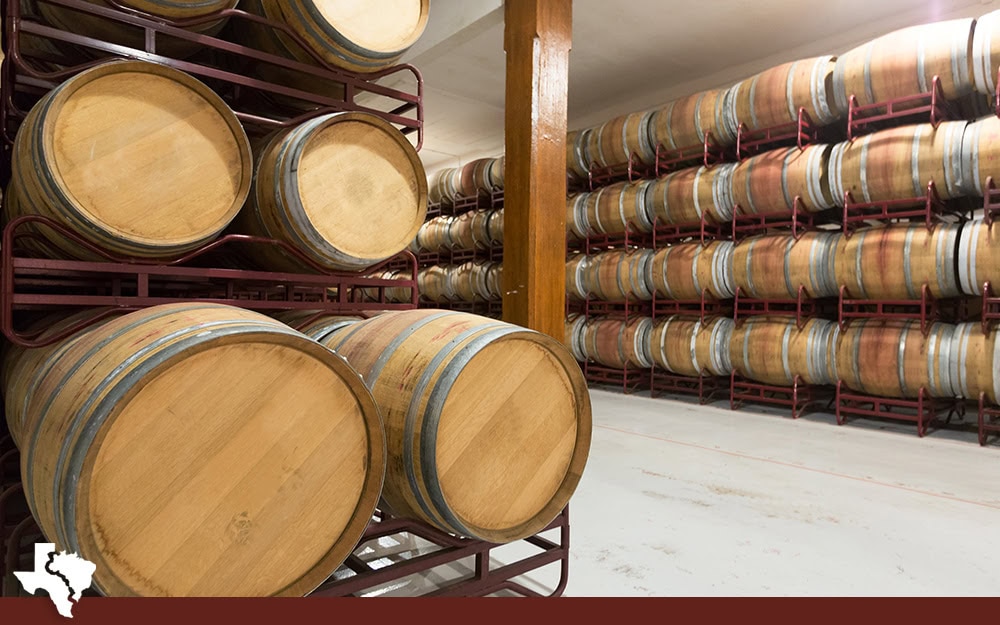
Cachaça and rum come from sugarcane – the same raw material and the same basic idea. But the barrel is where the two go their separate ways. An aged cachaça from a small Brazilian producer can taste like nothing else that you’d find on a back bar – it’s very much by design. Brazilian distillers have access to a wide number of native woods, which gives them a level of creative flexibility that rum producers (most of whom are pretty wedded to the oak tradition) just don’t have in quite the same way.
That’s probably the most underrated difference between the two, and it deserves quite a bit more attention – especially from anyone who tends to write off cachaça as “just a Brazilian rum.” If you look at what the wood actually brings to the finished product, these two are in very different territory.
The Cocktail That Made Cachaça Famous
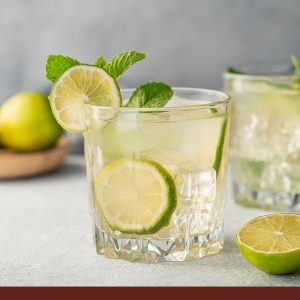
Quite a few drinkers have already had cachaça at some point – they just didn’t know it at the time. The Caipirinha (Brazil’s national cocktail) is made with cachaça, fresh lime, and sugar, and has done more to put this spirit on the map than any marketing campaign ever could. For decades, that one drink has been the single biggest ambassador for cachaça and has made its way onto bar menus all over the world. The cocktail became familiar in some places well before the spirit itself did.
Cachaça has a grassier quality to it, and it cuts right through the citrus in a way that rum just can’t match. Rum runs a bit smoother and a touch sweeter. That difference alone throws off the entire balance of the drink. On paper, it reads like a minor swap. Taste them side by side, though, and you’ll be able to feel that difference straight away. The character of cachaça is what makes the Caipirinha work.
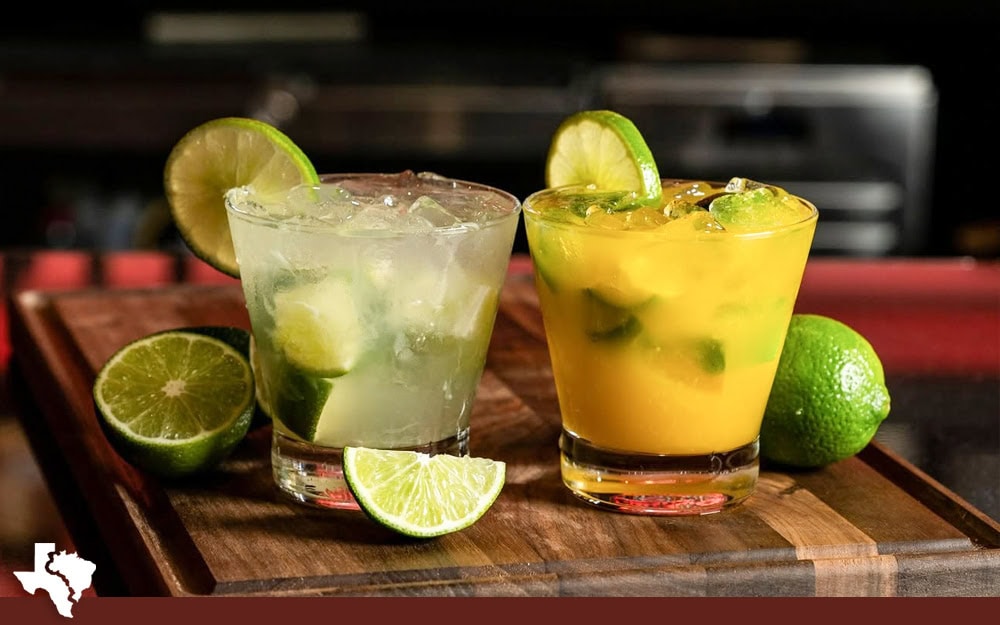
Plenty of drinkers still spend years ordering Caipirinhas without ever connecting the flavor to the spirit behind it. The drink is loved for its punchy taste, and cachaça is doing most of the work there.
Once you’ve made that comparison (even just a mental one), it gets quite a bit easier to see what actually sets cachaça apart from rum. That tends to be the second it all starts to make sense and you find yourself thinking about what else cachaça can do outside of that one cocktail.
Savor the Moment at Texas de Brazil
Cachaça and rum each come from sugarcane, which makes it natural to lump them together as more or less the same spirit. Look a little deeper, though, and the two go in very different directions – different production methods, different flavor profiles and different aging traditions that are all worth learning about before you order your next drink.
The raw ingredient, the barrel, the country of origin – none of it is trivia, and it all shapes the full picture. The more time you put into either spirit, the more it starts to sink in. Once that story is in your head, a cocktail menu or a back bar starts to feel like a very different place than it did before.
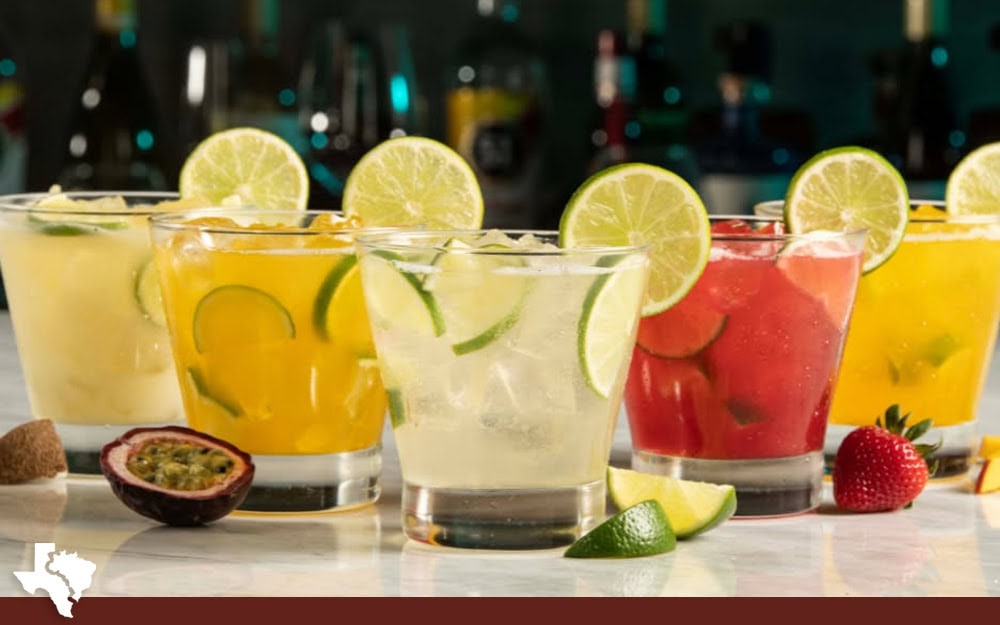
My favorite way to make this sink in is to just taste the difference yourself, and Texas de Brazil is a great place for just that. We carry cachaça at every location, and a Caipirinha at dinner is probably the most fun way to pull it off. It’s a drink that actually makes you pause mid-sip – suddenly, everything about the cachaça versus rum debate starts to make more sense in a way that a description alone just can’t quite replicate.
Our Texas de Brazil eClub gets you $20 off your next visit – a pretty obvious call. Gift cards are also available for anyone who’d love a meal like this, and our Texas de Brazil Butcher Shop lets you take some premium cuts straight to your own kitchen. When you’re ready, go make your reservation and give yourself something to look forward to.