
What is Lamb Picanha And How It Compares to Beef Picanha
Picanha made its name on the Brazilian churrasco circuit, and beef picanha has since built a devoted following well outside of South America. The cut’s signature fat cap and its rich flavor turned it into a fixture at backyard cookouts and steakhouse menus alike. Lamb picanha comes from that exact same tradition – and it carries every bit of that same appeal. Still, it flies well under the radar, which leaves plenty of curious grillers with far more questions than answers.
A chunk of that can get missed – and it’s where lamb goes wrong. The fat is different from beef fat – it has a waxy quality, and it renders at its own pace, so it needs to be handled with that in mind. Lamb’s gaminess is also not hard to take too far by accident – even a few degrees over temperature can push the flavor somewhere that you don’t want it. The trim matters just as much, because too much or too little will pull the whole cut off balance. And the herb options aren’t optional – they do actual work to bring the flavor together in a way that salt and heat alone just can’t.
Nail every bit of that and lamb picanha is one of the most rewarding cuts that you can put on a grill. Miss even one bit of it and you’ll end up with a cook that’s very hard to come back from.
So let’s talk about each cut and see how they compare!
Table of Contents
The Same Rump Cut on a Smaller Animal
Lamb picanha and beef picanha come from the exact same part of the animal – the top of the rump, right above the back legs. The muscle behind both cuts is called the biceps femoris, and it sits in the same anatomical position in both animals.
The two are built the same way – their anatomy lines up very closely. Where they start to change is in size, and it’s helpful to have a sense of that before you shop for either one.
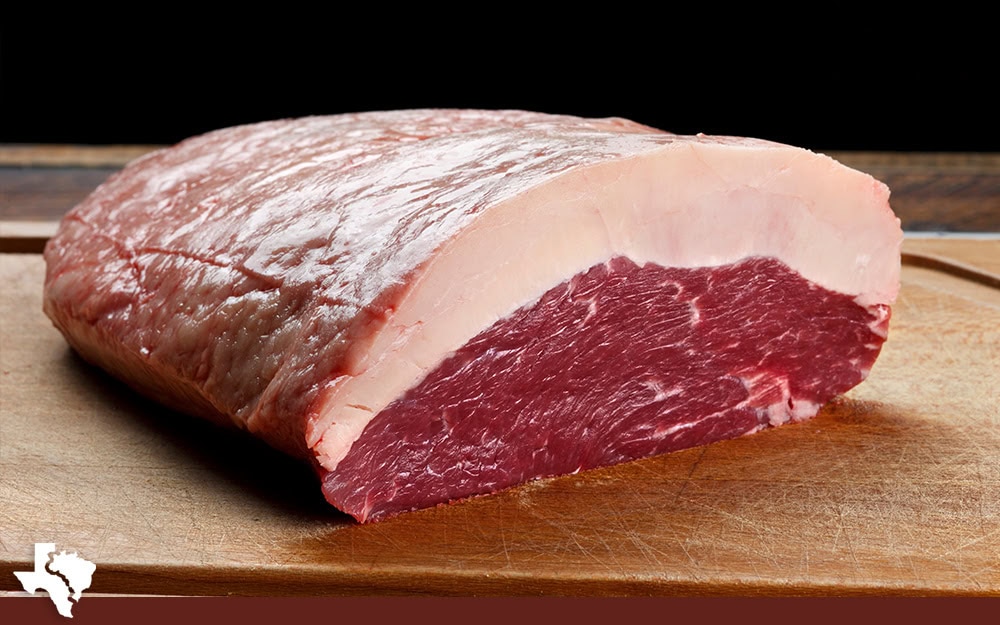
A beef picanha will usually weigh anywhere from 2 to 4 pounds, and that heft is where its dramatic triangle shape comes from. A lamb picanha, in comparison, tends to come in at closer to 1 to 2 pounds – it’s just what you get from a smaller animal, and once you account for that, it all makes perfect sense.
The muscle does the exact same job in both animals – lamb just has way less body mass to work with, so the cut itself comes out noticeably more compact. For anyone who has only ever worked with a beef picanha, the lamb version will look considerably smaller on your board (it’s perfectly normal). It still carries that same fat cap, the same grain and the same basic shape as its beef counterpart, just scaled down to fit the animal that it came from.
What actually needs to change is your expectations around the animal’s size, not the cut’s name. Lamb picanha is a legitimately delicious cut that cooks up well at that smaller size. Once you’ve spent a little time with it, it’s pretty easy to move between them.
The Fat Cap Sets These Two Cuts Apart
The fat cap is probably the first feature that you’ll notice about picanha – and it’s the same for lamb and beef. That thick white layer of fat sits right on top of the cut, and it’s what sets this particular cut apart. As the heat climbs during the cook, that fat slowly melts down into the meat, and everything stays very moist and tender all the way through.
The two cuts share that same quality, though the fat on lamb stands very much on its own. Lamb fat has a much stronger flavor than beef fat – gamey, almost waxy and the sort of flavor that you feel very strongly about, one way or the other.
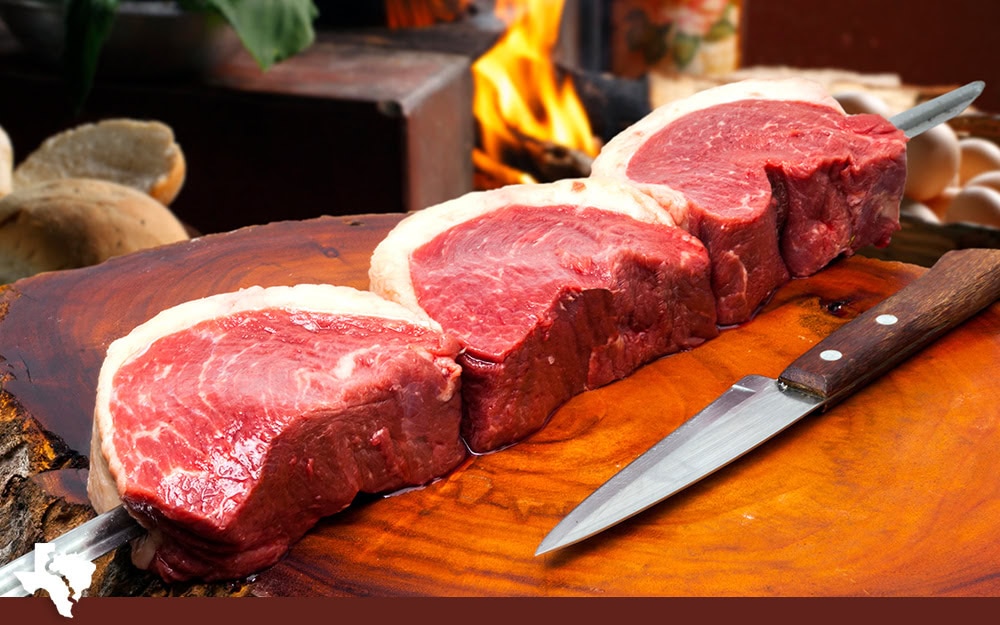
For anyone new to lamb picanha, the fat cap is worth a little extra attention. Left untrimmed, it can produce a pretty heavy dose of rich flavor – plenty to take over the whole plate. A quick trim before it goes on the heat is a small step that can make a difference.
The full cap doesn’t have to go, though. A light score or a quick shave down to about half a centimeter will still give the meat that same self-basting effect, and the flavor stays far more manageable. It’s more of a dial – one that you can adjust based on what you want.
Beef picanha, by comparison, has a much milder fat cap that you’ll find much easier to work with. The fat still brings richness and depth to the meat, but without that sharp intensity that you usually get from lamb. That difference in fat character is what sets these two cuts apart in how they taste and feel on the plate.
How Lamb and Beef Picanha Really Taste
Beef picanha has a flavor profile that’s hard to mistake for anything else. Rich, savory and with a buttery quality that just comes through once that thick fat cap has rendered down into the meat – each bite is full and satisfying in a way that most steak lovers will pick up on immediately. It’s the cut that just clicks when you eat it.
Lamb picanha is a whole different experience. The flavor leans earthier and more herbaceous, with that mild, signature gamey reminder that lamb is well known for. It’s nowhere near as sharp or funky as something like a lamb shoulder or a leg cut, though. The muscle here is leaner, and the finish is much cleaner compared to what most other lamb cuts give you.
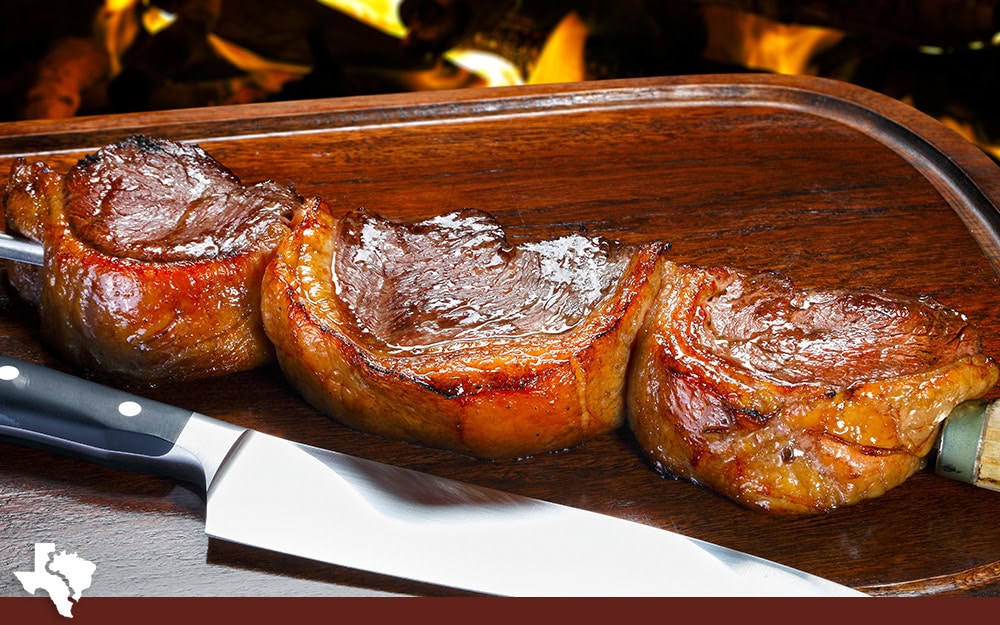
That cleaner flavor profile is a big reason why quite a few who would normally skip lamb actually like it when it’s prepared this way. The fat cap keeps the whole cut rich and flavorful, but it mellows out the more intense gamey notes so they don’t take over the dish. Give this cut another try if you’ve written lamb off in the past.
Beef picanha is about as safe and crowd-friendly as it gets when you have a mixed group – just about everyone at the table will be happy with it. Lamb picanha is a different story – it’s at its best when you want something bolder and with a bit more character on your plate. In any case, your best move is to get a read on your group before you choose between the two.
Get the Heat and Rest Right
The target temperature for lamb picanha is around 145°F – the same as beef, which at least makes it easy enough to remember! The hard part is how fast it gets there. Lamb picanha is a much smaller cut, so it can move from just right to overdone in a pretty narrow window. A reliable thermometer and a close eye on it are the two factors that matter most here.
A meat thermometer is your best tool for this cut – I wouldn’t skip it. Lamb already carries a gamey flavor on its own, and when the meat goes past the right internal temperature, that intensity gets quite a bit stronger. At that point, you can’t undo it. A decent thermometer removes the guessing and gives you a reliable read every time.
When cooks go by time alone, that’s right where it all starts to go wrong. Oven temperatures change, cut sizes change, and the clock doesn’t account for any of that. What you get is dry and overcooked meat with a sharp and overpowering flavor – it’s the version of lamb that gets a bad reputation, though it didn’t have to be that way.
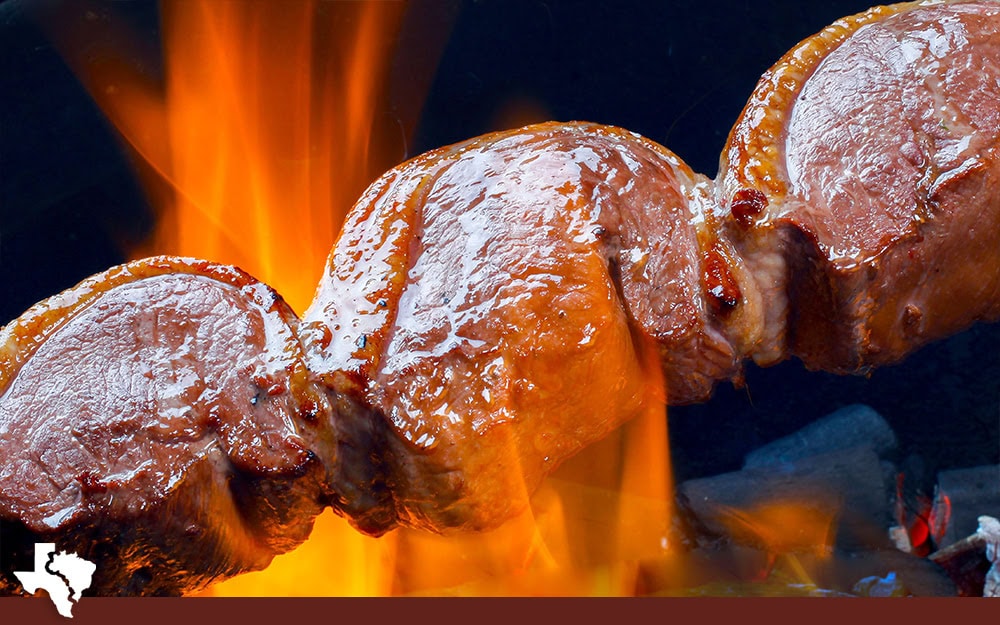
The fat cap on a lamb picanha deserves a little patience too. With a slower cook, the fat has time to render down slowly – it’s what holds the meat moist while doing quite a bit for the flavor. Push the heat too fast, and you’ll be left with a thick and waxy layer sitting on top of what could have been a beautiful cut of meat.
Once the lamb hits the temperature, pull it off the heat and give it a few minutes to rest before cutting into it. The juices need that time to settle back into the meat – skip that step, and they’ll run straight out onto the cutting board the second that your knife goes in. Even 5 or 10 minutes of rest changes how the final slice looks and tastes.
Where to Find a Lamb Picanha
Lamb picanha is not something you’re going to find in a display case at your average butcher shop – at least not without a little effort on your part. Most butchers just don’t cut lamb this way by default, so you’ll need to ask for it. And when you do, just make sure that you use the right name for it.
Halal butchers and specialty meat shops are usually the best places to start your search for a lamb rump cap. These shops tend to break whole carcasses down in more traditional ways, so the rump cap is far more likely to be available as its own separate cut. In any case, a quick phone call ahead is always worth it – you don’t want a wasted drive.
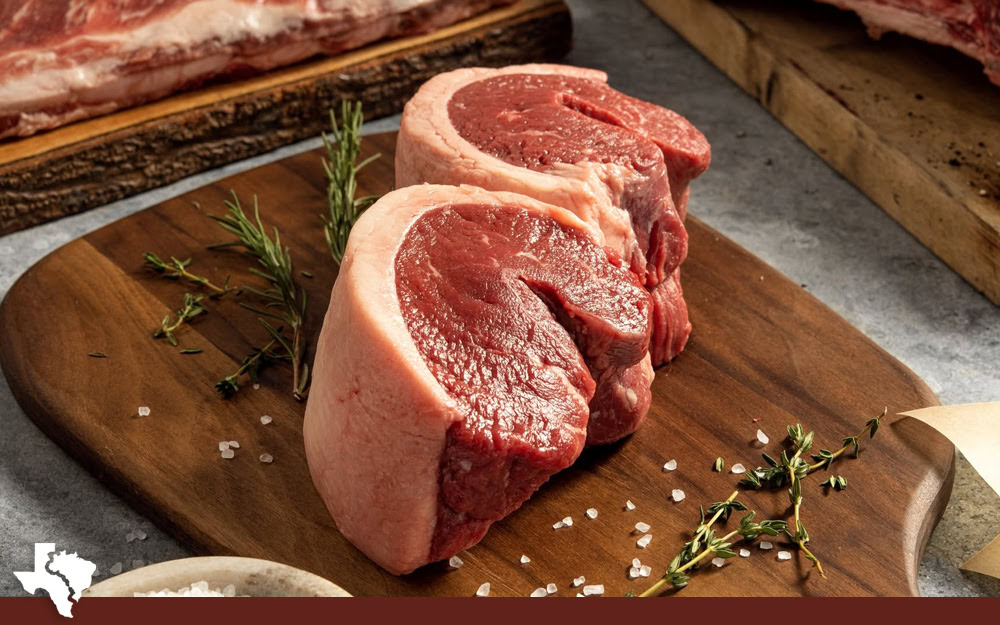
Don’t walk away after just one unhelpful response – it’s a missed opportunity. Not every butcher will know this cut (that’s fine) – it’s not something they hear every day. The more specifically you can describe what you want (the rump cap, with the fat cap still on, from the hindquarter), the more likely you are to actually leave with one. Most butchers respond well when you walk them through it – in my experience, specifics go a long way here. And if they don’t have it on hand, plenty of them are more than happy to set one aside for you before their next delivery, as long as they know what to look for. With a cut like this, a little persistence does pay off.
The Right Herbs and Rubs for Lamb
Lamb picanha carries a natural earthiness that beef just doesn’t have, which actually changes quite a bit about how you want to season it. The great news is that the earthy flavor plays well with herby ingredients – garlic, rosemary and fresh mint are all great picks. None of these flavors will bury what makes lamb worth eating – if anything, they pull that quality right to the surface.
A basic dry rub of crushed garlic, dried rosemary and coarse salt is one of the easiest ways to get great results with very little fuss. Press it in well and give the meat at least an hour to rest before it hits the heat. For a wet marinade, stir together olive oil, fresh rosemary, minced garlic and a splash of lemon juice, then let the meat soak for a few hours – overnight if you can manage it. That extra time does pay off in the final flavor.
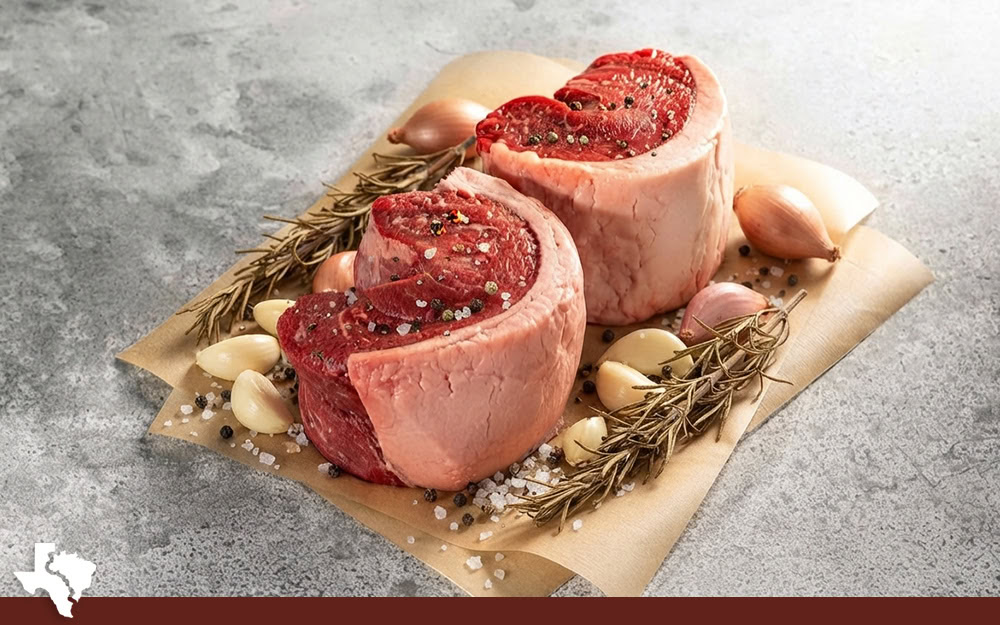
Heavy sauces don’t work with lamb picanha. A sweet glaze will just overpower the natural flavor of the meat – and that flavor is what makes the cut worth cooking. Fresh herbs and a little salt are all it needs.
Most cooks season lamb the same way they’d season beef (just salt, maybe a little pepper) and are left with something that tastes fine but never quite lands. Lamb has depth to it, and the right herbs pull all that out beautifully. It’s not a big adjustment to make, but it does show in what ends up on the plate.
Savor the Moment at Texas de Brazil
Lamb picanha is a cut that asks a little more of you before it gives anything back – a sharper eye at the butcher counter, a bit more patience at the grill and the willingness to try something that tastes pretty different from what you eat day to day. Get that right, and it pays off. It’s the same muscle as beef picanha, just a smaller frame, bolder fat and a flavor that’s earthy and like nothing else. That combination makes it a cut well worth the extra effort.
If lamb has let you down before, this particular cut is worth another try. A careful fat trim, the right herb pairings and a thermometer within arm’s reach matter for the whole experience. Words don’t do it justice until you actually get to taste it for yourself.
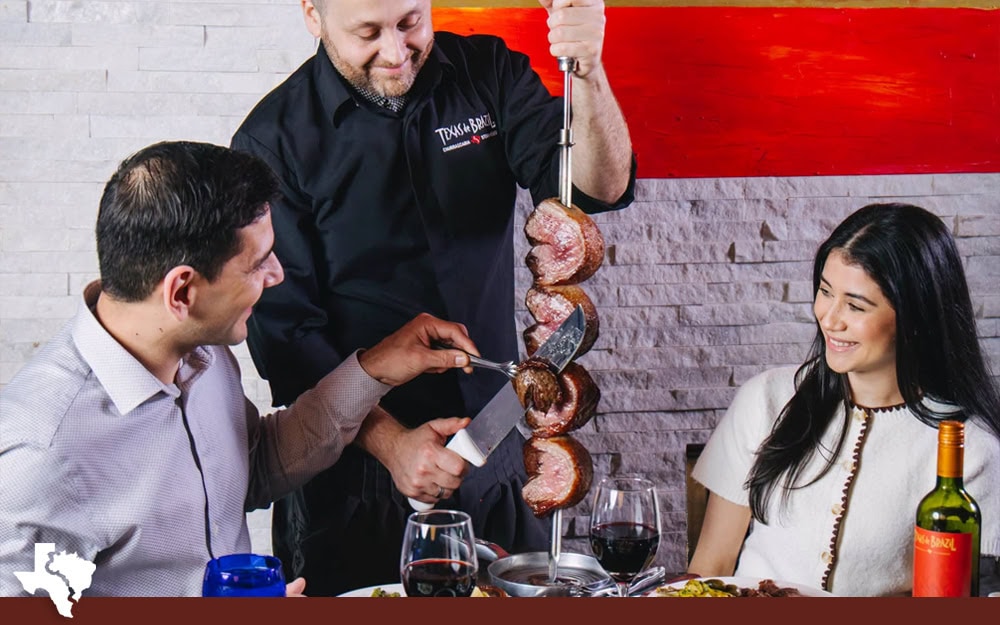
For those who’d rather not tend the fire themselves, we’ve handled that for years. Our gauchos carve flame-roasted meats right at your table (lamb included), and our massive gourmet salad spread gives you something fresh and satisfying to pair with every cut. The experience doesn’t have to end there, either. With the eClub, you get $20 off your next visit, and you can grab a gift card for anyone who loves a great meal, or order premium cuts straight from the Butcher Shop to eat at home. Whenever you’re ready to pull everyone together around the table, make your reservation and come see what the fuss is about.