
Brazilian Sunday Lunch and Why Families Gather for It
Sunday lunch is not a casual meal in Brazil. Families plan for it, travel for it and in some cases build their entire weekend around it. You’ve probably wondered why that midday meal means this much to Brazilian culture, and the answer is a combination of food, family and a way of life that generations of Brazilians have held onto and passed down.
The table fills up early and empties late. Grandparents, cousins, aunts, uncles and even the neighbors pack into the kitchens and living rooms. Slow-cooked beans and rice have been on the stove since morning. Almoço de domingo (Sunday lunch) can go for 2 to 4 hours without anyone even glancing at the clock – it’s not a coincidence. 5 days is a long time to go without the ones that you love, and for a Brazilian family, the Sunday table is where everything finally comes back together.
A missed Sunday lunch is almost never a small deal – it’s more like a quiet withdrawal from something most families treat as almost sacred, though no one has ever said it in those words. The families who protect this tradition are usually noticeably close-knit, and in my experience, that’s not a coincidence.
How you get together matters just as much as the time itself. Week after week, year after year (the same table, the same faces) – it’s what gives it all meaning. The bonds that form in those kitchens don’t hold together because of the food alone. They stay strong because everyone keeps coming back.
Let’s talk about what makes Brazilian Sunday lunch a great family tradition!
Table of Contents
The Sunday Lunch That Keeps Families Close
For Brazilian families, Sunday lunch is the one time all week when everything just stops. Between work, school and the general pace of day-to-day life, the week has a way of scattering everyone in a dozen different directions at once – and Sunday is the day that pulls it all back together.
Grandparents, aunts, uncles and cousins all usually show up, and what starts as a casual lunch turns into a full family get-together. The food matters, of course – and no one would say otherwise. At its core, it gives everyone a built-in reason to all be in the same place at the same time, which gets harder and harder to pull off as families grow and everyone’s schedules go in different directions.
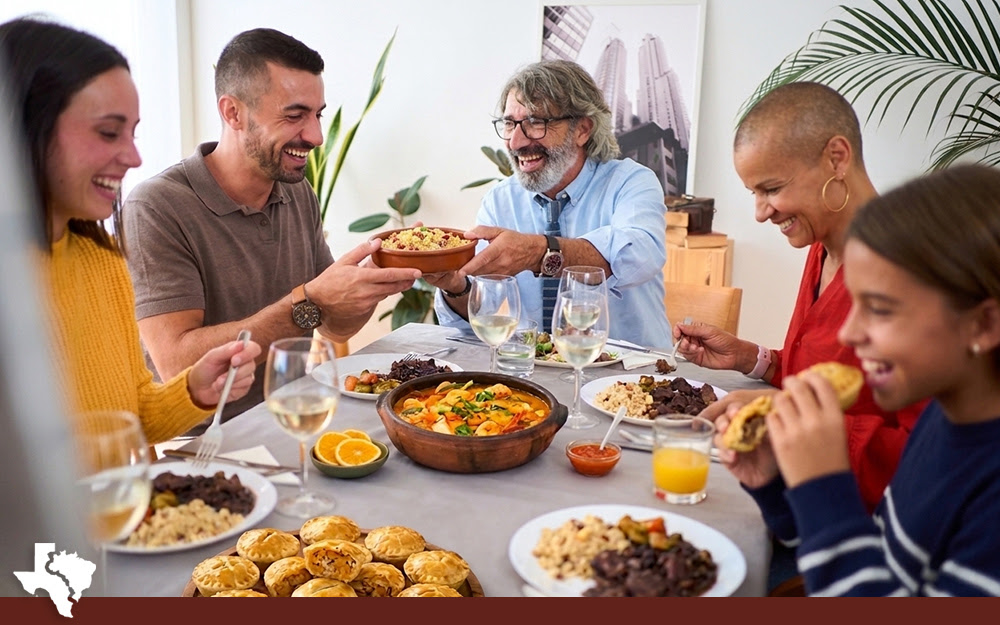
Older family members are usually the ones who hold onto this tradition the most. A grandparent who lives alone or who only gets to see their kids briefly during the week might go days without a sense of connection – and for them, Sunday lunch can be the best part of the whole week.
Younger generations see this as they grow up, and it leaves a mark on them. When they eventually start their own families and settle into their own weekly rhythms, Sunday lunch is usually one of the first traditions they bring with them. A tradition that carries that weight across so many generations is legitimately rare, and in Brazil, it’s held up for a very long time.
At this point, it’s less of a habit and more of a foundation – a core part of how Brazilian family life actually works.
The Dish That Makes Sunday Feel Like Home
Feijoada is the heart of the Brazilian Sunday table – a slow-cooked stew of black beans and pork that takes hours to make and even longer to do justice to. Rice, collard greens, farofa and fresh orange slices always come alongside it, and together on one plate, the whole spread almost looks like a beautiful painting.
Across Brazil, plenty of restaurants dedicate their entire weekends to feijoada – that one detail alone tells you almost everything about how much this dish is part of the culture, and it doesn’t get treated like just another item on the menu. For everyone sitting around that table, it’s more of an occasion than a meal.
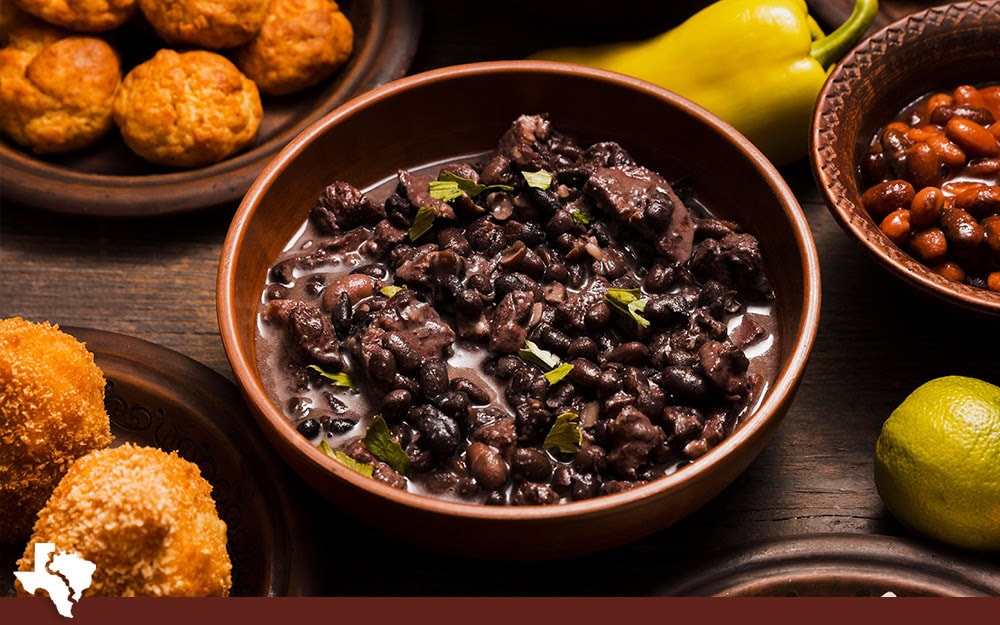
The emotional weight behind a meal like this has very little connection to the food itself – it comes from the repetition. Week after week, it’s the same dishes at the same table with the same family, and somewhere along the way, it builds into something that’s legitimately hard to put into words. They carry a connection with them – to family members who might not be around anymore and to a version of home that mostly lives in memory.
Feijoada is a dish that carries far more weight than any ingredient list could capture on its own. Very few dishes in the world can do the work that words alone just can’t – and feijoada has more than earned its place alongside them.
Her Kitchen Is the Heart of the Home
In a Brazilian family, the grandmother holds a position that’s hard to put into words. For most families, the vovó (the Portuguese word for grandmother that you can use with actual warmth and affection) is one of the main figures in the entire household, and her effect on the family around her tends to run far deeper than anyone ever stops to realize.
That comes back to food. A vovó’s feijoada (or the exact way she seasons her rice) won’t be found in any cookbook, and there’s no recipe card tucked in a drawer somewhere with any of it written down – it lives in her hands, in her timing and in the taste memories of everyone who ever ate at her table. When a daughter or granddaughter makes that same dish the same way, what’s actually happening is preservation – and most families feel the quiet weight of that (even if it never quite gets said out loud).
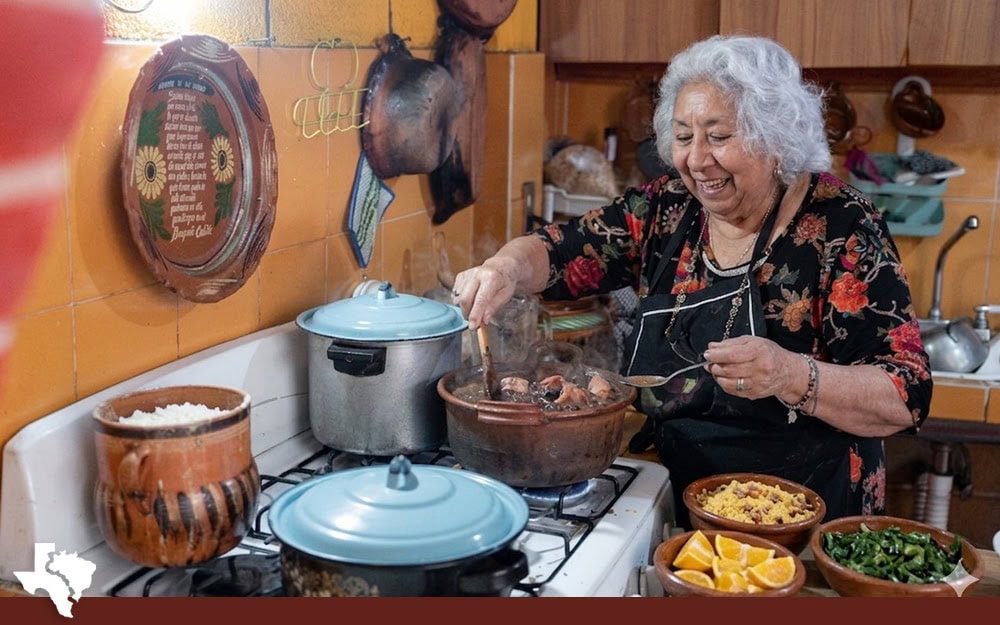
These recipes get passed down in one of the most personal acts of love that a family can share. There’s no ceremony and no formal announcement – it just happens at the stove, side by side, over years and years. Every bite of that dish carries with it the knowledge that it’s been made more or less the same way for decades – maybe even longer. That sort of continuity is legitimately rare, and it works its way through a family in a way that almost nothing else can.
Memory, identity and connection – all at once.
The Sunday Table Looks Different Across Brazil
What a family puts on the table every Sunday tells you quite a bit about where they come from. Brazil is a massive country, and the food that defines a Sunday lunch in one region can look almost nothing like what gets served just a few states over. Most folks outside of Brazil have no idea how wide that gap actually is.
Down in the south, beef dominates. Families there have a long and deep tradition of churrasco (slow-cooked meat over an open flame), and it’s less of a recipe than a ritual. A churrasco is almost an event unto itself, the kind that gets the whole family out of the house and all together around the fire.
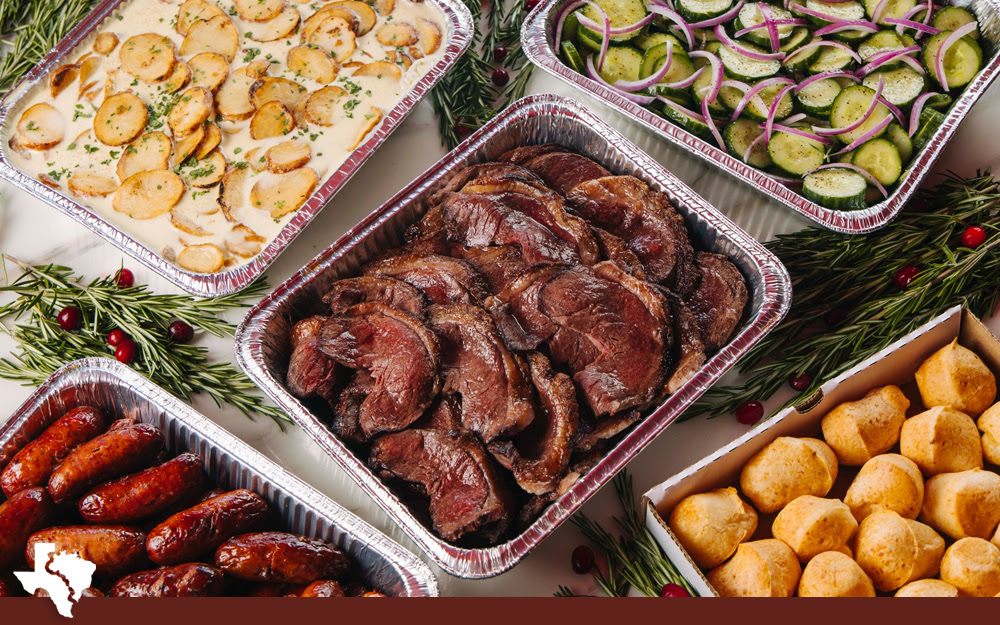
Head to the northeast, and the spread changes quite a bit. Carne de sol (a lightly salted and sun-dried beef) is a fixture on Sunday tables all across that part of the country. The flavor is very savory with a character all its own, and locals from that region are very proud of it. That loyalty doesn’t develop overnight – the way it’s made has been passed down through the generations.
São Paulo stands apart in this. The city took in massive waves of Italian immigrants throughout the late 1800s and early 1900s, and this history is still very much alive – especially on Sundays. Families there hold their Sunday pasta in the same regard and with the same pride and devotion as others hold their rice and beans.
A dish is never just food. It’s connected to the land it came from, to the history behind it and to who kept the recipe alive long enough to pass it down. A family in Recife that still makes carne de sol just the way their grandparents did – they’re holding onto something that matters. The same is true in Porto Alegre, in São Paulo and just about everywhere across the country. Food carries memory in a way that very little else does, and in Brazil, those memories go very deep.
Why the Whole Family Still Shows Up
There’s a fair amount of research on Brazilian family life that shows a growing change. As more young adults head to cities for work and school, the generational gap has been quietly widening – and families that were once close in proximity are now spending hours apart at a stretch.
Grandparents, parents and children all sit down at the same table on the same afternoon, and they trade the same stories they’ve probably told a hundred times. Sunday lunch is one of the most reliable ways that three generations stay connected.
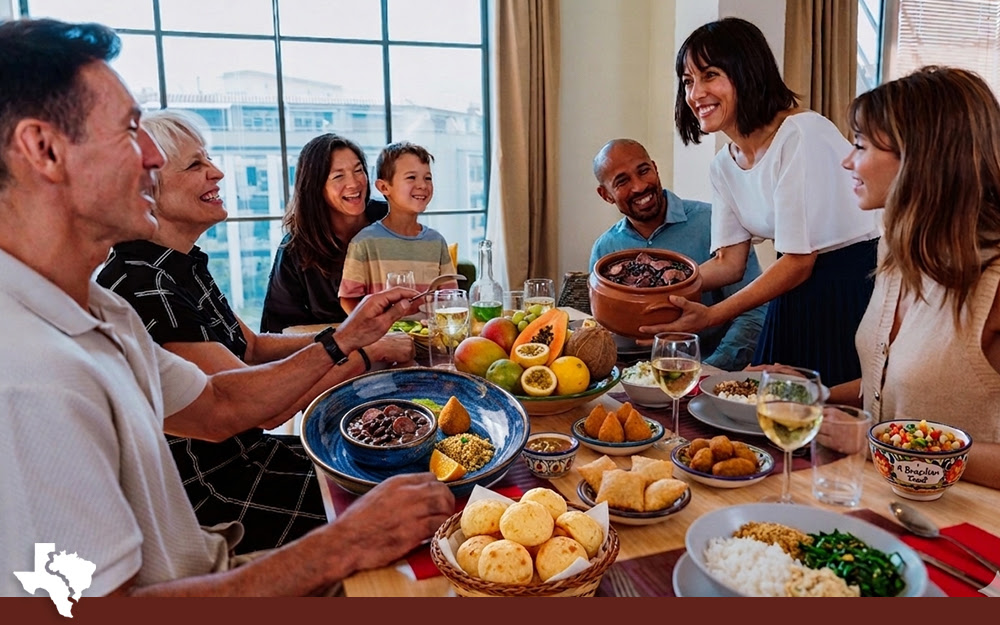
What’s interesting about this tradition is how it stays alive from one generation to the next. Kids who grew up at those long Sunday tables almost never need to be convinced to carry it forward once they have families of their own. At some point, it stops feeling like an obligation and starts feeling like something worth protecting – something they want their own children to grow up with.
That quiet handoff from one generation to the next is a big part of what makes Sunday lunch so lasting in Brazilian culture. Urbanization has changed quite a bit about how Brazilian families live and work – with smaller apartments, longer commutes and faster schedules. Even so, the pull to come together on a Sunday afternoon tends to travel with families instead of staying behind – it fits into new cities, new neighborhoods and new living situations without losing what’s at its core. Very few cultural traditions can hold that weight across so many generations, and from what I’ve seen, Sunday lunch manages it better than most.
How the Sunday Lunch Has Held On
Sunday lunch in Brazil has never been an easy meal to put together. But in the bigger cities, especially, it’s only become harder to hold on to the tradition. Longer commutes are taking up more weekend time. Most apartments are way too small to fit a dozen relatives around a table, and work schedules just don’t respect Sundays the way they used to.
Younger Brazilians are also living a pretty different life than their parents did. Quite a few of them have moved away for work and are hours away from home, so a weekly trip back just isn’t realistic for most. Routines have shifted over time, and for some, a full Sunday lunch with the whole family has gone from a weekly habit to something that now feels like quite a commitment.
Most families have found ways to make it work. Smaller gatherings have become more common – just the immediate family, without the whole extended crew. A number of households have shifted the meal to Saturday, and the weekly dinners have quietly become monthly ones for others. Even the food has become a little more relaxed – store-bought sides have started to replace the hours of home cooking the day before.
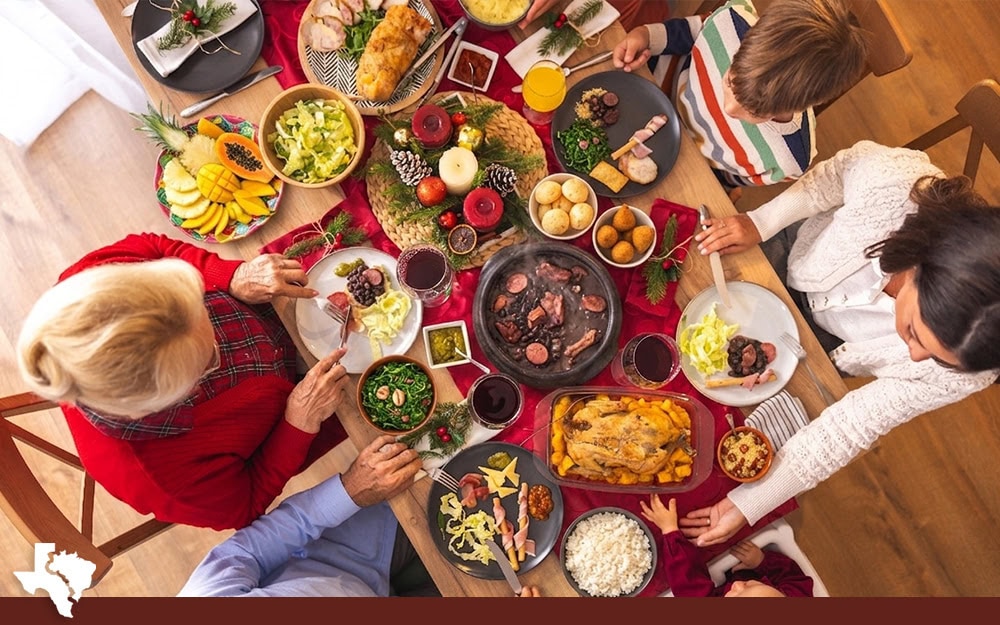
What actually happens when a tradition like this starts to fade deserves some attention. Without something to pull everyone back together on a regular basis, those relationships can quietly drift apart over time – even between family members who legitimately want to stay close.
A smaller or less standard version of the tradition still matters just as much – it still gets everyone to the same table, and it still creates the shared time that a text message or a phone call just can’t replace. For a lot of families, the format has shifted over the years – but what they’re after has stayed the same.
Why a Shared Meal Builds Real Belonging
Brazilians don’t take Sunday lunch lightly – and once you see why, it’s hard not to respect the whole tradition. The food is always the best part. But the meal itself is almost beside the point. What draws everyone back week after week is the commitment to sit down and spend some time with the ones who matter most. That rhythm builds into something real.
When a family makes it a point to come together (even just loosely), it builds a sense of belonging that’s very hard to find in any other way. After a while, everyone starts to count on it. Over time, that dependability starts to feel like home.
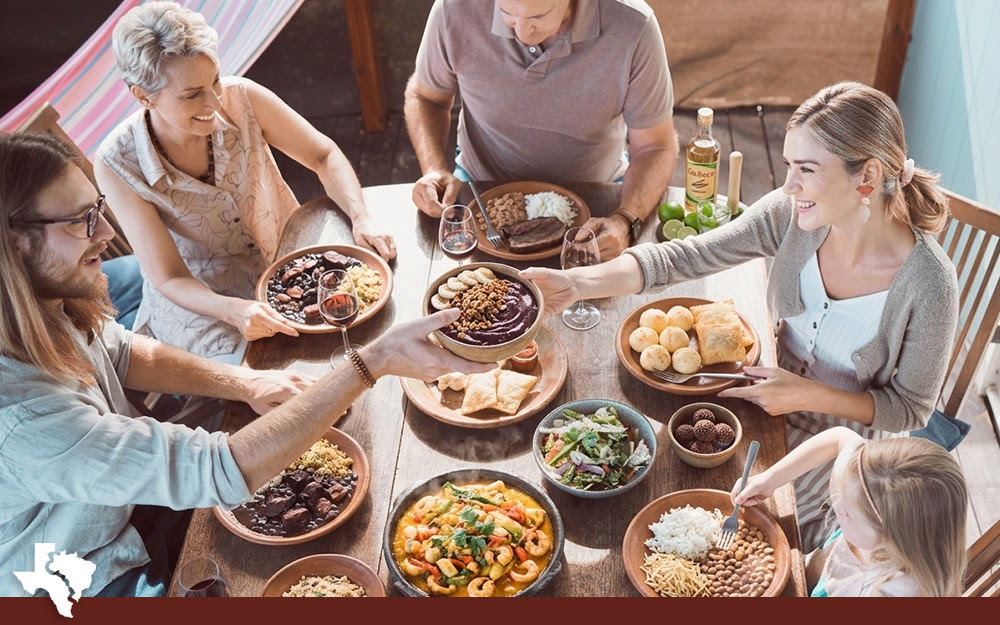
Plenty of cultures around the world have their own version of a weekly shared meal, and Brazil is not alone in that regard. What the Brazilian Sunday lunch has going for it is how well it’s held onto its place in day-to-day modern life – even as schedules get busier and families scatter across cities and neighborhoods. It hasn’t quietly faded into something nostalgic or once-in-a-while. For millions of Brazilian families, it’s still a very real and very weekly event.
It’s worth asking what this actually looks like in your own life – maybe it’s Sunday lunch or a Friday dinner or a Saturday morning at the kitchen table. The day itself matters far less than the habit of returning to the same table with the same ones week after week. That repetition is where genuine connection takes root – not in the big moments but in the quiet ones.
The Brazilian tradition is a down-to-earth way to stay in touch without much effort or ceremony. No big occasion is needed, and no big production is involved. All it takes is a great meal, a little bit of time and the genuine desire to make it a part of life.
Savor the Moment at Texas de Brazil
Meals like these have managed to survive modernization, migration and just about every other force that tends to pull families apart – and there’s a reason for that. Food can do what packed schedules and the best of intentions just can’t do on their own (it gives everyone a reason to stop, sit down and actually be present with each other) and that deserves to be protected no matter where you live or what your family looks like.
Every culture has its own version of this. The dish changes, and the day changes, and every family looks a little different from one house to the next. At the heart of it, the core never changes – a group that pulls up chairs at the same table because somewhere in the back of their minds they already know that these are the moments to hold onto. Trust that instinct.
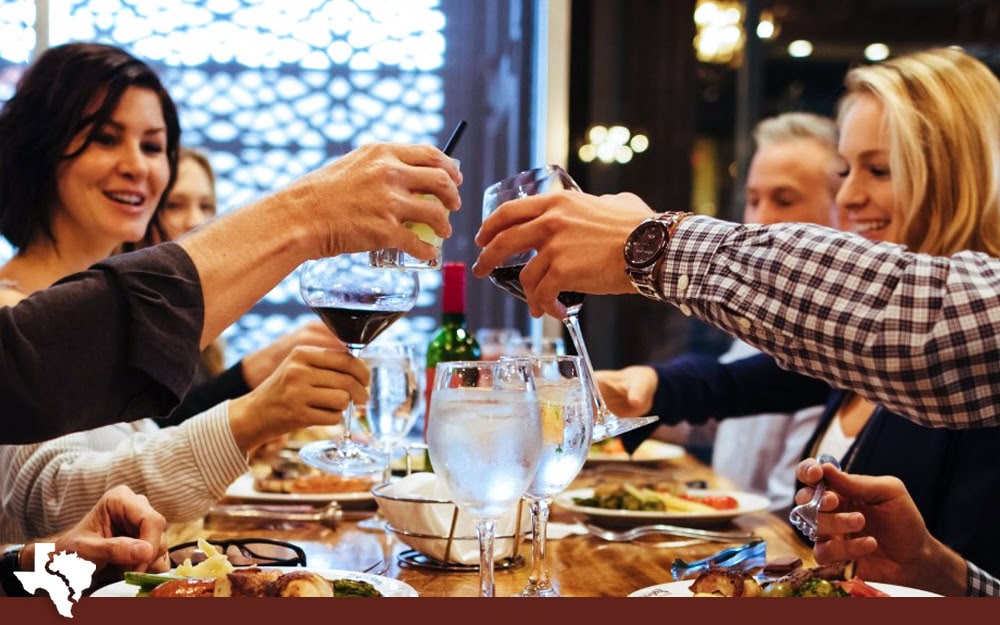
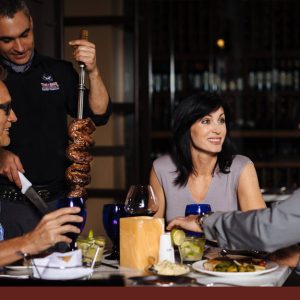
We built Texas de Brazil around something that doesn’t get celebrated nearly enough at restaurants – the meal where everyone slows down and enjoys themselves. The whole experience is rooted in the churrasco tradition, which is a cornerstone of Brazilian Sunday dining culture, and it shows in every detail. The Gauchos carve fire-roasted meats tableside, and a 50-item gourmet salad area rounds out the meal in a way that makes it all feel wonderfully satisfying. Whether it’s a big celebration or just a night where you want to eat well, a reservation is a great idea. Outside the dining room, we also have an eClub membership that gets you $20 off your next visit, gift cards for anyone who deserves a wonderful meal and a Butcher Shop where premium cuts can be ordered and delivered right to your door.
Even when life speeds up and the days start to run together, the table is always worth a return.