
What Is Cachaça And How Does Brazil Make Its Top Spirit?
Order a caipirinha at just about any beach bar and odds are you won’t actually know what spirit is in your glass. Cachaça happens to be Brazil’s national spirit, and it’s actually one of the oldest distillates in the Americas. It’s also one of the most misunderstood spirits you can buy. Most bartenders will just call it “Brazilian rum” because it’s faster and easier to explain it that way, and many drinkers either think it’s the same thing as rhum agricole or they just assume all cane spirits will taste the same.
This uncertainty is a shame because cachaça delivers flavors that don’t show up in any other spirit. The fresh sugarcane juice gives it a grassy, almost tropical brightness that’s all its own. Then you get some woodsy tones and layers of depth from the native Brazilian barrels that they use to age it. And it carries a cultural story that stretches back about five centuries. Dismiss it as just another tropical cousin of rum, and you’ll skip over a whole category of flavor and tradition that’s been built into Brazilian culture since the colonial days.
Brazil produces nearly 300 million liters of cachaça every year from over 1,200 registered distilleries scattered across the country. Only a small fraction of that massive volume actually gets exported, though. The same spirit that fuels Carnival and fills glasses in bars from São Paulo to Salvador deserves a lot more recognition outside of South America.
Let’s find out what this Brazilian spirit has to offer and why drinkers around the world love it!
Table of Contents
The Origins of Brazilian Cachaça
Cachaça is a Brazilian spirit made from fresh sugarcane juice, and it’s pretty different from rum or other sugarcane-based liquors you might be familiar with. The main distinction is all about timing and what actually goes into the fermentation tank. Distillers ferment the juice very soon after they press it from the cane – they don’t refine it or convert it to molasses, just the pure fresh juice moves straight from extraction into fermentation.
The Brazilian government takes this definition to heart enough that they put legal protections in place in 2009 with Law 6.871. This law outlines exactly what can and can’t be called cachaça. For a spirit to earn the cachaça label, it needs to be distilled from fresh sugarcane juice (not from molasses or any other sugar source) and has to be made in Brazil. These protections help keep cachaça’s identity in place and make sure that if you buy a bottle, you’re getting an authentic cachaça.
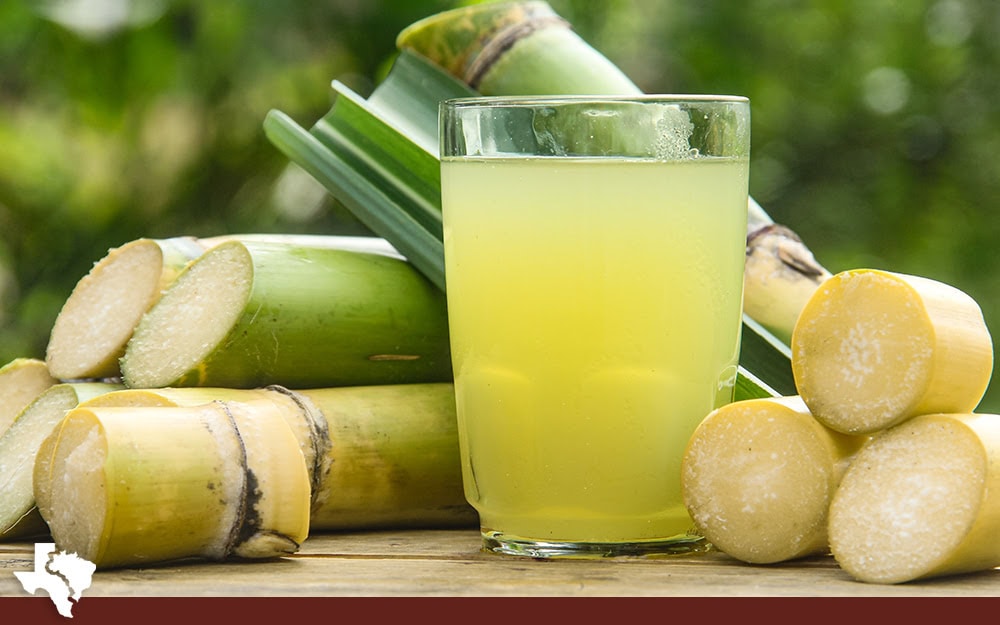
Cachaça has a pretty long history – it goes back to the 1500s when the Portuguese colonizers first arrived in Brazil and brought sugarcane along with them. They planted it across the region, and the plantation workers found out that they were able to ferment and distill the sugarcane juice into a pretty strong spirit – and that’s how cachaça came to be.
Outside of Brazil, cachaça might not be that simple to find at your local liquor store. For most of the drink’s long history, it was only made and sold inside Brazil, and that’s where it eventually became the country’s national spirit.
Exports to other countries have only picked up in the last few years, and cachaça isn’t on all of the shelves around the globe yet. Even with centuries of tradition and culture behind it, cachaça just isn’t as popular as most other big spirits on the market – for now!
What Makes Cachaça Different from Rum
Cachaça and rum get mixed up all of the time, and it’s no mystery why. These spirits both use sugarcane to create their alcohol. What sets them apart is which part of the sugarcane actually gets used. Most rum is made from molasses – that’s the dark syrup that remains after the sugar gets processed and extracted. Cachaça doesn’t bother with the molasses at all and uses fresh sugarcane juice instead.
The type of source material you use is going to matter in the final flavor profile. Fresh cane juice has these nice grassy and vegetal flavors that you’re just not going to get from the molasses. The taste is going to be way brighter, and you’ll actually be able to taste more of the original cane in each sip. Molasses-based rum is going to taste sweeter and feel heavier on your palate because the molasses itself has already been cooked down and concentrated from the raw cane juice into something different.
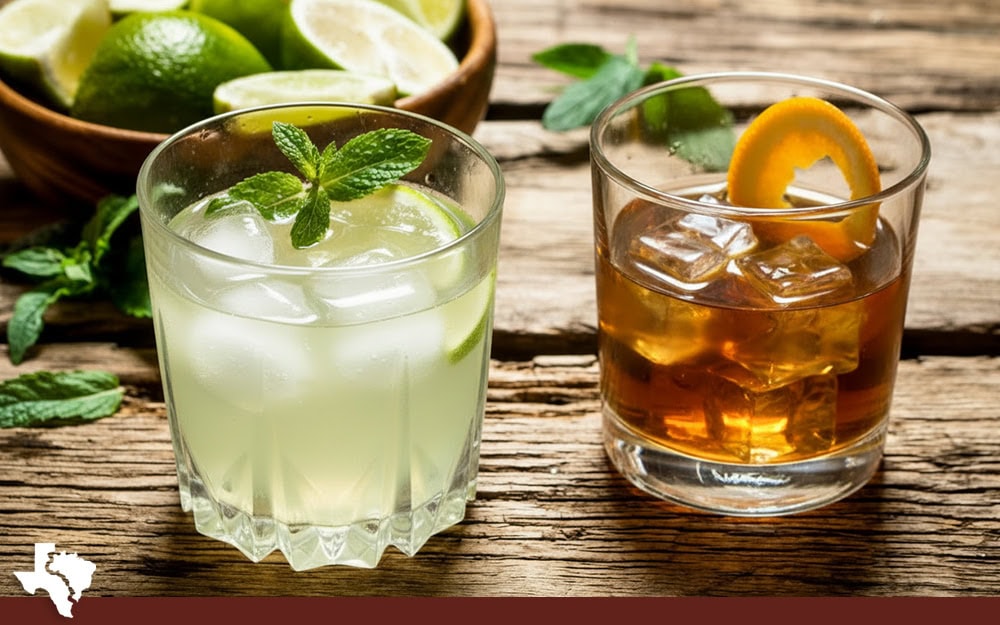
Plenty of bartenders and spirit experts lump cachaça and rum together when they’re first learning about these spirits. Taste them side by side, though, and the fresh sugarcane juice in cachaça gives it a different character on your palate.
One exception does deserve a quick mention. Rhum agricole from Martinique also relies on fresh sugarcane juice instead of molasses, and it’s probably the closest spirit to cachaça that you’ll find in the spirits world. Even with these similarities, these two spirits aren’t actually the same. They use different production methods, and the terroir shapes them in different ways. The French Caribbean islands have their own climate and soil conditions that give rhum agricole its character. Brazil has its own environment and traditions that shape cachaça, and that’s why each spirit has its own personality.
Two Different Ways to Make Cachaça
Brazil produces cachaça in two very different ways. The first way is all about scale and efficiency. Large commercial distilleries use column stills to produce very large quantities of the spirit in a fairly short amount of time. After distillation, everything goes straight into stainless steel tanks for storage, and this keeps the whole process moving fast and keeps the production costs as low as possible – it’s the type of cachaça you’re going to see on the shelves at most bars and liquor stores throughout the country. It’s reliable, it’s affordable, and it delivers just what you’d expect from it every time.
The other way of making cachaça is a lot more involved and personal. Small-batch producers skip the massive column stills altogether and work with copper pot stills instead. As the cachaça heats up and moves through the still, the copper metal reacts with the spirit, and it strips away sulfur compounds on contact. If you don’t have this copper interaction, those sulfur compounds would stay in the cachaça and give it a harsh, metallic flavor that nobody wants to drink. This chemical reaction between the copper and the spirit happens right inside the still as everything heats up. A small distillery out in Minas Gerais operates at a different pace. The master distillers there monitor the fermentation process closely, and they’ll make adjustments on the fly based on whatever they’re seeing and tasting right then. Wild yeasts work to convert the sugarcane juice into alcohol, and each batch acts a little differently from the last one because of the season, the temperature and probably a dozen other factors that change day to day. An industrial facility that pumps out thousands of liters per day just can’t work with that level of personal attention.
Industrial cachaça is all about consistency, and you can scale up production to meet the demand without sacrificing quality. Artisanal cachaça takes a different strategy – it captures the character of the particular region where it was made, along with all of the small decisions that each distiller made throughout the process. These two types have earned their place in the market. Industrial cachaça keeps the glasses filled at bars and restaurants all across Brazil, and artisanal batches become the bottles that dedicated bartenders and collectors actively look for because each one gives you something a little bit different.
How Brazilian Woods Shape the Spirit
Once the distillation process is finished, that’s actually when the magic starts to happen. Most of the spirits around the world get aged in oak barrels because it helps them develop more layered flavors and character over time. Cachaça producers in Brazil decided to go a different way.
Premium cachaça makers usually age their spirits in native Brazilian woods instead of traditional oak barrels. Amburana, jequitibá, bálsamo and jatobá are some of the most popular selections, and each one gives its own different flavors to the finished spirit. Amburana is known for the warm hints of cinnamon and vanilla that come through in the final product. Bálsamo brings a gentle sweetness to the table and a balsamic richness that helps balance everything out.
Cachaça turns into something different at this stage of the aging process. These particular woods only grow in Brazil’s forests, and they shape the spirit in ways that oak barrels just can’t match. Terroir matters in cachaça production, and it’s a much bigger deal here than you’ll find for most other spirits on the market.
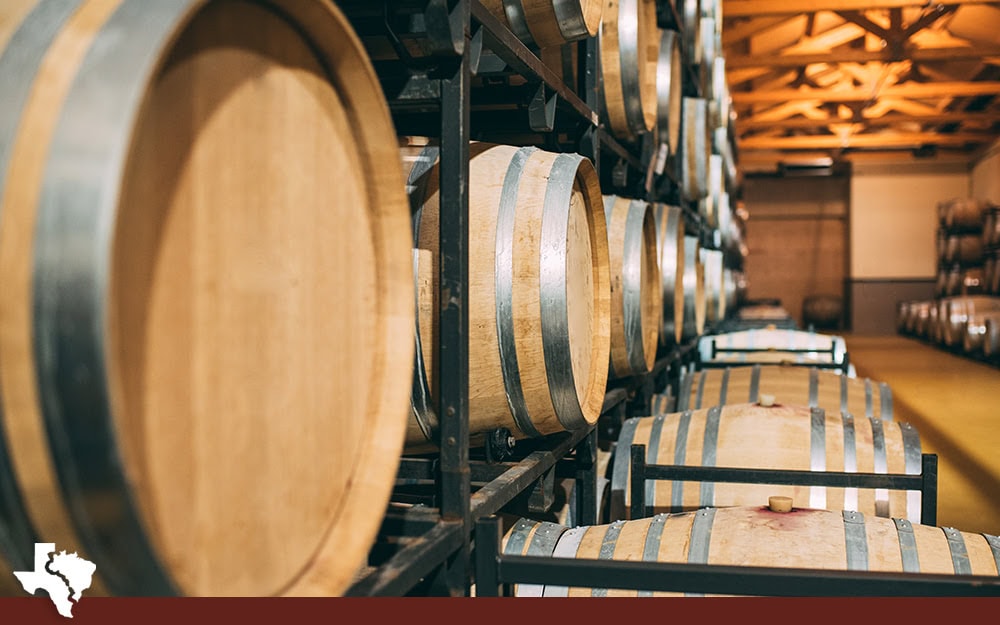
The sugarcane grows right there in the Brazilian soil. Fermentation happens with wild yeasts that are actually native to the region. The spirit then ages in the wood from trees that grow in that same ecosystem. Everything (the sugarcane, the wild yeast and the aging wood) comes from one particular geographic location.
All these layers (the place, the process and the special ingredients) work together to make cachaça something different from any other spirit. The woods used for aging don’t grow anywhere else on the planet, and you can taste that distinctiveness right in the glass.
Best Ways to Drink Your Cachaça
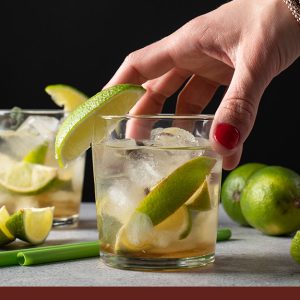
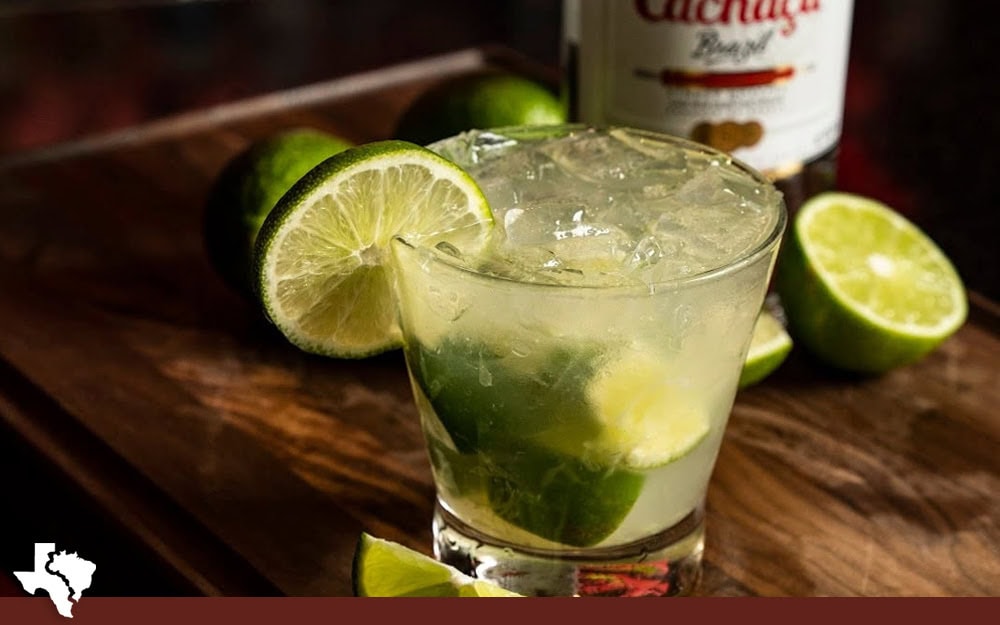
Once you’ve seen how cachaça goes from sugarcane to the bottle, the natural next question is about the best way to actually drink it. For most newcomers, a caipirinha is where it all starts – it’s Brazil’s national cocktail, and it earned that title for real reasons. The recipe calls for cachaça, fresh lime and sugar, and they blend together to create something that’s tart, sweet and really refreshing when you’re trying to cool down on a hot day.
The caipirinha is a drink that only works with cachaça as the base spirit. Swap it out for vodka and the drink turns into a caipiroska instead. Use rum, and it turns into a caipiríssima. All three of them have their fans, and bartenders will debate which one is best. The original recipe was designed around the way cachaça tastes, though, and those particular flavors are what make the drink work the way it does.
Caipirinhas are great. But they’re not the only way to drink cachaça. A bottle that’s been aged for a while can be smooth enough to sip on its own, just like whiskey after dinner. When cachaça sits in barrels for a while, it picks up plenty of depth and character from the wood and at that point, it doesn’t need any mixers or elaborate garnishes to taste great all by itself.
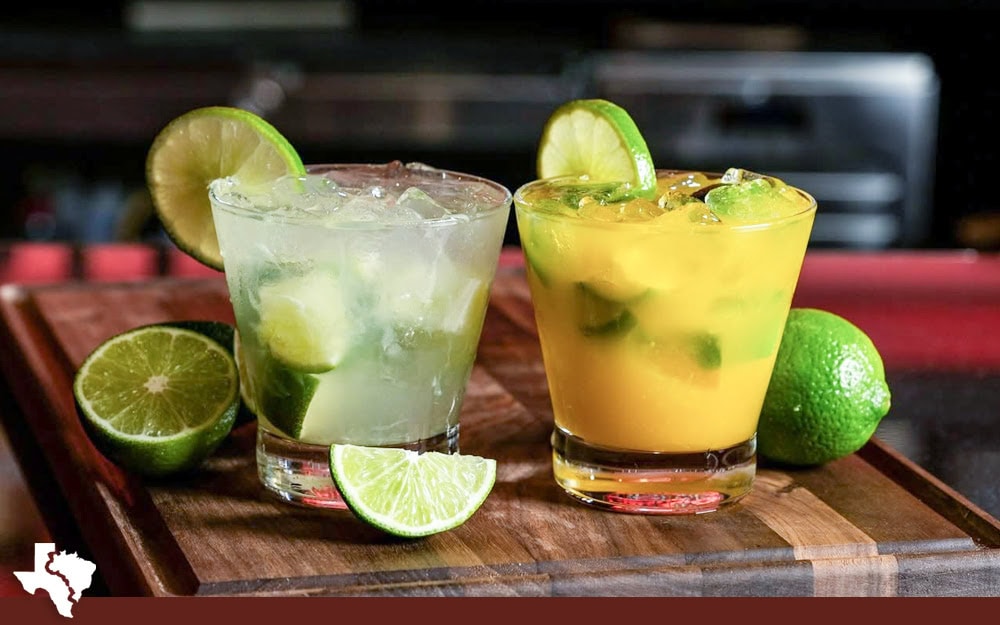
Bartenders at cocktail bars experiment with cachaça in all kinds of creative ways. Margarita variations are popular, and tropical fruits like passion fruit or mango pair very well with it. It’s actually a lot more flexible than just a lime-and-sugar pairing. Most cocktail recipes that call for white rum or tequila work well with cachaça as a substitute, and you usually only need to make small adjustments to the ratios.
A caipirinha is probably the most famous way to drink cachaça, and it’s earned that reputation for a reason. Of course, it’s not the only option worth trying if you want to see what this spirit can do. Young cachaça is sharp and grassy with a strong vegetal bite, and older bottles get smooth and develop layered, nuanced flavors from the time they spend aging. This range is what makes cachaça great to sip straight or use as a base for creative cocktails.
Savor the Moment at Texas de Brazil
Cachaça is a spirit that opens up your appreciation for how traditions and flavors come together in a culture. Brazil’s national spirit has hundreds of years of history in every bottle, and the best way to learn what makes it worth trying is to actually experience it for yourself. I’d recommend picking up two bottles – an unaged one and one that’s been aged in wood and then tasting them side by side. Just those two bottles will show you the different profiles that cachaça can offer. There are bright and grassy flavors on one end and something that’s smooth and full of depth on the other.
This drink is tied so closely to Brazilian culture, and that’s one of the best parts about it – it connects to the families who make it, the sugarcane fields where it all begins and the celebrations and gatherings where friends and family share it together. A glass of it gives you a genuine sense of what makes Brazil Brazil.
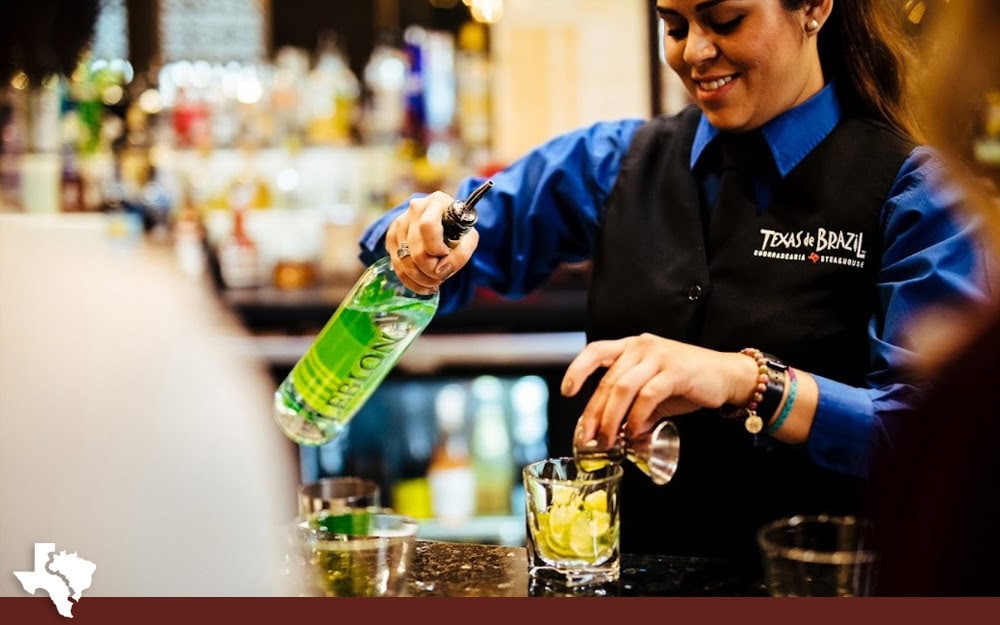
Brazilian traditions are all about celebration and authentic flavor, and Texas de Brazil brings that same feeling to every meal. Our churrascaria sticks to the traditional Southern Brazilian cooking methods – fire, quality cuts and plenty of hospitality. Maybe you’re celebrating something big, or maybe it’s just a dinner out with friends – in either case, our gauchos will carve premium cuts right at your table, and the salad bar has tons of fresh options to go with your meal.
To check it out, reservations are quick to make online, or you can sign up for our eClub to get deals and updates about what’s new. Gift cards are available, too, if somebody on your list deserves a meal that they won’t forget anytime soon.