
What is Brazilian Vinaigrette? Ingredients, History & Dishes
When you think of sauces in Brazil, your first thought is probably a green sauce like chimichurri. We do love our green sauce, but there’s a lot more on the menu than just the herbaceous blend. In fact, another classic that you can find just about everywhere is the Brazilian vinaigrette.
Known in Brazilian Portuguese as Molho a Campanha, the Brazilian vinaigrette is unlike what you might be thinking when you picture a vinaigrette dressing. When you think of that term, you probably think of an oil-and-vinegar base for a salad dressing, usually mixed with herbs, garlic, or some other flavors like fruits.
The Brazilian vinaigrette is very different, so let’s talk about it, where it comes from, and why you should give it a try.
Table of Contents
What is Brazilian Vinaigrette?
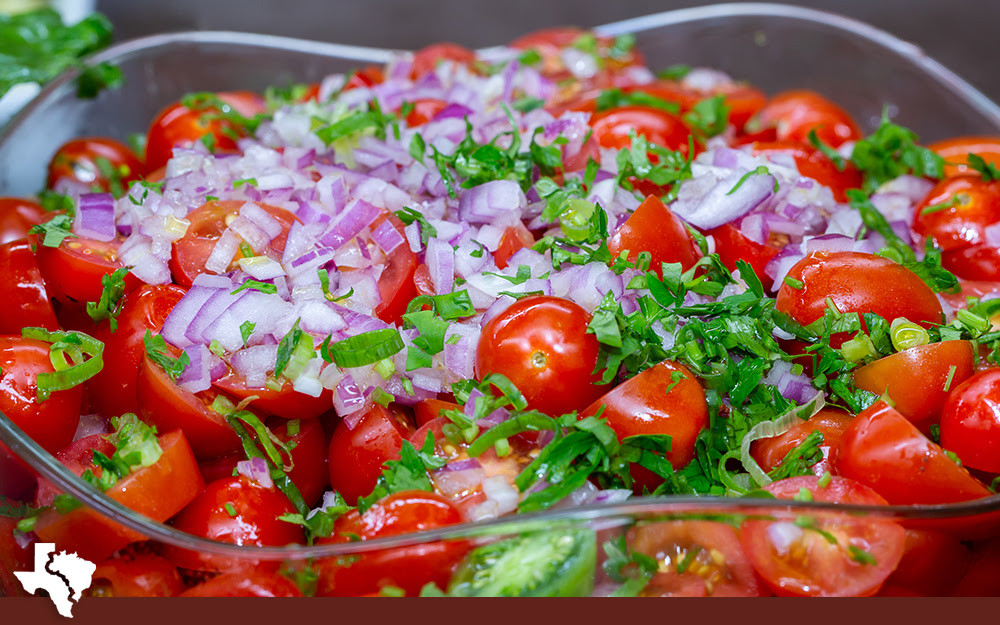
First of all, a Brazilian vinaigrette is very different from the vinaigrette dressings you usually see carrying the name. Instead, it’s more of a salsa and has more in common with something like pico de gallo than anything. It’s also known as a sauce, a condiment, or even a slaw.
So why does it have the name vinaigrette?
It actually doesn’t! Well, not really. It’s a quirk of language.
While a lot of recipes online call it a Brazilian vinaigrette, the actual word used for it in Brazil is vinagrete. Vinagrete is the Portuguese version of the word, but it’s not really used the same way vinaigrette is used, and instead just references this one condiment.
This also has to do with the Brazilian tendency to name foods after one of their primary ingredients. You’ll also, for example, see a lot of things known as “maionese a [something]”, such as potato salad, maionese de batata. Since mayonnaise is a key ingredient, it gets the name.
A lot of different condiments and dressings take on the name vinaigrette, and it’s all because of the eponymous ingredient: vinegar. It’s more of a modern understanding that the name vinaigrette has solidified to be synonymous with the salad dressing. There’s even a whole salad, including beets, potatoes, pickles, and more, in Russia, named vinegret.
All of this is to say that Brazilian vinaigrette, or vinagrete, is more of a salad than a dressing. Vinegar is a primary component, but there are more flavors besides, and the texture is just as important.
There’s one more name for Brazilian vinaigrette, and it’s the English translation of molho a campanha: campaign sauce. Why? It’s not really clear. Maybe it originated in Campanha, a parish located in Porto, Portugal. Or maybe it originated in Campanha, a town in Minas Gerais, Brazil. Or maybe it just took on the name through some other history. There’s no clear origin here, so we can’t give you much.
What we CAN give you is an excellent recipe for molho a campanha, so you can make some yourself.
How to Make Brazilian Vinaigrette: The Ingredients
Like a lot of recipes in Brazil, the molho a campanha is a very flexible and customizable recipe. In fact, the core recipe only has a few ingredients.
- Tomatoes. Every Brazilian vinaigrette is packed with diced tomatoes, and with good reason. The tart and tangy nature of tomatoes brings a light crispness to the condiment that pairs exceptionally well with anything you want to put it on. Roma tomatoes work best because they have more flesh and less liquid and seeds, so you get more texture.
- Onion. There are a lot of different kinds of onions out there, but you’ll usually want to err on the side of a sweeter onion, like a white onion, or a pungent onion, like a red onion. More powerful Spanish onions are also acceptable, but you may adjust other flavors to suit the strength of the onion.
- Bell Pepper. Red or green, or both! You can also use orange or yellow, though those tend to be sweeter in flavor. Green gives you the best contrast of color from the tomato, if that’s important to you. Bell pepper adds a freshness and crisp texture that contrasts nicely with the softer tomato and the crunchier onion.
- Oil. Pretty much every version of Brazilian vinaigrette you find is going to call for olive oil. While you could use a more neutral oil, this is a key flavor too, so a flavorful extra-virgin olive oil works the best by far.
- Vinegar. Most recipes are going to call for either plain distilled white vinegar or, more frequently, white wine vinegar. Very rarely will you see a recipe calling for a different kind of vinegar, and those aren’t generally seen as authentic. White wine vinegar will give you that punchy acidic flavor without too many other things getting in the way, like a balsamic would.
There’s one more core ingredient, and that’s an herb. Most of the time, the choice of herb is going to be fresh parsley. Getting some fresh flat-leafed Italian parsley is perfect for the recipe, while the dried stuff won’t work nearly as well.
Sometimes, though, the herb of choice is cilantro. This is a more pungent herb and stands up more to the mixture of flavors, but also, it’s cilantro. Some people just genetically can’t handle cilantro, and that inherently limits your audience. Most Brazilian vinaigrettes will use parsley for that reason.
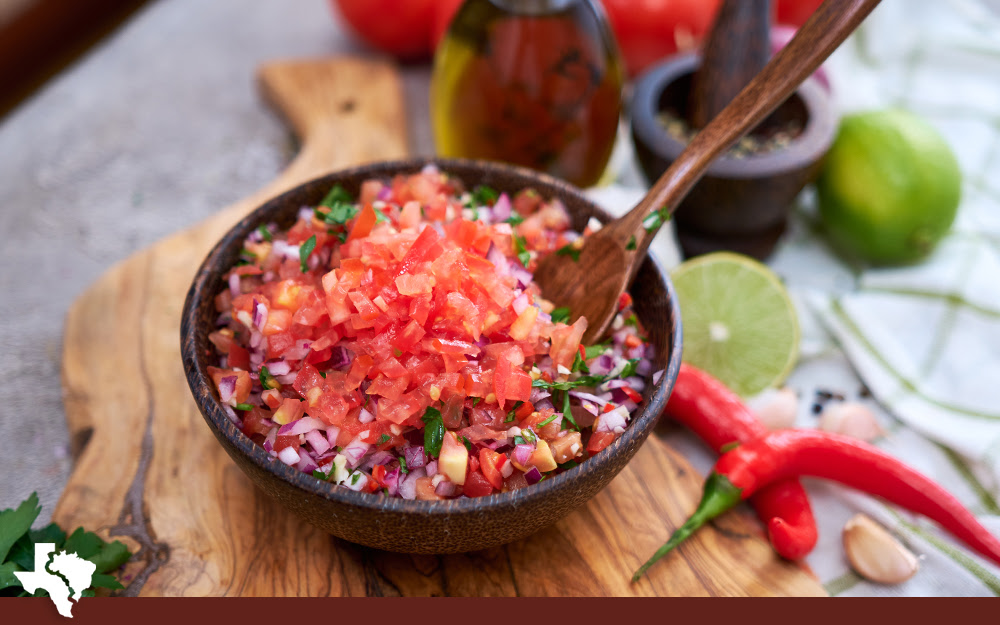
Finally, you can round it out with a dash of salt and a hit of pepper. You don’t want too much pepper (and some recipes leave it out entirely, because it’s easily overlooked in the finished dish), and the salt serves to enhance the rest of the flavors rather than to taste salty. Remember, when you add the salt, it will continue to dissolve and add to the condiment for quite a while, so taste it both as you’re adding it and before you serve to adjust.
Fun fact: certain regional variations of the condiment don’t even include the peppers! Specifically, the version you see most often in Sao Paulo leaves them out. Some people also add something like serrano or jalapeno peppers as well, but that’s more of a non-Brazilian variant, and spicy besides. Since Brazilians generally don’t care for spicy foods, we tend to stick with the bell peppers.
Optional Additional Ingredients
You already have a lot of flexibility to change up your ingredients, but there are some people who go one step further and add other things to their molho a campanha.
Are they wrong to do so? Of course not. Food should be a joy, and if it brings you joy to add other things to your condiments, then by all means do so.
Is it still an authentic Brazilian vinaigrette if you add other things? Well, not really. You might still find these variations here and there throughout Brazil, but they’ll be more like a restaurant’s “secret sauce” style of variation, something they knowingly do to set themselves apart.
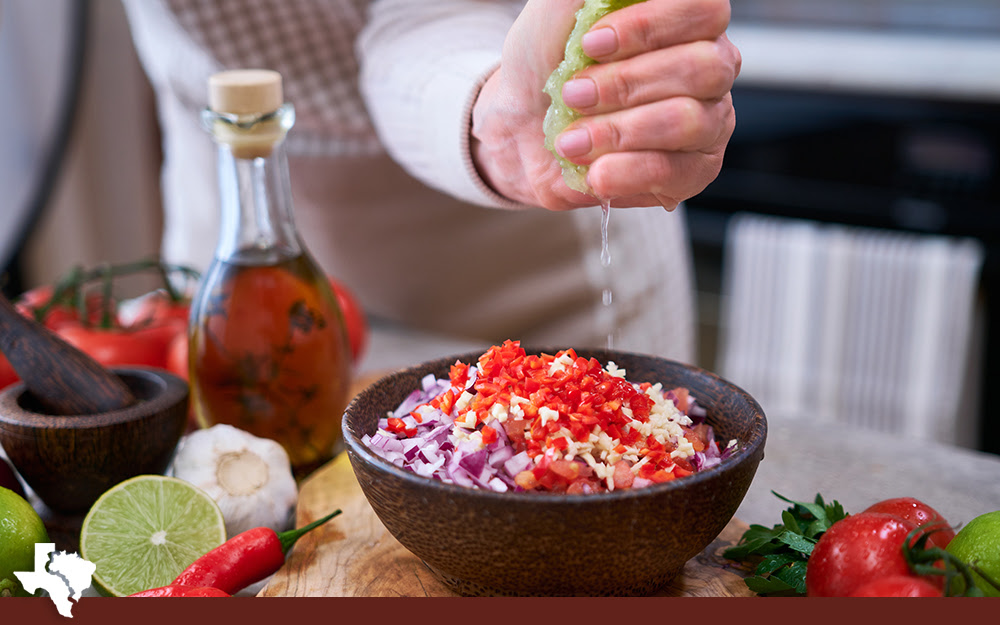
What kinds of add-ins or changes can you do?
- Spicy peppers. As mentioned above, the spice lovers in the audience might prefer something with a little more kick to it, and add serrano or jalapeno peppers to the mix. You could even go as far as to use the Brazilian malagueta peppers, but then you’re in for a lot of heat.
- Lime. Some recipes call for the zest of a lime, while others add both zest and juice. This brings the flavor profile a lot closer to the Mexican pico de gallo, which uses lime to draw out the other flavors. It’s definitely delicious, and augments the tanginess of the finished condiment, but it’s certainly not authentic.
- Olives. Adding green olives brings an entirely new salty and briny dimension to the finished condiment. It’s something we do in one of our recipes, and we find the umami and salty elements really add to the finished blend.
- Garlic. Either a finely minced clove of garlic or some garlic powder can also bring the classic flavor of garlic to the forefront. It’s probably one of the biggest departures, but we know a lot of people love their garlic, and who are we to deny them the delicious flavor?
- Corn. We’ve seen some people add fresh sweet corn to their vinaigrette. It’s sweet and another new texture, so give it a try if you like. You’ll definitely end up with something more like salsa if you do, though.
We’re sticking with the authentic recipe today, but always remember you can add whatever you like; it’s your sauce, after all!
How to Make Brazilian Vinaigrette: The Process
To make your own batch of Brazilian vinaigrette, all you need to do is follow a pretty simple process.
First, gather your ingredients. For this, we’ll use:
- 4 Roma Tomatoes
- 1 Bell Pepper
- 1 Small Onion
- 1/3 Cup Parsley
- 1/2 Cup Olive Oil
- 1/4 Cup White Wine Vinegar
- Salt and Black Pepper
The exact amounts of each of the veggies don’t matter too much, so if you want to add more tomato, or less onion, or half an extra bell pepper, go for it.
Now, prepare your ingredients.
- Dice the tomatoes into small pieces.
- Remove the stem and seeds from the bell pepper and dice it to about the same size as the tomato.
- Remove the outer paper from the onion and dice it into pieces about the same size as the tomato.
- Chop the parsley into a coarse chop.
The smaller you dice the veggies here, the more even your final condiment will be. Larger chunks mean you can get bites that don’t have all the elements, and that’s kind of sad. Think salsa and cut to size appropriately.
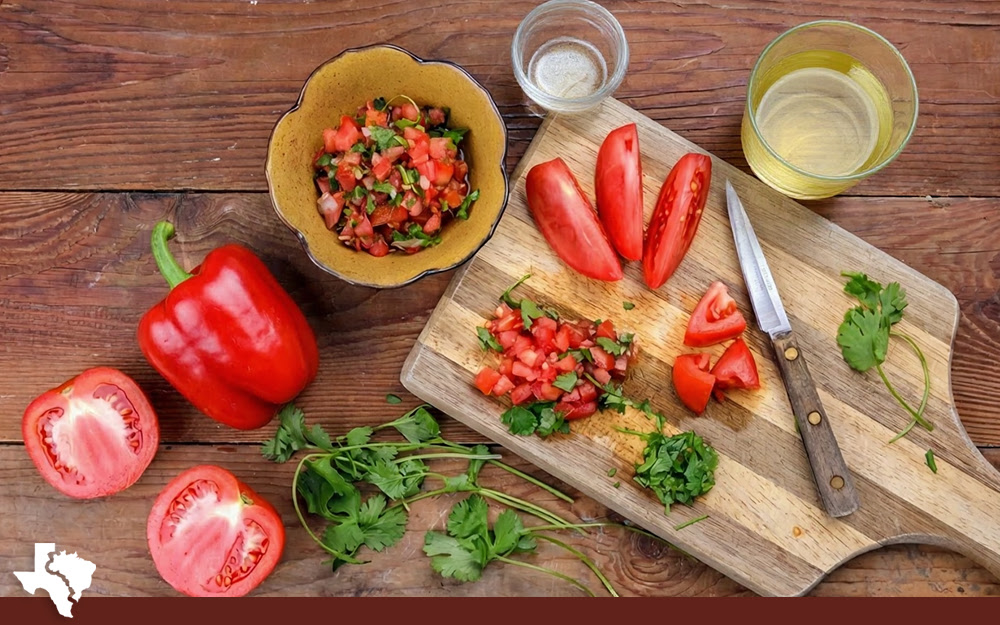
Combine your chopped veggies in a bowl and mix them up so they’re more or less evenly distributed.
Next, mix together the oil and vinegar. You don’t need to whip this up into an emulsion, but mixing it a little helps it spread more evenly through your condiment. Pour this mixture over your veggies and stir it all up.
Add a dash of salt and some pepper. Stir and taste it, and add more if you want. Remember, the flavors will mix and get stronger as they sit, so don’t overdo it!
You can serve the mix immediately, but it really works best if you let it rest so the flavors mix and combine. 15-20 minutes should be your bare minimum, but for a really tasty molho, let it sit for at least an hour.
How to Enjoy Brazilian Vinaigrette
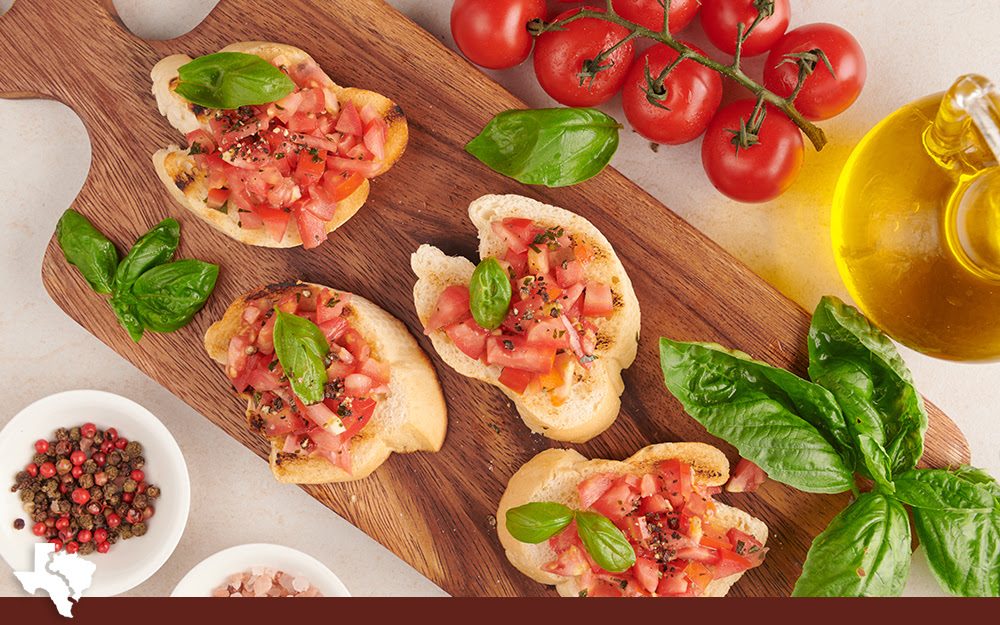
However you like! It’s a traditional condiment served alongside churrasco, so when you’re having some grilled meats, add a bit to a bite and see how it tastes. It’s also commonly served alongside feijoada. It’s also often added to bread and eaten sort of like a Brazilian bruschetta, usually because we want to eat some of that deliciousness while we wait for the meat to cook.
The key is that Brazilian vinaigrette is bright, crisp, fresh, and tangy. That means it pairs very well with richer and fattier foods like red meat on the grill or black bean stew. The contrast is what livens it up.
You can also store and serve your molho a campanha for up to three days after you make it, and it’s probably going to be even tastier the next day! After that, your veggies will start to go off, lose their texture, and might get a bit funky, so you probably don’t want to keep it going. Then again, with a recipe like this, it probably won’t make it that long anyway.
Want to pair this tasty Brazilian condiment with an equally Brazilian meat? You’re in luck! Here at Texas de Brazil, we sell Brazil’s favorite cut of beef, the picanha, in our butcher shop. You can buy a few cuts of your own and throw your own backyard Brazilian barbecue! Or, if that’s a bit much, you can also find your nearest Texas de Brazil location and stop by to have us do it for you. We’d love to have you and show you what it’s all about!