
How Are Brazilian Ribs Made? Cut, Recipe and More
When prepared properly, ribs can be one of the most flavorful and tender pieces of meat on a cow. There’s nothing quite like the experience of pulling that bone out of fork-tender meat, and enjoying the now-boneless meat you’re left with.
Depending on where you are in the world, though, the experience of enjoying a plate of ribs can be very different. More than that, the different kinds of ribs can vary a lot as well. So, are you ready to learn more than you’ve ever needed to know about beef ribs? Read on!
Table of Contents
What Are the Different Types of Ribs in America and Brazil?
First, let’s talk terminology. “Ribs” aren’t just one thing, unless you’re talking about the skeleton itself. Cows have 13 ribs running down their sides. They cover a lot of distance across a lot of different parts of the animal, which means different sections of rib have very different characteristics as ribs.
Beef Ribs the American Style
The American way of cutting beef ribs is generally divided into three types.
Back Ribs. These are the ribs taken from the back, just behind the shoulder. The back ribs protect a very delicious chunk of meat called the prime rib roast, but when you’re ordering ribs, you’re not getting the roast. Back ribs themselves have less meat than other types of ribs, but the meat they do have is extremely flavorful and takes well to low-and-slow cooking.
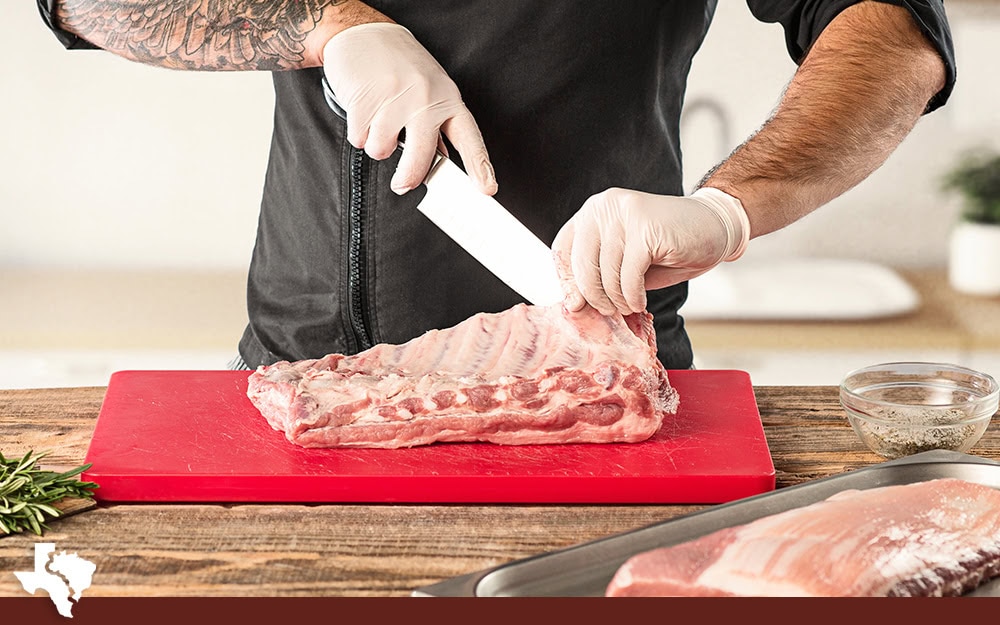
Chuck Ribs. These ribs come from somewhere further down the cow, but not all the way down to the shank. The rib bone is shorter and smaller, and it has a lot of meat on it.
Plate Ribs. These come from the lower section of the cow, between the brisket and the shank. They’re long and meaty, with a lot of protein to go around, and can look like gigantic lamb chops. One individual rib with its associated meat is what you call a tomahawk steak. Plate ribs can also be cut slightly differently and are called short ribs.
Another way you might see ribs served is called Flanken style or Korean style. This is where, rather than cutting large chunks of ribs out, the meat is cut horizontally across the ribs, leaving longer strips of meat dotted with cross-sections of rib bone. This cut is popular in many places around the world, as it can be grilled hot and fast and serves as an appetizer.
Beef Ribs the Brazilian Style
So, are there differences between beef ribs in America and beef ribs in Brazil?
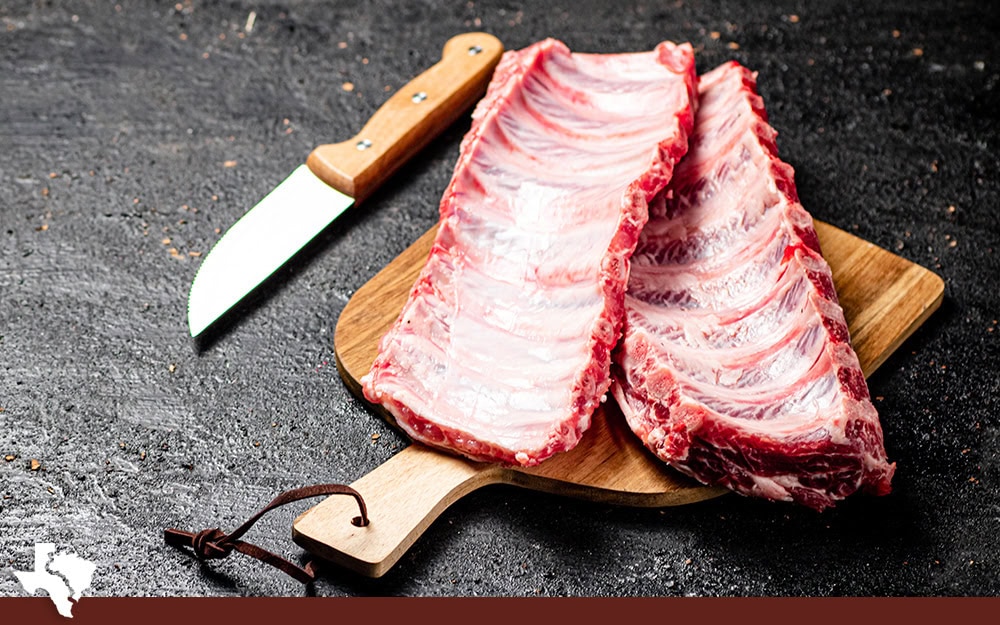
For the most part, no. Down south, we don’t make as much of a distinction between back ribs and chuck ribs, and just call them all ribs, while the short/plate ribs get their own nomenclature.
Obviously, there are differences in preparation, but we’ll get to that in a bit.
What Are the Brazilian Terms for Different Types of Ribs?
Speaking of nomenclature, what are the Brazilian words for the different kinds of ribs?
Costela is the general word in Brazilian Portuguese for “ribs” and encompasses all kinds of ribs.
Ripa, as in Costela de Ripa, means “rack” in this context. So, a rack of ribs would be costela de ripa.
Costela do dianteiro is the phrase we use for the back and chuck ribs. The richer and more marbled they are, the tastier they can be when prepared properly, so these can be some of the best ribs you’ll have.
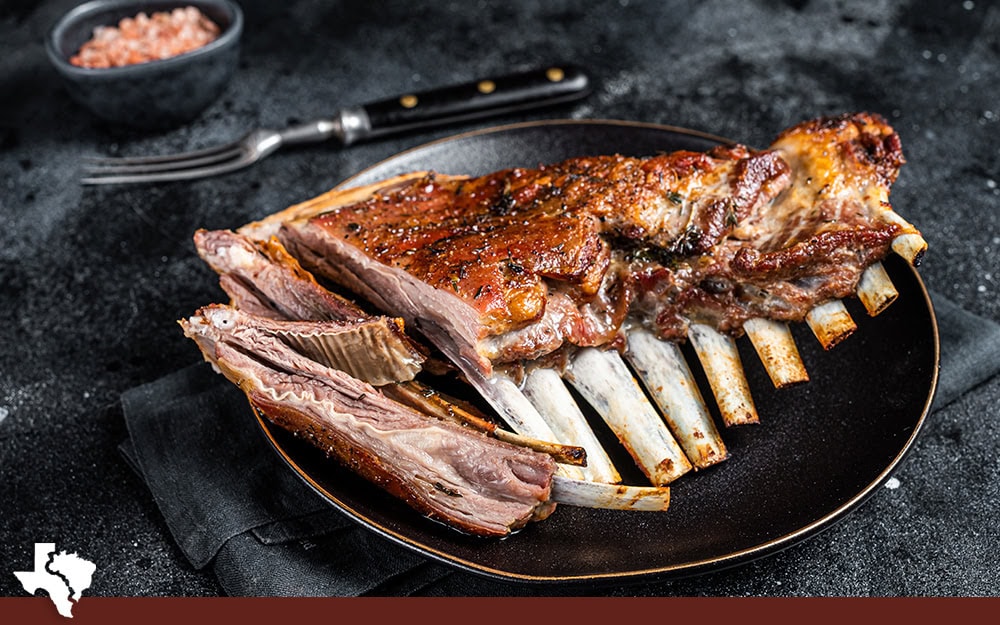
Costela minga is the name for the flip side, the plate and short ribs. They’re juicier, more tender, and while they can be great eating, they’re also often braised into a stew or used as an ingredient rather than a main dish.
You may also see the short ribs called ponta de agulha, though this also often refers to the meat from that area when it has been cut off the bone.
Before continuing, one thing to note is that all of this terminology is a little messy. Some people refer to different cuts by the same name, or to the same cut by different names, and the translation isn’t always done accurately.
That’s why, when you visit one of our locations or check out our menu, you’ll see we only use the Brazilian names for cuts that are clearly Brazilian, like picanha; something like beef ribs, we’re not going to mess around with the confusion of different terms. They’re beef ribs, so that’s what we call them.
What Are Some Popular Recipes for Ribs in Brazil?
If you’ve followed our blog or looked into Brazilian beef recipes, you know one of the most popular ways to enjoy just about every cut of beef is churrasco, the Brazilian barbecue style. Well, with ribs, we love them in a lot of different ways, so we’ll cover several options here today. And, if you want a more American spin on your ribs, we even have a recipe for a St. Louis-style rib dish here.
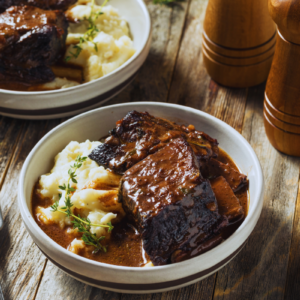
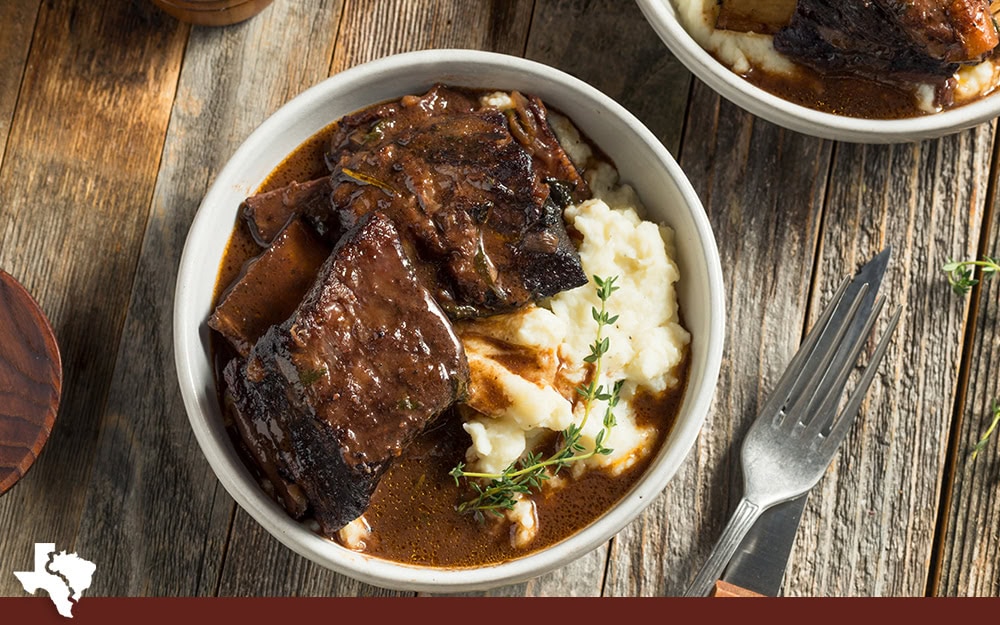
Braised Beef Short Ribs in Red Wine Sauce
Short ribs are short, which makes them easier to manage for home cooks, making this a very popular recipe to enjoy the best that ribs have to offer without needing a ton of space or a grill the size of a car. We wrote this recipe elsewhere, but we’ll cover it again here, as one of the great options you have for ribs.
Ingredients
- 4 Beef Short Ribs
- 2 Tbsp Brown Sugar
- 2 Tsp Garlic Powder
- 1 Tsp Paprika
- 1.5 Tsp Salt
- Black Pepper to taste
- Half a Yellow Onion, Diced
- 2 Cloves of Garlic, Minced
- 1 Cup of Sliced Baby Portobello Mushrooms
- 1 Tsp Dried Thyme
- 2 Bay Leaves
- 1 Cup Red Wine
- 2 Cups Beef Stock (or Mushroom Stock)
- 1 Tbsp Corn Starch
- Extra Virgin Olive Oil
Instructions
Start by heating a skillet over medium-high heat. Mix together the brown sugar, garlic powder, paprika, salt, and pepper in a bowl to make a spice rub. Rub this mixture over the ribs to coat them.
Drizzle some oil in your pan and add in the ribs. Sear them on each side for about two minutes. You want a nice crust to form, but you don’t want to burn the spices or meat.
Transfer the ribs to a slow cooker or instant pot. Leave the drippings in the pan, and add another dash of oil. Add in the onion and cook for a couple of minutes, until it turns translucent. Add the garlic and cook until it becomes aromatic, no more than another minute.
Use the red wine to deglaze the pan and scrape up anything stuck down, which is packed with flavor. Pour this liquid into the slow cooker, and add in the stock, thyme, bay leaves, and mushrooms. Cook this on low for 8 hours.
When done, make the sauce. Remove the ribs and put them on a plate (along with any extra meat that falls off). Make a slurry out of the corn starch and about half a cup of cold water. Meanwhile, transfer about two cups of your liquid from the slow cooker into a saucepan and add the corn starch mixture. Bring this to a boil.
When the mixture thickens somewhat, add a splash of fresh red wine, and spoon the liquid over your ribs as a sauce. Serve with the Brazilian classic combo of rice, beans, and farofa!
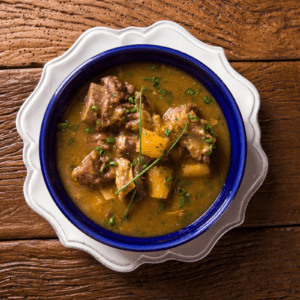
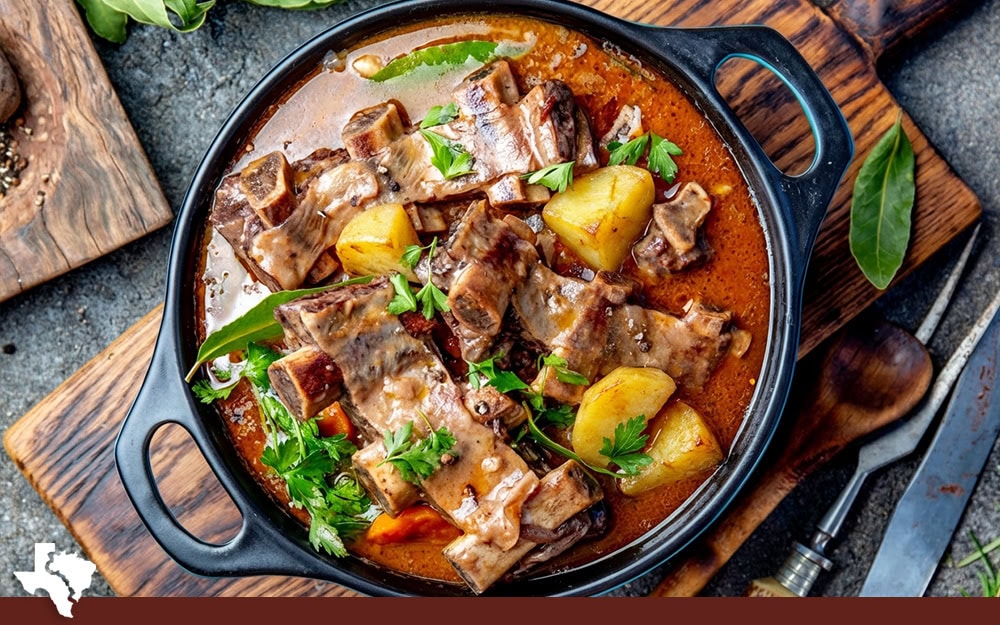
Brazilian Beef Stew with Yuca (Vaca Atolada)
Stews are one of the best uses for beef rib meat. Because of the connective tissue and marbling of the rib meat, they really benefit from a low-and-slow cooking method, which means simmering them all day in a stew is a classic in millions of Brazilian households.
The classic stew is, of course, feijoada. This one is also a classic, but a bit less glamorous. Vaca Atolada means “cow stuck in the mud” and, as the story goes, was most enjoyed when the cattle were literally stuck in the mud and the gauchos needed to wait for the weather to pass to get them free. Plus, it’s beef smothered in a thick brown stew, so the name might just come from the appearance.
Ingredients
- 3 Lbs. Short Ribs
- Extra Virgin Olive Oil
- 2 Oz. Flour
- Kosher Salt and Black Pepper
- 8 Oz. Red Wine
- 3 Cloves of Garlic, Minced
- 1 Yellow Onion, Diced
- 1 Can of Stewed Tomatoes, Diced
- 2 Tbsp Tomato Paste
- 2 Cups Beef Stock
- 1 Tbsp Thyme, Fresh
- 2 Lbs. Yuca Root, Peeled and Quartered (Potatoes work if you can’t find Yuca)
Instructions
Let the ribs come up to room temperature and season them with salt and pepper. Meanwhile, heat a Dutch oven over medium-high heat and add a drizzle of oil.
Dredge your ribs in flour and sear them in the Dutch oven. Just give them a crust with a couple of minutes of searing; you don’t need to cook the meat here and now. Remove the ribs and lower the heat to medium.
Add and cook the onion until it’s translucent, then add and cook the garlic until fragrant. Then, add in the tomatoes (not the paste) and cook for another minute. Then add the tomato paste, mix it all together, and add in the red wine.
Add in the ribs, the stock, and the thyme. Bring this all to a boil, then reduce the heat to a simmer and cover it. Let this cook for at least two hours. Once the beef is nice and tender, add in the yuca (or potatoes) and cook for another 30 minutes, until the yuca is fork-tender. Serve with bread, rice and beans, or even over noodles.
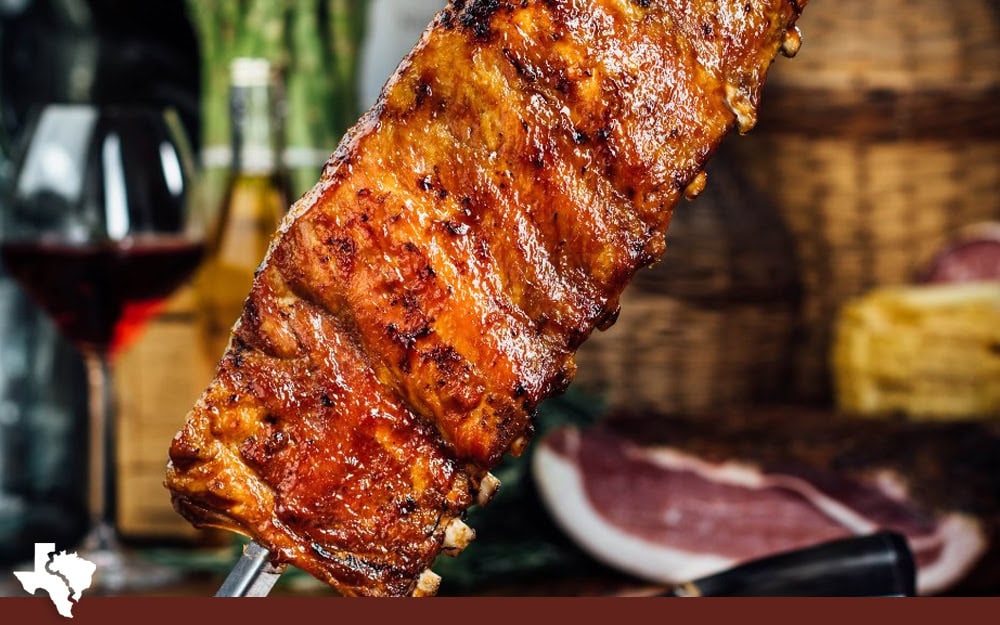
Brazilian Beef Rib Churrasco
Churrasco is our favorite way to serve beef (as you might have guessed, we are a churrascaria, after all!), but it’s understandably a little harder to do at home. For a full rundown on how to cook churrasco like a pro, see our guide to exactly that.
Ingredients
- Beef ribs
- Salt (preferably a coarse salt like sal grosso)
Instructions
Get a fire nice and hot. This can be in a grill, though many grills don’t quite get hot enough, or it can be a fire pit, campfire, or other source of open flame.
Skewer your ribs and coat them in salt. Then, place them over the fire, high enough that they aren’t cooked quickly, but low enough to get the heat. The exact placement depends on your flame and your equipment. Cook this way until the meat is tender and cooked through, then slice and serve!
What Can You Do to Spice Up Your Brazilian Ribs?
If you don’t want to braise or make a stew, but you want something more than just salt on your ribs, what are some options? We have a couple of suggestions.
Make a Green Sauce
Down in Brazil, we love our green sauces. The classic is chimichurri, a heavily herbal mixture of parsley, oregano, garlic, vinegar, salt, pepper, and chili. Similar green sauces are also common, including basic pestos and more complex gremolatas.
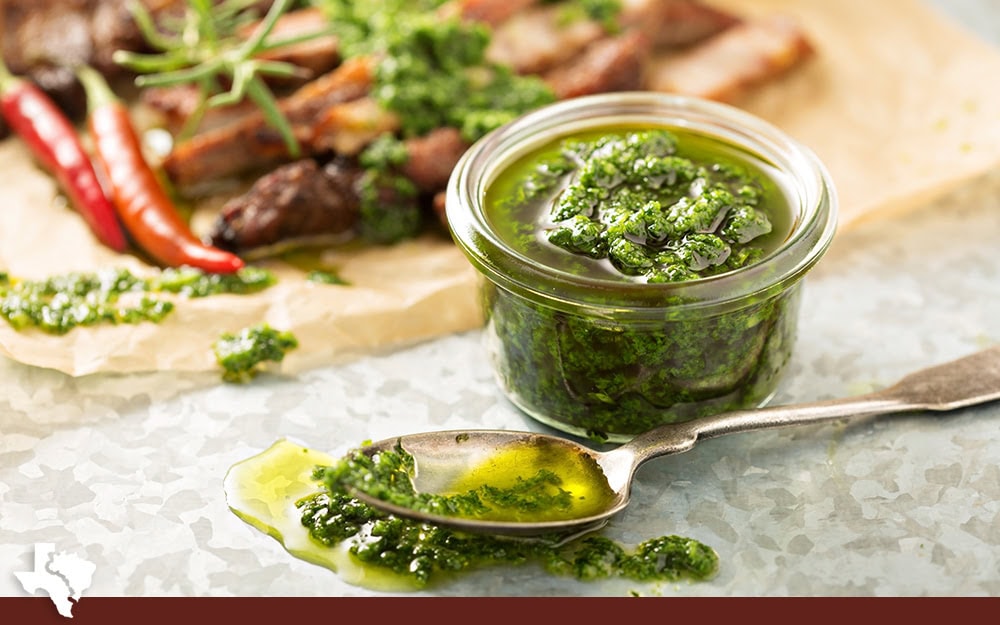
There are also a handful of other sauces we enjoy, like molho de alho, the garlic sauce, or molho a campanha, the salsa often called Brazilian vinaigrette. You can read more about those and more here.
Use a Brazilian Spice Rub
Traditional churrasco is nothing more than meat, heat, and salt, but sometimes up here in America, you want something a little closer to home.
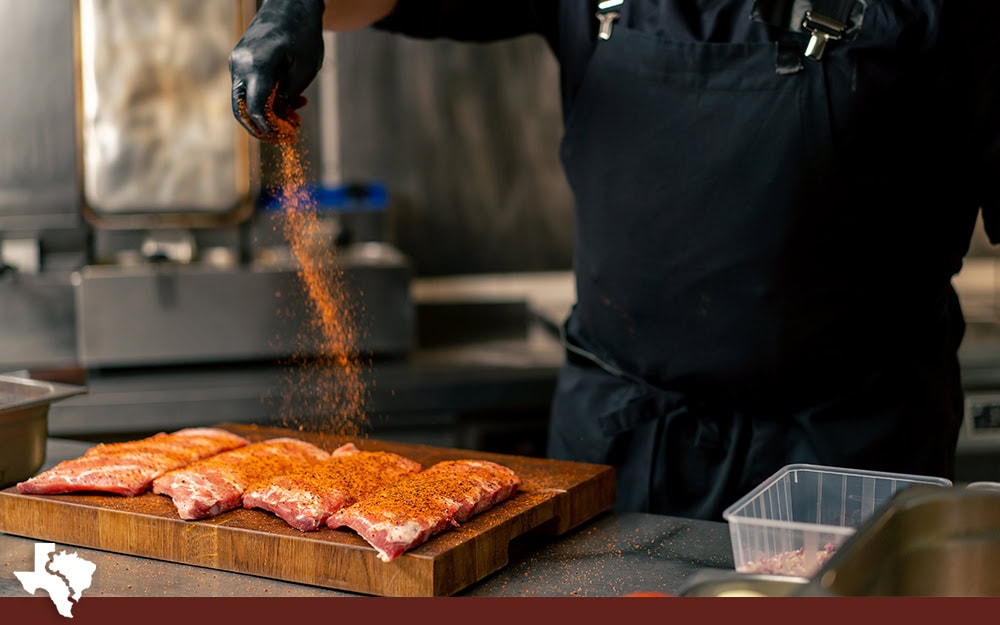
While we aren’t going all-in on your southern barbecue sauces, we do have a few spice rubs of our own, which meld with the fat of the ribs as it renders and forms a delicious sauce of its own. Check out our recommended Brazilian spice rubs here.
Enjoy Ribs at Your Nearest Texas de Brazil
One particularly great option is just stopping by your nearest Texas de Brazil location! We’re located all across the country and in places around the world, and we’re always happy to have you by to enjoy Brazilian churrasco, authentic-style.
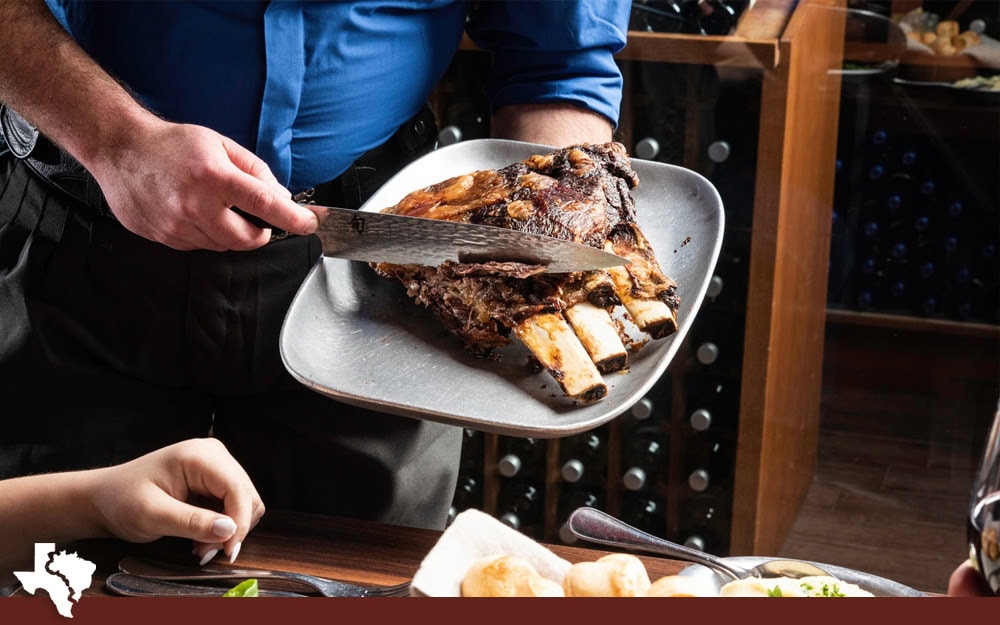
Whether it’s a slice of the iconic picanha, a scoop of feijoada from the hot area, or the ribs we’ve gotten all worked up over today, there’s plenty to enjoy. So, find your nearest location and stop on in!