
How Does The Food Compare in North vs South Brazil?
A trip to Brazil sounds fun until you start to think about what you’re actually going to eat there. Most travelers arrive with açaí bowls and churrasco at the top of their list of dishes to try. But once they get there, they find out that these two popular dishes make up maybe 5% of what the country has available.
Brazil is massive – 8 million square kilometers to be exact. A meal in Manaus will be different from a dinner in Porto Alegre, and just the size of the country is a big reason why. Food culture changes dramatically from region to region, and it developed that way based on the local climate, the history of who immigrated where and which ingredients were easy to get in each area. Most travelers have no idea just how much these regional differences matter, and when they don’t know about them, they wind up at tourist traps or never get to try the dishes that locals would actually tell them to try.
A bit of research before you go will save you hours and help you find some really delicious meals, and you also won’t order feijoada in the wrong state or assume the same fish dishes are available everywhere you go. Brazilian cuisine is connected to its regional roots, and just a little knowledge about each area will make your experience much better when you’re actually there.
Let’s check out the delicious differences between Northern and Southern Brazilian cuisine!
Table of Contents
The Foods in Each Region
A local market’s ingredients can tell you just about everything about how residents in that area actually eat on a day-to-day basis. Walk into any market in Belém and buckets of fresh fish line the vendor stalls – fish that were pulled from the Amazon’s rivers just hours earlier. Vendors pile up unusual fruits like tucumã and cupuaçu, which hardly anyone outside the region has even heard of. Palm hearts are everywhere, along with bags of Brazil nuts that grow wild all throughout the rainforest. Head south to a market in Porto Alegre, and you’ll see something different. Beef is everywhere because the pampas grasslands stretch for miles and miles around the city, and it just makes sense to raise cattle there. Pork shows up in every form imaginable – fresh cuts, sausages, cured meats and the whole range. Dairy products take up entire aisles on their own, and it all goes back to how cattle ranching has been a massive part of the regional culture down there for generations.
Tapioca is a big staple in northern cuisine, and it’s all made from cassava root that’s been processed and prepared in all sorts of ways for different dishes. At breakfast, at dinner and even for snacks between meals – the ingredient shows up throughout the day in different forms, and each preparation style gives you a different texture. Fish is another important component of the regional diet, and the cooks make it with all kinds of tropical ingredients that grow well in the humid Amazon climate. The rainforest gives northern kitchens access to a wide variety of local produce and proteins, so most traditional recipes don’t need anything from outside the region.
The southern cooks use wheat instead of cassava as their staple ingredient. Bread and pasta form the base of the cuisine down there, with most recipes tracing back to European immigrants who settled in the region generations ago. Wine production flourishes in the cooler southern climate as well. These ingredients show what the land does best – the area has always been a lot more fit for agriculture and livestock farming than it was for wild foraging. Geography ended up playing an important part in how these regional pantries developed, and it still matters now. Up North, most of the available food came from the rivers and forests. Down South, the land was mostly open plains, and the climate happened to match up very well with the types of crops that Europeans were already familiar with from back home. Since the natural resources in each region were so different from one another, the two areas ended up building different strategies when it came to food.
Dishes From Each Region
The North is where you’ll find tacacá, and it’s without a doubt one of the most popular dishes in the entire region. The soup is made with a broth called tucupi, and it also contains jambu leaves that create an unusual tingling feeling on your tongue as you eat it. Pato no tucupi is another dish that locals love, and it combines duck meat with that same yellow tucupi broth. River fish show up frequently in the cuisine of the area up there, mainly because the Amazon and its tributaries bring in fresh catches every day.
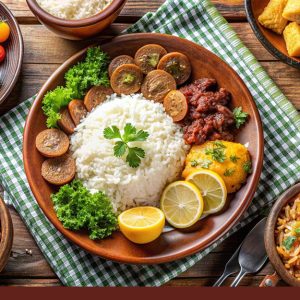
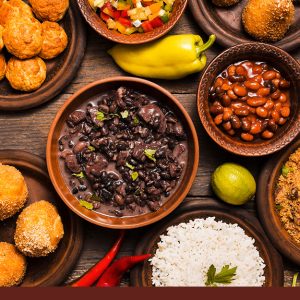
Head down to the South, and you’ll find yourself in what many call churrasco country. Churrasco is slow-roasted meat that’s cooked over open flames, and it’s become famous worldwide at this point. Feijoada gaúcha is the southern version of Brazil’s traditional black bean stew, and this particular one includes smoked meats and sausages that speak to the area’s deep ranching roots. Feijoada tends to change around quite a bit as you travel across different parts of Brazil – each area adjusts the recipe a little differently depending on what’s available in that region and which cuts of meat the locals there like best.
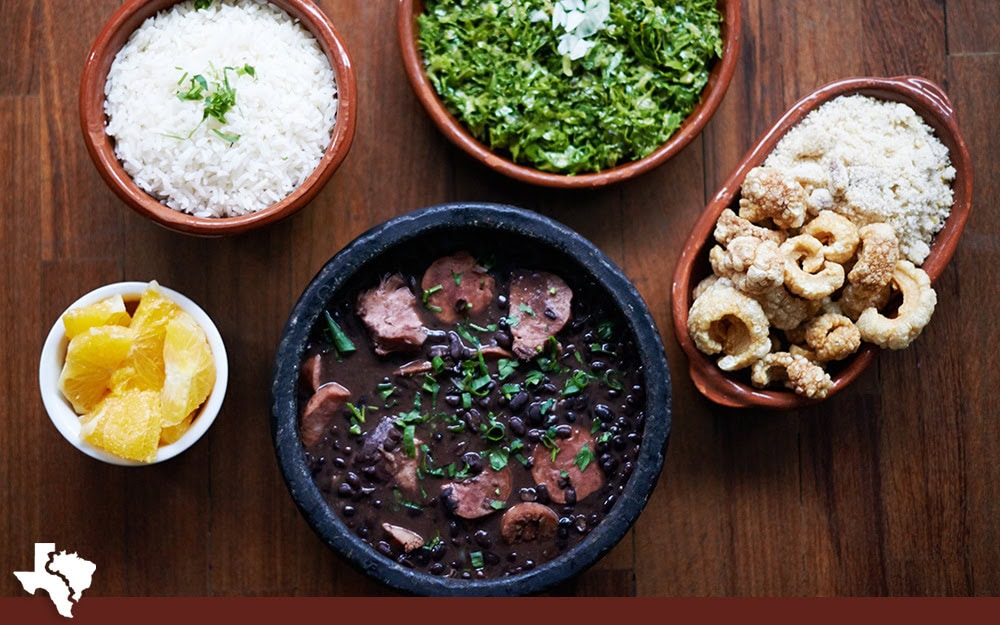
Polenta shows up frequently on southern tables as well. Settlers brought their own culinary traditions with them, and this mark has lasted through the generations. The southern states have some great sausages and hearty breads that trace right back to those European immigrants.
Food is one of the best ways to get to know a place and its history. The North’s cuisine is all about the freshwater fish and whatever you can hunt or forage from the forests. The South went in a different direction, with a food culture that was built around massive cattle ranches and the European and other immigrant families who settled there over the last century or two. These two regions ended up creating their own food traditions that taste nothing like one another. But somehow they’re still authentically Brazilian.
How Climate Shapes the Food Methods
Climate has a large effect on what residents eat across these two regions. Waking up in that intense heat and humidity in a place like Manaus means your body just doesn’t want anything heavy or rich. Northern cooks have learned to work with this reality, and they make lighter meals that won’t sit heavy in your stomach. Fresh fish usually gets grilled over open flames, or lots of ingredients get served raw without much cooking time at all.
Head south to somewhere like Curitiba, and everything about the food starts to change. Cooler evenings and mild winters make residents want something heartier and filling. Slow-cooked stews and big barbecue spreads just make more sense down there. You don’t want to stand over a hot grill for hours when it’s already 90 degrees outside. Down in the south, though, the same activity feels comfortable and maybe even nice.
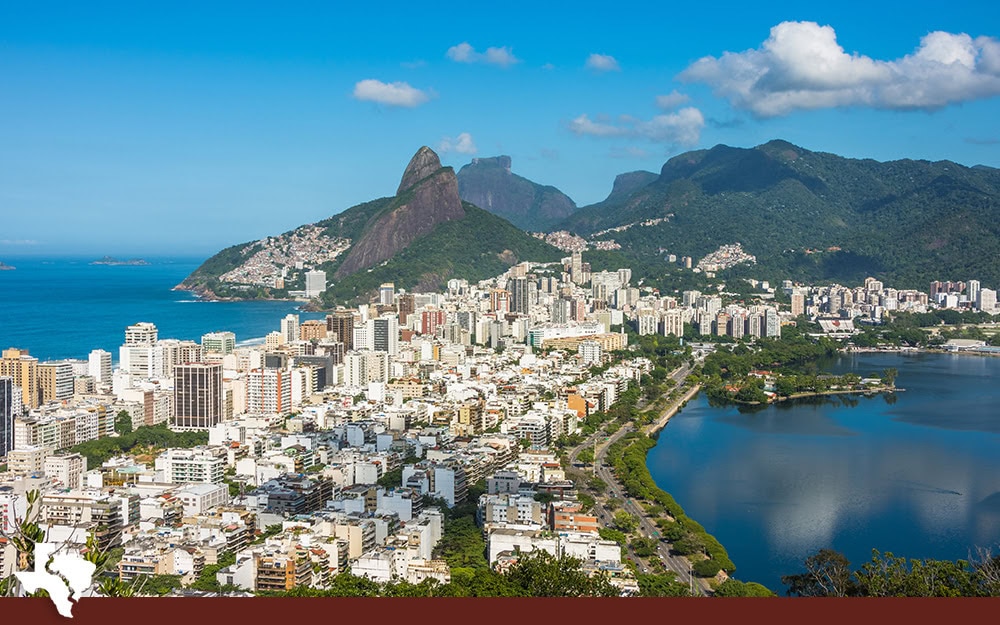
Geography matters just as much as temperature does when we talk about regional food habits. The northern areas are a perfect example of this – most villages and towns there were built right along the rivers, and the residents who lived there depended on whatever they’d pull out of the water. Fresh fish was simple to find year-round, and with that kind of access, it was going to be your main protein source. Another nice aspect of a river at your doorstep is that food preservation doesn’t matter nearly as much, so you can skip over most of the long cooking methods that landlocked communities had to learn.
The terrain down in the south is very different from the other parts of the country. Miles and miles of open grasslands gave ranchers the room they needed to raise cattle on a very large scale. With all that grazing land available, beef became a big part of how locals eat down there. The slow-roasting techniques that southerners like also work extremely well with the tough, cheaper cuts of meat that need hours and hours of low heat to break down and get tender.
Walk into the kitchen in each region, and these technique differences will make a whole lot more sense. A northern cook has to move fast and get the food on the table before the heat in the room gets too unbearable to work in. A southern cook can let a pot simmer away on the stove for hours at a time without ever worrying about turning the whole kitchen into a sauna.
How Chefs Unite North and South
São Paulo restaurants have started to feature Amazonian ingredients in their fine dining menus, which is a big change for the region. Chefs down in the South are now working with ingredients like tucupi and açaí in dishes that would have been hard to imagine just a decade ago. These Northern staples get mixed with Southern cooking techniques and with whatever produce is local to the area, and the final dishes manage to honor each region at the same time.
It’s brought national recognition to ingredients that indigenous communities across the Amazon have relied on for centuries. Many of these rainforest products turn out to be better for the environment in ways that diners and farmers actually care about. Forest ingredients can generate great income for local communities without the need to cut down a single tree or to disturb any land whatsoever.
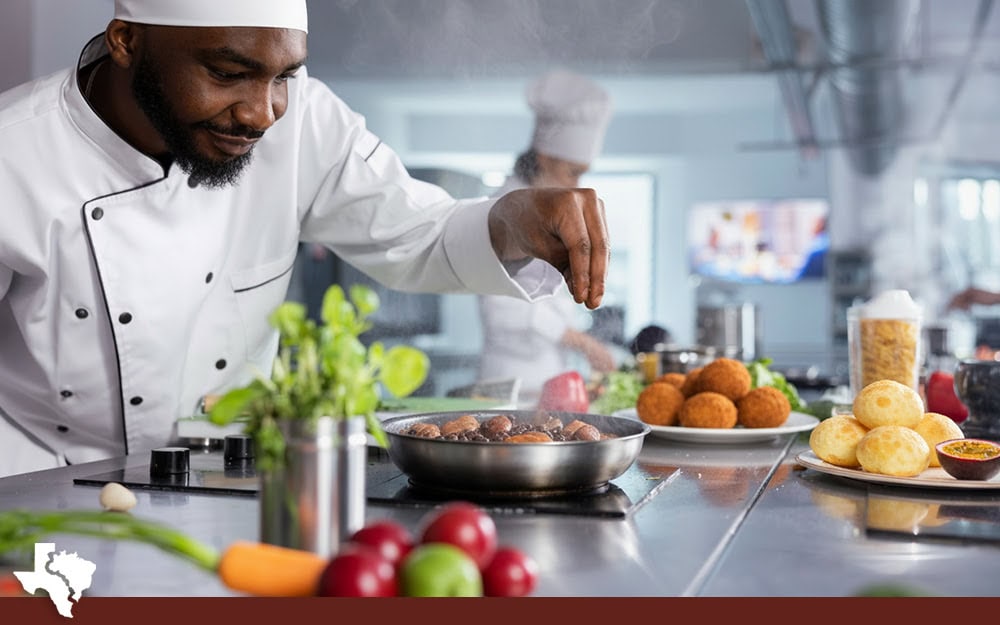
When you look at this timeline, it’s striking that it took so long for the chefs to connect the North and South when Brazil has always had these ingredients available. Part of the answer relates to how Brazilians viewed their own food identity. The South leaned heavily into European cooking traditions, and the North held onto its native and African culinary roots.
Each new menu closes that gap just a little bit more. The younger generation of chefs doesn’t see regional boundaries the way that their predecessors did. A chef might draw from the Amazon and the pampas in a single dish, and there’s no pressure to choose one side or stay loyal to just one region. It’s created a food culture that captures everything that Brazil has to offer across all its different regions.
Only time will tell us if this particular change will last for the long haul. At least for now, it’s an obvious reminder that Brazilian cuisine has plenty of room to celebrate its regional differences and to also honor the culinary traditions that connect the entire country together.
Savor the Moment at Texas de Brazil
Plenty stick with food from just one region or the other, which makes sense given what’s usually available in their area. Each side has great offerings to bring to the table, though, and it’s especially true when you’re willing to branch out a little bit. When you taste how different climates and local cultures shape the flavor of the food (even when it all comes from the same country), it can change the entire way you think about cooking. Regional cuisines like these show how geography, historical influences and whatever ingredients are available in that area all work together to create something special on your plate.
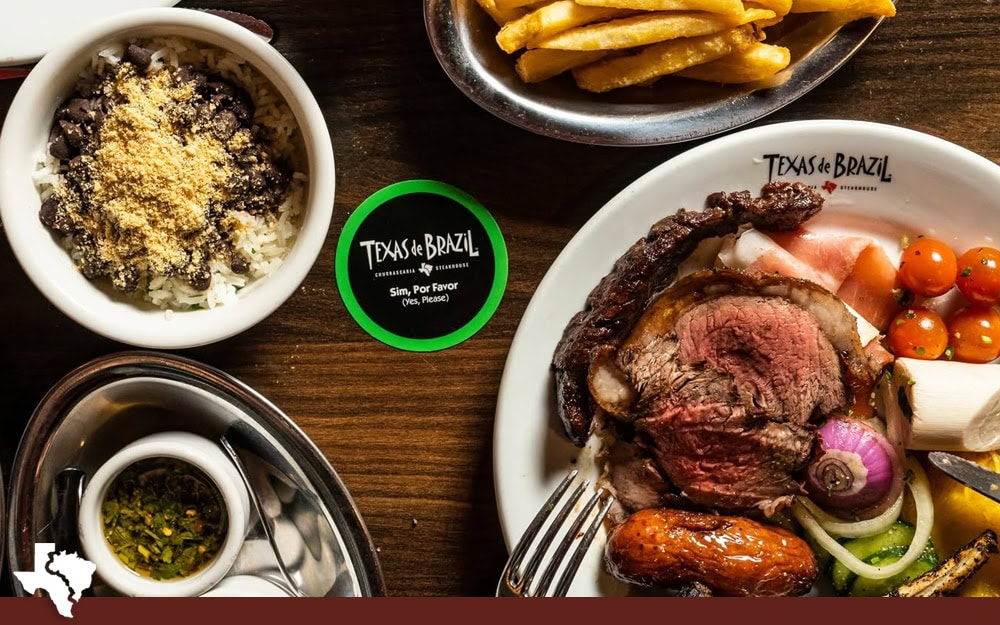
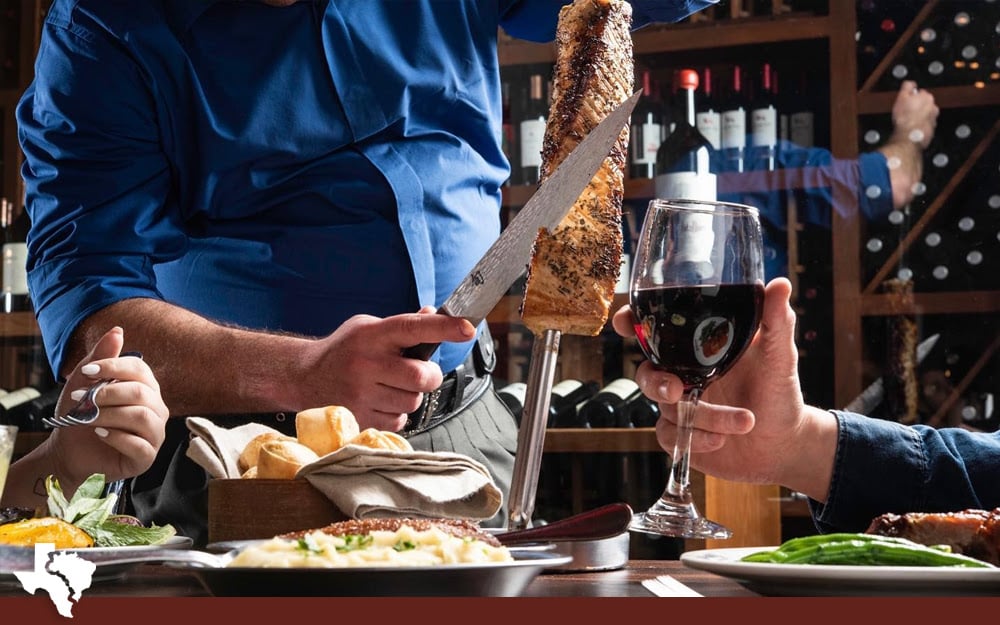
Southern Brazil is where this whole style of big, fire-roasted meat got its start. Texas de Brazil brings the authentic churrascaria experience straight to you without needing to book a flight. Gauchos carve the premium cuts tableside (like picanha, lamb and filet mignon) and they do it just the way it’s been done for generations. The gourmet salad area is loaded with fresh dishes that help to balance out all that rich, smoky meat on your plate. To save a bit on your next visit, sign up for the eClub to get $20 off your meal, or pick up a gift card for anyone who would love an unforgettable dinner.
We also have a Butcher Shop where you can take home restaurant-quality cuts and cook them yourself. Gather around the table with friends or family to share great food.
Reserve your table at Texas de Brazil and see for yourself why so many come back to this style of dining.