
What Is Churrasco? Brazil’s Barbecue Tradition Explained
You’re looking at a menu, and you see a word you’ve never seen before – churrasco.
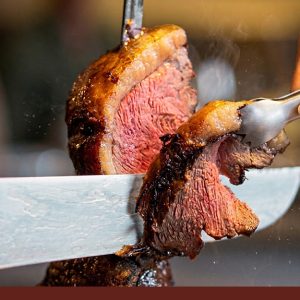
Churrasco is a Portuguese word that means barbecue, or more specifically, grilled meat.
To be more specific, churrasco is large cuts of meat, some salt, and some fire. Often, the only seasoning on the meat is a coating of coarse rock salt.
The question is, how did a simple method of cooking meat become a national icon? What are the cuts of meat you might find in a churrasco (like picanha, fraldinha, and linguiça)? How is it cooked (long metal skewers over charcoal) and what goes with it (farofa, vinagrete, pão de queijo)? How is it served in a restaurant (a churrascaria, where the meat is carved for you tableside, rodízio-style)?
So, let’s dig into the world of churrasco! We’ll explore the origins of churrasco, the gaúcho cattle herders of southern Brazil’s pampas, and the way it’s enjoyed at home as long weekend gatherings around the grill. You’ll also learn what to expect if you go out to try it for yourself, including the tip about the green and red cards to control the flow of deliciousness.
Table of Contents
From the Pampas to the Brazilian Table
Churrasco originates from the gaúchos, the horsemen of the pampas grasslands that stretch across southern Brazil, Uruguay, and northeastern Argentina.
In the 17th century, Jesuit missions in the region brought cattle with them. But when the missions were abandoned, the herds were left to grow and multiply in the wild throughout the pampas. Beef was so abundant that the hides were the valuable part.
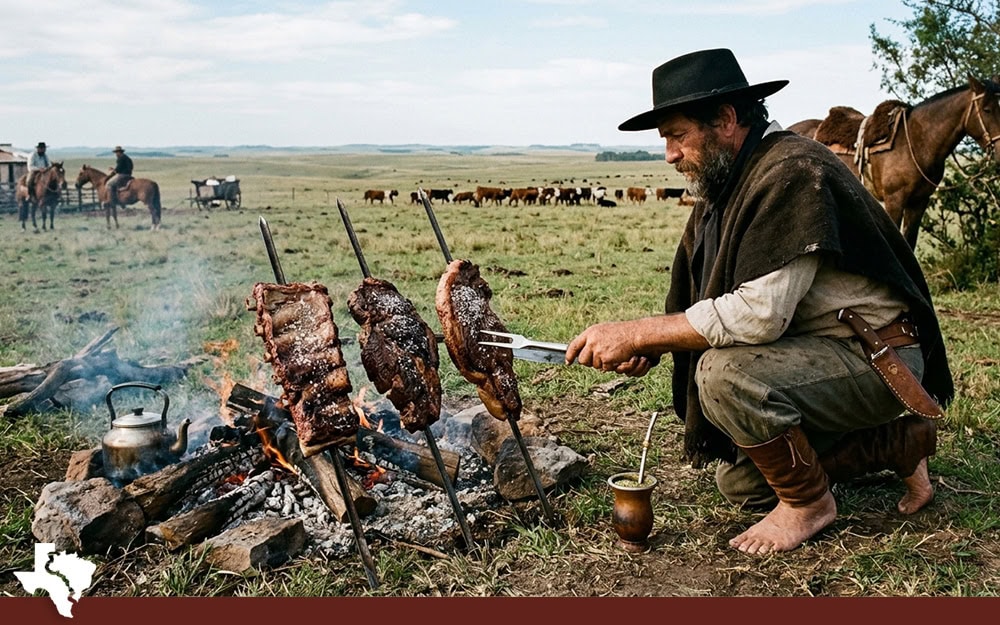
In the 18th and 19th centuries, salt-dried beef production plants called charqueadas – like the one in Pelotas – were common. Gaúchos were tasked with rounding up the cattle and driving them, often for weeks at a time.
On these long journeys, the gaúchos would cook large cuts of meat over open wood fires, with the meat skewered on wooden or iron skewers driven into the ground. This was a practical way to cook meat – the beef was readily available, the method required very little in the way of tools (a knife and a fire) or infrastructure (no pots, ovens, or kitchens on the open range), and since gaúchos spent most of their days in the saddle, a slow-cooking method that didn’t require much attention was ideal. Only coarse salt was used, since it was cheap, easy to carry, and already in use for curing the beef. When the meat was done, it was shared around the fire with chimarrão, the traditional mate tea.
How Necessity Became Gaúcho Identity
Churrasco in Brazil has the same roots as asado in Argentina and Uruguay. But in Brazil, necessity became identity. In Rio Grande do Sul especially, the gaúcho is an emblem of the state, due to the Farroupilha Revolution from 1835 to 1845. The Farroupilha Week (Semana Farroupilha) and the state holiday on September 20 commemorate this revolution.
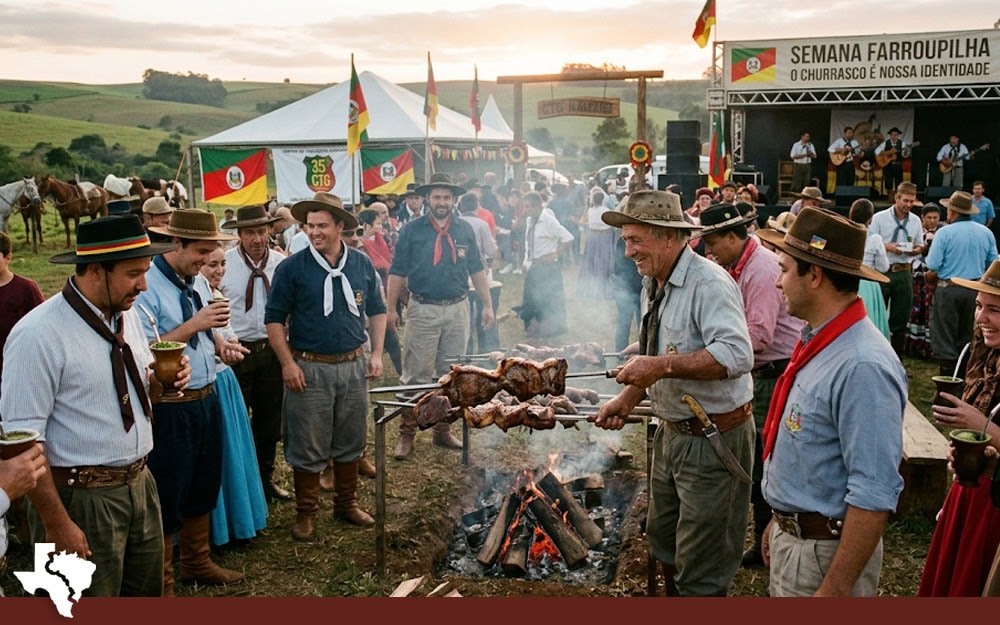
In 1948, the “35 CTG” was founded in Porto Alegre, the first Centro de Tradições Gaúchas. This is part of the Movimento Tradicionalista Gaúcho, a cultural preservation movement that maintains traditional gaúcho dress, music, and food, including churrasco.
On June 20, 2003, the state of Rio Grande do Sul issued Lei Estadual nº 11.929, declaring churrasco to be the typical dish of the state, and chimarrão to be the symbol drink of the state.
In the 20th century, as gaúchos migrated throughout the country, churrasco spread with them. Today, it’s a national ritual, a weekend tradition where family and friends gather around the grill in the backyard and share a meal.
Source – Luís da Câmara Cascudo, folklorist (1898-1986). “História da Alimentação no Brasil”, first published 1967.
Popular Cuts of Meat in Brazilian Churrasco
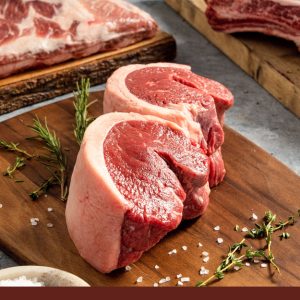
Picanha is the cap of the rump cut, and it’s the single most prized cut of meat in Brazilian churrasco. In America, this same cut is more commonly known as the top sirloin cap, coulotte, or sometimes simply “rump cap.”
A whole picanha is usually around 2-3 lb and has a triangular shape with a thick white cap of fat on one side. It’s tender, beefy, and self-bastes as the fat cap melts and coats the meat as it grills.
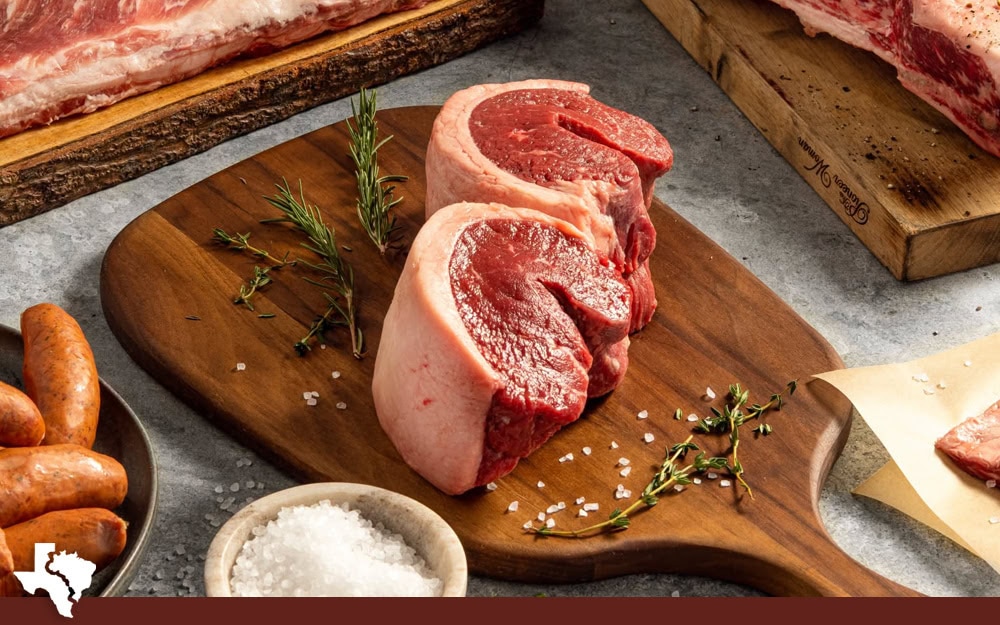
In a classic churrascaria, picanha is cut into thick slices and folded into a “C” shape on a skewer to grill. A less well-known fact is that American butchers traditionally fold the cap into top sirloin steaks. However, with the growing popularity of picanha in America, and the introduction of Brazilian churrascaria chains like Texas de Brazil, the demand for picanha is increasing.
A common mistake with picanha is cutting off the fat cap, losing much of the flavor and moisture of the cut. It’s best to leave about a 1/2-inch of fat on the picanha, and score it rather than cut it off.
Other Cuts Worth Knowing
Fraldinha is another cut of meat that is popular in Brazil, and it’s a cut that we loosely call the flank. But it is more akin to the American flap meat or bavette. It has a coarse grain and is sliced thinly across the grain.
Linguiça is a garlicky pork sausage originally from Portugal, and is often served as the first meat in a churrasco experience. You can find it in most Portuguese or Brazilian markets.
Cupim is the hump of zebu cattle like Nelore, and is a very rich, marbled cut of meat that is slow-cooked to perfection. It’s not readily available in America because our cattle generally don’t have a hump.
Costela is beef ribs, slow-roasted over an open fire for hours until the meat falls off the bone. In America, plate short ribs can be a decent substitute.
Why Is Coarse Salt All You Need?
If you’ve ever wondered why a traditional gaúcho churrasco only uses one seasoning, and that seasoning is coarse rock salt (sal grosso), you’re not alone.
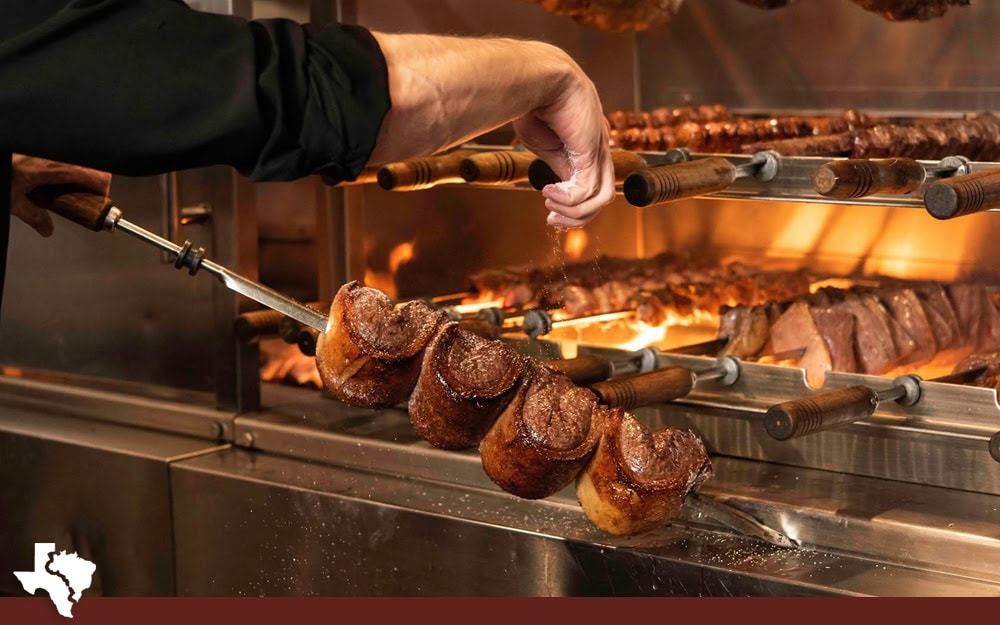
The truth is, in the Rio Grande do Sul tradition, you don’t need a marinade or a rub. You don’t need to slather your meat in anything. All you need to do is take a handful of coarse salt and sprinkle it over your meat just before you put it over the fire.
This salt is coarse, and the individual crystals are large. They take a while to dissolve and season the surface of the meat. But they don’t penetrate deep. It also means that some of the crystals fall off during the grilling process, so you aren’t over-salting your meat. Any excess salt can be tapped off or knocked off before the meat is sliced and served.
The goal is to let the flavor of the beef, and the taste of the rendered fat, be the stars of the show. The fat cap on a picanha, when seasoned with a simple sal grosso, is a savory crust to die for.
It’s very different from the American barbecue traditions, where dry rubs, marinades, mops, and sauces are all common. Kansas City loves a sweet tomato sauce, Memphis loves a paprika-heavy dry rub, and so on. In fact, the only thing that comes close to a gaúcho churrasco is the simple salt-and-pepper brisket of Central Texas.
Why would a simple seasoning like salt taste like more?
If you’ve ever tried to use fine table salt instead of coarse salt for a churrasco, you’ve run into this problem. Fine salt dissolves instantly and is absorbed very quickly. It’s also more dense, so you’re packing a lot more salt into each spoonful you sprinkle over the meat. If you’re going to use fine salt, you need to use a lot less of it, or use kosher salt instead.
Metal Skewers Over a Charcoal Fire
The meat is usually threaded onto long metal skewers called espetos. These skewers are often flat or wide, so they rotate the meat as they’re turned.
The fuel of choice is not gas but charcoal, and sometimes wood. A gaúcho fogo de chão is a set of skewers angled around an open ground fire. Charcoal has a lot of radiant heat, and imparts a lot of smoky flavor. Slowly turning the skewers exposes all sides of the meat to the heat, allowing the fat to render and baste the meat as it’s rotated, and allowing the meat to gradually brown and develop a crisp and salty outer crust.
Racks for a churrasqueira usually have notches at different heights. The higher up you place a skewer, the less intense the heat, so you can cook thicker cuts of meat more evenly. You can also drop the skewer down lower to finish it with a sear, or just to cook a quick-cooking cut like sausage.
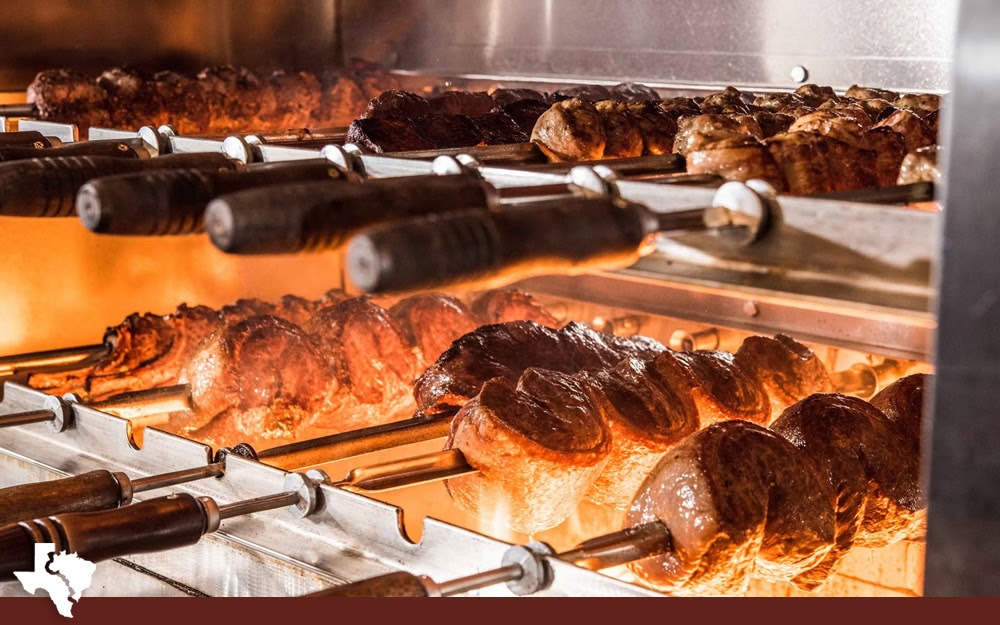
At home, you can set up a kettle grill for churrasco:
- Rest a set of skewers across bricks.
- Use long metal skewers from a hardware store, not bamboo, which can burn.
- Choose lump charcoal, which is hotter than briquettes.
- Raise or shift the skewer to avoid flare-ups from fat dripping into the coals.
- Keep a cooler, coal-free area to move the skewers to escape the flames.
Don’t pack the skewers too close together, or they’ll steam instead of roast. You want heat to circulate around them.
The Small Dishes That Make the Meal
Farofa is a traditional Brazilian dish made of toasted cassava flour, often mixed with butter and other ingredients like bacon and onion. It’s sprinkled on top of meat to soak up the drippings and juices. Cassava was domesticated in the Amazon basin and was a staple crop for Indigenous people long before the Portuguese arrived.
Vinagrete is a side dish of diced tomatoes, onions, and bell peppers, mixed with vinegar and oil. The acid in this dish cuts through the richness of fattier cuts of meat like picanha.
Pão de queijo is a delicious cheese bread from Minas Gerais, made with cassava starch called polvilho.
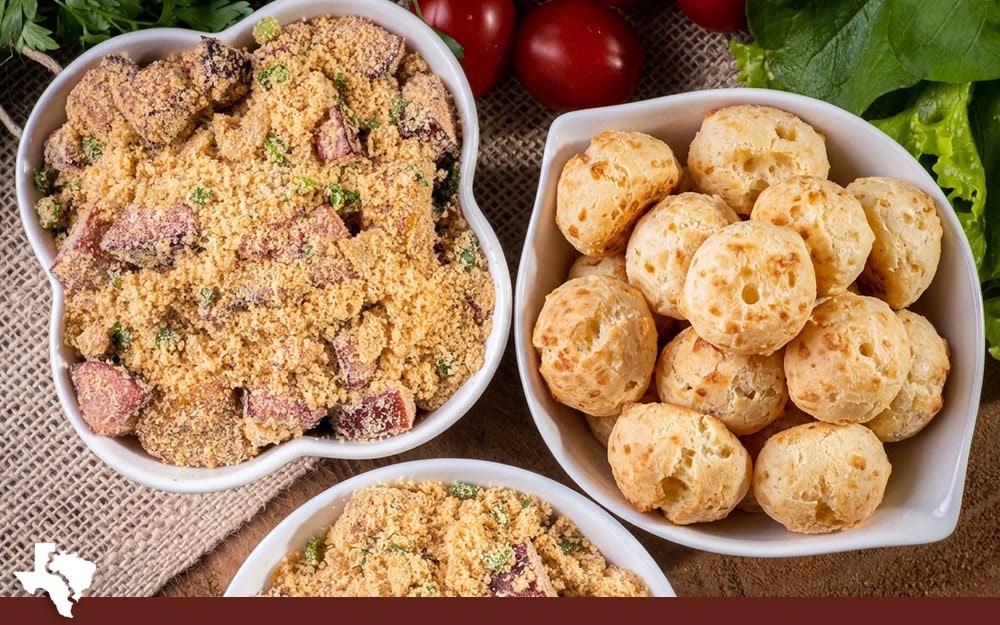
Other common dishes and drinks round out the meal:
- The humble white rice and beans, to fill you up
- A caipirinha, the national cocktail made with cachaça, lime, and sugar
- In Rio Grande do Sul, chimarrão, the yerba mate served in a gourd and sipped with a bomba
The Churrasco as a Day of Good Company
One of the most common forms of social gathering in Brazil, particularly on weekends and especially on Sundays, is the home churrasco. Usually starting in the late morning and lasting throughout the afternoon and evening, the home churrasco is the default social event for extended families, neighbors, friends, and friends of friends. It’s a way to celebrate birthdays, holidays, football matches, or just to get together and hang out.
Friends often chip in for the meat and beverages, a vaquinha, for the churrasco. The location is usually a backyard with a brick churrasqueira (which many Brazilian homes have), a balcony in an apartment with a built-in grill (the “varanda gourmet”), or even a shared churrasqueira in an apartment building that can be reserved for guests.
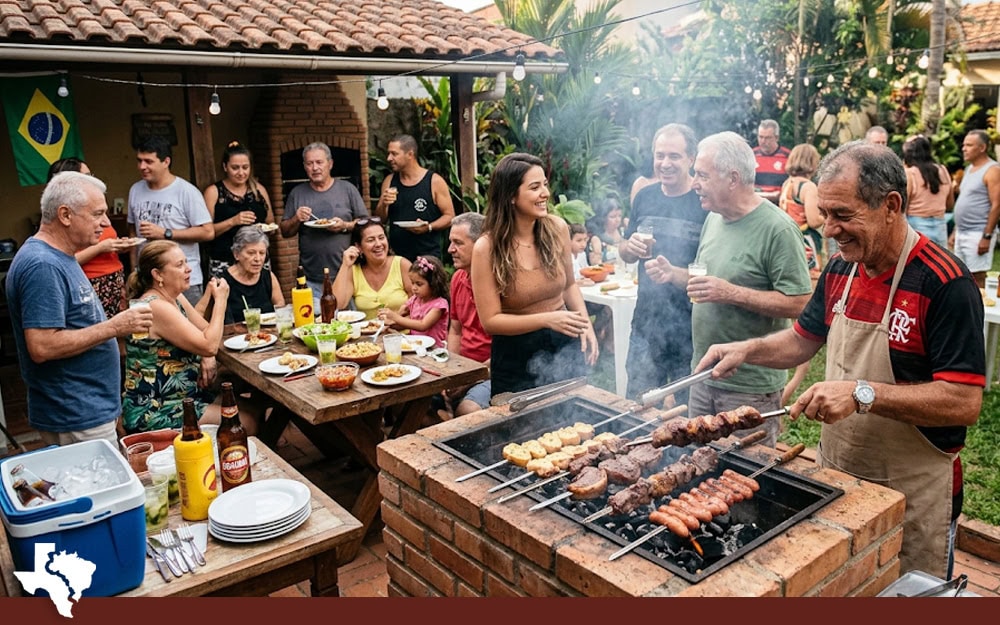
The churrasco is often run by one person, the churrasqueiro, who tends the grill all day. This is often a father, an uncle, or someone who has decided to be the churrasco expert for the day. This person is responsible for keeping the fire going, salting the meat, and timing the whole process. It’s just coarse salt, charcoal, and a bit of fuss.
The Slow Rhythm of Serving
The churrasco is rarely all served at once. Different cuts of meat cook at different speeds and have different sizes, so some of the quicker items are served first. Larger cuts of meat come later.
As the meat comes off the grill, it’s sliced on a board and passed around while it’s still sizzling. Sometimes, if it’s cut a little rare, it can be put back on the grill for those who prefer it cooked more thoroughly.
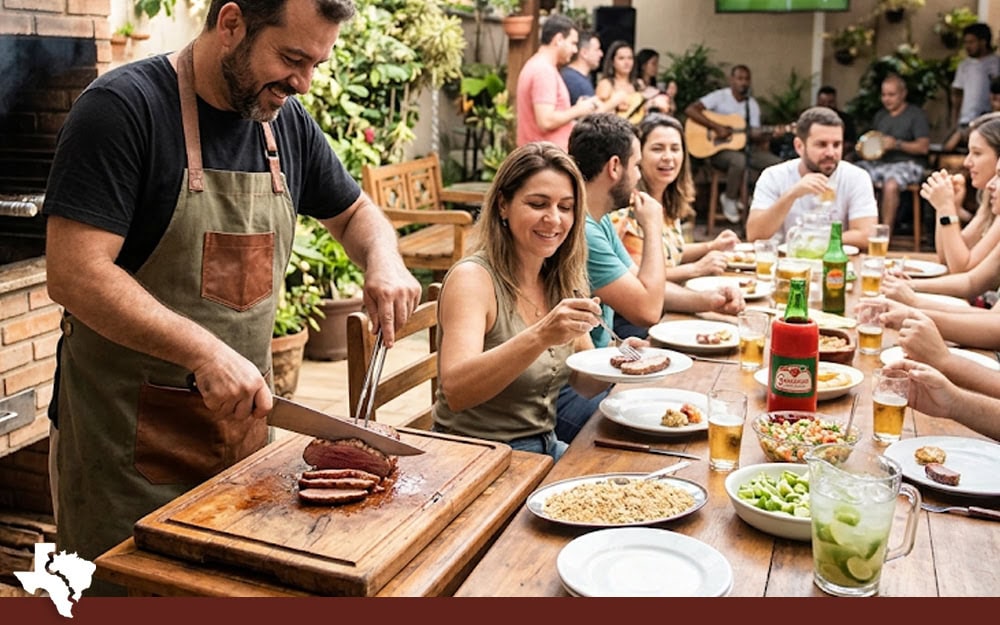
The overall effect is that the churrasco is a slow, steady grazing throughout the day, where people can linger for hours, chatting and enjoying themselves. Cold beers, caipirinhas, or guaraná for the kids are on hand, with pagode or sertanejo playing in the background and football on the TV.
Have you ever experienced this? If so, what is it about this style of grazing that makes it feel different from a normal dinner where you have set courses, individual plates, and a set time to end?
How Does a Rodízio Churrascaria Work?
The word rodízio is Portuguese for “rotation.” The rodízio service style is a fixed price per person, for as much meat as you can eat.
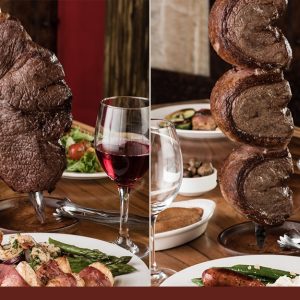
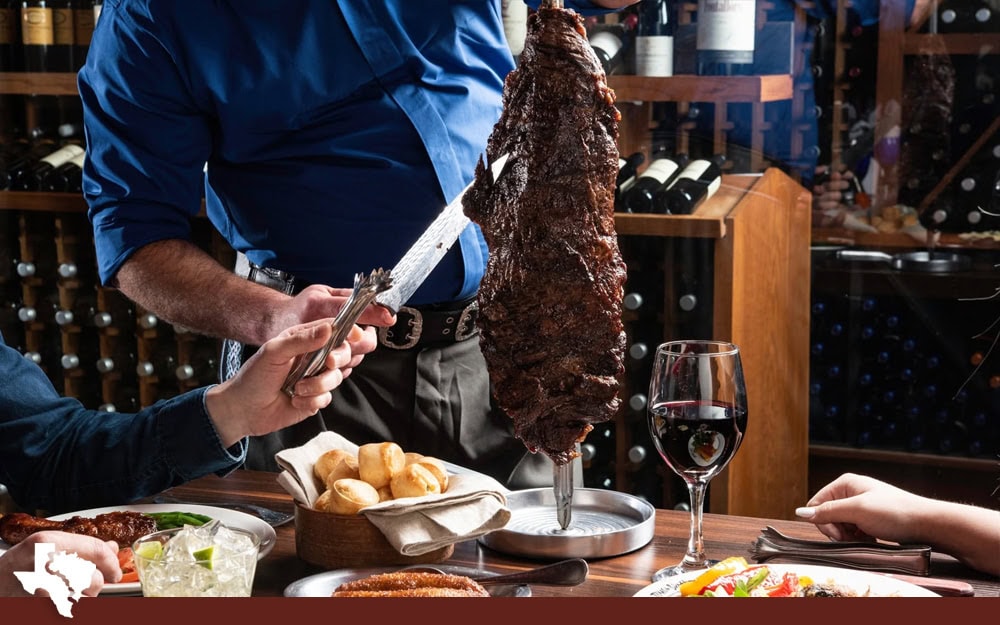
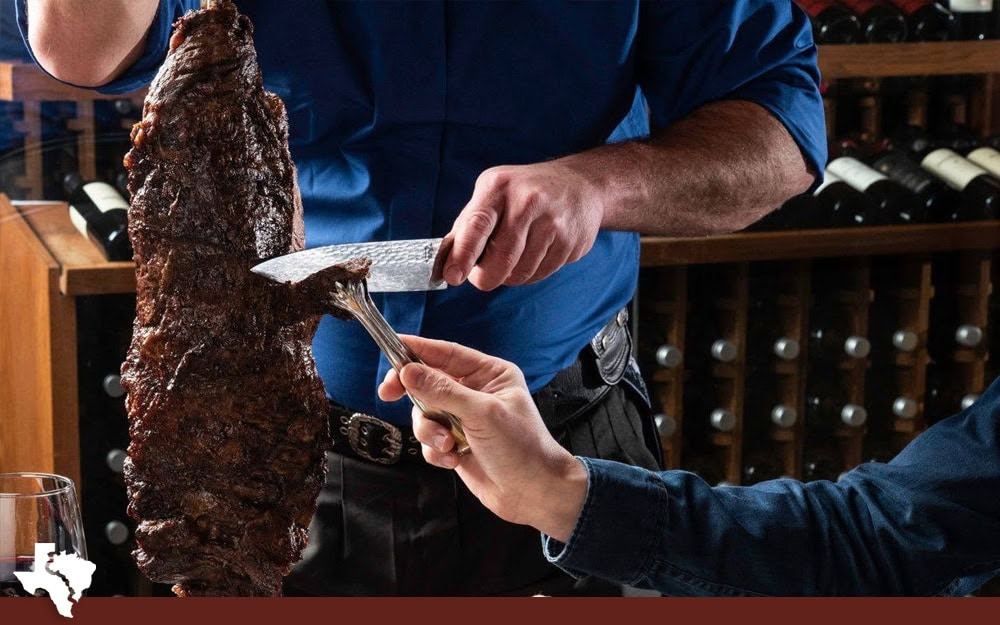
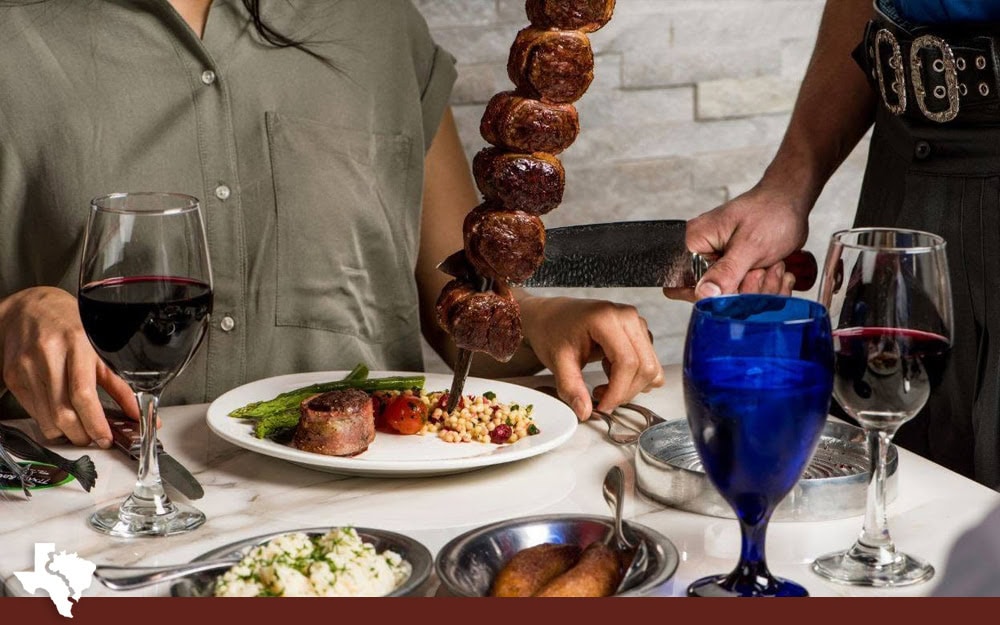
In a rodízio churrascaria, the passadores (servers) will walk around with large skewers of meat, known as espetos. When they stop at your table, they will slice off a piece of meat from the skewer and put it on your plate. You’ll be given a set of small tongs to grab the meat as it falls from the skewer.
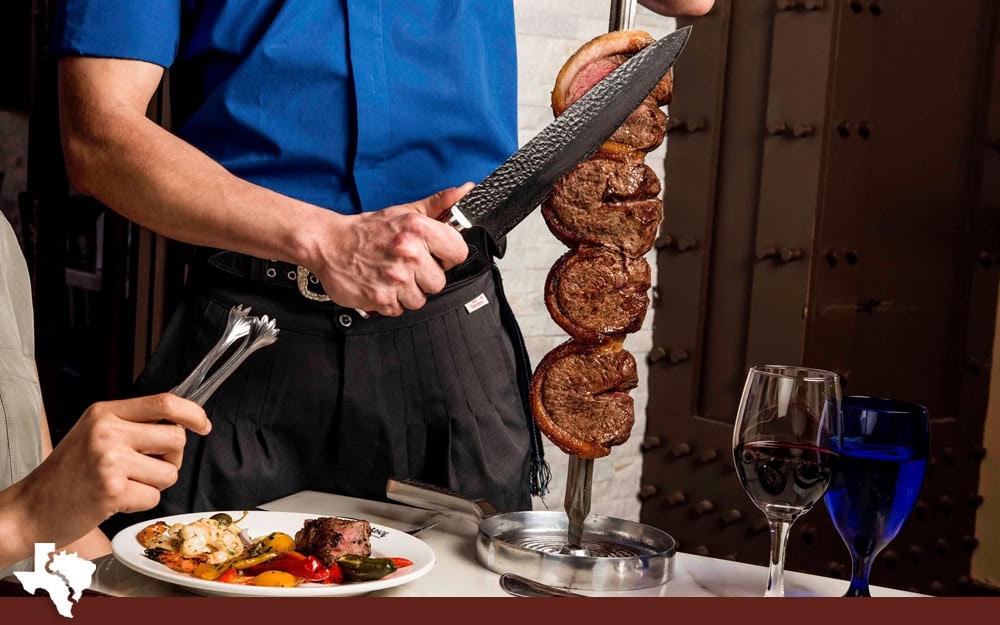
You’ll also be given a two-sided card or disc. One side is green, the other is red. When the green side is facing up, it means “yes, please” and the passadores will continue to stop by your table. If you’re full and don’t want any more meat, flip the card over to the red side, which means “no, thank you,” and the passadores will skip you. If you want more later, you can flip it back to green.
Pacing Yourself Through the Rotation
The passadores will typically bring a rotation of skewers of different meats, including picanha, fraldinha, alcatra, costela, linguiça, and chicken hearts. Picanha is often the star of the show, so keep an eye out for it, and if it doesn’t come by for a while, ask the passadores for some.
You can also ask the passadores to bring you a piece of meat cooked to your liking. The pieces closest to the outside of the skewer will be more done, while those closer to the inside will be rarer.
While the meat is the star of the show, you’ll often find a salad bar with options like rice, beans, farofa, and hot dishes as well. Items like pão de queijo, fried bananas, and polenta are often brought to your table as well. Just be careful not to fill up on these before the best cuts of meat come around!
Small portions, pacing yourself, and sampling before you get too invested in any one thing are the keys to a successful rodízio dining experience. Don’t forget that drinks and desserts are often not part of the rodízio and will be an additional charge!
Savor the Moment at Texas de Brazil
The legacy of the gaúcho is one of plenty, of delicious beef, of a lack of tools and a reliance on patience over a fire. It’s a recipe that hasn’t changed since the gaúchos started up on the pampas. A choice cut of meat, salt, and fire.
If you want to take the next step in your churrasco journey, buy a whole picanha with the fat cap scored, add sal grosso right before you put it on the grill, and let it cook over charcoal while you rotate the skewers slowly. You can round out your home churrasco spread with a few other Brazilian staples.
If you’re more interested in experiencing the churrascaria, have a plan. Go with the flow of the green and red card, skip the early courses that fill you up, and focus on the cuts you really want.
No matter where you go, remember that sharing is the key, from the gaúcho fire to the backyard barbecue to the churrascaria table. The question is, what will you have first? The cut, the salt, the fire, or the table? We look forward to seeing you, as we gather around, carving and passing around the meat, for hours to come.
We’re the churrascaria with a plan. Our gauchos are ready to carve up picanha right at your table, and our servers are ready to help you pace yourself with the green and red cards. All you need to do is reserve a table.
If you want to stay in the loop for special offers, member discounts, and more, join our eClub today.
If you want to give the gift of churrasco to a friend or loved one, consider a gift card. Perfect for birthdays, anniversaries, or just to share the experience with someone special. You’ll love knowing they’re experiencing what we do.
If you want to try your hand at churrasco at home, stop by the Texas de Brazil Butcher Shop and order some premium cuts.