
Should You Eat The Picanha Fat Cap?
A beautiful picanha comes out of the butcher paper, and the thick white fat cap just stares right back at you. The knife hovers over it (whether to trim it or leave it, toss it or eat it) and for a cut with such devoted fans, the answer is different for just about everyone.
The fat cap on picanha has sparked a genuine debate, and just about everyone who works with this cut has a strong opinion about it. Grill cooks who’ve spent years at the fire wouldn’t dream of cutting it off. Health-conscious eaters side-eye it every time. Brazilian pitmasters see its removal as near-sacrilege! And almost every one of them has a reason to back that up.
The fat cap is actually doing a few jobs at once during a cook (it’s what drives the debate) – it changes the flavor, it changes the texture on your plate, and it changes the nutritional makeup of your meal, and all three angles pull you in very different directions, which is why this argument never quite settles.
On the flavor side, that fat layer is doing quite a bit. As the heat builds, it slowly renders down and bastes the meat from the outside in – it’s what keeps it moist and gives it that rich flavor that you just can’t get any other way. A picanha without its fat cap is a different cut.
Texture is another area where the fat cap does its job. When it’s cooked well (rendered down and just slightly crisped at the edges), it’s a great contrast against the tender beef underneath, and the combination is what makes each bite so satisfying. Some will eat every last bit of it, and others just trim around it on their plate, and either way is a fine way to go about it.
The nutrition side of it is where it gets a little more personal. Picanha is not a lean cut – it carries a fair amount of fat, and it’s something to keep in mind ahead of time. For some, that’s a total non-issue. For others, it matters quite a bit. Whether it’s a dealbreaker can depend on your own diet and how much of it ends up on your plate.
Let’s talk about the great picanha fat cap debate and settle this once and for all!
Table of Contents
The Fat Cap on a Picanha
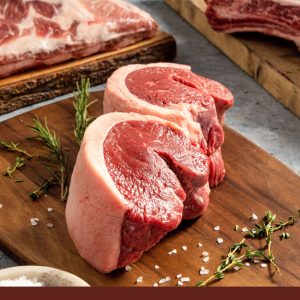
The picanha comes from the top of the rump, right at the point where the back of the cow meets the hindquarters – it’s a triangular cut with a pretty unmistakable shape to it. As far as cuts from that part of the animal go, it’s one of the more tender ones and the flavor is a deep, rich beefy profile that makes a standard sirloin look a little underwhelming by comparison.
The fat cap is probably the first detail that’ll grab your attention on a picanha – it’s a thick slab of fat that runs along the entire top of the cut, usually anywhere from a quarter inch to a full inch deep. And a picanha’s fat cap is one unbroken piece.
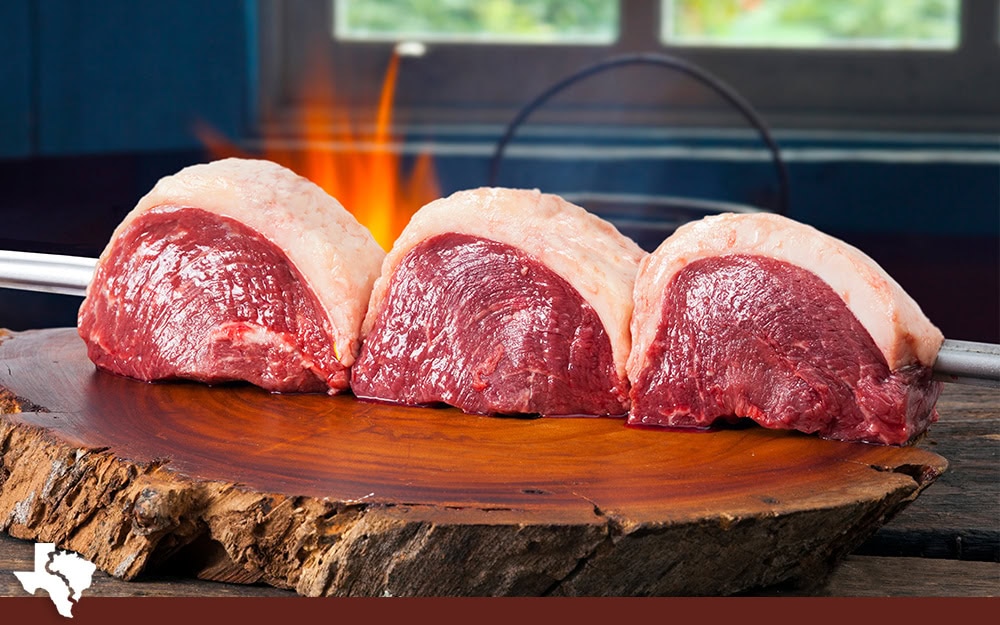
The fat cap stays on the meat throughout the cook, and the fat is earning its place. As the picanha heats up, all that fat slowly renders down and bastes the meat from above on its own – it holds the beef moist, builds depth of flavor and does what no marinade or sauce could ever replicate. The fat and the meat are working together in a way that leaner cuts never quite manage.
The debate over whether to eat the fat cap or trim it deserves real attention. What’s actually at stake is a part of the cut that has a direct effect on how it cooks and what it ends up tasting like. Pull it off, and you’ve changed the meat – at that point, it’s practically a different cut.
The fat cap is what lets a picanha cook the way it’s meant to. That’s probably the one detail worth keeping in the back of your mind if you haven’t cooked this cut before – whether you’re at the butcher counter or standing over the grill.
The Fat Cap That Brazilians Never Remove
The fat cap on a picanha stays on in Brazil. Full stop. No debate, no negotiation, no second thoughts – it just stays on.
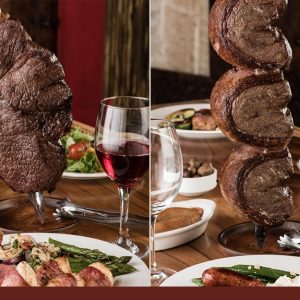
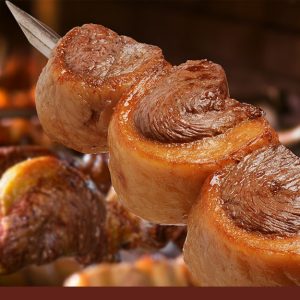
Picanha has deep roots in Brazilian churrasco culture – the traditional style of barbecue that’s been tied into Brazilian family life for generations. At a churrascaria, the meat gets folded into a horseshoe shape and put on the skewer with the fat cap turned outward (not some decorative touch or happy accident) – it’s just the way it’s always been done.
A trimmed fat cap is a sign of disrespect to the cut in Brazil. Arrive at a family churrasco in São Paulo with a beautiful picanha and just see the reaction if anybody were to reach for a knife and shave that fat cap off before it even hits the grill – it would not sit well at all. The fat is a big part of what defines picanha, and Brazilian cooks are very particular about keeping it right where it belongs.
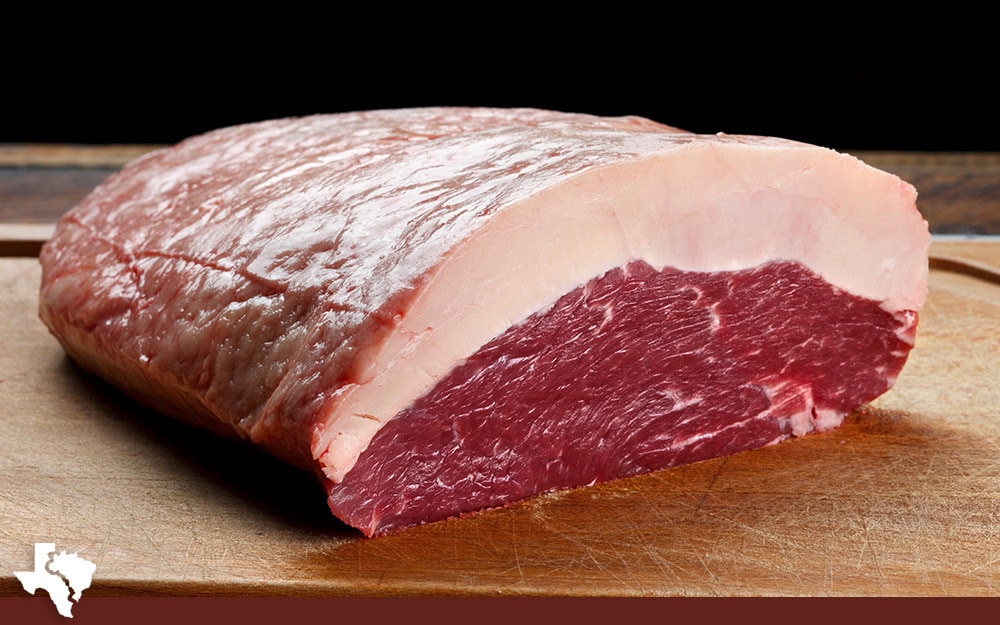
The pride around that fat cap is also a big part of why picanha has built up this strong following outside of Brazil. As Brazilian steakhouses expanded into new corners of the world, they carried this tradition right along with them – fat cap and all. Diners who had never even heard of picanha were able to experience it just the way that Brazilians have always intended.
To trim that fat cap is to go against a tradition that Brazilians have held onto for generations. But what you do with your own cut is your call – the cultural respect behind leaving that fat on is very real, and for what it’s worth, I think it matters.
How the Fat Cap Keeps the Steak Moist
The cultural reasons to leave the fat cap on are real and worth a look. But the helpful case is every bit as strong – and it all can depend on what that fat actually does to the meat as it cooks.
Once the picanha gets hot enough, that thick fat cap begins to slowly render and melt down over the meat – and it self-bastes as it cooks. The result is a steak that stays very moist from the outside in, with a deep, rich and beefy flavor that you can’t replicate any other way.
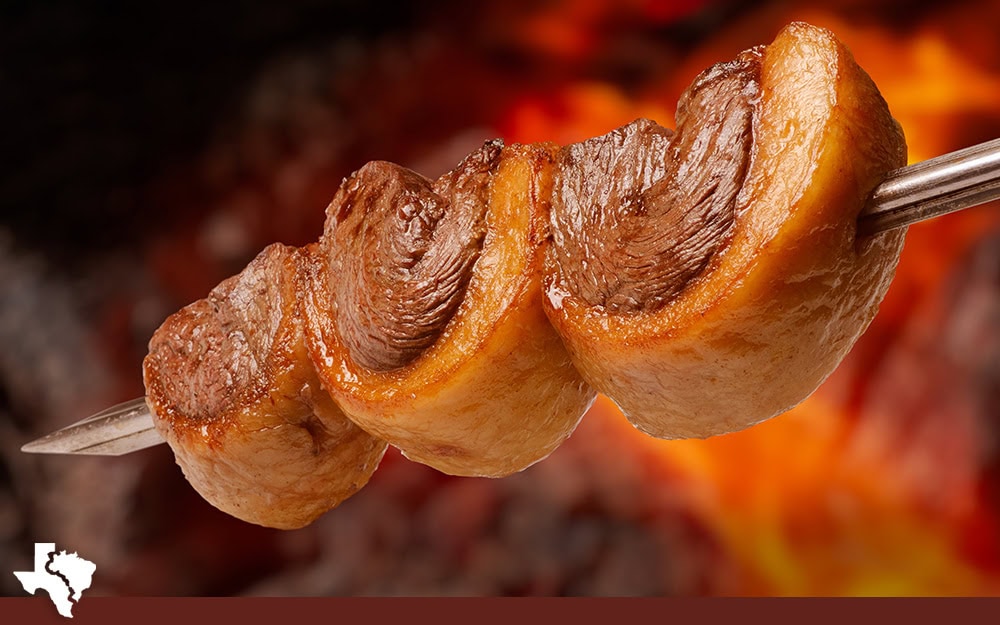
Trim it off before the cook, and you lose that. The meat will still taste fine – a well-sourced picanha is a quality cut in either case, to be fair. But without that fat cap doing its job during the cook, the steak tends to come out drier and noticeably flatter in flavor. That richness, that intense beefiness (the qualities that make picanha worth it) – those all come directly from the fat cap staying on throughout the entire cook.
Leave it on, and it does what it’s supposed to. Pull it off too early, and you’re actively working against the cut instead of with it.
During the cook, the fat stays on – that’s the best way to get everything out of your picanha. What you do with it once the meat comes off the heat is a whole different matter. Leave it on, trim it at the table or go with something in between – that part is yours to choose.
Should You Eat the Fat Cap?
Yes, the fat cap is worth eating. But only when it’s been cooked right. Plenty of cooks just trim it away and toss it out without a second thought, which is a shame, because a well-rendered fat cap can turn into one of the best bites on the entire plate.
The way fat renders makes or breaks the whole experience. When the fat gets enough time and heat to break down completely, the outside turns brown and crispy and the inside stays soft and almost buttery. That textural contrast is a big part of why picanha is so celebrated in Brazilian churrascarias – and why guests at those restaurants will eat every last bit of it.
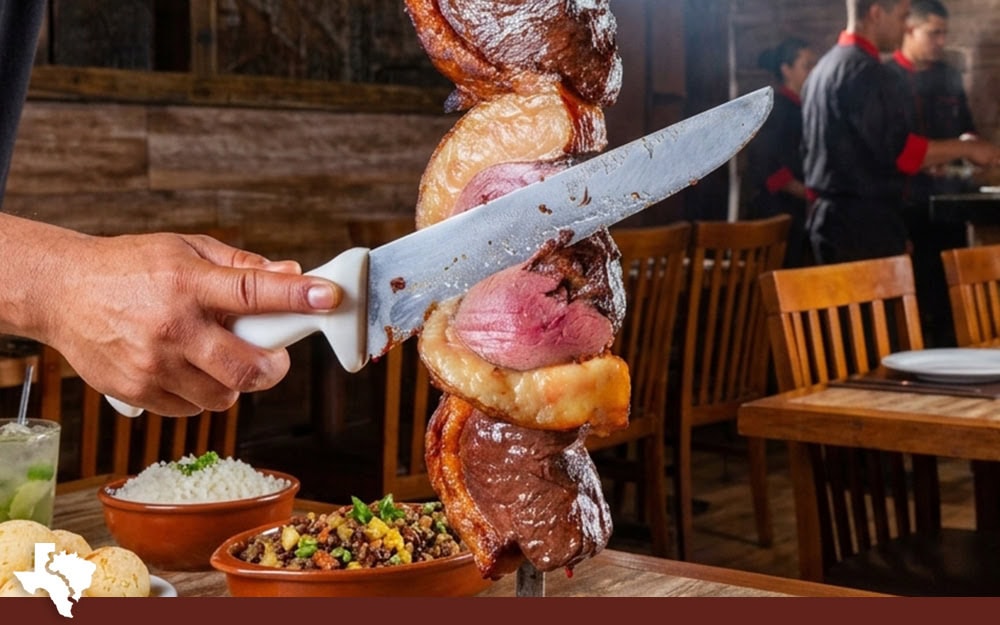
The most common issue is fat that hasn’t rendered – usually a matter of not enough heat or not enough time. Fat that doesn’t get a chance to break down comes out chewy and rubbery, which is a pretty miserable texture, and it’s the main reason diners swear off the fat cap altogether. It’s not a problem with the fat itself, though – it’s a cooking problem. Nail the cook and the whole experience changes.
When the fat cap renders the way it’s supposed to, it’s usually the first to disappear at the table. That crispy edge just doesn’t last long – and it’s not hard to see why. A well-done fat cap is rich and satisfying in a way that the lean meat alone can’t replicate. The fat also bastes the meat as it renders down – it’s what gives every bite that extra layer of depth.
The fat cap doesn’t get nearly enough credit – it’s one of the best parts of the whole cut. Plenty of cooks want to trim it off. But if you nail it, it does quite a bit for the flavor. After your first time doing it right, you’ll never want to go without it again.
Why the Crosshatch Lets Fat Render More Evenly
A crosshatch pattern on the fat cap is a grid of shallow cuts made across the entire surface. The lines run in two directions (horizontal and vertical), and each one is spaced roughly an inch apart from the next, from one edge to the other.
The depth of each cut does matter. You want to work your way through most of the fat layer without actually reaching the meat itself. Go too deep, and the meat will dry out in the oven, and the juices that give it all its flavor will be long gone before it ever hits the plate.
Fat reacts to heat very fast, and without those cuts scored into it, the cap shrinks unevenly and starts to pull the meat into a curl as it cooks. That curl is what makes an even cook almost impossible – and the end result never looks all that great either. A crosshatch gives the fat room to melt at a slow and steady rate, which holds the whole piece flat and lets everything cook far more evenly.
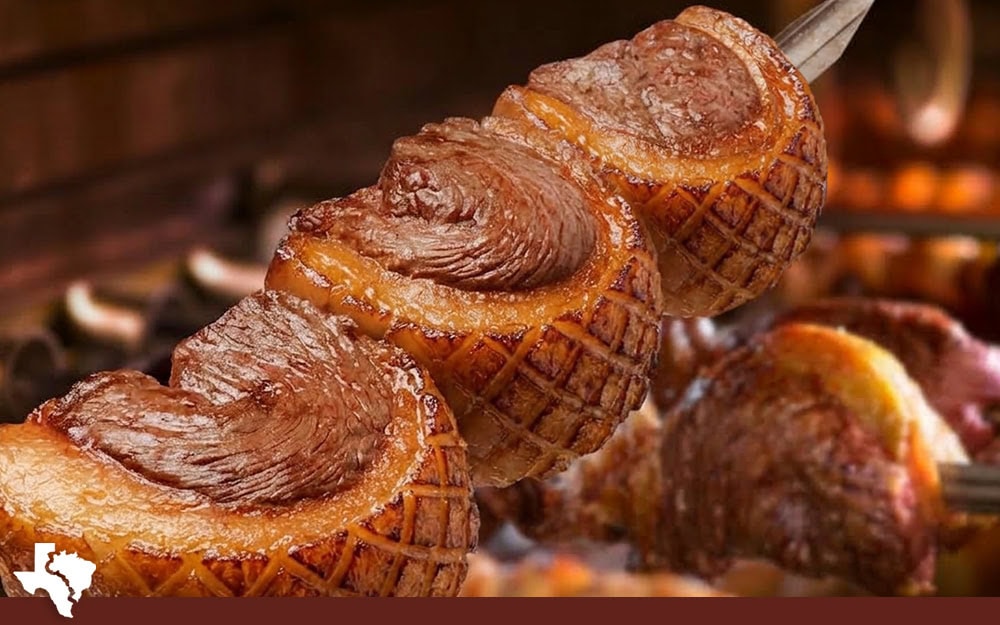
The cuts don’t need to be dead straight or evenly spaced down to the millimeter – so there’s no need to stress over it. A sharp chef’s knife and a bit of patience are all you need. Work through each cut at a slower pace and try to hold your spacing and depth roughly even throughout. What you’re after is to break through that outer layer of fat, so a little extra care on each pass matters.
When the fat renders the way it’s supposed to, it comes out a deep golden color and a little crispy – a very different result from that tough and rubbery layer that you would have if you left the fat unscored. It’s a small detail.
But it’s the difference between a decent cut of meat and a great one.
Trim the Fat Cap Right Before You Eat
Not everyone wants to eat the fat cap – it’s a fair position to have. Fat is calorie-dense and loaded with saturated fat, so for anyone keeping tabs on either one, a thick layer of rendered fat sitting right on top of their picanha isn’t the most appetizing sight on the plate.
The great news is that it doesn’t have to be an either/or situation. The fat cap can stay on for the entire cook (it’ll baste the meat from above the whole time and add to that rich flavor that picanha is famous for) and then get trimmed off right before it hits anyone’s plate. A fair amount of that flavor develops during the cook anyway, so the picanha comes out better for it regardless of whether anyone actually wants to eat the fat.
That’s a pretty common scenario for anyone who’s keeping an eye on heart health or has a weight goal they’re working toward. At the end of the day, there’s no wrong move at the table. Some guests will eat every bit of that fat cap and love it, and others will trim it right off and set it aside without a second thought. In either case, a great picanha stays a great picanha for everyone at the table.
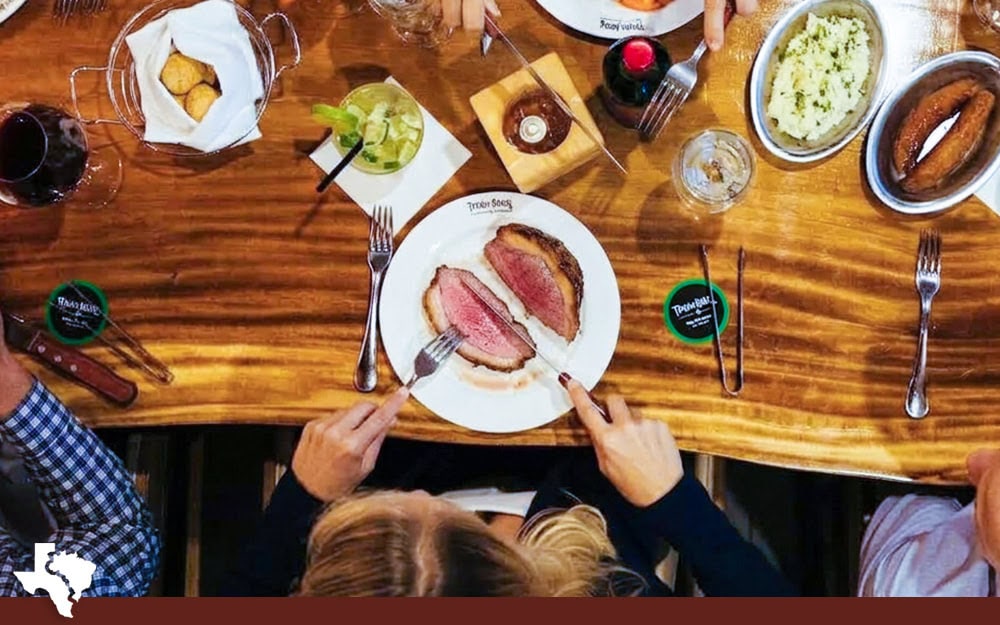
Even if you’re planning to trim the fat cap off before eating, leave it on for the cook – it’s still doing plenty in the background. Over a low-and-slow cook, the fat slowly renders down over time and bastes the meat as it goes – it’s moisture and depth of flavor that would be hard to pull off any other way. Some ingredients don’t have to make it to your fork to earn their place in the process, and the fat cap is no exception.
Either way, it’s your meal and your call to make. Let the fat cap do its job throughout the cook, and right before everyone sits down to eat, go with whatever feels right to you.
How to Get a Crispy Fat Cap
The fat cap on a picanha is well worth keeping – just cook it with a bit of care. Most recipes will tell you to place the meat fat-side down over high heat and let it render out slowly before you do anything else with it – it’s great advice. The fat cap is what sets picanha apart from other cuts, and it deserves your full attention from the second it hits the pan.
Most home cooks make this mistake on their first attempt. The temptation to flip too early is very hard to resist – the fat is popping, the steam is coming off the surface, and it just makes you want to do something. Resist it. That extra time with the fat pressed flat against the heat is the entire difference between a rubbery cap and a well-rendered crust. Give it enough time to actually melt down and develop some color before you touch it. Pull it too soon, and you lose most of what makes the cut worth it.
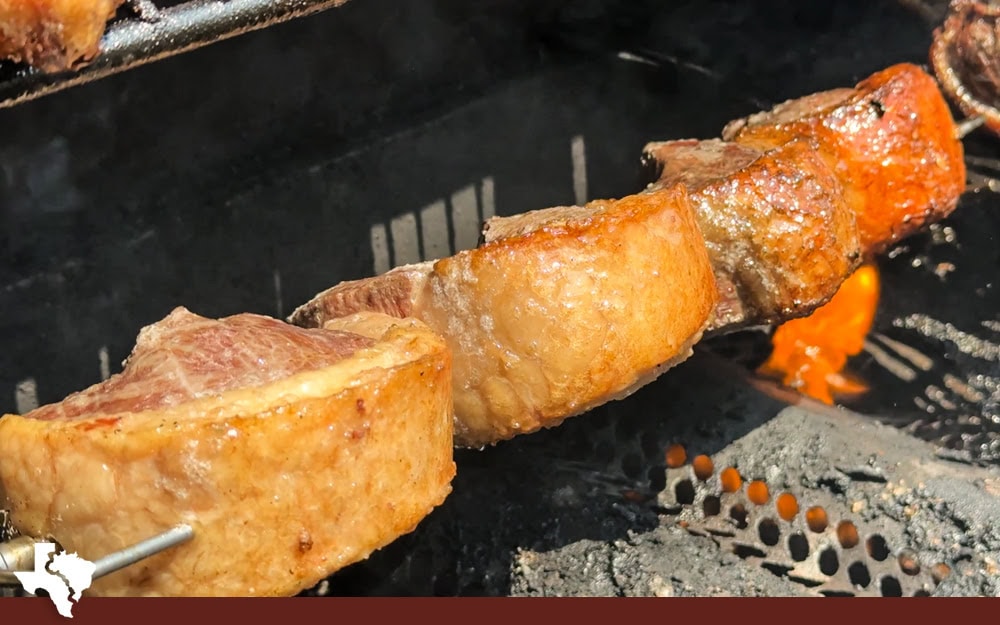
One last step that pays off well is to let the meat rest before you slice into it. After all that heat, the juices should have a few minutes to settle back down – that little pause leaves everything noticeably juicier when you finally cut in. Even just 5 minutes does help in how everything comes together on the plate. The texture gets better, the juices stay where they belong, and the fat gets that perfect silky quality that makes picanha worth the effort.
Savor the Moment at Texas de Brazil
At this point, you have everything required to make a well-educated call the next time you’re standing over a hot grill with a picanha in hand. We’ve covered what the fat cap is, why Brazilian pitmasters have always treated it as something they’d never skip, how it keeps the meat juicy all the way through the cook and how to approach it based on your end goal – a crispy bite or a leaner plate. Most cooks grab a knife and trim immediately without any of this context, so you’re already well ahead of where most end up.
The fat cap deserves at least one fair shot. A little patience and the right amount of heat help, and most who try it come around to it pretty fast. The texture, the flavor and the way it changes the whole experience – that part is hard to put into words until you’ve actually had it done right.
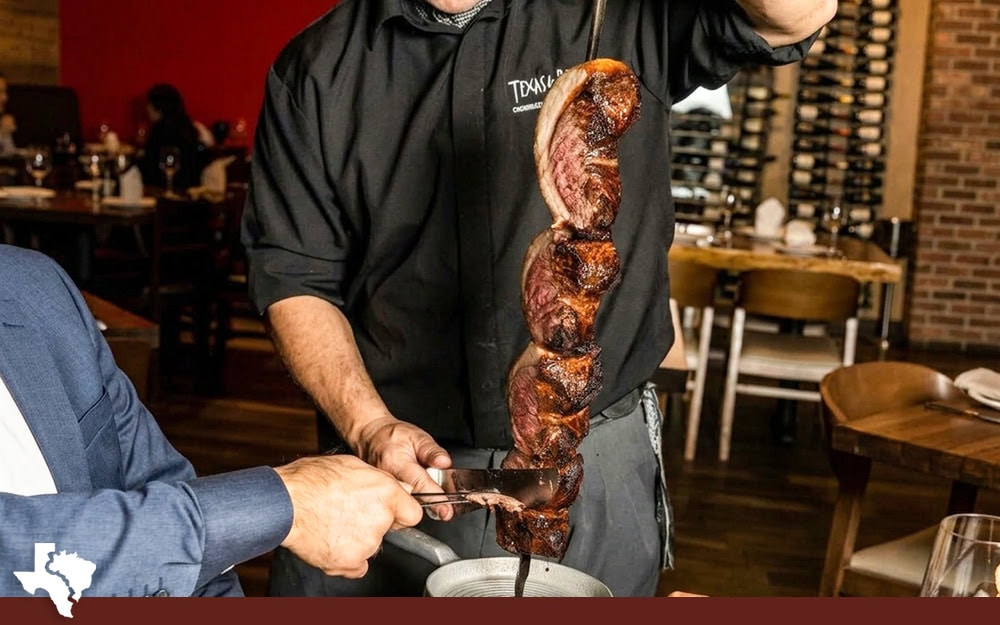
Picanha done the way it was always meant to be eaten – that’s just what Texas de Brazil has been serving for years. Our gauchos carve directly at your table from skewers of fire-roasted picanha and a full spread of other premium cuts, done in the authentic Brazilian churrasco tradition. For anyone who’d like to bring that same quality home, our Butcher Shop ships those premium cuts directly to your door. Our eClub gets you $20 off your first visit, our gift cards are a great option for anyone who loves a good meal, and whenever you’re ready to come in, a reservation takes just a few clicks.