
What Is Pudim? Brazil’s Answer To Flan And Crème Caramel
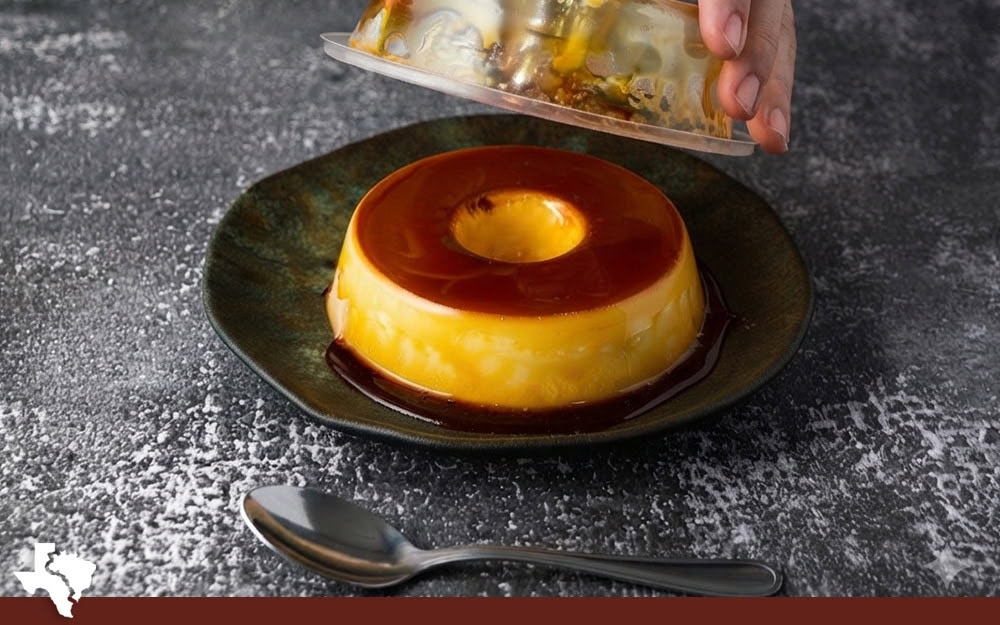
At just about any Brazilian birthday party or Sunday lunch, a glossy and caramel-topped dessert usually makes an appearance – and outside of Brazil, most diners have never even heard of it. Pudim de leite condensado is one of the most well-loved desserts in the country, and if your only reference points are flan or crème caramel, it’ll probably leave you with a few questions.
The mix-up makes total sense. All three desserts share a caramel top and a custard base, so it’s pretty natural to lump them all together. A single ingredient is what sets pudim apart from its European cousins, and it ends up driving everything else about the dessert – the density, how sweet it tastes and even the way it slides out onto a plate.
That ingredient is condensed milk. Flan and crème caramel are made with fresh milk or cream. But pudim calls for sweetened condensed milk instead. That one swap gives pudim a much fuller and denser texture and a depth of sweetness that a standard flan recipe just can’t replicate. Home cooks try to substitute it with fresh milk or cream, and the result never quite lands right – the texture is too light, the sweetness falls short, and it loses that signature weight that defines pudim.
Brazil’s most well-loved custard has quite a backstory. It’s easy to see why millions of home cooks across the country put it on the table every week. It’s one dessert that legitimately earns the devotion it gets!
Let’s get into what makes pudim Brazil’s most well-loved and classic creamy dessert!
Table of Contents
The Brazilian Roots of Pudim
Pudim was never a restaurant dish or something that you would save for a big occasion. Most home cooks make it just because everything they need is already in the kitchen and the recipe has been passed down through so many generations that most families don’t even need to look it up. That familiarity is a big part of why it’s stayed so steady across so many different households.
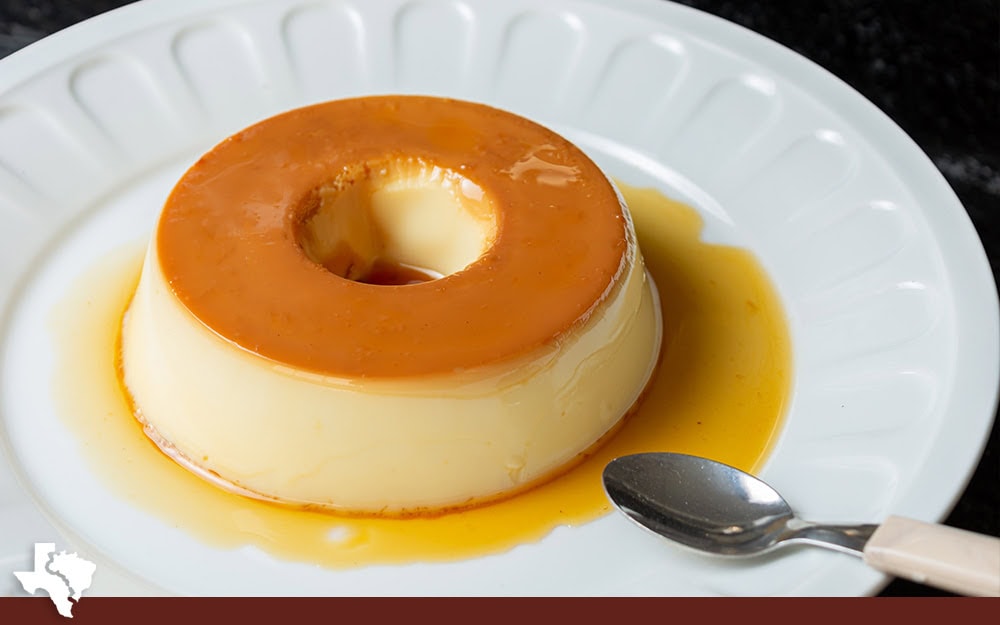
Condensed milk played a big part in shaping pudim into what it became. Once sweetened condensed milk became widely available and affordable all across Brazil, it slowly changed how home cooks handled dessert – it was shelf-stable, reliably sweet, and it made for indulgent results that were easy to pull off without much effort or equipment. Over the years, Brazilian home cooks folded it into all kinds of different recipes, and pudim wound up being one of the most lasting ones. There’s also something to be said for how well it travels – it holds up nicely after a few hours in the fridge, which makes it a natural choice when you need to bring something to share.
That history says quite a bit about Brazilian home cooking more broadly. The food that actually survives across generations nearly always has a few qualities going for it – it’s easy to share, it’s not a headache to make, and it’s just hard to get out of your head once you’ve had it. Pudim checks all three boxes – it also tends to please a pretty wide range of tastes, which doesn’t hurt when you’re feeding a table full of guests. That combination of simplicity, reliability and wide appeal goes a long way toward explaining why it never needed to chase new ideas or reinvent itself to earn its place at the table.
Why Condensed Milk Makes Pudim So Rich
That one swap actually changes the finished pudim. Sweetened condensed milk brings a depth of richness that fresh cream just can’t replicate, and it also gives the pudim a noticeably denser texture. The sugar is already built into the condensed milk from the start, which means there’s no way to dial back the sweetness or adjust it once it’s part of the recipe – it’s worth keeping in mind because the sweetness is very much a fixed part of the outcome.
If your only frame of reference for custard is the barely-there European style, then pudim lands in a whole different category. It’s a bit heavier – dense, firm and much closer to a flan in weight and texture. The bite carries a richness and heaviness that a traditional custard just can’t match (it also holds its shape after it’s unmolded, which most European-style custards just wouldn’t do). That structure is a big part of what makes pudim feel so substantial.
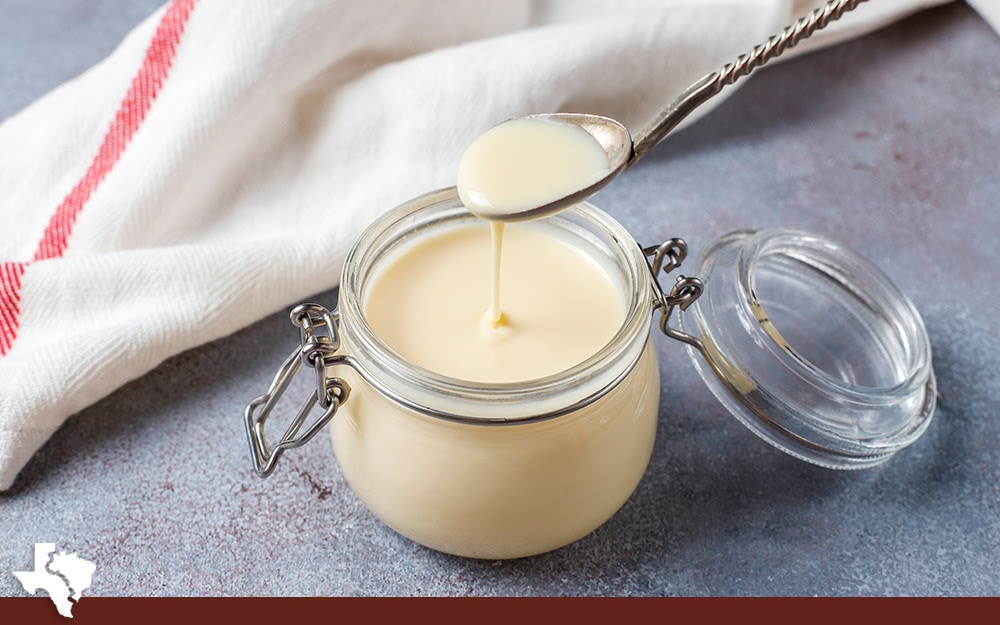
The sweetness level is also a big part of the story. Condensed milk already carries an almost caramel-like sweetness all on its own – well before the caramel sauce even gets added on top, and by the time everything comes together, pudim ends up in a much sweeter place than most European-style custards would ever go. The sweetness is very much front-and-center. It’s not mild, and that’s intentional. Pudim is a dessert that commits to a big, sweet, milky flavor – it’s just what makes it feel so unmistakably Brazilian.
Same Look But a Very Different Taste
All three of these desserts look just about the same – the same amber caramel top, the same soft and creamy layer underneath. But actually sit down and taste each one, and they each have their own personality that starts to come through pretty quickly.
Pudim is the densest of the three – it’s that thick, rich, almost bouncy custard that gets its weight from all that condensed milk. French crème caramel is far more delicate – made with fresh milk and plain sugar, with a barely-there wobble that feels noticeably lighter on the tongue. Spanish flan sits right in between the two – a little firmer than crème caramel, but nowhere near as thick or sweet as pudim.
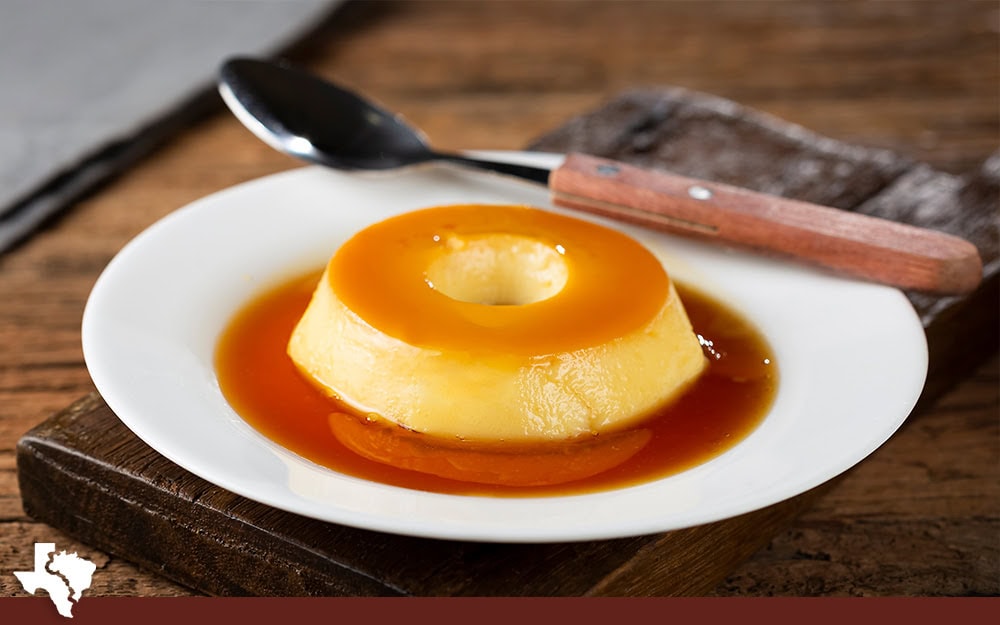
Sweetness is one area where these three do taste pretty different from each other. Crème caramel leans a bit more mild and eggy in flavor, while flan tends to land right in the middle for sweetness.
Europe had access to fresh dairy and refined sugar for centuries, and those two ingredients are what gave flan and crème caramel their own particular texture and richness. Brazil took a different path – condensed milk became a genuine pantry staple there, and home cooks took to it completely. The three versions are still built on the same foundation of caramel and custard, just developed along very different paths depending on where the recipe landed. Whichever one sounds better to you probably depends on the flavors that you already lean toward.
A Classic Ratio That Does the Work
Pudim is a recipe that you won’t have to know by heart. Custard has a demanding reputation (exact temperatures, water baths, a whole lot of fuss) and for the most part that reputation is well-earned. Pudim is the exception, though. The egg-to-dairy ratio does plenty of the work for you, and it gives you a pretty wide margin for error that most other custard recipes just don’t have. If custard has ever felt a little out of reach for you, pudim is a great place to start.
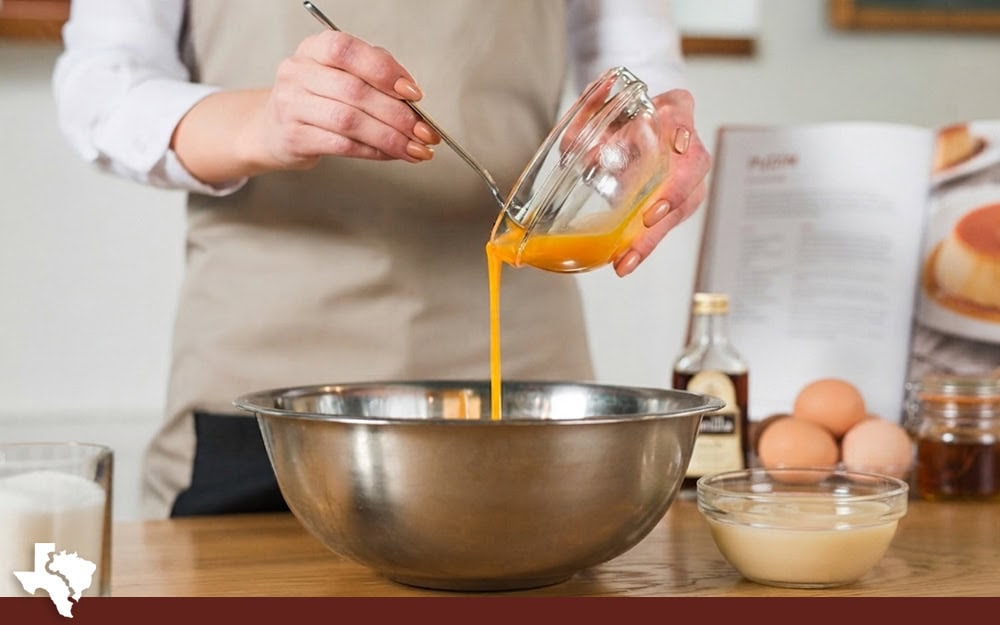
Condensed milk is what makes this recipe easy (it does two big jobs at once) – it handles the sweetness on its own, and it’s also what gives pudim that silky texture that makes it so satisfying to cut into. There’s no need to measure out sugar separately or stress about sweetness levels. The condensed milk takes care of that.
Once those three ingredients are blended together, you pour everything directly over a layer of caramel and let the oven do the rest. The recipe doesn’t ask much from you at all. That simplicity is a big part of why pudim has been passed down through so many generations. It’s a dish that stays with a family for decades – not because it’s hard to pull off. But because it always comes through. Nothing gets lost each time you hand it down, and nothing feels out of reach the next time you come back to make it.
The Hole That Makes Your Ring Pan Work
Heat distribution is the whole point of this. With a standard plain mold, heat has to work its way inward from the outside edges, and the center is always the very last place that it reaches. The bigger the mold, the longer that whole trip takes – it’s where problems can arise. The outer layer can be nicely set and browned while the middle is still soft and undercooked, and at that point, more baking time alone just won’t quite fix it.
That hole actually has a job – it gives heat a second entry point right at the core of the custard. The outer edges get heat from the sides of the pan, and the inner tube delivers it from the center at the same time. Since heat comes in from two directions, the custard sets far more evenly from edge to edge, and the whole bake gets more predictable and reliable.
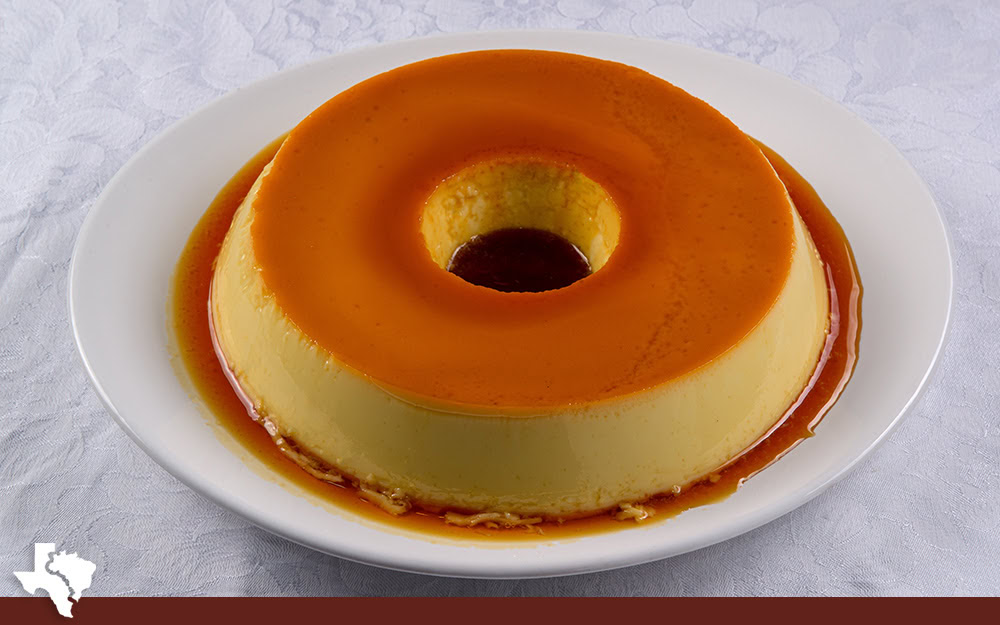
Most home cooks will only learn this lesson once – after the damage is already done. A pudim can look firm and set from the outside while the center is still loose and undercooked underneath. You won’t know until you go to unmold it, and by that point, there’s not much that you can do to save it. With all that work behind you, it’s one of the more disappointing ways a dessert can fail.
A bundt pan is an easy fix for a cooking problem, and the shape and the science behind it are more connected than the design alone would suggest. That tube through the middle is arguably the part that matters most in the whole mold.
Get Your Pudim Texture Just Right
The texture is the heart of a pudim – it needs to be firm enough to hold its shape when you turn it out. But it should be soft enough to wobble gently on the plate. You want something between a silky panna cotta and a dense cheesecake – and it should sit much closer to the silky side of that scale.
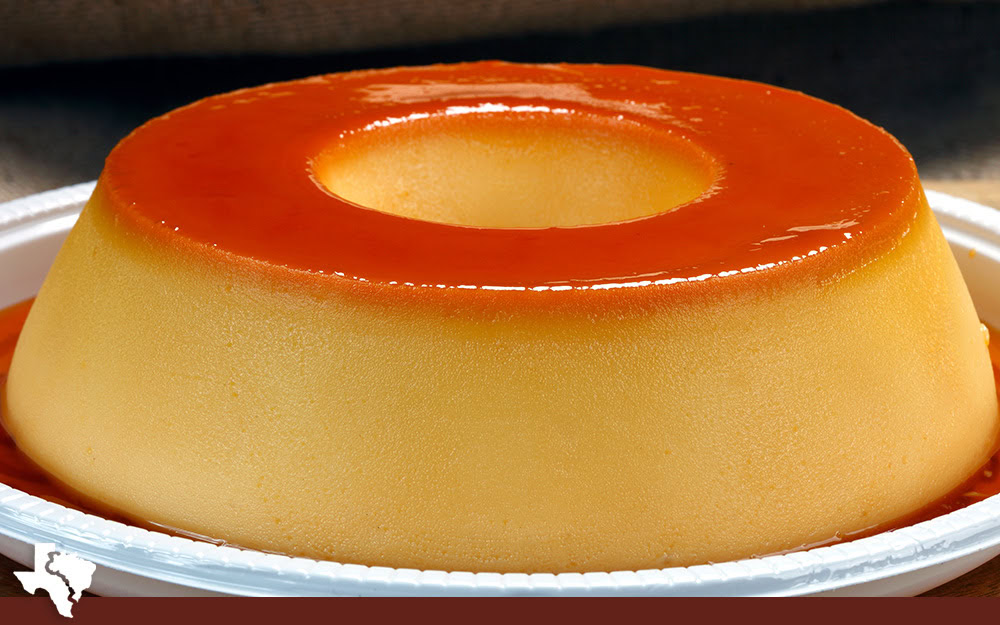
After all that effort, a rubbery custard fresh out of the oven is a pretty demoralizing outcome – which is why you’ll see the water bath come up in just about every custard recipe. The whole point is to nestle your pan inside a bigger dish filled with hot water before it goes into the oven. That surrounding water acts as a buffer and holds the temperature around your custard low, slow and steady the whole way through. Without it, the edges of your custard would cook much faster than the center, and you’d end up with an uneven set – firm on the outside, still loose in the middle.
Pudim gets its silky signature texture from low and slow heat – it’s that simple. A gentle oven gives the eggs time to set little by little, instead of all at once – it’s what stops the final product from turning rubbery. Even a slightly too-hot oven can overcook the eggs pretty fast, so it’s worth learning about your oven’s temperature from the start. The water bath ratios and your oven temperature are worth getting right on your first attempt. At the end of the day, patience is probably the most important ingredient in the whole recipe.
Classic and Creative Takes on Pudim
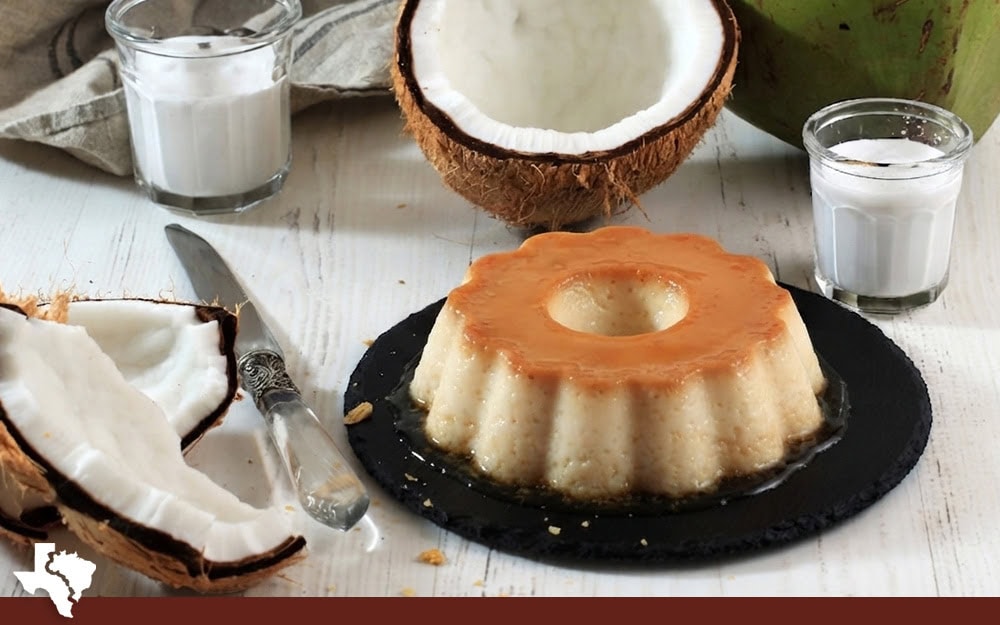
Pudim has a classic recipe, and Brazilian home cooks have never felt all that constrained by it. Some families swap plain milk for coconut milk to make a pudim de coco – an easy swap that gives the custard a slightly tropical flavor. Others fold cream cheese into the base to make pudim de queijo, and the result is an almost cheesecake-like texture that holds its shape well on the plate.
Chocolate pudim is more or less what you would expect – the classic silky base with a fair amount of cocoa mixed into it. The result is something a little more indulgent than the original, which is probably why it’s the version everyone reaches for at birthdays and big occasions.
What actually sets these variations apart is how personal each one tends to be. Brazilian families have their own favorite version – either passed down through the generations or slowly adjusted over the years to line up with their own taste. One household might always add coconut milk for that extra richness – another would never dare leave out the cream cheese. That personal ownership is a big part of why pudim never feels locked into one definitive recipe – it stays alive because every cook who makes it treats it as their own.
When you’re picking a pudim recipe, the first step worth figuring out is what texture and flavor you’re after. A fruit-forward finish points pretty directly toward pudim de coco, and if rich and creamy is more your speed, the cream cheese version tends to be far more satisfying. Each variation has its own rightful place at the table – that’s the whole point. No matter which direction you take it, you can’t go wrong.
Savor the Moment at Texas de Brazil
Pudim is a dessert that leaves a mark on anyone who tries it for the first time. Whether it’s at a Brazilian family get-together or right out of your own kitchen, it tends to stick with them in a way that a standard flan or crème caramel just doesn’t. The condensed milk base, the rich cultural history behind it and the way it moves from one generation’s kitchen to the next – it makes for something that feels worth learning about. It’s also very approachable to make at home.
Pudim doesn’t ask much of you – that’s the whole point. The ingredient list is short, the technique clicks once you’ve made your way through the water bath a couple of times, and the recipe is forgiving enough that even a first attempt can come out beautifully – which, in my experience, is not something most classic desserts will let you get away with. The version that you try first (whether that’s the classic condensed milk base, a coconut twist or something a little more indulgent with cream cheese) already says quite a bit about the dessert lover that you are, and there’s no wrong place to start.
For anyone who loves rich Brazilian flavors, we bring that same spirit of generosity and tradition to the table at Texas de Brazil. Whether it’s a memorable night out or just a reason to get everyone together, a reservation is a few clicks away at texasdebrazil.com. Our eClub is also well worth it – members get $20 off their next visit, which is reason enough on its own. Our gift cards are another great way to treat someone to a full meal. And if you like to bring the experience home, our Butcher Shop ships premium cuts straight to your door.
Whatever brings you to the table, our welcome never changes.