
What Is Moqueca? Brazil’s Famous Coastal Seafood Stew
Between a weeknight dinner and a centuries-old tradition sits one of Brazil’s most well-loved dishes – a fragrant seafood stew simmered in a clay pot, loaded with rich aromatics and a deep coastal character that’s nearly impossible to recreate anywhere else. Maybe you’ve come across the name before but couldn’t quite place it or spotted it on a menu without enough context to feel confident ordering it – either way, we’re going to bridge that gap here.
Moqueca isn’t the type of dish that you can sum up in a sentence or two. African history runs through it. Brazilians have a genuine regional rivalry over it, and every ingredient on its fairly short list is carrying its weight. Swap one out or go too heavy on another, and the dish changes in a way that actually matters – which is why it pays to take a little time to get it right.
The two versions most worth your attention are Moqueca Baiana (the Bahian-style stew made with coconut milk and palm oil) and Moqueca Capixaba from Espírito Santo, which skips those ingredients in favor of something lighter and more broth-forward. Each of them eats very differently. The debate over which one is better is very much a passionate and not quite civil conversation in Brazil.
A well-made moqueca (whichever style you go with) has layers of flavor that most weeknight meals just can’t match. The taste is only part of what’s going on, though. The dish developed along Brazil’s Atlantic coast over four hundred years, shaped by Indigenous, African and Portuguese influences. Four centuries of culinary tradition are packed into a single clay pot – and for a dish like this, that history is worth the time and attention!
Let’s get into what makes this well-loved Brazilian seafood stew so unlike anything else!
Table of Contents
What Sets the Two Styles Apart
Brazil has two main versions of moqueca, and locals take the difference between them very seriously. It’s a debate where everyone has a strong opinion, and no one is changing their mind anytime soon.
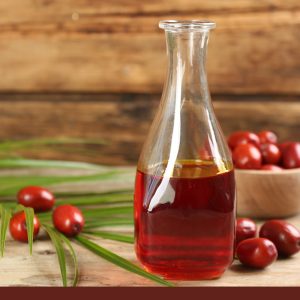
Moqueca Baiana is the version that most diners outside of Brazil have actually tried, and it comes from the state of Bahia. The two ingredients that define it most are coconut milk and dendê oil – a deep orange palm oil that gives the dish its punchy flavor and color.
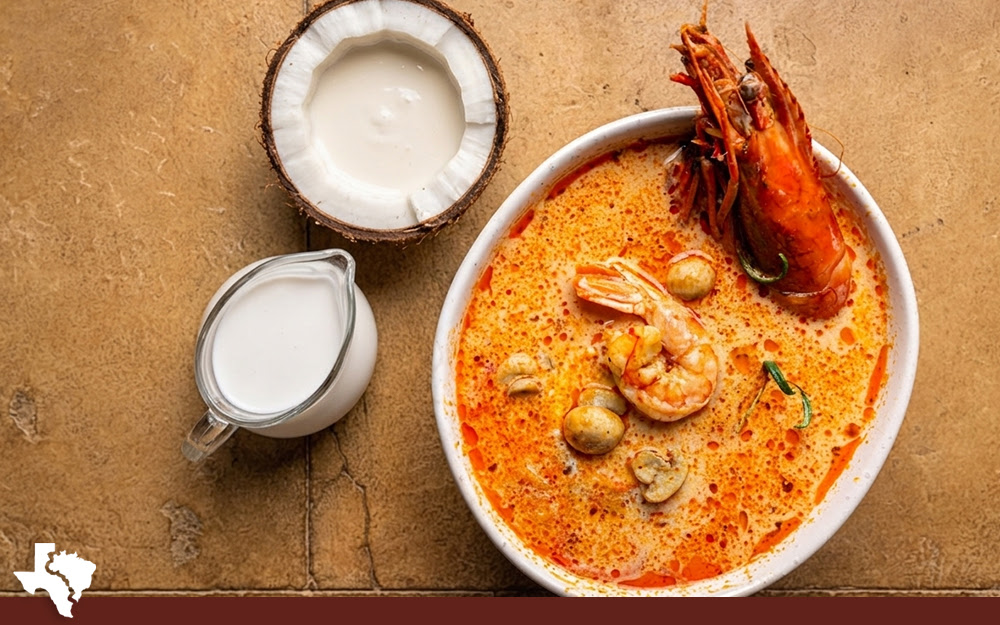
Moqueca Capixaba comes from the neighboring state of Espírito Santo, and it’s a different dish. No coconut milk and no dendê oil – annatto oil takes their place and gives it a much lighter body and a more delicate flavor. Capixaba locals will tell you outright that their version is the original recipe, and Bahians will disagree with every bit as much conviction.
At their core, the two versions are built on the same two elements – fresh seafood and a long and slow simmer. Where they split is the fat and the liquid, and the difference ends up mattering quite a bit. One of them is rich, wonderfully aromatic and almost heavy in the best possible way. The other is clean and bright with a little more restraint to it. Neither one is better than the other – they’re just two very different experiences that share the same name.
Take the chance to try the two of them side by side if it ever comes up. You’ll come away with a pretty strong preference for one over the other, and whichever one you prefer tends to say quite a bit about what you look for in a bowl of food.
The Flavors That Make Moqueca What It Is
Coconut milk does quite a bit for this dish. Its richness softens the heat and pulls the whole broth together into something smooth and well-rounded (it’s a big part of what makes moqueca so different from other seafood stews) – it also brings a gentle sweetness that pushes back against the acidity of the tomatoes. That little bit of balance is what stops the broth from falling flat.
Dendê oil stands apart. Made from the fruit of the African oil palm, it has an earthy flavor and a deep orange-red color that stains the entire broth. For anyone outside of Brazil, it’s a new taste – and in my experience, it’s the one ingredient that tends to sit around the longest after a first bowl. Leave it out, and the dish turns into something else altogether. A different stew, maybe. Just not moqueca.
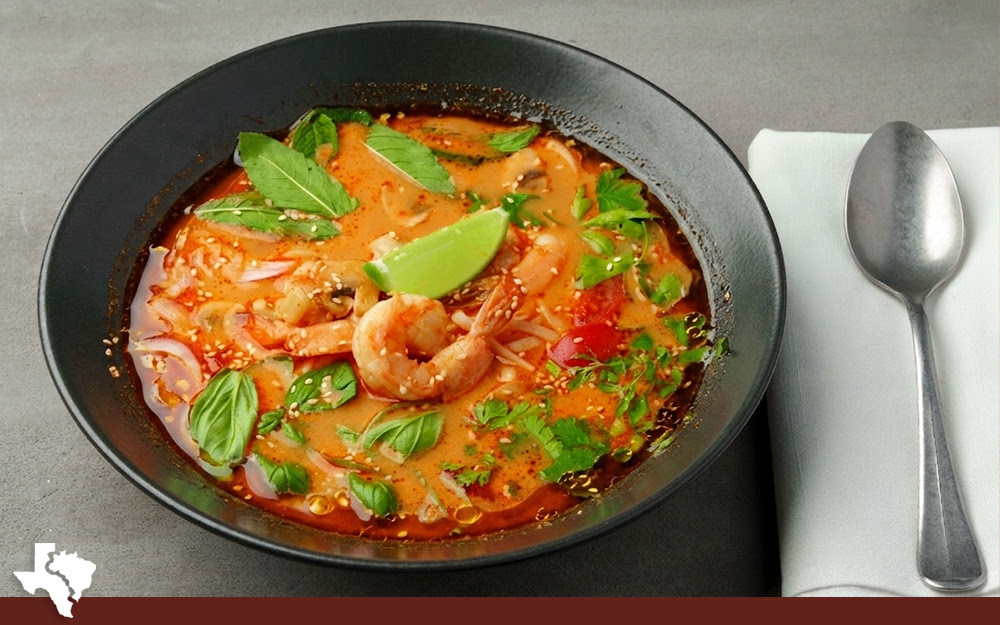
Cilantro and lime are last-minute additions, and they each serve the same basic job – to cut through all that richness. Fresh cilantro brings an herbal brightness to what is otherwise a very fatty broth. A squeeze of lime right before serving does much the same – it cuts through the fat and seems to sharpen every other flavor in the pot all at once.
The finishing touches in a moqueca are easy to miss when the coconut milk and dendê oil have already done the work. The dish lands a little flat without that last squeeze of lime and a handful of fresh cilantro – still rich and still satisfying. But without that final burst of brightness that makes every bite taste as fresh as the one before it, the dish won’t be the same.
The Case for a Clay Pot
The pot you cook moqueca in makes a big difference. Traditional Brazilian cooks who grew up making this dish just about always swear by the panela de barro (a classic clay pot). Look at why, and you’ll have a hard time arguing with them.
At the heart of it, clay cooking is a heat story. Clay distributes warmth slowly and evenly throughout the pot, so the stew never gets those sudden hot patches or temperature spikes that can ruin a dish. The clay also contributes a faint earthiness to the finished product – a quality that’s pretty hard to put into words, though it’s very easy to sense once it’s there.
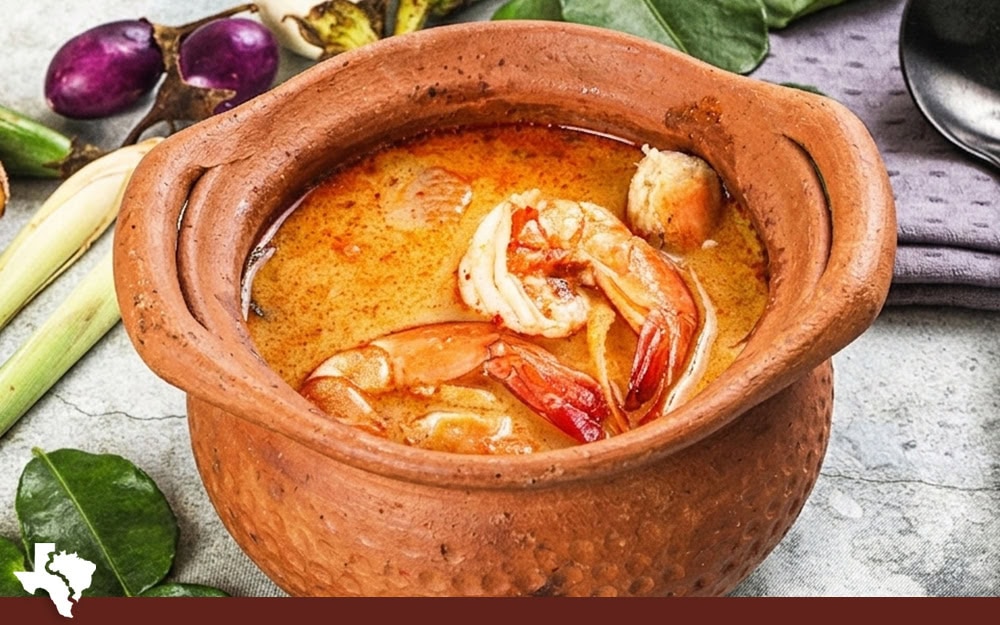
A panela de barro can be pretty hard to track down outside of Brazil, and that’s a bit of a drawback. A Dutch oven is the most sensible substitute (and it does a great job). It holds heat well and turns out a very flavorful stew that’s hard to complain about. Purists will tell you that it’s not quite the same, and they’re not wrong. But for most home cooks, it’s a pretty great way to go.
Brazilian import shops and online retailers are your best bet for tracking one down, and the extra effort is well worth it. Before its first use, a new panela de barro needs to be cured with a light coat of oil and a slow heat treatment to condition and strengthen the clay. Most pots include instructions from the maker, so just follow whatever they include.
A Dutch oven will get most home cooks to a satisfying moqueca, and that says a lot. The clay pot is the gold standard for a reason. But it’s nowhere near the only way to get a great result.
The Best Seafood for Your Moqueca
The protein that you pick will more or less set the direction for the whole dish, so it’s worth a little extra time on this one. Firm white fish is probably the most popular way to go – snapper, cod and sea bass are all great options, and each of them holds up well through a slow simmer without breaking down.
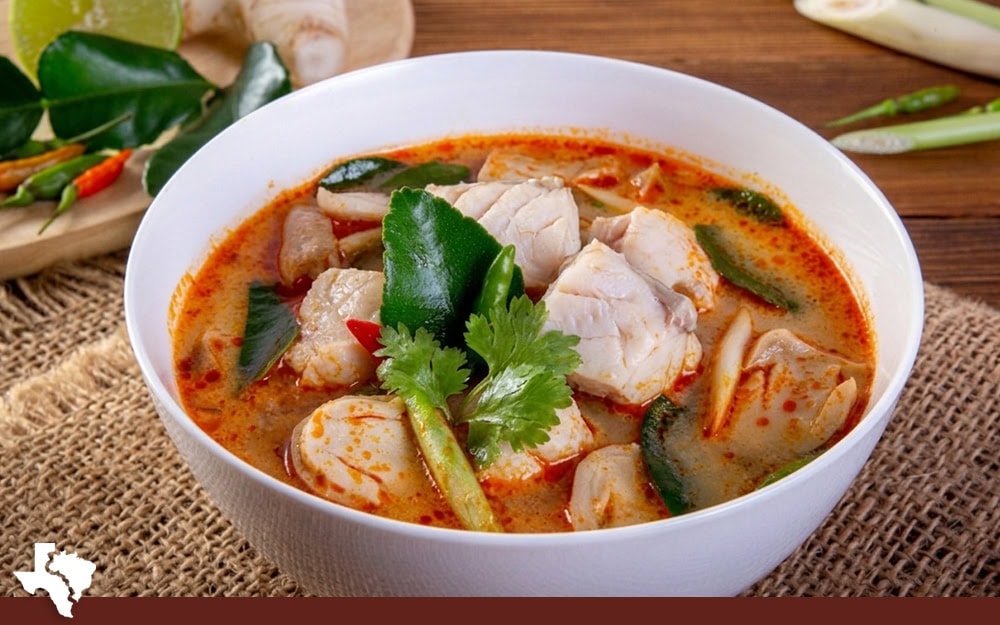
Shrimp is another great option, and lots of recipes will call for fish and shrimp together, which works beautifully. Crab is a decent choice as well. What makes moqueca so forgiving as a dish is that it doesn’t have a strict ingredient list – it’s flexible enough to work with whatever you have on hand.
That said, freshness is what matters most here. Moqueca has deep roots in coastal communities, and it was always built around the catch of the day – whatever had come straight out of the water that morning. Home cooks who live close to the coast have an edge with a dish like this. For everyone else, a quick trip to your local market for the freshest available option will serve you much better than something that’s been sitting around for a few days.
What’s actually available to you locally matters more than you give it credit for. A fresh local sea bass will do far more for this dish than a mediocre imported fish that just happens to carry a more “authentic” label. Freshness and quality will win every time – and a dish that’s this easy has nowhere to hide.
Work with what’s in front of you and don’t overthink it.
How to Cook Moqueca at Home
With the ingredients all set, it’s time to look at how this stew actually comes together. It all starts with the fish. Most recipes call for a 30-minute lime juice and garlic marinade before anything else goes into the pot. That one step does pay off – it builds a flavorful base that you’ll taste all the way through the finished stew.
From there, moqueca is all about layers. A clay pot goes onto the heat – the oil, onions, tomatoes and peppers all go in together and have a chance to cook down and build that layer of flavor. The fish goes in next, and then a generous pour of coconut milk ties everything together. The whole pot just simmers gently, low and slow, until the fish is cooked through.
That word “gently” matters here. That stage is where the stew builds its depth and character – a hard boil will tear the fish apart long before it gets a chance to soak up those layers of flavor around it. Patience at this stage is worth it.
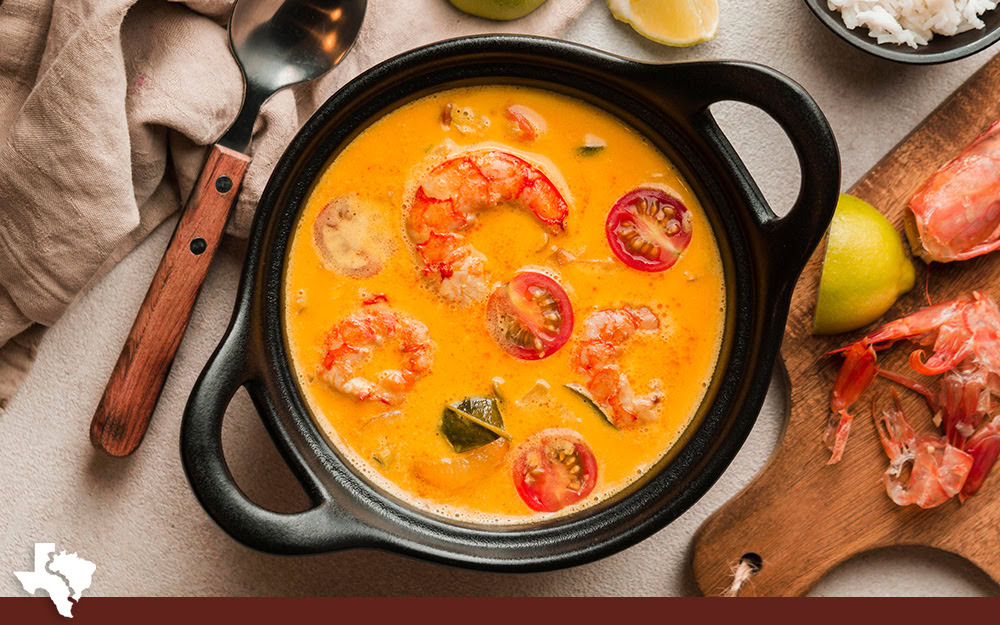
A squeeze of fresh lime and a little scatter of cilantro right at the end – those are the finishing touches that tie everything together. Moqueca is not a dish that you stir around like a normal soup – the layers are intentional, and the whole idea is to just leave it alone as it cooks. That patience is a big part of what makes it come out right.
The clay pot holds heat evenly and slowly, which is what this recipe needs during that final simmer. A normal pot will get the job done if that’s all you have. The clay pot, though, is a big part of why moqueca comes out with that signature texture.
Savor the Moment at Texas de Brazil
Moqueca is a dish that actually gets better the more you learn about it. The history alone is worth a few minutes of your time, and the regional debate between Brazilian states (which they take very seriously, by the way) brings another layer that’s worth diving into on its own. The whole dish starts to make quite a bit more sense. A little context like that makes it even more satisfying to eat at the table or in your own kitchen.
Don’t pass up the chance to try the Baiana and Capixaba versions side by side. A back-to-back tasting will teach you a lot about Brazil’s regional cooking in a single sitting. One version is rich and loaded with coconut, and the other is lighter and restrained – and each one is well worth your full attention.
At Texas de Brazil, we’re a Brazilian churrascaria that’s well worth a visit, especially if you love authentic flavors. Our experience is built around generous portions, rich food and the warm energy that Brazilian dining is famous for – and it tends to leave a long-term impression. Signing up for our Texas de Brazil eClub gets you $20 off your first visit. A gift card is also a great option for anyone who deserves a memorable night out. The at-home experience is covered too – our Texas de Brazil Butcher Shop lets you order premium cuts and have them delivered right to your door. Once you’re ready to experience it in person, make a reservation and find out what Brazilian hospitality is all about.