
Why You Can’t Buy Picanha at Most American Butchers
A meal at a Brazilian steakhouse can ruin you for beef – at least once you’ve tried the picanha that comes off the rotisserie with the fat cap rendered just right and the flavor runs deep in a way that’s hard to forget. Walk into your local butcher and ask for it by name, and the blank stare that you get back is pretty deflating. No description of the cut ever seems to help, and at this point, I’ve given up on it.
The animal itself hasn’t changed, and the muscle is still very much there. At some point between the slaughterhouse floor and the retail display case, it just disappears – and the reason behind that goes way deeper than one missing label.
The American beef industry follows a standardized system that breaks carcasses into set sub-primals, and the muscle that Brazilians love usually gets sliced apart (or stripped of its fat cap) long before it ever reaches a retail case. About four decades of “lean is better” consumer sentiment has made it even worse for this cut. The end result is a cut that has become a staple in Brazilian kitchens, as it remains largely absent from American meat counters.
That background knowledge is worth real money once it clicks – sometimes $30 a pound worth of real money. Without it, a butcher can hand you just about anything, and you’d have no real way to push back, and what ends up in your bag tends to have very little in common with what you were actually after. Most buyers don’t see how much the fat cap matters until they’ve already paid for the wrong cut once or twice. The time from first interest to the meal gets a whole lot shorter with the history and supply chain in hand.
That’s the real reason this cut is so hard to find at American butcher shops.
Table of Contents
What Picanha Is and Why It Matters
Picanha is a cut from the top of the sirloin, and what sets it apart is actually right there on top of the muscle – a thick and generous layer of fat. That fat cap is the whole point of the cut. As the meat cooks, the fat slowly bastes everything from above – it’s what gives picanha its buttery richness that you just can’t replicate with any other cut. A whole picanha usually runs 2 to 3 pounds, which makes it a natural fit for a smaller get-together.
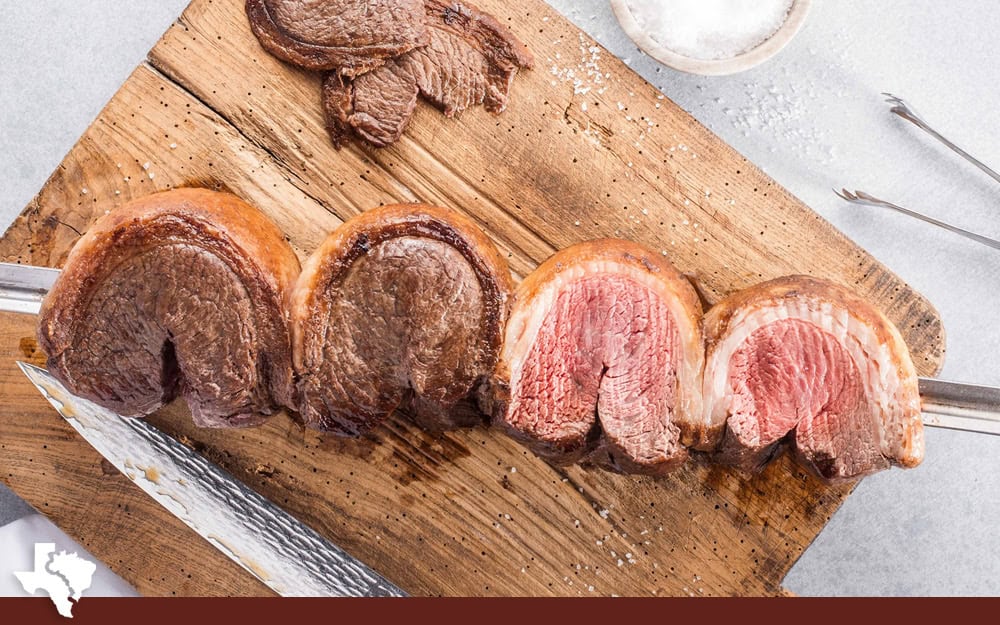
The preparation follows a pretty long-standing tradition in Brazil – the whole muscle gets folded into a C-shape, put on a skewer and held over an open flame until the outside has a char on it and the inside is still tender and pink. It’s a pretty minimal process, and it produces a beautiful result.
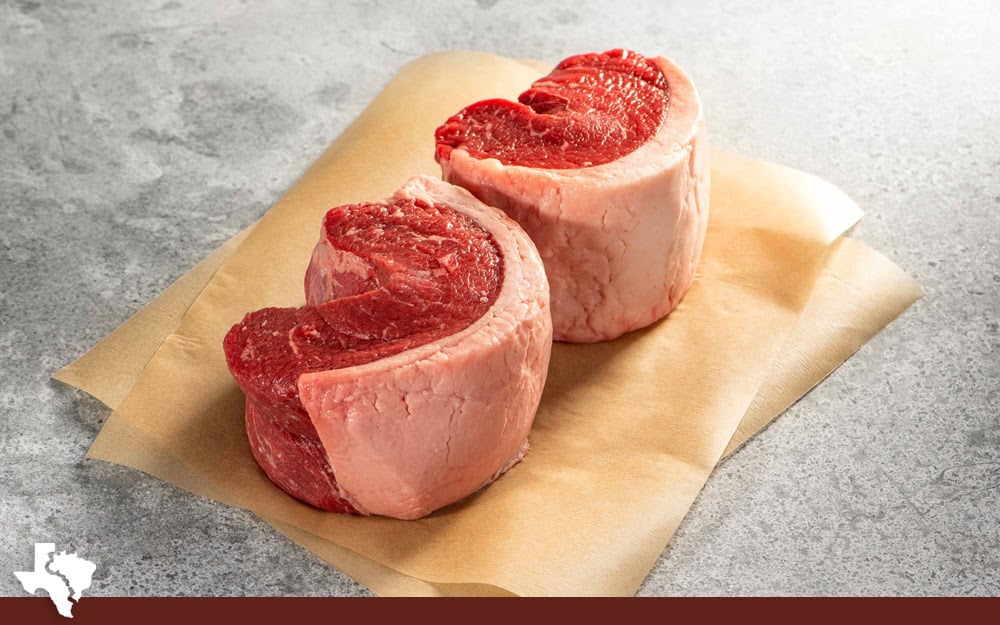
Picanha is the centerpiece of churrasco – the Brazilian style of barbecue that has built quite a following all over the world. A Brazilian pitmaster will never trim away that fat cap or slice it up into steaks before it hits the fire. The whole piece goes on the grill as it comes. That thick layer of fat on top is the whole reason this cut is worth going out of your way to find.
That last point is a great place to start if you’ve wondered why picanha is so hard to come by here in the United States. The cut itself is pretty easy – the main issue is how Brazilian butchers and American butchers value and break down a side of beef very differently. American butchery traditions will carve right through the exact area where picanha lives, and the cut usually ends up being absorbed into a bigger primal cut instead of being saved on its own – it’s what makes it so hard to track down at a standard butcher counter.
How the American Beef System Works
Don’t feel too bad about going to your local butcher or grocery store looking for picanha and leaving without it – it probably wasn’t your fault, and it wasn’t theirs either. The cut is out there in the American beef supply – it just almost never makes it to the display case in the form that you’re actually looking for.
The reason goes back to how American beef processing works. A standardized system called NAMP (the North American Meat Processors Association) lays out how the large primal cuts get divided into uniform sub-primals. From there, those sub-primals get portioned down even more to fit what the retail industry expects an average customer to want.
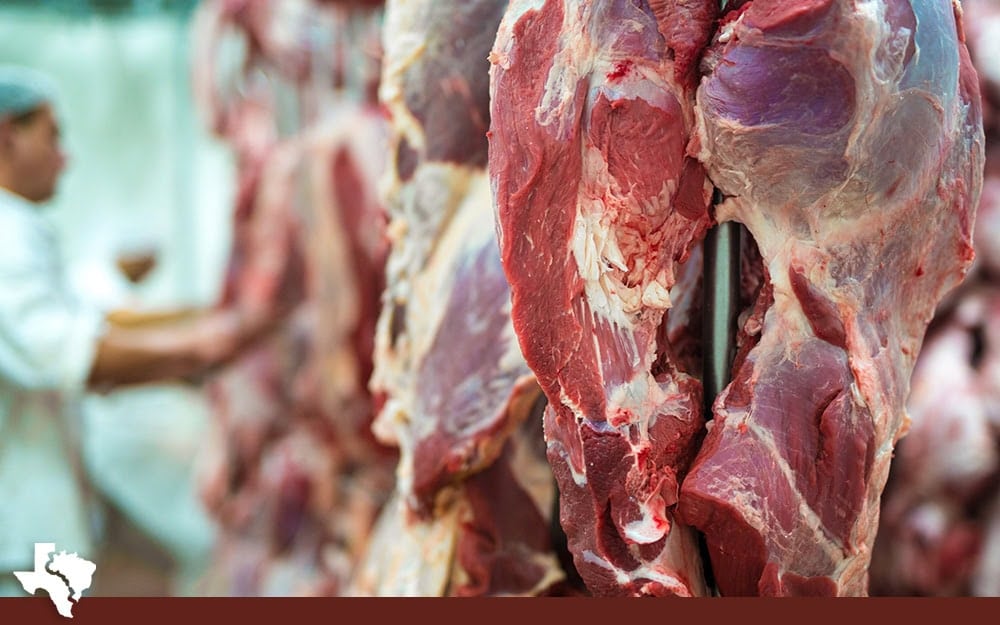
Picanha (the top sirloin cap) falls right in the middle of that whole process, and it doesn’t make it out on the other side. Long before this cut ever gets close to a display case, a processor has already broken it down into separate sirloin steaks or trimmed it into something else. The whole cut almost never makes it through.
What’s frustrating about it is that the meat itself is fine, and it’s not like there’s a shortage of cattle with this cut. The issue is that the supply chain just wasn’t built to preserve the shape that makes picanha recognizable, and by the time the beef reaches a butcher through a standard distribution system, it’s already been broken down long before it ever gets there. And even if that butcher wanted to hand you a whole picanha, that chance was gone a few steps earlier in the process.
Your best options are usually specialty butchers or direct-from-farm sources – places that either process their beef differently or specifically source this cut. A quick call ahead never hurts, just to check if they have it available.
Why Americans Still Fear the Fat Cap
Fat has had a pretty rough reputation in America for a long time, and it didn’t get there by accident. For decades, big health campaigns and dietary advice pushed the idea that fat (animal fat, especially) was something that you were supposed to cut away and throw out. That message hit hard and in more ways than one, it still hasn’t gone away.
A thick, fat cap that sits on top of a cut of meat isn’t what most American shoppers get excited about at the meat counter. To them, it just looks like waste – like something the butcher was supposed to trim off before it went out. That gut reaction is the whole reason picanha hasn’t made it into American display cases.
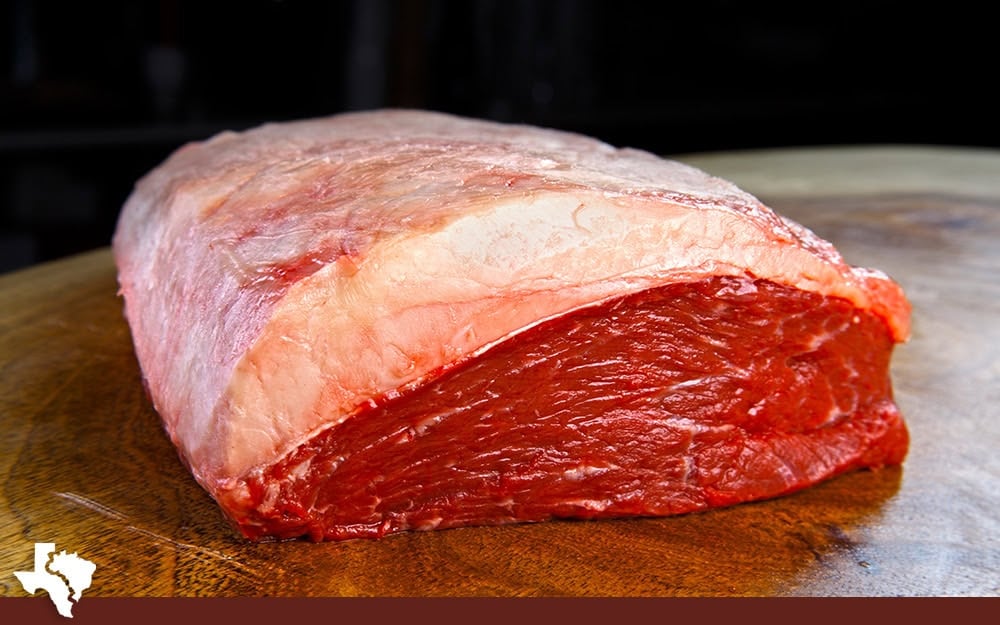
The USDA grading system doesn’t do picanha any favors, either. Grades like “Choice” and “Prime” are built to reward fat that runs through the muscle as marbling – and there’s no room in that system for a thick exterior fat cap like the one picanha is known for. That fat cap can be over an inch thick on a well-sourced cut, and it’s the whole reason that the cut exists at all. As the meat cooks, that fat layer bastes it from the outside the whole time. That richness is something that marbling just can’t replicate on its own.
That’s where the retail problem starts to take shape. A butcher who puts out a cut with that much visible fat will have a hard time moving it, not when the customer on the other side of the counter has spent years hearing that they should always grab the leaner option. The demand just hasn’t been there, and without it, there’s very little reason for American butchers to stock a cut that looks like it could use a trim before it even gets near a plate.
Picanha’s fat cap is one of the best parts of the cut. That fat renders down and brings a greatness that’s hard to replicate in any other way. For American shoppers who haven’t had a chance to cook with it, it can be a tough sell at the counter.
The Name Your Butcher Will Recognize
Odds are your local butcher already has picanha in the case – it just goes by a very different name. This cut gets sold as “top sirloin cap” or ” coulotte” in the United States, and those are the only names that American butchers are ever trained to use. The word “picanha” doesn’t come up in the standard butchery programs here, so it just never makes it into their vocabulary.
It’s a pretty frustrating dead end at the butcher counter. Ask for picanha by name, and most butchers will have no idea what you’re talking about – and it’s not because the cut is hard to find. It’s just that the name means nothing to them. In most cases, the butcher will tell you that they don’t carry it or they’ll just point you toward something else.
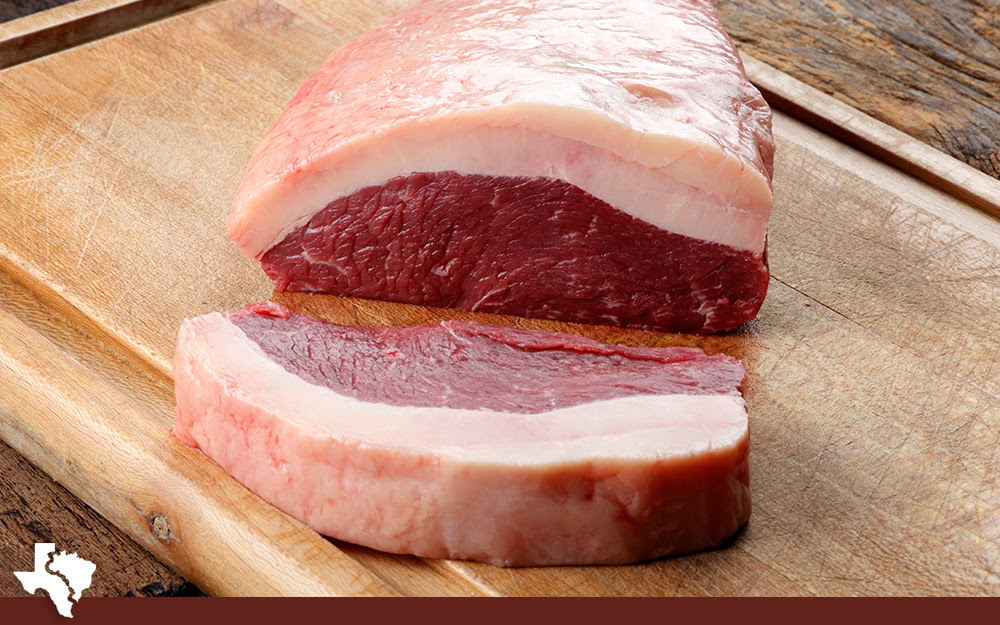
Top sirloin cap, coulotte and picanha aren’t three different cuts – they’re the exact same cut of meat. The name on the label can just depend on where your butcher was trained and what culinary tradition they came from. The actual problem here is language, not availability.
Most butchers in the U.S. won’t know the name picanha, but if you ask for the top sirloin cap, then you’ll get a much better reaction from just about anyone behind the counter. From there, you’ll also want to make sure that you leave with the correct preparation, which is worth its own conversation.
Brazilian Steakhouses Put Picanha on the Map
For most Americans, picanha was a restaurant discovery long before it was ever a project for the home cook. Churrascarias started to pop up across the country in the late 1990s, and with them came a cut of beef that most diners had never come across. A gaucho who moved through the dining room and carved rosy slices of roasted picanha right off the skewer (tableside) was a pretty unforgettable introduction to the cut. It’s the sort of meal that stays with you.
Those restaurants earned a loyal following over the years, and with it came a strong appetite for the cut itself. The neighborhood butcher didn’t have it either.
The craving was very real, and from what I’ve seen, the supply chain has just never quite been able to match it.
A big part of this has to do with how demand actually reaches a butcher. Restaurants order directly from processors, and they do it in volume (the same cuts, on a set schedule, week after week), the sort of relationship that a supplier can plan around. A single walk-in customer who asks for picanha is a very different situation altogether. For most butchers, one or two requests a week just weren’t a strong enough reason to change the way they broke down their beef.
The result is a pretty strange gap in the market. Millions of Americans have had picanha at a restaurant, loved it and would cook it at home without any unnecessary delays – but finding it at a grocery store just isn’t easy. Restaurants put in the effort to make this cut popular, and they did a great job of it. But the retail beef market just never caught up with it.
Where to Find Picanha Near You
If your local butcher doesn’t carry picanha, the first step is to ask for it by its American names. Most butchers know this cut as the top sirloin cap or the coulotte, and there’s a decent chance they’re already carrying it under one of the labels – just without advertising it as picanha.
A quick call ahead can save you a wasted trip. Even if a butcher doesn’t normally carry it, most of them will happily set one aside for you with a little heads-up – and in my experience, most of them love when you ask.
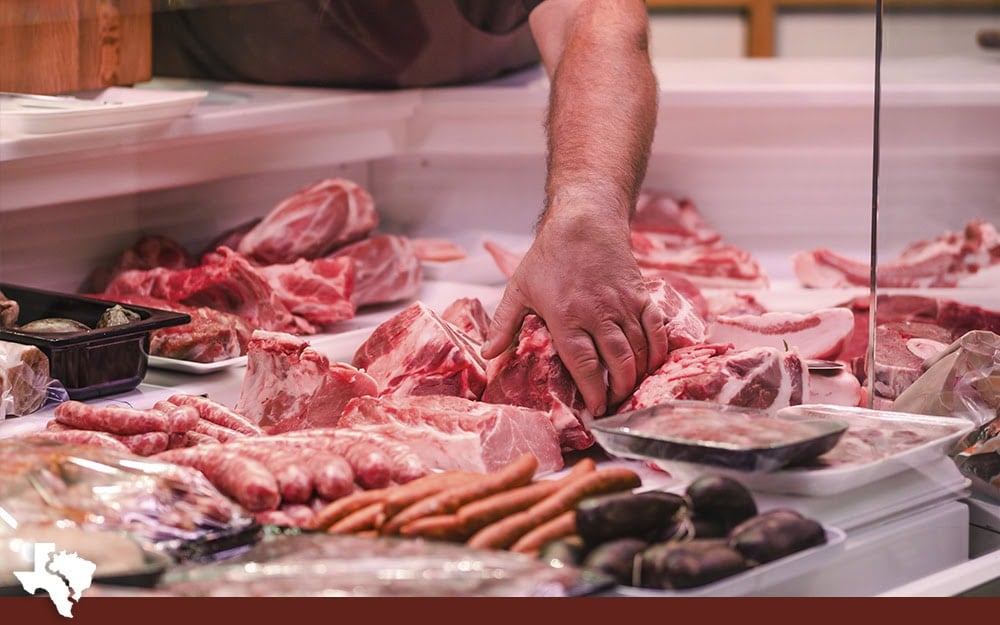
Latin American butcher shops are another great option. Picanha is a staple cut in Brazilian cuisine, so any shop that serves that community will usually have it on hand. A neighborhood with a strong Brazilian or Latin American presence is a place to start – these shops know the cut well, and they always have it in stock.
Online meat retailers have actually made this more manageable. Quite a few of them will ship whole picanha cuts with the fat cap still attached, and that’s a big deal. That thick layer of fat is what separates a great picanha from a forgettable one.
It’s having an effect at a wider level. BBQ enthusiasts and food creators on social media have put picanha in front of a much wider audience over the last few years, and the attention does push local butchers to respond. More shops are starting to carry it as a direct result. If your butcher says no, maybe it’s worth a follow-up in a few months – demand for this cut is still growing, and your local shop will very likely come around.
The Tide Is Starting to Turn
The great news is that the tide is starting to shift. Social media has put picanha in front of a massive audience that had never seen it before, and once a cut gets that level of attention, the industry just can’t afford to look the other way.
YouTube channels and TikTok creators have done quite a bit to put picanha on the map for home cooks – at this point, millions of customers are actively looking for it. BBQ competitions have come around to it as well, and the wider rise of Latin American food culture across the U.S. has only made it more popular. Butchers usually follow what their customers are actually asking for, and now picanha is near the top of quite a few lists.
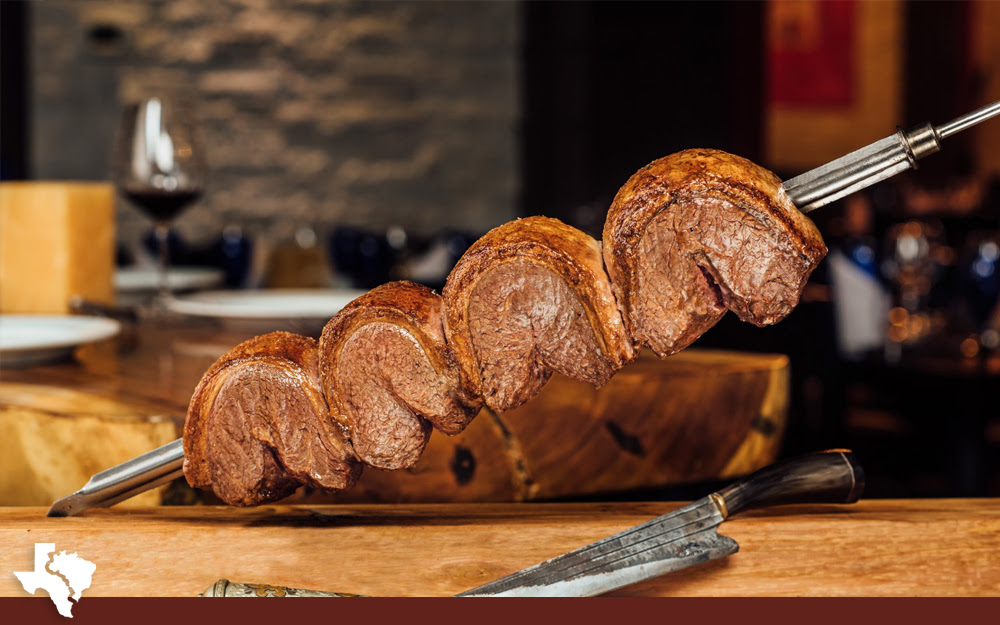
Even a few years back, this would have been a very different conversation. The cut was almost nowhere to be found outside of Brazilian steakhouses and a handful of specialty markets, and your average American butcher had very little reason to ever learn how to break one down. That distance between the two worlds has been closing fast.
That said, you might not walk into your local shop tomorrow and find picanha sitting in the case – at least not everywhere just yet. More butchers have started to learn what this cut is, where it comes from on the animal and why it’s built up quite a loyal following over the years. A cut with this much going for it was never going to stay hidden forever, and the food world tends to come back around to quality eventually.
Shifts like this almost never happen overnight – a handful of specialty shops carry it first, and then a few more customers ask for it by name at the counter each week, and at some point, it just turns into the new normal. Picanha is sitting right at that edge, and from where I’m standing, it’s only a matter of time.
Savor the Moment at Texas de Brazil
Picanha was never actually missing from American markets (it was just hiding behind a different name, recut away from its original shape and wrapped up in a food culture that spent decades telling everyone to trim the fat off everything), which is a bit for one cut of beef to push through and yet here it stands with more home cooks hunting it down than ever before. If anything, this whole story is a reminder that a little knowledge about where your food comes from (and why it looks the way it does at the counter) will put you in a much better place than the average shopper.
The fact that you already know what to ask for puts you way ahead of most who walk into a butcher shop. A direct request for the top sirloin cap with the fat cap still on is a very different conversation from asking for something most American butchers have never even been trained to work with. That one change in language is usually the difference between going home empty-handed and going home with just what you came for.
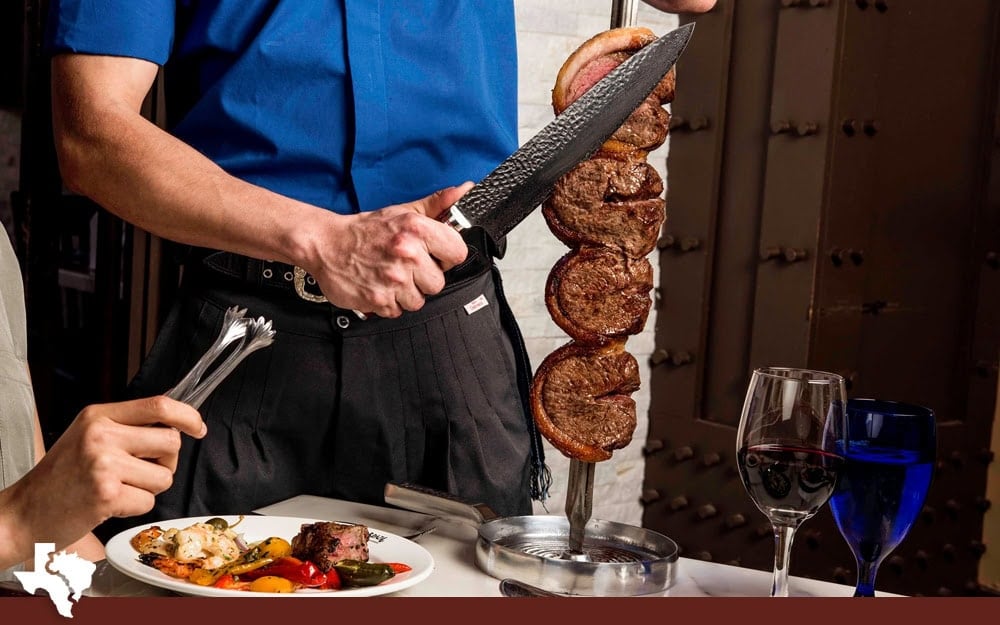
At Texas de Brazil, we’ve been doing picanha the way it’s meant to be done for years – keep it simple with seasoning, cooked over an open flame and carved fresh at the table. Our gauchos bring the full churrasco experience to every visit, with picanha as one of a handful of cuts served tableside and all paired with a 50-item gourmet salad area. It’s easy to make a night of it – find a location near you and book a table in just a few clicks.
For the home cook, our Butcher Shop ships premium cuts right to your door. An eClub membership also knocks $20 off your next visit, and our gift cards are always worth keeping in mind for anyone in your life who deserves a great meal.