
5 of the Biggest Brazilian Food Myths Debunked
Brazilian food has earned genuine admiration far outside of South America’s borders. The version most pictures show doesn’t match what actually lands on the table in Rio, Belém or Porto Alegre. Travel guides lean hard into churrasco. Health food businesses took açaí and repackaged it into a photogenic bowl. Steakhouse chains abroad put beef at the center and let it stand in for an entire nation’s cuisine. With each filtered image that circulated, the actual food culture got pushed a little more aside.
Food has always been one of the most direct ways to know a culture, and with Brazilian cuisine, that understanding tends to be shaped more by marketing than by reality. Most diners’ first exposure to Brazilian food is the tourist-friendly version – and it leaves quite a bit out. The savory traditions of the Amazon, the mild day-to-day staples and the fiercely regional dishes that will never appear on an international menu – none of that gets included. Brazilian food deserves a more honest account.
Each one of these has an actual origin, a reason that it spread and a far deeper story behind it. These aren’t minor footnotes in culinary history either. They’re rooted assumptions that shape the way millions of diners around the world think about one of the most diverse food cultures on the planet. These ideas didn’t develop in a vacuum (most of what we know about Brazilian food comes directly from steakhouse chains and marketing departments), and that’s a fairly limited view. The actual picture is far more layered, regional and interesting than that version suggests, and each of the five myths below gets a direct response with the fuller context behind it.
There’s quite a bit more to Brazilian food worth exploring, and these five myths are a place to start.
Table of Contents
Churrasco Is Not What Brazilians Eat Daily
A quick search for Brazilian food online will give you more or less the same results every time – page after page of sizzling meat on skewers. Churrasco gets most of the attention, and with fair reason, because it’s a pretty great food tradition. The issue is that all that coverage has slowly built up a version of Brazil that doesn’t quite match what they eat on any given day.
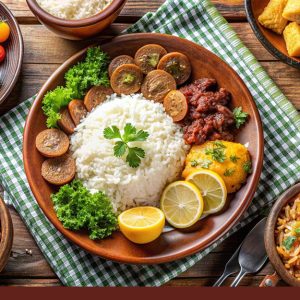
Most Brazilians don’t sit down to a barbecue feast on a Tuesday night. The day-to-day meal is much simpler than that – it’s called the “prato feito,” and it’s a plain plate of rice, beans and a protein, usually chicken, beef or a fried egg.
For a bit of context, imagine if every travel magazine only ever showed Americans eating Thanksgiving turkey. After a while, the rest of the world would probably start to believe that’s what ends up on the dinner table every night. Something very similar has happened with churrasco and Brazil’s international image. Brazilian steakhouses (known as “churrascarias”) became a wildly popular restaurant format to export abroad, and over time, that format became the face of an entire country’s food culture.
The churrascaria experience is a genuine and well-loved part of Brazilian life (no one is arguing about that, though it tends to be more of an occasion), a weekend tradition more than something they eat on a normal Tuesday. The prato feito is something altogether different. Sold at lunch counters and small restaurants all across the country, the prato feito has been a staple of Brazilian working life for generations. It’s affordable and hearty, and part of how Brazilians actually eat from one day to the next – it’s the plate worth learning about.
Feijoada Is Not an Everyday Meal
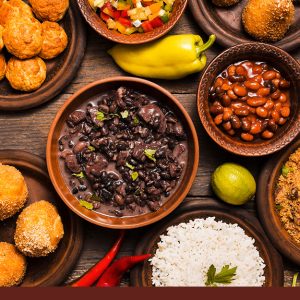
Feijoada is usually the first dish that comes to mind when anyone mentions Brazilian food, and there’s an obvious reason for that. It’s rich and very flavorful, and it carries a cultural history deep enough to earn it a permanent place in the Brazilian culinary conversation. What doesn’t come up nearly as much is that most Brazilians don’t actually sit down to eat it all that much.
Feijoada is more of a weekend tradition than a day-to-day staple. Most restaurants in Brazil only serve it on Wednesdays and Saturdays, and at home, it’s largely saved for family gatherings or big occasions. The prep time alone is quite a commitment ( beans need to soak overnight, and the whole process can take a few hours), and it’s a very heavy and filling meal – not what you’d pull together on a random Tuesday night. When Brazilians do eat it, the experience tends to be social. It’s the meal that brings everyone to the table for a long afternoon – not something eaten on the go.
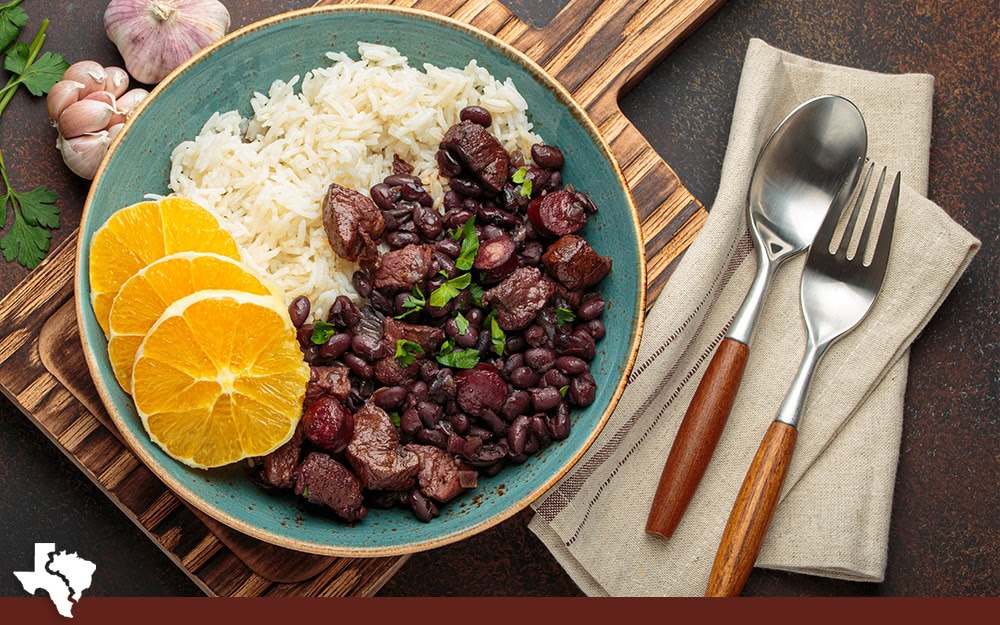
The reason this myth has had any staying power is mostly about how feijoada gets portrayed in travel guides and food documentaries. It’s a visually striking dish with a very rich backstory, and it draws plenty of well-deserved attention. That level of spotlight has a way of making a dish feel far more like a day-to-day staple than it is. The same happens with national dishes around the world – the most photogenic or culturally loaded food usually ends up standing in for an entire cuisine.
Another assumption about Brazilian food that comes up quite a bit is the idea that it’s heavily spiced.
Brazilian Food Is Much Milder Than You Think
Brazil is the fifth-largest country in the world, and its food shows that scale in every way – a massive spread of flavors and strong regional traditions that can vary wildly from one part of the country to the next. The assumption that Brazilian cuisine is all about fiery heat and strong spice is, to put it gently, quite a stretch.
Most Brazilian cooking is pretty mild. The flavors come from aromatics like garlic, onion and fresh herbs – not from heat. A plate of rice, beans and grilled meat is one of the most common meals across the country, with next to no spice in it whatsoever.
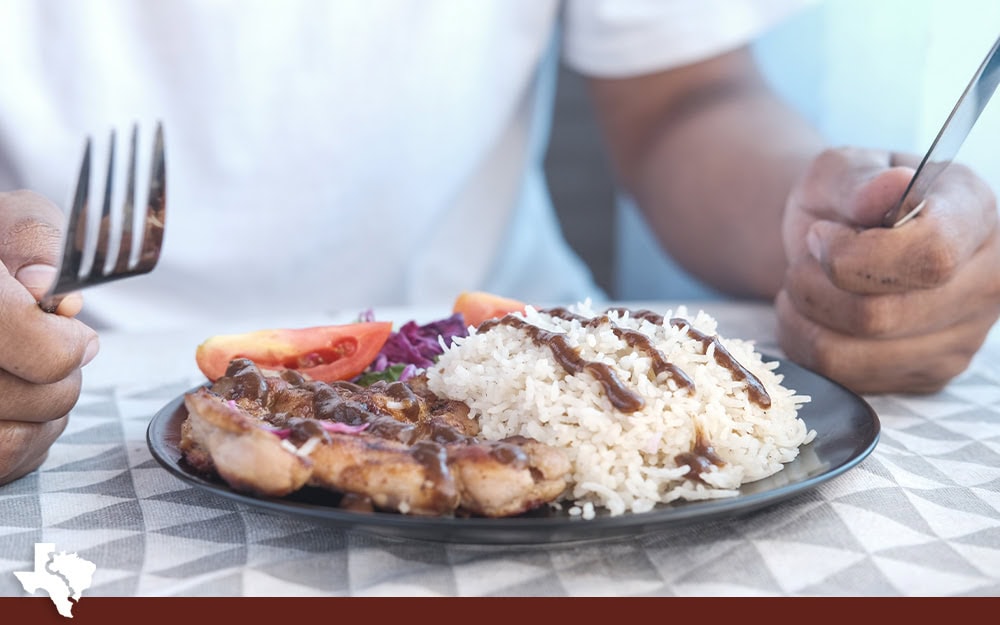
Most of the uncertainty around this topic comes from the tendency to treat Latin American cuisine as one big umbrella – and Mexican food ends up taking the blame for that. Mexican cuisine, just like Thai or Indian food, actually does put heat at the center of the entire flavor experience. Brazilian food just doesn’t work that way.
A few exceptions are worth mentioning, though. Bahian cooking, from the northeastern state of Bahia, does run noticeably hotter than the rest of the country. Dishes like moqueca, a hearty coconut-based fish stew, can pack quite a kick from malagueta peppers. Even so, Bahia represents just one regional tradition within a very large and diverse country, and its food doesn’t speak for Brazilian cuisine as a whole.
A fair comparison would be to write off all American food as barbecue just because Texas exists – one state doesn’t speak for the whole country. If anybody has told you that Brazilian food is too spicy for you, my guess is that they had a very Bahian meal and never dug into much past it. The rest of Brazil has quite a bit more to give you, and most of it won’t set your mouth on fire at all.
The Açaí in Brazil is Very Different
The açaí bowl that most of us know from our local coffee shop (topped with granola, fresh fruit and a drizzle of honey) is pretty delicious, and it’s not hard to see why the world fell in love with it. It’s sweet and much closer to dessert than anything that you’d actually call a health food.
But that bowl has almost nothing in common with the way açaí is eaten back where it comes from.
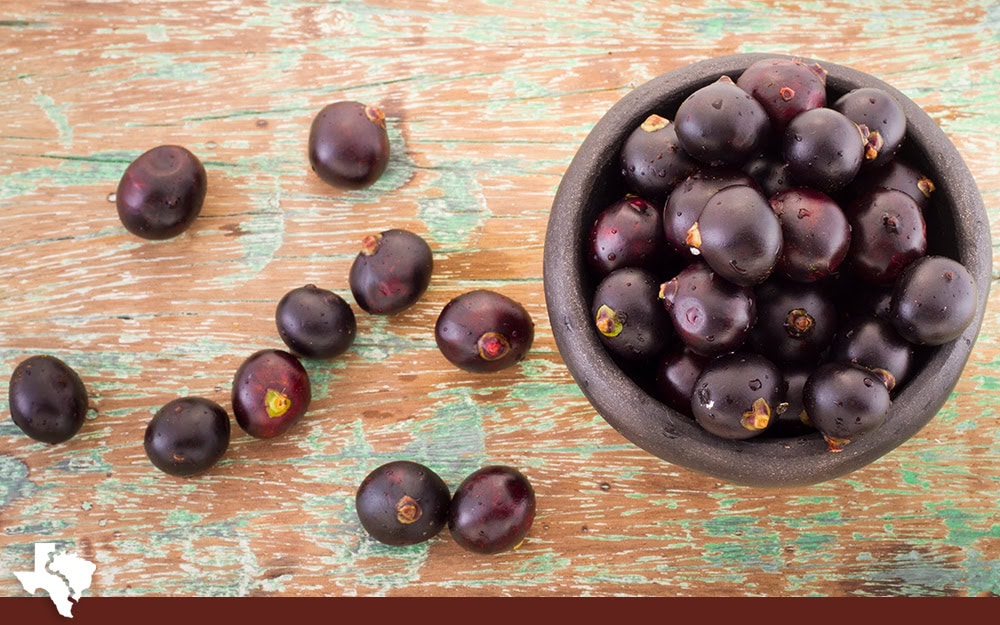
In the Amazon (where açaí comes from), the berry gets prepared as a thick, unsweetened paste, a savory side dish served alongside grilled fish and tapioca. No granola, no sweetener. On its own, the flavor is earthy and faintly bitter – a pretty long way from the sweet bowls that flood social media feeds.
The Western version of açaí looks the way it does for a reason – it came a long way to get here, and by the time it reached health food markets in the United States and Europe, producers had already adjusted the flavor and the format to suit local palates and make its pretty intense taste a little more accessible. What landed on the shelves kept the name and the core ingredient. But the original context got quietly left behind along the way.
That’s not necessarily bad. Food picks up new flavors and takes on new shapes as it crosses borders – that’s always been a natural part of how cuisines spread and evolve over time. But what’s worth keeping in mind is that the açaí bowl at your local coffee shop is one small slice of an ingredient with a much longer (and far more grounded) history in Brazilian cooking.
Brazilian Food Is Very Different by Region
Brazilian food is not a single style – and it never has been. Brazil is roughly the size of the continental United States, and the food across its regions makes that obvious. What you eat in the Amazon looks almost nothing like what you’d find on a table in Rio Grande do Sul, way down in the south. Up north, a fair chunk of the food revolves around ingredients like tucupi (a flavorful broth made from wild manioc root) and fresh river fish that are pulled right out of the jungle waterways. The south goes in a whole different direction, with deep roots in churrasco and European-style cooking that German and Italian settlers brought with them centuries ago.
Bahia is in a category of its own. The cuisine there pulls heavily from African culinary traditions, and it shows in everything – dishes like moqueca and acarajé are built around palm oil, coconut milk and some pretty strong seasoning. It’s a whole different way to eat from what you’d find anywhere else in the country – even just a few states over in either direction.
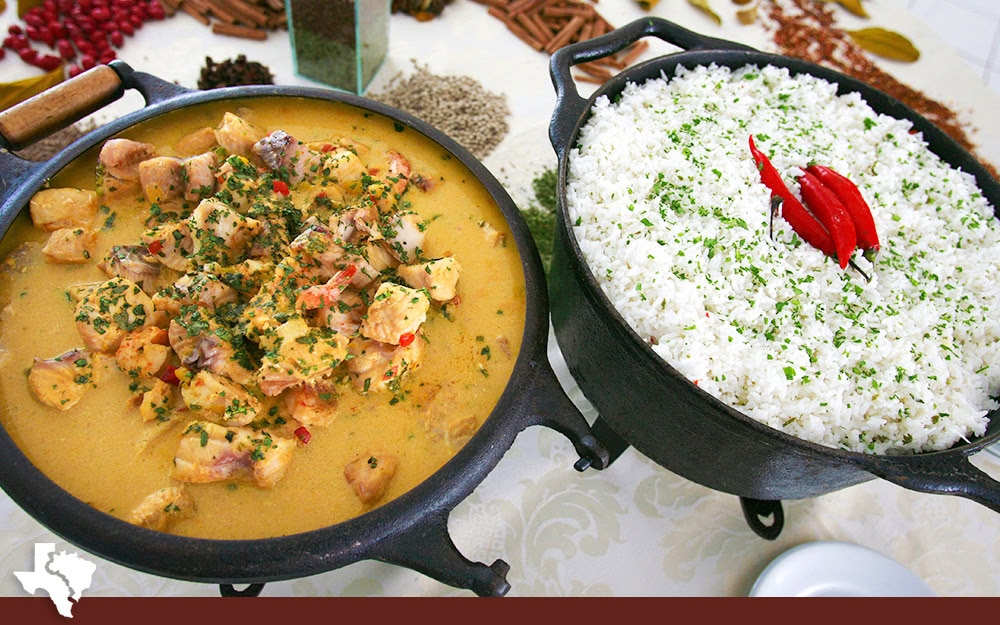
No one would ever try to describe all European food as a single cuisine – French cooking and Hungarian cooking share a continent, and no one treats them as the same thing. Brazil is no different. Centuries of indigenous, African, Portuguese, Japanese, Italian and German roots have all shaped very different corners of the country in their own way – and the food is probably the best proof of that.
Brazilian food is not a single style – it never was. Most visitors walk in with a fixed idea of what the cuisine is. That assumption alone tends to get in the way of a meal. Each region of Brazil has its own ingredients, its own traditions, and its own personality. Treat them as separate places, and more of the food opens up.
How Food Myths Spread and Why They Stick
These myths have stuck around for reasons, though. Brazilian steakhouse chains have done a solid job of packaging one very particular version of the country’s food and selling it to the rest of the world, but that version just happens to be the first actual taste of Brazilian cuisine that diners outside Brazil ever get.
Social media is a bigger part of this than it gets credit for. The dishes that travel the furthest online are usually visually dramatic and indulgent, which means more regional cooking almost never gets the same attention. A slow-cooked fish stew from the Amazon is a much harder sell as a thumbnail than a towering skewer of grilled meat. But that gap has real consequences for what you actually find.
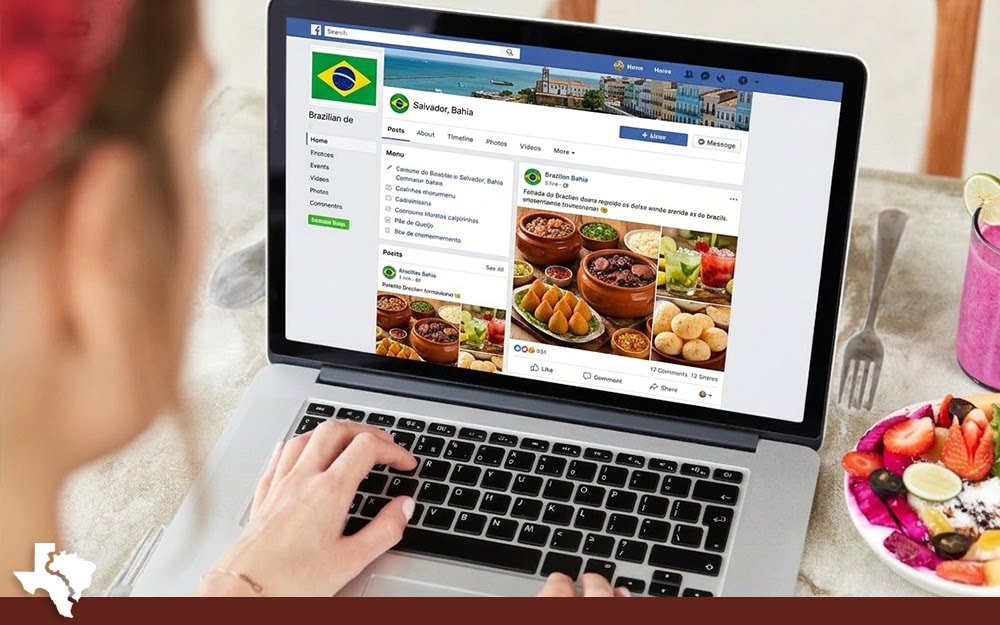
A big part of this goes back to how your mental picture of a cuisine gets formed. If the only Brazilian restaurant near you serves one particular regional style, that version of the food slowly turns into what “Brazilian food” means to you. A narrow frame of reference will do that (it’s not a personal failing, just limited exposure).
Tourism marketing hasn’t helped matters much, either. Most destinations will package up their food culture in whatever way travels best and pulls in the widest possible audience – and what gets cut from that process tends to be the most interesting parts. The regional dishes, the home cooking and the meals that don’t quite have an international equivalent – those are the ones that almost never make it into the brochure.
None of that makes the popular version of Brazilian food any less delicious – it just means there’s a whole lot more to it than diners outside of Brazil will ever come across through exposure to the cuisine.
What Brazilian Food Is Really All About
Brazilian food is far more layered than it first seems. The country stretches across a number of climates, cultures and histories. That rich diversity ends up right there on the plate.
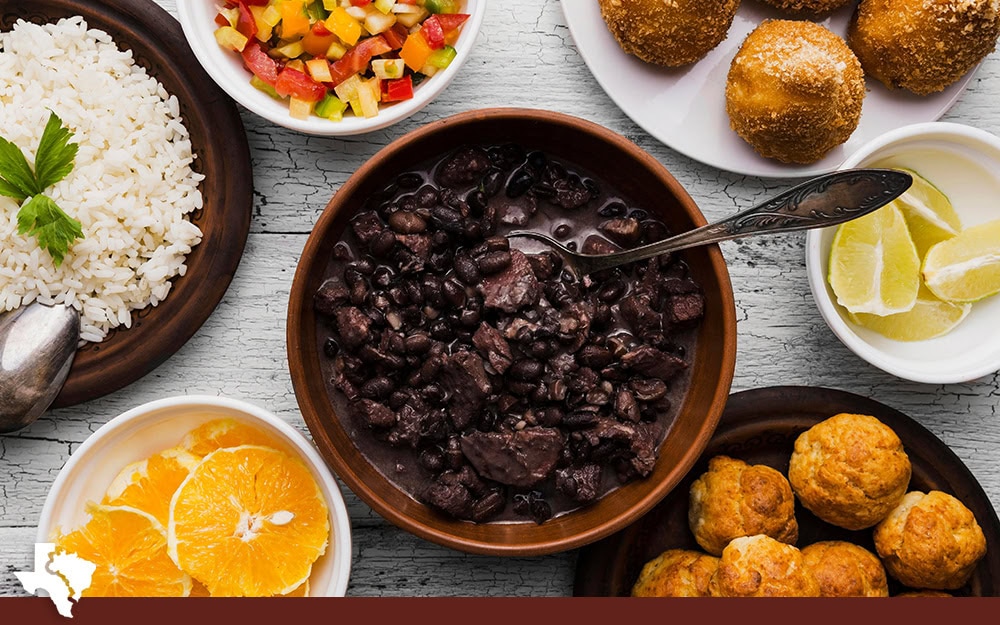
Pão de queijo (a basic cheese bread from Minas Gerais) has very little connection to the flashy image that Brazilian food tends to get. Coxinha is a fried dough pocket filled with shredded chicken, and it carries a regional backstory. And tacacá (a tangy Amazonian broth served in a gourd) goes back centuries, with roots that trace directly to the indigenous communities deep in the Amazon.
None of these are novelties – these are day-to-day staples that Brazilians have been eating for generations, and together they make up a food culture that’s legitimately hard to fit into any one little category.
This holds true well past Brazil. Any time you come across food from another country (whether it’s at a restaurant abroad or through a friend’s home cooking), it’s worth asking where that version of the dish actually came from. A recipe that gets reworked for an international audience can look very different from what locals eat at home, and the difference between those two versions can tell you quite a bit.
The next time you sit down with a cuisine that you’re already somewhat familiar with, try to go in with an open mind. Most menus only cover a fraction of what a food culture is all about.
Savor the Moment at Texas de Brazil
Brazilian food has a reputation problem – not because it doesn’t have enough of anything, but because diners’ opinions are built on a handful of dishes that photograph well and travel pretty well. Dig past the restaurant menus and the social media posts, and you’ll find a cuisine that’s regional, wildly layered, and actually hard to pin down. That layered quality is what makes it worth a second look. The myths persist because a few great dishes got the exposure, but the full picture has always been a lot better than the part that ends up in the frame.
It’s remarkably easy to create an opinion about a food culture from pretty limited exposure. The version of a cuisine that comes across first tends to be the version that was easiest to market – not necessarily the most authentic one. A little bit of skepticism about that first impression is what gets you to the more interesting parts.
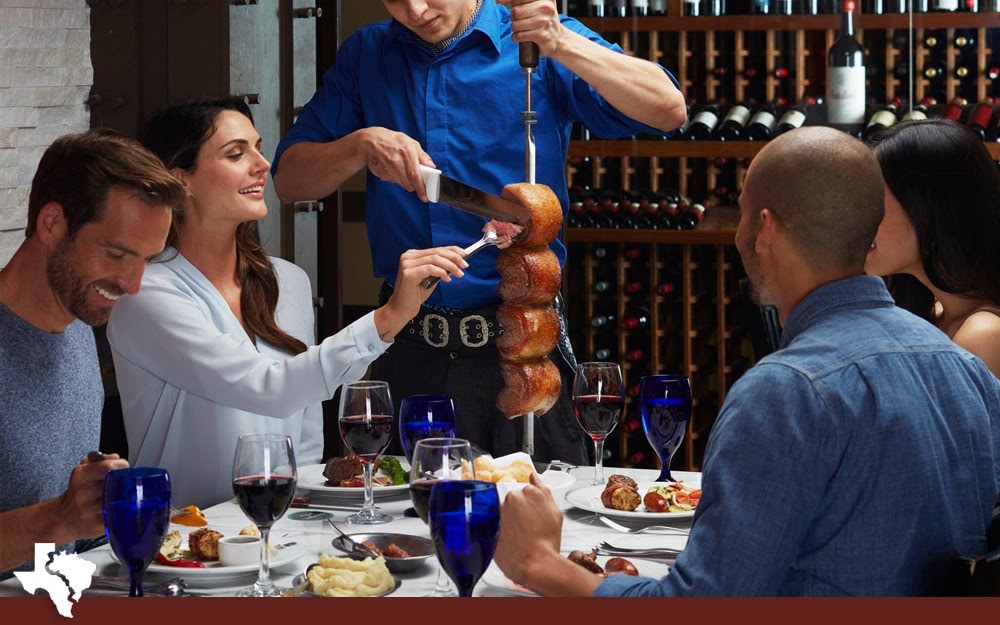
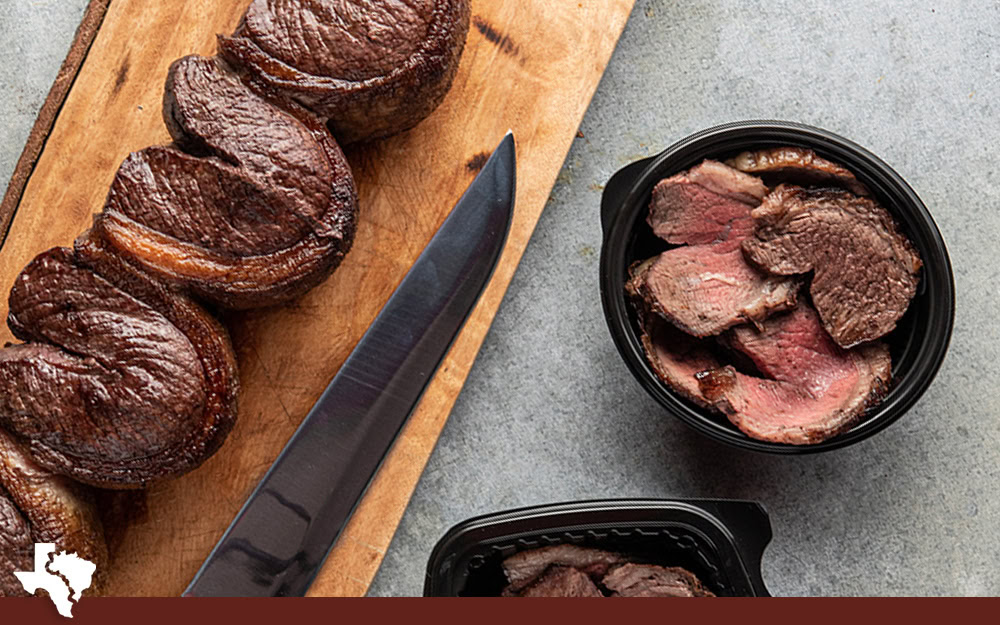
Brazilian food at its best is generous and communal and satisfying – and we at Texas de Brazil have done just that for years. Our gauchos move from table to table, and we’ll carve cuts like picanha, filet mignon and lamb chops right at your seat until you say when. A 50-item gourmet salad area rounds out the meal with chef-prepared sides that are worth a try on their own. For nights that you’d rather stay home, our Texas de Brazil Butcher Shop ships premium cuts straight to your door. New members can get $20 off their next visit through the eClub. Gift cards are always a great option for anyone on your list who deserves a memorable meal. A reservation is all it takes to get your seat at the table.