
What is a Boteco and What Food Do They Serve There?
The food can get a bit tough if you don’t know the local customs. Brazilians have unwritten expectations about what you should order based on the time of day and how fast you’ve been drinking – even for dishes like coxinha and torresmo that look pretty basic on the menu. Something that would be a normal choice during lunch could actually become a bit awkward if you order it at midnight!
A boteco is the way to go, whether you’re planning a trip to Brazil or just want to experience Brazilian culture at a restaurant closer to home. The menu at these bars comes from generations of workers who figured out which foods pair the best with ice-cold beer when it’s hot and humid outside and which snacks help friends keep talking and laughing well into the night.
Let’s find out what makes botecos special and what delicious food they serve!
Table of Contents
Where Brazilian Communities Come Together
Botecos are small, casual bars that are the social heart of Brazilian neighborhoods. These places work like everyone’s communal living room, complete with cold beer and petiscos (traditional bar snacks). Regulars show up almost every day, and patrons from all walks of life sit together at the same tables. A CEO could be sitting right next to a construction worker, and nobody cares. The social hierarchy that dominates almost every other part of Brazilian culture tends to disappear inside a boteco.
The whole setup at these places is comfortable and laid back – they never work too hard to impress anyone. Plenty of them have open-air seating that opens directly onto the sidewalk. The tables and chairs almost never match – that mismatched look is part of the appeal.
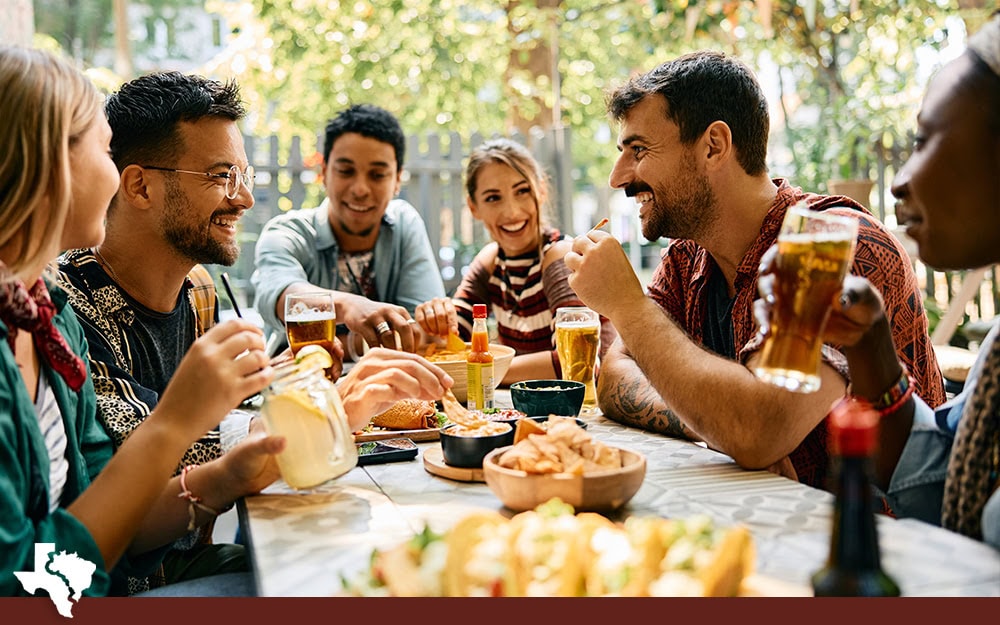
A boteco isn’t like your typical restaurant or bar, and the reason is pretty simple – it focuses a lot more on community than it does on appearances. You’re not going to walk in and see some expensive decor or an interior that took months of planning and cost a fortune. The whole point of these places is to create a comfortable environment where anyone can show up and feel welcome.
Brazilians treat their local boteco like an extra room in their house. Business deals happen over a few beers at a wobbly table. Friends meet there to celebrate birthdays and promotions, and they don’t make a big deal out of it. Plenty of patrons will even work out their disagreements at a boteco because the relaxed atmosphere tends to take some of the edge off those harder conversations.
One of the best aspects of a boteco is how casual and accessible the whole experience is. There’s no need to get dressed up in your best outfit or call ahead to lock down a reservation. You can walk right in off the street and grab a seat next to your neighbors and maybe a few strangers too, and by the time the night winds down, half of them might actually become your friends.
Classic Petiscos
Just about everyone would agree that the petiscos are what give any boteco its soul. These are Brazilian bar snacks, and they’re what you eat as you’re sharing drinks and having long conversations with friends. A boteco without petiscos on its menu just wouldn’t feel right – they’re that much a part of the whole experience.
Small as they are, each bite of a coxinha packs in plenty of flavor. Walk into just about any boteco, and you’ll find them on the menu as one of the most popular items, and each one is shaped like a teardrop. The croquettes get stuffed with shredded chicken and creamy catupiry cheese before they’re fried up. Once they come out of the fryer, the outside is crispy and brown – just what you want from a proper croquette.
Torresmo is another favorite you’ll find at just about every boteco across Brazil. It’s pork crackling that gets fried until it reaches an almost impossible level of crunch – the kind where each bite practically shatters. Bolinhos de bacalhau are another menu staple at most places. They’re little codfish fritters that trace their roots back to Portuguese cuisine, and they pair very well with a cold beer.
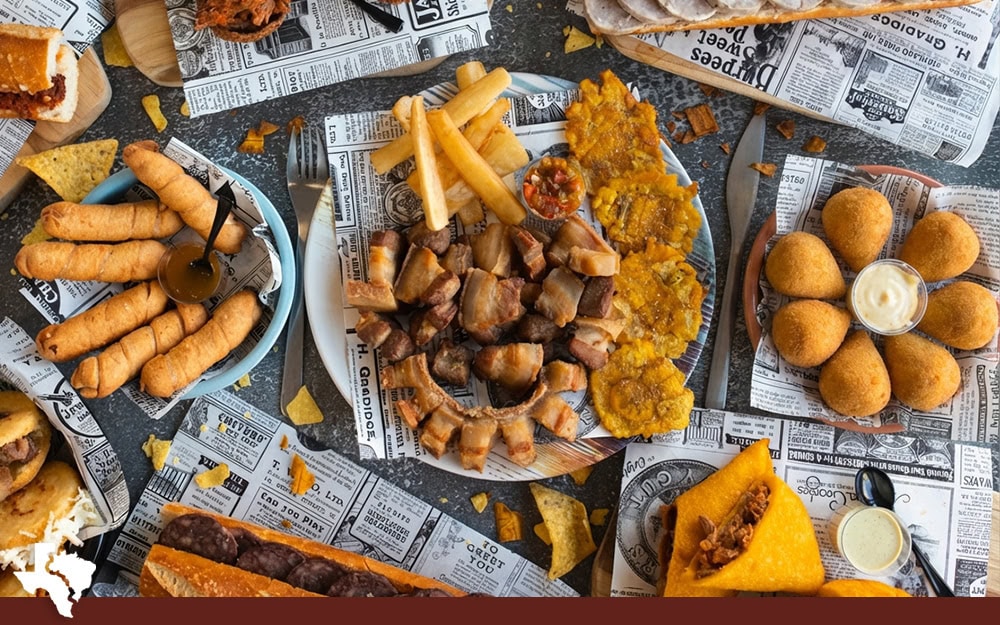
The flavors and textures aren’t accidental. Most boteco snacks are intentionally salty and fried, and there’s a real reason for it. All that salt makes you thirsty, and it has you ordering more drinks throughout the evening. The fried texture also helps to soak up some of the alcohol as you drink, and it lets you stay at the bar longer without becoming drunk too fast. Everything about these menus has been designed on purpose to help customers stay happy and spending.
Petiscos change quite a bit depending on which part of Brazil you’re in. Up in the northeast, sun-dried beef is pretty popular, and it’s made with traditional preparation methods that are specific to the region. Down in the Amazon, fish dishes take over – fresh catches from the local fishermen that show up on your plate on the same day. Every part of the country has put its own spin on what a proper boteco menu should include.
Petiscos are all about sharing. When a group goes to a boteco, one person at the table orders a few plates, and then everyone picks from them all night long. It’s a communal style of eating, and it makes the boteco experience feel so warm and welcoming. Food connects everyone just as much as drinks do, and petiscos are designed with that social goal in mind.
How Food and Drink Work Together
Walk into any boteco in the country, and you’re going to see two drinks on almost every table. First up is chopp, and it’s a draft beer served so cold that your teeth might actually ache from that first sip. Then there’s cachaça, a liquor made from sugarcane that hits pretty hard in the alcohol department. These two pair very well with anything salty or fatty, and that’s why the menu leans so heavily into those flavors.
Brazil gets hot (very hot), and this explains quite a bit about what you’ll find at any boteco. The ice-cold beer paired with plenty of rich, salty bar snacks makes it much easier to stay cool and refreshed as you sit around and talk with your friends for hours. Those fried pastéis and salgadinhos balance out the beer beautifully, and before long, you’ll be ready for another round.
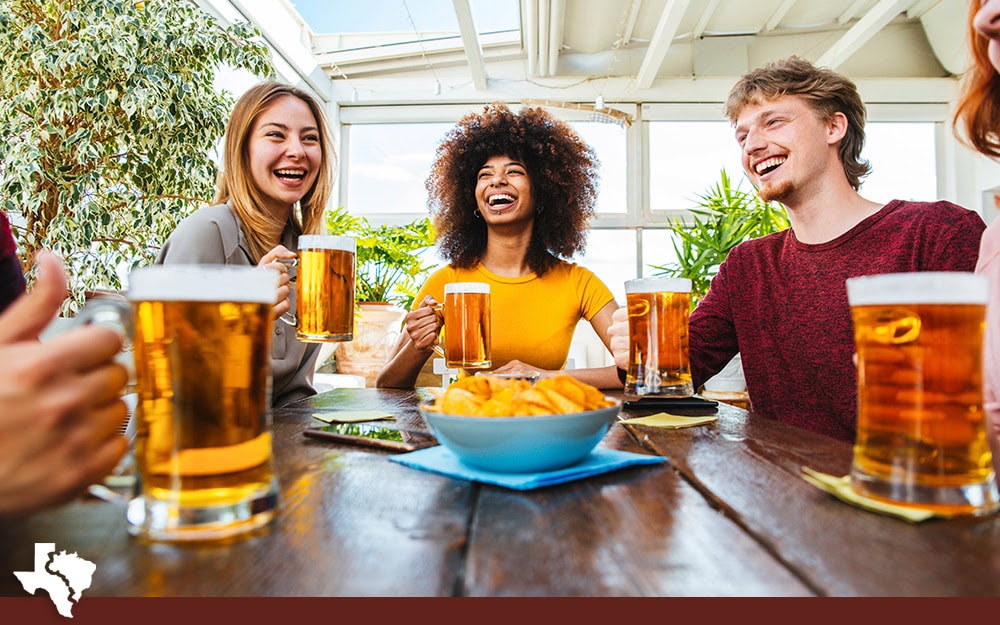
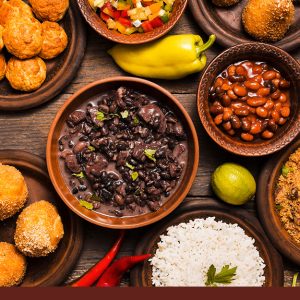
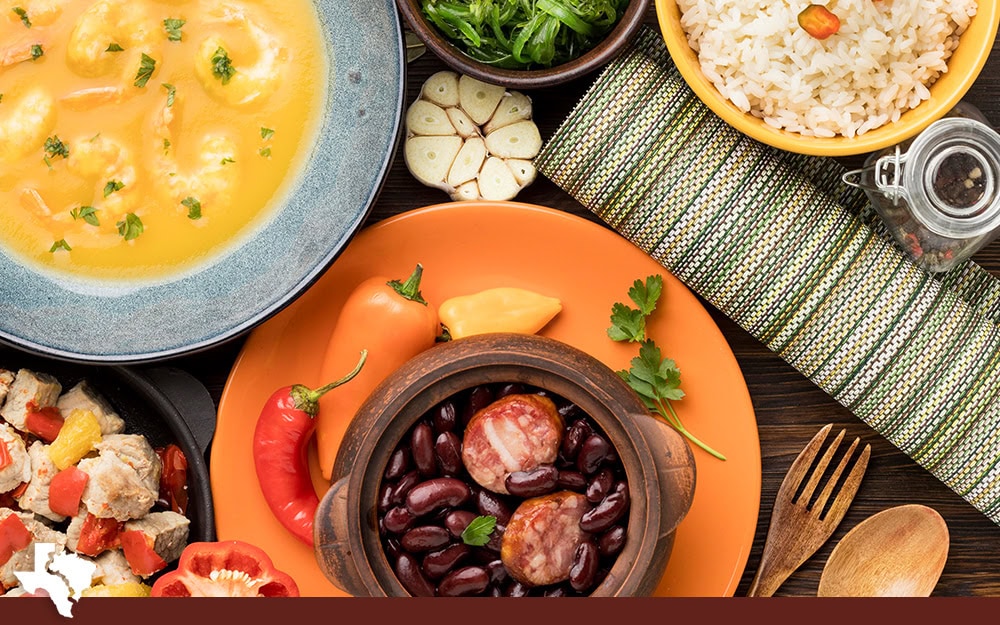
At most botecos, the food orders usually follow a pretty natural rhythm based on how much everyone’s had to drink. When guests first sit down, they’ll usually go for the lighter items first – maybe a bowl of olives or a few basic fried snacks to start the night off. After a few rounds of drinks and some great conversation, the heavier plates start to come out. We’re talking about feijoada, grilled meats and other filling dishes that help to balance out the caipirinhas.
One tradition that you’ll find at botecos is called the “saideira,” or “one last drink” before you head home. Of course, that one final drink doesn’t usually stay final! Somebody orders a saideira, then another round of snacks shows up at the table, and you’re still sitting there an hour later. The food comes right along with it all and makes it pretty easy to stay way longer than you had meant to.
Social Customs That Make Them Special
Botecos go by their own set of social customs that make them feel very different from a regular bar or restaurant. The seating is usually communal, so the tables become natural collecting places where strangers can strike up a conversation pretty easily. A shared plate of pastéis or coxinhas is usually all it takes to break the ice. You’ll see someone walk in solo all of the time and leave an hour later with a few new friends in their contacts.
The owner is the heart and soul of a boteco. After enough visits, they’ll have your usual drink order memorized, and half the time they can tell what you’re in the mood for before you even open your mouth. Birthdays, family updates and personal milestones – they keep track of it all after years of seeing the same faces come through the door. That familiarity builds a genuine connection that makes customers want to come back week after week.
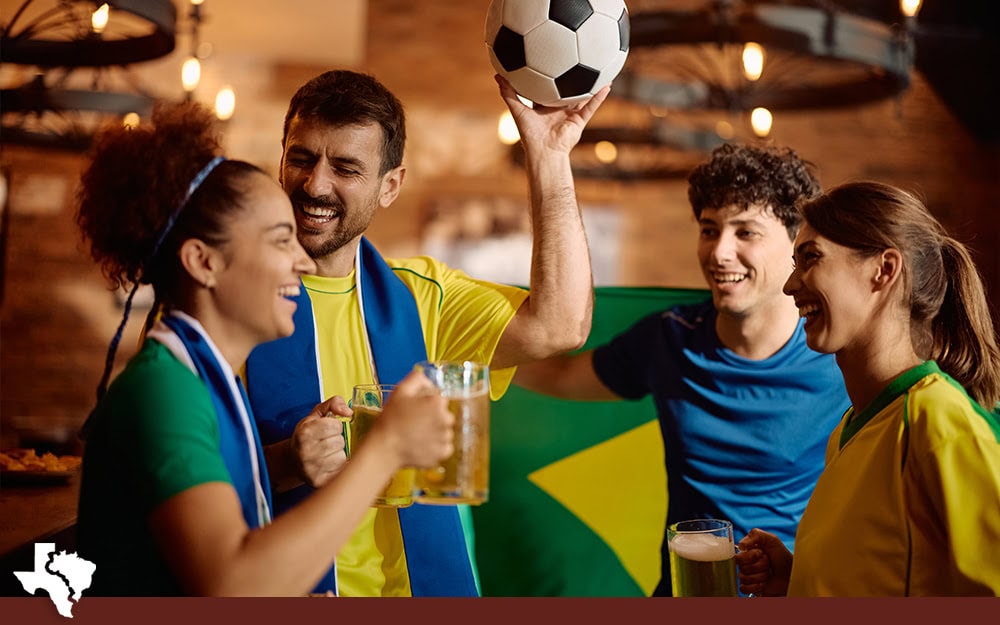
Soccer debates are practically a given at any decent boteco. Fans from rival teams will come together to watch the games, and they’ll go back and forth about different plays and players with just as much humor as passion. Match days can get really loud and rowdy – and the energy gets pretty intense. It’s all in fun, though – just a friendly competition between fans who love the sport.
Most botecos keep games like dominoes or pool tables on hand for customers who want to kill some time between rounds. The games work as a bit of social glue – they give the patrons one more reason to hang around, talk with one another and bond over the snacks and drinks. A single domino tournament can stretch across multiple visits with no problem, and you’ll see the same group of regulars come back week after week to continue right where they left off.
Most traditional botecos have an unusual payment system – and it’s all based on trust. Loyal customers can keep a running tab for days or weeks at a time before anyone expects them to settle up. The owner will either jot down what you ordered in a small notebook or sometimes they’ll just remember it all in their head (which is actually pretty cool when you think about how many customers they serve each day). It’s a system that only works when the boteco owner knows their customers well and treats them like a part of the family instead of just another face passing through the door.
Modern Botecos Keep the Old Ways
The boteco world has been changing quite a bit over the last few years, and plenty of chefs have started to add their own creative spin to the traditional classics. They call these newer places “boteco gourmet,” and you’ll find them all over São Paulo and Rio de Janeiro. What they do is take the favorite petiscos that Brazilians have been enjoying for generations and make them with much higher-quality, premium ingredients. The whole feel stays just as relaxed and unpretentious.
These upgraded places might serve bolinho de bacalhau made with expensive imported cod, or maybe a pastel stuffed with premium aged cheeses instead of the usual fillings. The quality of the food is much better compared to what you’d find elsewhere. Even with the fancier ingredients, the feel is still just the same as that of the traditional places. Lots of them still serve everything on paper plates, and it’s intentional – the informal setting is a big part of what makes it work, and most customers want it to stay just like this.
Younger Brazilians have taken to the boteco tradition over the past couple of decades, and plenty of them view it as a core part of their cultural heritage. A few cities across the country have started hosting annual boteco festivals where local bars and restaurants compete to create the best version of each traditional dish. These events have turned into a great way to celebrate the old recipes and give modern chefs the room to put their own creative spin on them.
Most places still pour ice-cold chopp, and it wouldn’t be right without it. Better beers have earned their place on lots of tap lists over the last few years. Top-shelf cachaças sit on the shelves right next to the standard bottles. The whole idea seems to be about giving customers more options without losing sight of what made these neighborhood bars great.
Savor the Moment at Texas de Brazil
Walk into any boteco, and you’ll see that nobody rushes through a meal. They talk and drink at whatever pace feels right, and the food is an excuse to spend hours together. A crispy coxinha or slow-simmered feijoada gives everyone a reason to sit down. But the conversation and laughter are what hold them there. Usually, we rush from one place to the next. But botecos work on a different rhythm – one where the point is to stay for a while.
Brazil has changed quite a bit over the decades. But they’ve managed to stay the same at their core. Walk into a hundred-year-old corner place with plastic chairs and checkered tablecloths, and then visit a modern version with local beers on tap – you’ll find the same warm feeling. It’s cold drinks, food that hits just right and an energy that just happens when you’re at a table with friends, family or strangers who won’t be strangers for long. Certain experiences work so well from the start that they don’t need to change all that much over time. A leisurely meal with others never gets old.
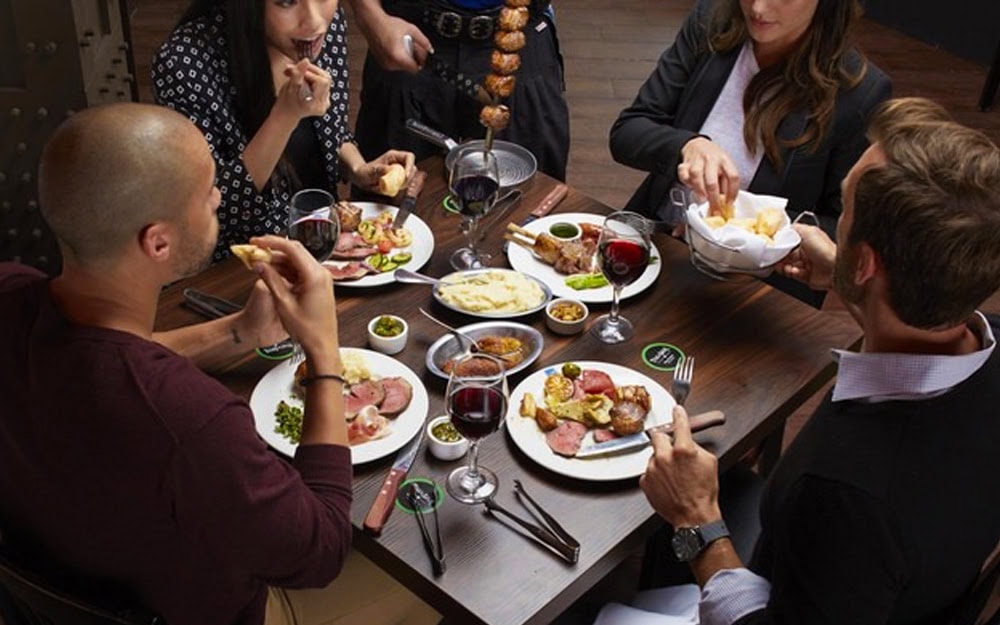
When planning a trip to Brazil, make sure botecos are on your list right up there with the beaches and the landmarks. If you can’t get to Brazil anytime soon, no problem – your own city probably has some Brazilian restaurants where you can get a true taste of this culture. Texas de Brazil was actually founded on this same idea of generous hospitality and authentic flavors.
Come try our fire-roasted meats and tableside service for yourself. Reserve a table soon, or join our eClub to get $20 off your visit.