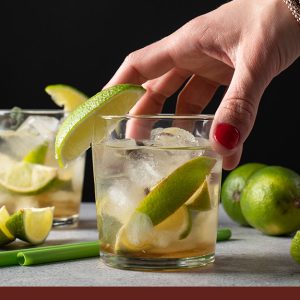

What is Caipirinha? History, Types and More
When you think of Brazil, what comes to mind? Stunning beaches along tropical seas? Rugged mountains and jungle? Cattle-covered prairies?
For many, the image of Brazil that comes to mind is one of basking on a beach and sipping a cocktail. Down south, we’re no strangers to alcohol, and some of our iconic cocktails are among the best in the world.
The king of them all, though, is the caipirinha. It’s our national cocktail, and it’s something we’re proud to bring to America in our restaurants. Today, we wanted to talk all about this iconic drink, where it comes from, what variations you can enjoy, and anything else you could possibly want to know.
Table of Contents
What is a Caipirinha?
The humble caipirinha is a simple drink, but underneath the simplicity of making one is a depth of flavor and intricacy you don’t often find in such basic beverages. There’s a reason why it has endured for over a hundred years as the most popular cocktail in Brazil, after all.
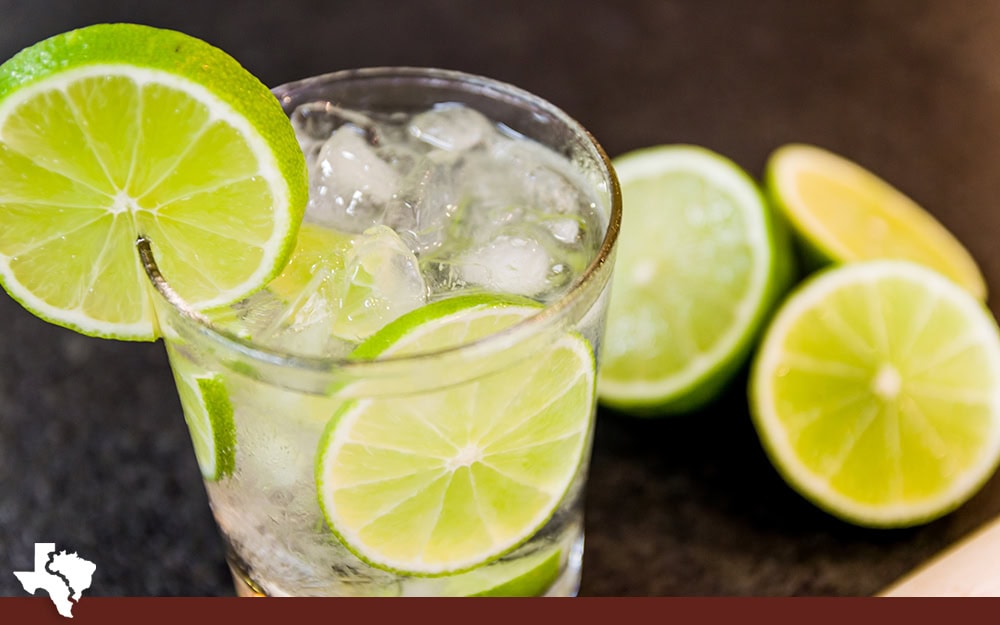
The classic caipirinha is only four simple ingredients.
- Lime. Limes are one of the most popular tropical fruits in Brazil, with a perfect balance of sour tang, bitter zip, and tropical undertones.
- Sugar. Pure, granulated white sugar is a key ingredient to the caipirinha, to cut the acidity of the lime and smooth out the beverage.
- Ice. A cold cocktail, the drink is typically poured over ice for a wonderfully cooling experience.
- Cachaça. The key to it all, Brazil’s sugarcane spirit is the secret to what makes caipirinha unique.
We’ll give the specific IBA recipe a little later, so don’t worry about that.
The History of Caipirinha
The specific history of the caipirinha is a little unknown, but historians are pretty sure it came from Sao Paulo back in 1918. The general consensus is that it was invented primarily as a local drink for the socialite and upper-class parties, making use of both the sugar-alcohol cachaca and the sugar itself, which were heavily produced in the region.
Interestingly, it may have been made with lemons instead of limes, though not necessarily lemons as you’re used to. In fact, in Brazil, we don’t really make much distinction between lemons and limes, especially because part of what turns lemons yellow is cold, which isn’t common in the northern regions of Brazil.
Back then, lemons like the galeguinho or the Tahiti lemon might have been popular. Today, you’ll most often see it made with Persian limes, but any lime will do.
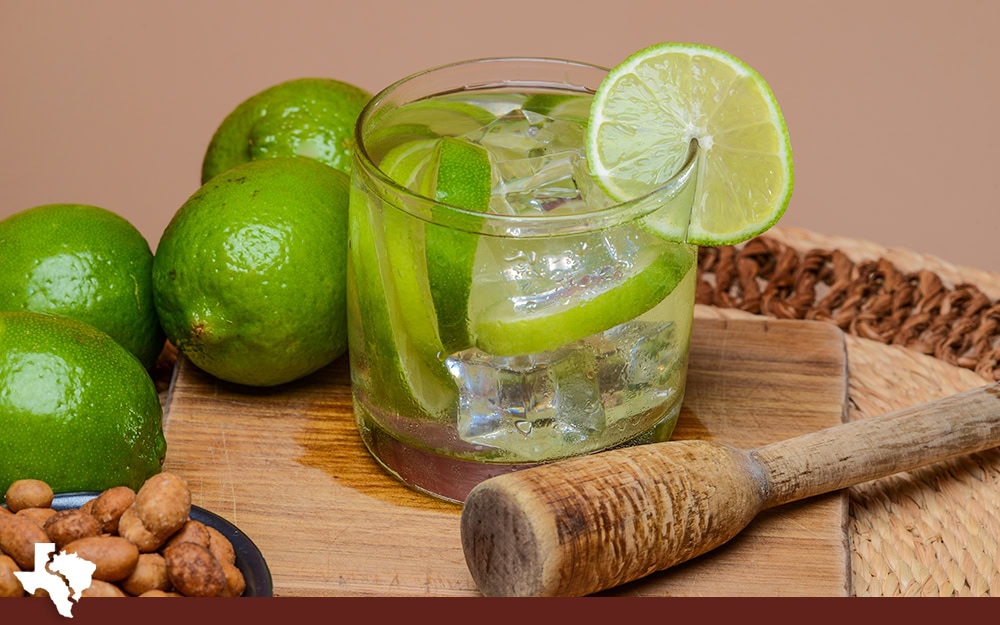
One alternative theory for where the caipirinha came about was from the same time, back in 1918, but from a different location and with a different purpose. The theory goes that doctors in the Alentejo region of Portugal mixed up a drink similar to our cocktail, though it included lemon, garlic, and honey, rather than lime and sugar. It was also not used at parties, but rather as a remedy for the Spanish Flu.
Over time, the remedy evolved, removing the garlic and honey, adding sugar, and adding the ice later to make it more refreshing.
Then again, caipirinha is the diminutive form of the word caipira, which is the name for people from Sao Paulo. We’re going to go with the local explanation for this one. Really, what’s more believable: that the drink evolved by changing nearly every ingredient across the ocean, or that we local Brazilians invented it and some folks in Portugal wanted to take credit?
The Key to Caipirinha: Cachaça
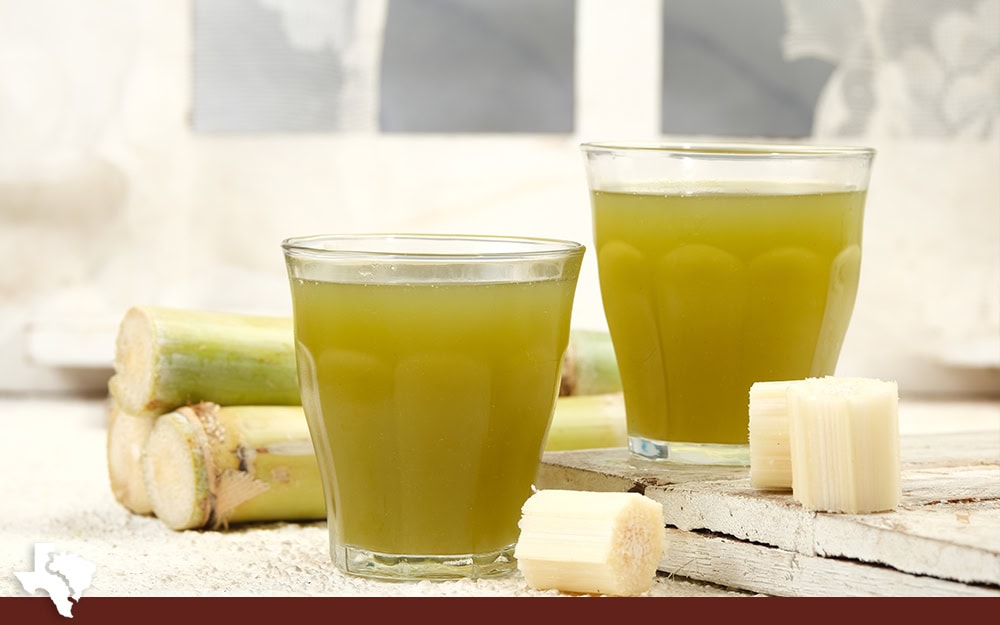
Cachaça starts with the juice of the sugarcane plant. Sugarcane grows a lot like bamboo, and the stalks can be harvested at various times throughout the year, depending on where it’s being grown.
Within 24 hours of the canes being harvested, they can be pressed using machines to extract the juice from the plants. The juice is then filtered, and then placed in vats for fast fermentation. This fermentation uses specific yeasts and takes around 12-24 hours. When the sugar in the juice is consumed by the yeasts, alcohol is produced as a byproduct, and the final liquid is about 8% alcohol.
After this, the alcoholic liquid is added to large copper stills, where it is distilled to remove sulfur compounds and concentrate the drink. It’s cooled, filtered again, standardized to a specific alcohol percentage, and either bottled or transferred to wooden barrels for aging.
Those of you familiar with alcohol might take a look at this and think: isn’t this just rum? Rum is a distilled spirit made of fermented sugarcane juice, after all. Except that’s not quite true. Most rum is actually made with molasses, rather than fresh sugarcane juice, for one thing. It’s also often distilled into a higher alcohol level than Cachaça.
While Cachaça has been dubbed “Brazilian rum” by some people, it really is its own unique thing. It’s a lot like champagne; if it’s made in Brazil, it’s Cachaça, and if it’s made elsewhere, it’s a Brazilian-style rum.
True Cachaça has an earthy flavor with a lot of fruitiness to it. It also comes in a handful of different forms. White (or silver) Cachaça is kept in steel containers before bottling. Yellow (or gold) Cachaça is usually stored in wooden barrels and aged, where the type of wood gives some added flavors and aromatics to the spirit.
If you see premium or extra premium Cachaça, these are a measure of aging. Premium is aged 1-3 years, while extra premium is aged 3+ years.
The Basic Caipirinha Recipe
The humble caipirinha lived in Brazil as an incredible drink for a long time, but it was all but unknown beyond the country for one simple reason: we kept all the Cachaça to ourselves! If you don’t have the base spirit, you can’t make the drink, and we liked our spirit enough that we rarely exported it.
These days, while we still keep most of the Cachaça we produce, you can still find it around the world, and the drink has been recognized by the International Bartenders Association as a contemporary classic cocktail.
Ingredients
- 60 ml Cachaça
- 1 Lime, cut into small wedges
- 4 Teaspoons white cane sugar
- Ice, preferably cracked from cubes, not crushed
Method
- Place the lime and sugar in an old-fashioned glass and muddle gently.
- Add cracked ice to fill the glass and add Cachaça. Stir to mix.
That’s it! It’s a very simple cocktail, and indeed, has a lot of leeway to adjust it to suit the tastes of the person enjoying it. The amount of sugar, the type of lime, and the type of Cachaça can all be varied.
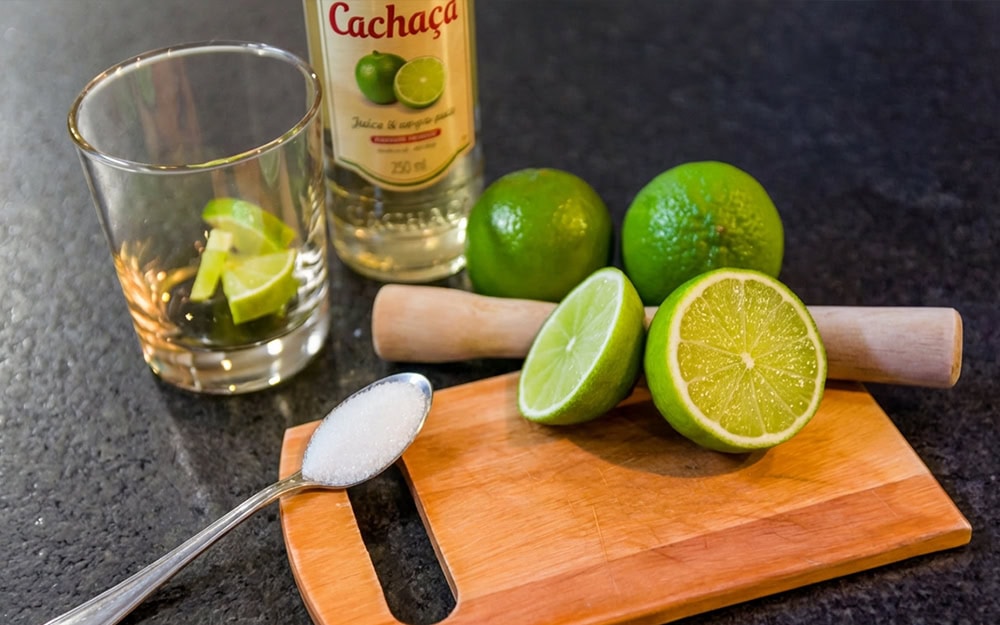
The key, and what makes caipirinha what it is, is that initial muddling process. The sugar acts as an abrasive and starts to cut into the peel of the lime, releasing aromatic oils alongside the juice of the fruit itself. Mixed with the Cachaça, it’s incredible.
Some people don’t like the fact that their drink could have gritty, undissolved sugar in it. To us, that’s part of the rustic charm of the drink. If you find it unpleasant, sure, order it with a fine-grained sugar like caster sugar, or even with simple syrup instead. Your bartender probably won’t argue, and you’ll at least get the flavor mostly there; it just won’t be quite as authentic.
Does it matter which kind of Cachaça you use? Somewhat. Different brands and different tiers of any spirit are going to have their variations.
Traditional caipirinhas are made using white/silver Cachaça. This has the more alcohol-forward punch of the freshly-distilled spirit, and it’s why one common variation (seen below) uses vodka instead. You might also find caipirinha especial or caipirinha luxo, which are the special and premium versions using higher-class, better brands of Cachaça.
Gold Cachaça tends to have a richer and more complex flavor, with more earthiness and more nuance. It’s not the kind of cocktail people will order their first time around, but it’s popular amongst folks who really enjoy the subtleties of the different forms of spirit and can even grasp the differences that the wood of the barrel makes.
Variations on the Caipirinha
There’s a bit of debate here as to whether a variation on caipirinha is still caipirinha. Arguably, it isn’t. Once you change it from the core recipe, it’s something new. It can be delicious, certainly, but it’s not the same.
In fact, by Brazilian law, the caipirinha is what we’ve listed above. Dyes, fruits other than lime, or other base spirits can’t be used to make a true caipirinha.
Now, has that law ever been enforced? Hard to say. Certainly, there are thousands of restaurants and tens of thousands of websites that talk about variations of the caipirinha using the name itself. We do it too, with things like our passionfruit caipirinha.
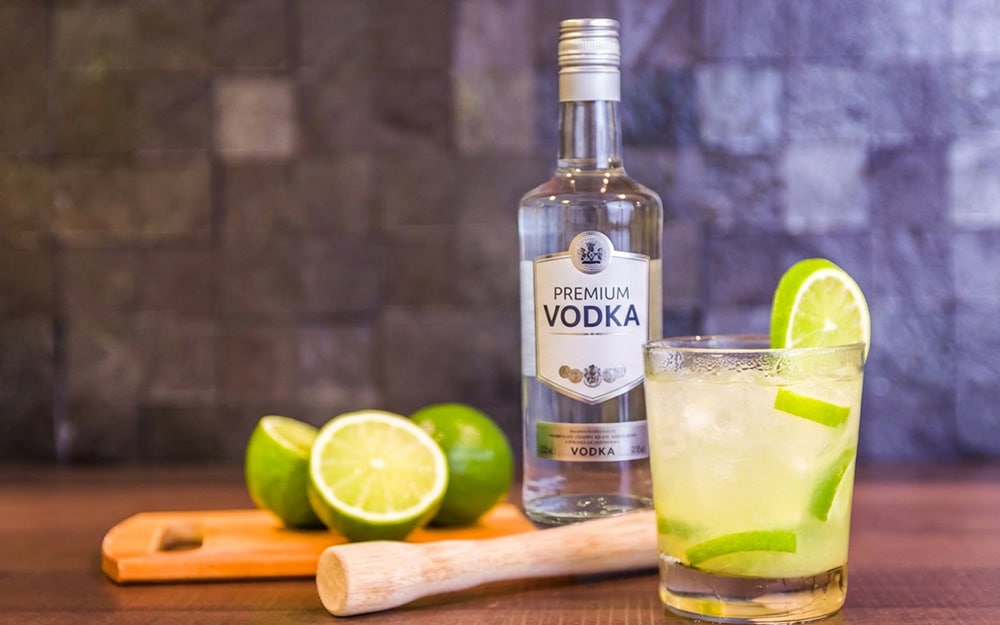
The IBA recognizes a few variations on the basic caipirinha recipe, under distinct names.
- Caipiroska. This is a version that replaces the Cachaça with vodka, hence the Russian-adjacent variation on the name. It’s incredibly popular and is probably the second-most ordered variation we’ve seen.
- Caipirissima. A lesser version of the caipirinha, this is what you get if the only thing you can find is rum and have to go without our brilliant Cachaça.
- Caipirao. This is a variation that uses licor beirao, which is a spiced and herbal liqueur from Portugal. While certainly tasty, it’s a very different beverage when you have all of those extra flavors going on.
Beyond those, there are also a lot of other variations you might encounter on menus or in bars around the world.
- In Cape Verde, they use grog for a stronger rum-based version of the drink.
- In areas with more Asian influence, saquerinhas are made using sake instead of Cachaça.
- Sometimes, you’ll find a wine-based version known as caipivinho.
- Some bartenders make a caipirinha using brown sugar instead of white; it has less abrasive qualities but a richer flavor of its own to add to the drink.
- Caipifruta is the less common but more accurate name for any variation that uses other fruits instead of or in addition to lime. Our passionfruit caipirinha falls into this category.
- Crazier variations can include things you might not think of as having a place in a beverage, such as sweet corn, which makes the milho verde caipirinha.
One thing you don’t see in most of these is a garnish. Traditional caipirinha doesn’t use garnishes of any sort, so the most you’re likely to see is a fanciful little drink umbrella when you’re having it served on the beach. Occasionally, you might see some of the fruitier variations with added mint, but that brings you closer to a mojito and further from what we want, which is the Cachaça and lime.
The truth is, even if variations on the caipirinha aren’t “authentic”, they can still be delicious. Finding what you enjoy is the pleasure of drinking in the first place, so if you want your caipirinha with mixed berries, tropical fruits, a citrus mélange, or something else entirely, go for it.
How to Enjoy a Caipirinha in America
While Cachaça is more readily available around the world now than it ever was before, it’s still not necessarily commonly found on the shelves of every dive bar you visit. If you don’t want to make your cocktail yourself, your next best option is to find somewhere that can make one for you.
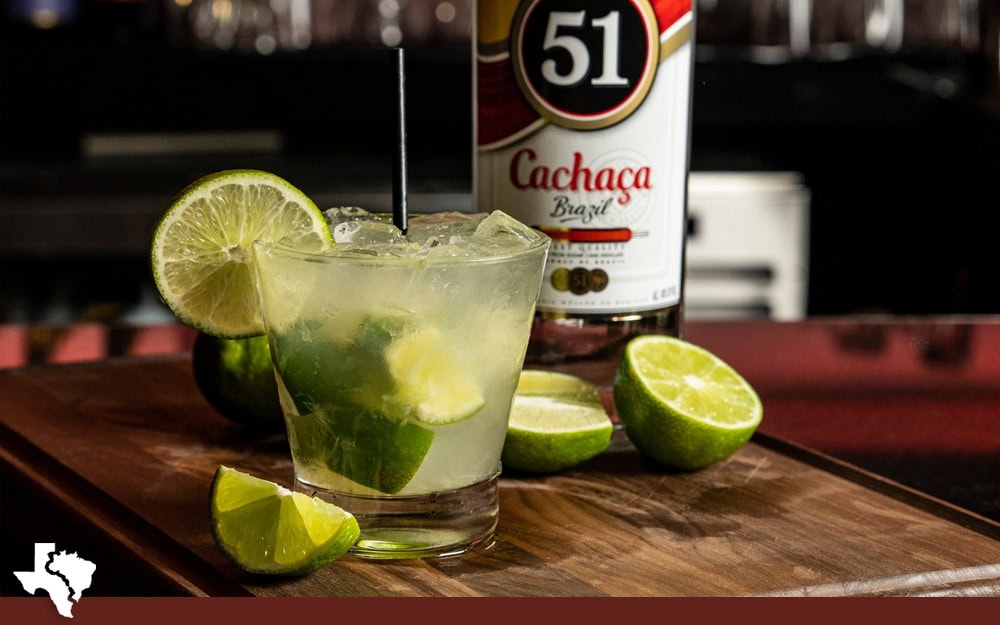
By the way, did you know that we have a full bar at Texas de Brazil, and we have Cachaça and a range of options for caipirinhas on hand?
That’s right; finding your nearest Texas de Brazil location is a sure-fire way to be able to enjoy all sorts of Brazilian iconic foods and drinks. Whether it’s the meats (the star of the show at a churrascaria), classic foods like feijoada, delicious sides like pao de queijo, or the caipirinha you enjoy alongside it all, we’re more than ready to serve. Make a reservation or stop by, and you’ll be certain to leave satisfied.