
What is Dendê Oil and Why Does Bahian Food Use It?
The markets in Bahia have their own scent, and you’ll usually pick up on it well before what’s actually cooking is visible. It’s a deep, earthy smell that seems to hang in the air around street vendors as they fry acarajé in those wide iron pots. Dendê oil is what creates that smell, and it’s also the single ingredient that takes plain black-eyed peas and makes them taste distinctly Bahian.
Dendê oil is very hard to find if you live outside of Brazil. Walk into most grocery stores, and you’ll come up empty-handed. Recipes for traditional Brazilian dishes will insist that you need this oil specifically, and there’s a legitimate reason for that insistence. Dendê is central to an entire regional cuisine, and it leaves home cooks from other countries wondering what makes it so irreplaceable. The other oils just don’t work as substitutes. Olive oil can’t deliver that same rich, nutty depth and other vegetable oils fall short on the color and the flavor that define dishes like vatapá and caruru.
How dendê oil got from the West African kingdoms to Salvador’s kitchens shows how culture gets preserved through food. Dendê has a few properties that make it work well for some types of dishes. First off, the smoke point is high, and that’s just what you need when you’re deep frying. The flavor is also rich enough that it can almost work as a seasoning by itself. And the carotenoids in the oil are what give every dish that orange-red color that you always see.
Let’s find out what makes dendê oil such a big part of authentic Bahian cuisine!
Table of Contents
The Bold Oil from African Palms
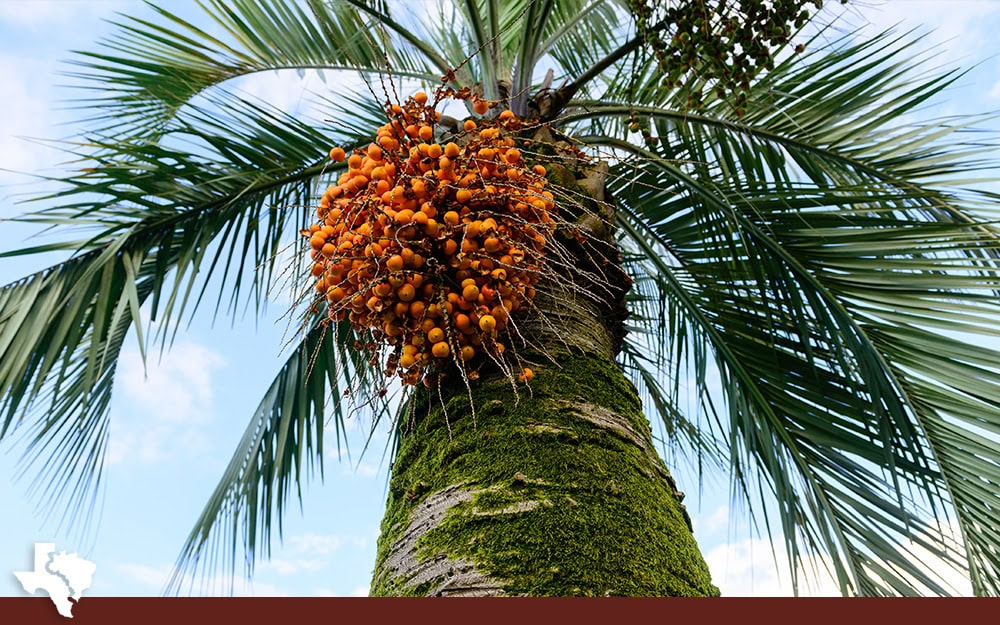
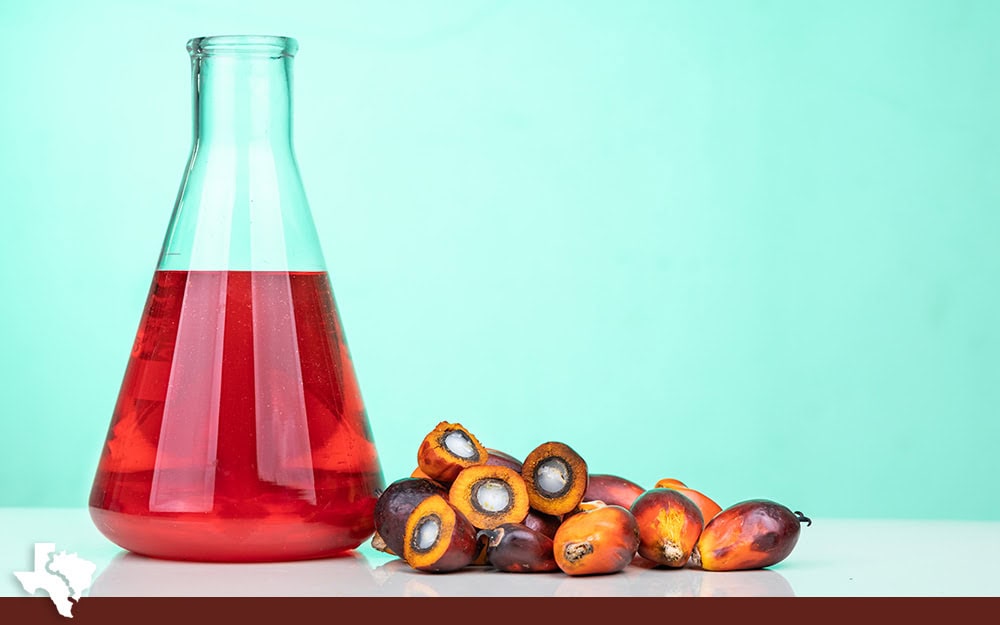
Dendê oil comes from the African oil palm tree and goes by the botanical name Elaeis guineensis for anyone who wants to get technical about it. The oil gets extracted when producers press the soft, fleshy outer part of the palm fruit – not from the seed but from the flesh around it. Palm kernel oil is a different product, and it comes from the seed tucked inside the fruit instead of from the outer flesh, where dendê oil comes from.
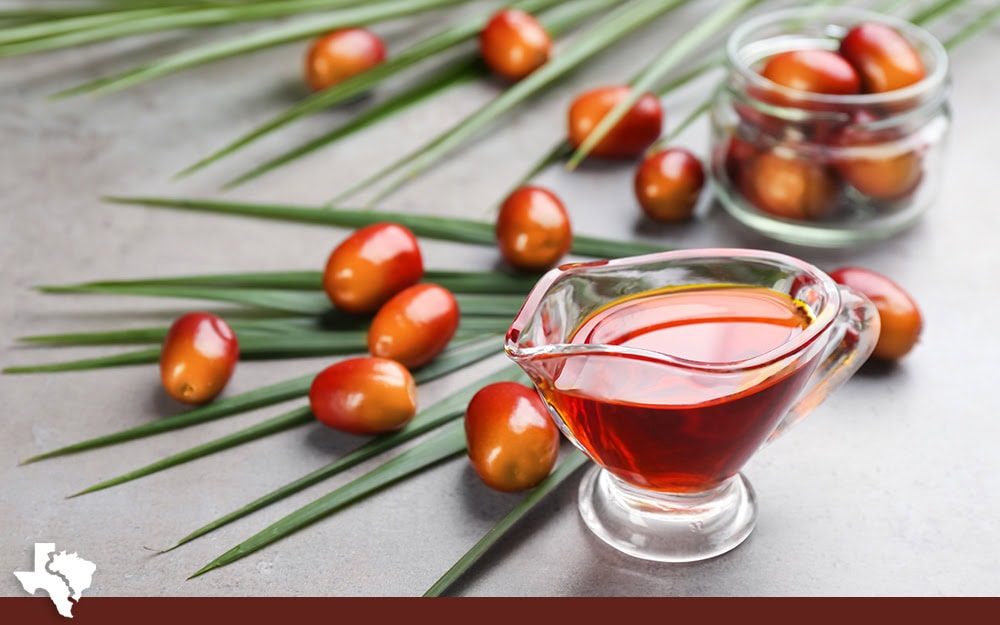
Dendê oil has a pretty striking deep orange-red color to it. The color comes from carotenoids, natural pigments found in the palm fruit itself. Carrots and sweet potatoes get their orange color from these same pigments. Dendê oil just has a lot more of them packed in there.
Dendê also tastes different from most of the cooking oils you’ve probably used before. You’ll taste a rich, earthy flavor with a bit of nuttiness to it, and the flavor is going to come through in your food. It’s nothing like vegetable oil (which has no flavor at all) or canola oil (which is pretty mild and tends to stay in the background). Cook with dendê, and you’re going to taste the oil itself in whatever you make – it adds its own particular flavor to the dish instead of just disappearing like most other cooking oils do.
Palm kernel oil and dendê oil come from the same tree, even though they taste different and don’t look remotely the same. Palm kernel oil is pale and has a much lighter, milder flavor to it. Dendê is strong in appearance and taste, though – it’s pretty bold. The extraction process actually plays a large role in why these differences happen. Producers press the fruit flesh directly, and this preserves more of the carotenoids and the flavor compounds that give dendê oil its signature taste and deep orange-red color.
The African Seeds That Built Bahia
Dendê oil’s history is heartbreaking, and it goes way back to the transatlantic slave trade. West Africans who were captured, enslaved and then forced to make that brutal crossing across the Atlantic actually brought oil palm seeds along with them.
Palm oil was a big part of normal life in regions like Nigeria and Angola for hundreds of years before the slave trade began. Families used it for cooking their food, for treating illnesses, and it held deep spiritual meaning in their religious ceremonies as well. When enslaved Africans were ripped from their homelands and forced to rebuild their lives in Brazil, palm oil represented one of the few tangible pieces of their heritage that they’d actually preserve and pass down.
Salvador da Bahia grew to become the center of dendê culture across Brazil over time. The African communities there made sure that their food traditions stayed alive, and this was during a time when conditions were brutal and unforgiving. They planted palm trees and pressed the oil the exact same way their grandparents and great-grandparents did it back home. Part of the reason was to feed their families. But it was also a way to hold onto their identity and stay connected to where they came from.
Dendê was also important in Candomblé religious practices. The oil is sacred to orixás (deities) like Xangô and Iansã in this Afro-Brazilian religion. Religious leaders would use dendê in their ceremonies to honor these spirits and stay connected to Africa. Any dish made with dendê had a wonderful flavor, yes. But it also carried a spiritual meaning.
In a way, the oil became a quiet form of resistance. The colonial authorities had control over where the enslaved worked, how they moved around town and just about every other part of their lives. What they couldn’t control was what families cooked in their own kitchens – the same recipes that their mothers and grandmothers had made before them. Every batch of acarajé or moqueca helped those traditions stay alive and held onto something that the authorities had no way to take. Bahian women sold these dendê-rich dishes from street corners and market stalls, and it gave them a way to earn their own money and build something around the food they’d already mastered.
Salvador remains Brazil’s dendê capital, a title it’s held for generations. The same oil that once helped enslaved communities survive some very harsh conditions has become a cornerstone of one of Brazil’s most celebrated regional cuisines, and each dish prepared with dendê makes a direct culinary connection between West Africa and Bahia, one that reaches back hundreds of years.
What Makes Dendê So Special
Bahian cooks will tell you that nothing else works the way dendê does, and after years of experience with this oil, I’d have to agree. Dendê has a very high smoke point, and that means you can heat it way hotter than most other oils without burning it. You need that when you’re deep frying, and Bahian cuisine has a whole lot of deep frying.
Dendê oil is something special because it accomplishes two big jobs at once in your cooking. Pour it into your dish, and you’ll get that signature red-orange color straight away, and it brings a deep, one-of-a-kind flavor that makes its way into every bite. You could try olive oil or vegetable oil as substitutes. But they just can’t replicate what dendê does to your food.
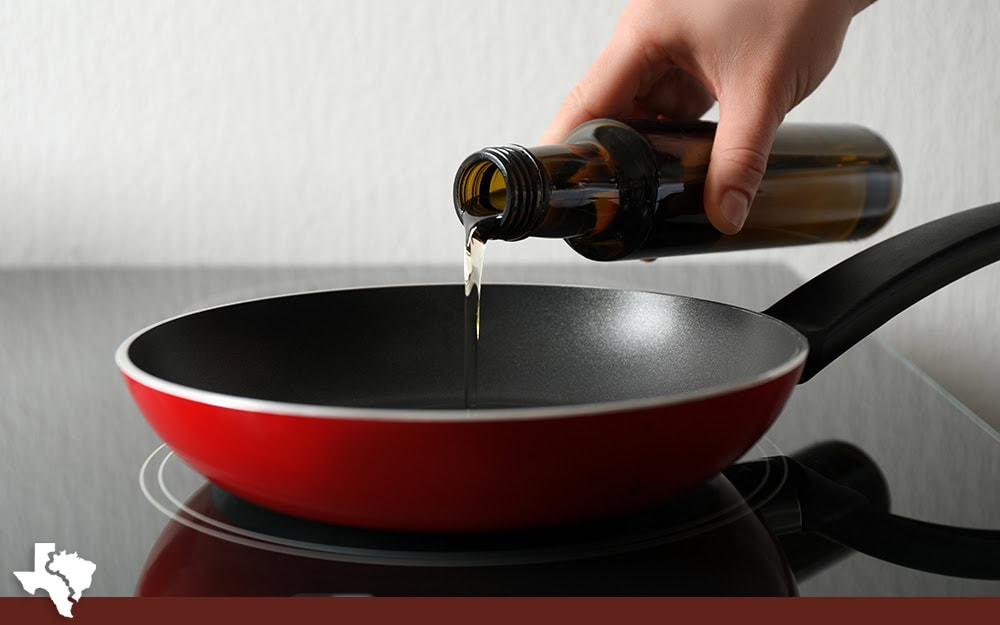
Dendê is essential for Bahian cooking, and a big part of why it matters is how well it works with the other ingredients that Bahian cooks use every day. Coconut milk is probably the best example of this. Mix dendê with coconut milk in a pan, and they create this pretty incredible sauce that has a depth and a thick, rich texture. The palm oil helps to hold everything together, and it also brings this earthy, almost nutty quality that balances out the sweetness from the coconut.
Dried shrimp works the same way with dendê. The oil grabs that concentrated, briny shrimp flavor and carries it throughout your entire dish. But it also mellows out the intense saltiness that dried shrimp usually have. Instead of just being overwhelmingly fishy, you get something that has depth and multiple layers to it – it’s the main reason Bahian cooks will tell you that dendê can’t be substituted with another oil. Any other oil can fry your ingredients or add some fat and richness to the recipe (which is fine for basic cooking). But it’s not going to change your food the way dendê does and won’t give you that signature red-orange color, and it won’t help you develop those layered flavors that define Bahian cuisine.
Traditional Bahian Dishes with Dendê Oil
Acarajé is the best-known dish in Bahian cuisine. These black-eyed pea fritters are deep-fried in dendê oil (which is pure palm oil) until the outside gets brown and crispy. The women who make and sell them are known as Baianas, and they always wear traditional white clothing as they fry up each batch. What sets acarajé apart is the texture – every fritter has this perfect crunch on the outside that gives way to a pillowy-soft center. This textural contrast has made them one of the most famous street foods in Brazil.
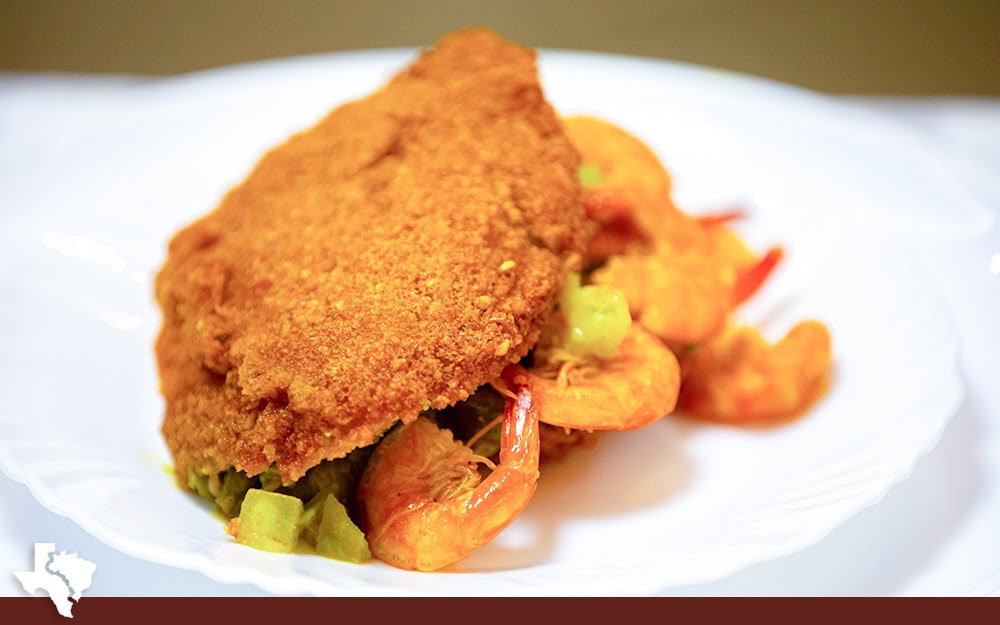
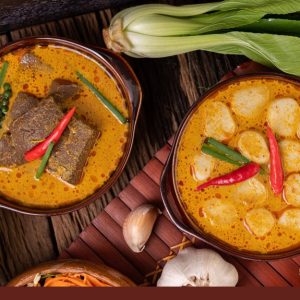
Moqueca is a traditional Brazilian fish stew, and it needs dendê oil to get that signature deep orange color and very rich, full-bodied texture. When the oil blends with coconut milk in the pot, it forms a thick sauce that coats the fish and vegetables in there. If you don’t have dendê oil, you’re just making plain fish soup – it won’t have the same authentic flavor or the thick consistency that makes moqueca worth the effort.
Vatapá is another dish that relies heavily on dendê oil for its signature creamy base. The oil gets blended together with ground nuts and dried shrimp until everything turns into a thick paste. You can spoon it over rice, or you can use it to fill acarajé. Caruru works in a similar way, except it swaps out the nuts and uses okra as the star ingredient instead. The dendê oil still does its part here and adds another layer of richness to complement everything that the okra contributes.
All these dishes need dendê oil, though each one uses it differently. Acarajé needs it for the frying process – it’s what gives you that perfect combination of crispy on the outside and soft in the middle. Moqueca takes a different strategy and uses dendê oil as one of the stew ingredients, so it gets to blend in with the coconut milk, tomatoes and everything else in the pot. Vatapá and caruru work a little differently because the dendê oil acts more like a base that shapes how the flavors and textures develop in the final dish. Cooks have been making these recipes the same way for generations, and that’s because they work extremely well and deliver reliable results every time.
Health Benefits and Kitchen
Dendê oil contains vitamin A, vitamin E and plenty of antioxidants that give it some nutritional value. Bahian cooks have been working with it for generations, partly for the nutrients and partly because the flavor it gives to traditional dishes is hard to beat! But dendê oil is also loaded with saturated fat, and we know a lot more about the connection between saturated fats and heart health. Traditional recipes still call for it. But many cooks will use it more sparingly than they would have a generation or two ago.
Plenty of Bahian cooks have started to cut back on how much dendê they use in their recipes. The great news is that you can still get that signature flavor without dumping large amounts of it into the pot. Some cooks will blend the dendê with lighter oils during the cooking process to make it last longer. Others like to treat it more like a finishing oil and add just a small drizzle at the very end to get that authentic flavor the dish is known for. You don’t have to cut it out of your cooking – just be careful about when and how much you use it. A little bit goes a long way, and it’s what gives dishes like moqueca or acarajé the traditional flavor they’re known for.
Dendê oil behaves a little differently in the kitchen compared to most other cooking oils. Dendê will solidify when stored in a cool environment – it’s normal behavior and doesn’t mean that the oil has spoiled or gone bad. Just apply some gentle heat to the container, and the oil will return to its liquid state without any problems.
Brazilian and Latin American markets usually have the freshest dendê because they go through their stock much faster than typical grocery stores do. Try to open the bottle or get a sample before buying, and take a quick smell. Fresh dendê has a pleasant, slightly nutty smell to it – nothing harsh or off-putting. Store your bottle somewhere cool and dark when you get it home. Heat and sunlight will degrade the oil pretty fast.
Savor the Moment at Texas de Brazil
But you’ll find it in the food and in the way they celebrate life after generations of struggle. Those flavors represent centuries of culture that traveled across an ocean, adapted to a new home and became something they carry forward with great pride.
Food can tell us stories in ways that we don’t usually stop to think about.
You might walk through the markets of Salvador one day, or maybe you’ll just make moqueca at home in your own kitchen. In either case, dendê brings you a taste of something that goes back centuries and hasn’t lost any of its appeal. These are flavors that made it across the oceans, got handed down through families for generations, and they still get everyone excited about sitting down together for a great meal.
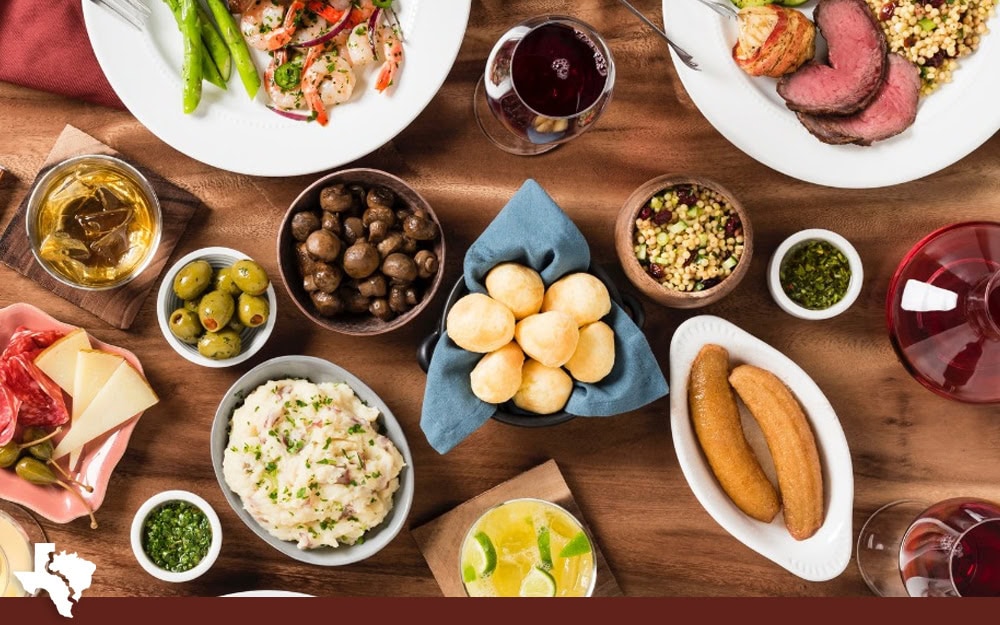
Texas de Brazil is a great alternative if you want to experience the rich traditions of Brazilian food but can’t jump on a plane to São Paulo. We bring authentic Brazilian flavors right to your table, and our chefs follow the same methods that cooks in Brazil have been working with for generations. These are the techniques that made Brazilian food so popular around the world. We’re talking about meat that gets roasted over an open flame and carved right at your table, along with fresh salads and the traditional side dishes you’d expect to find there. If you want to keep up with what we’re doing, join our eClub and we’ll send you deals and updates. We also have gift cards available if you’d like to share the experience with someone important to you.