
Caipirinha vs Mojito and What Makes Each One Different
Two cocktails. Two countries. One long-running mix-up at nearly every bar worth visiting. The Caipirinha and the Mojito have enough in common (citrus, sugar, a base spirit with sugarcane roots) that plenty of drinkers treat them as nearly the same drink. It’s a natural assumption to make and an extremely common one at that. But treat them as interchangeable, and you miss what makes each one worth ordering.
The difference between these two drinks goes way deeper than whatever glass they arrive in. One is punchy and raw, built around a spirit so one-of-a-kind that Brazil actually fought for its legal recognition on the world stage – and in spirits, that’s no small feat. The other is lighter and a bit more refreshing, with fresh mint and a gentle fizz that softens the whole experience. Mix them up or order the wrong one, and you’ll wind up with something that tastes nothing at all like what you had in mind. In a place like São Paulo or Havana, that’s a shame.
The two drinks also have very different histories behind them, and they’re each worth learning about. Brazil’s Caipirinha is built around cachaça – a raw and grassy spirit that just doesn’t taste like much else you’d have sitting in your home bar. The Mojito is a Cuban classic, and it leans on white rum with a far more approachable flavor to match. Getting familiar with each of them changes the way you order at a bar, how you stock up your home setup, and how much you like either one when it’s made right.
From their origins and base spirits to their ingredient lists, their build techniques and the final flavor in your glass – each one legitimately has its own story to tell. These two drinks have well-earned places in cocktail history and rightly so.
Let’s dig into these two classic cocktails and find your perfect sip!
Table of Contents
The Story Behind Each of These Cocktails
The Caipirinha and the Mojito come from countries with a proud history with sugarcane – it’s no coincidence. That shared connection is what each drink is built on, and it helps explain why the two of them taste the way they do.
Brazil has been making the Caipirinha since the early 1900s, and somewhere along the way, it earned its place as the country’s national cocktail – it’s no small feat either. A drink that reaches that status can become part of day-to-day life – the celebrations, the culture and the national identity of an entire country. The Caipirinha has that in Brazil.
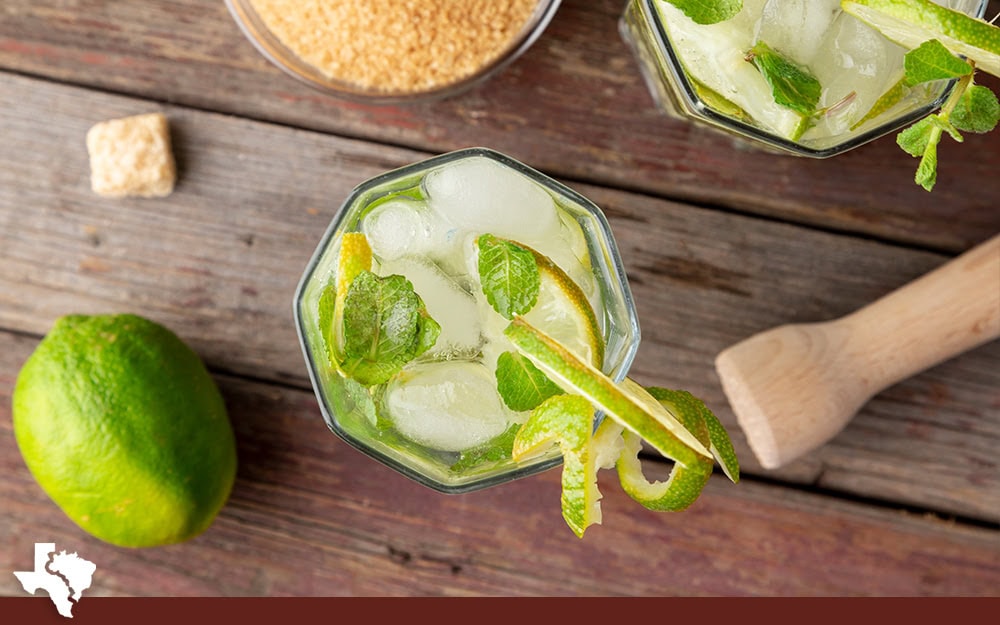
Cuba’s connection to the Mojito goes back even further – some accounts actually trace its roots to the 16th century. The exact origin story has shifted and changed over the years, which is expected for a drink with this much history behind it. Even so, the Mojito has been part of Cuban identity for so long that the two feel nearly inseparable. It’s a rare cocktail that makes you think of a place just as much as a flavor.
Neither the Caipirinha nor the Mojito is just a recipe – these drinks carry cultural weight behind them. Brazil and Cuba each built thriving sugarcane industries over the centuries, and those industries eventually gave rise to the local spirits that became central to each country’s most celebrated cocktail. Cachaça in Brazil and rum in Cuba – each one speaks to the land and the culture it came from. That history is a big part of what gives these drinks their appeal.
Every one of these drinks carries a bit of that history with it. But the glass makes it easy to miss.
Cachaça Is Not the Same as Rum
The spirits in a Mojito and a Caipirinha aren’t interchangeable, and the difference between those two base ingredients is why each drink tastes the way it does.
Cachaça is distilled from fresh sugarcane juice, which gives it an earthy and almost raw quality that you don’t find anywhere else. There’s a slight roughness to it – not in a bad way at all. But it’s more like a built-in personality trait. White rum is made from molasses instead – that extra step in production tends to mellow it out into something quite a bit cleaner and more neutral by the time it reaches your glass.
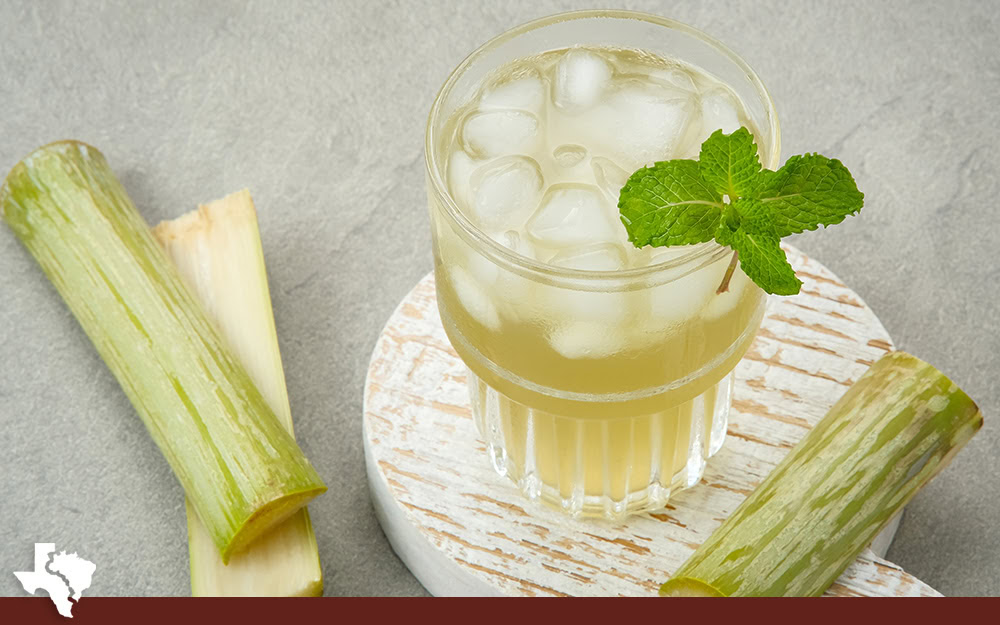
Cachaça tends to get written off as Brazil’s version of rum, which is an understandable assumption to make – these two spirits do come from sugarcane. The difference is in which part of the cane gets used and how it’s handled during production. Those two factors alone give you two very different products. A better parallel would be tequila and mezcal – they both come from agave. But no one would call them the same spirit.
The Mojito feels light and refreshing partly because white rum doesn’t compete with the lime, mint and sugar – it blends right in and lets the other flavors take the lead. Cachaça works very differently in a Caipirinha – it adds its own personality to the drink, and you’ll feel it from the first sip to the very last. Neither spirit’s the wrong call – they just deliver two very different experiences, and the difference starts before a single other ingredient ever hits the glass.
What Goes Into Each of the Recipes
With the spirits out of the way, let’s get into what else each drink actually calls for – it’s where the two recipes start to pull apart.
The Mojito calls for a few core ingredients. Fresh mint and soda water are two ingredients you can’t leave out – between the two of them, they’re what define the drink’s whole personality. The mint is responsible for that herbal quality, and the soda water is what keeps it light and a little effervescent.
A Caipirinha wants almost nothing from you. Lime, sugar and cachaça (three ingredients) – that’s the whole list. Full stop.
And with a shorter ingredient list, every component has to pull its weight – there’s no room for a mediocre lime, an off-balance sugar ratio or a cachaça that isn’t quite right. No soda water to smooth it out and no fresh herbs to fill in any gaps. What you’re left with is something raw and direct – it’s why the Caipirinha is harder and tastes more intense than its minty counterpart.
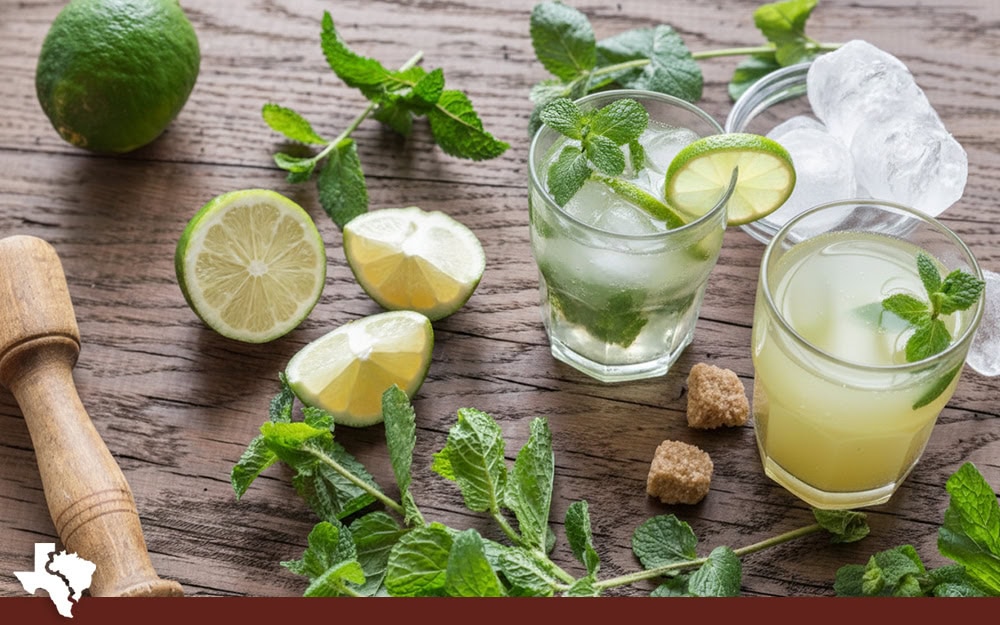
The Mojito just has a little more to it than most. The mint and soda water add a brightness that makes the whole glass feel almost breezy and noticeably more refreshing.
Neither one is definitively better – they’re just built differently, and each one delivers something worth your time. The Caipirinha goes for no-nonsense intensity, and its stripped-back character is what you love about it. The Mojito is more layered and refreshing, and on a warm afternoon, it’s pretty hard to match.
The Way You Make Each One Matters
A Caipirinha is one of the few cocktails that gets built right in the glass – no shaker needed. Lime wedges go in first and get muddled with sugar until the juice comes out and the sugar dissolves into it. From there, a handful of crushed ice and a healthy pour of cachaça go right over the top – it’s all it takes. A Mojito has a few more steps to it. The mint and lime go in first and get muddled together at the bottom of the glass – before any ice is added. From there, the ice and rum go in, and the very last step is a small splash of club soda to top it off.
Those extra steps do change what ends up in your glass. The club soda in a Mojito gives it a lighter and almost fizzy lift that you’re just not going to get from a Caipirinha. A Caipirinha is more direct (nothing waters it down except the ice) and each sip hits a little harder because of it.
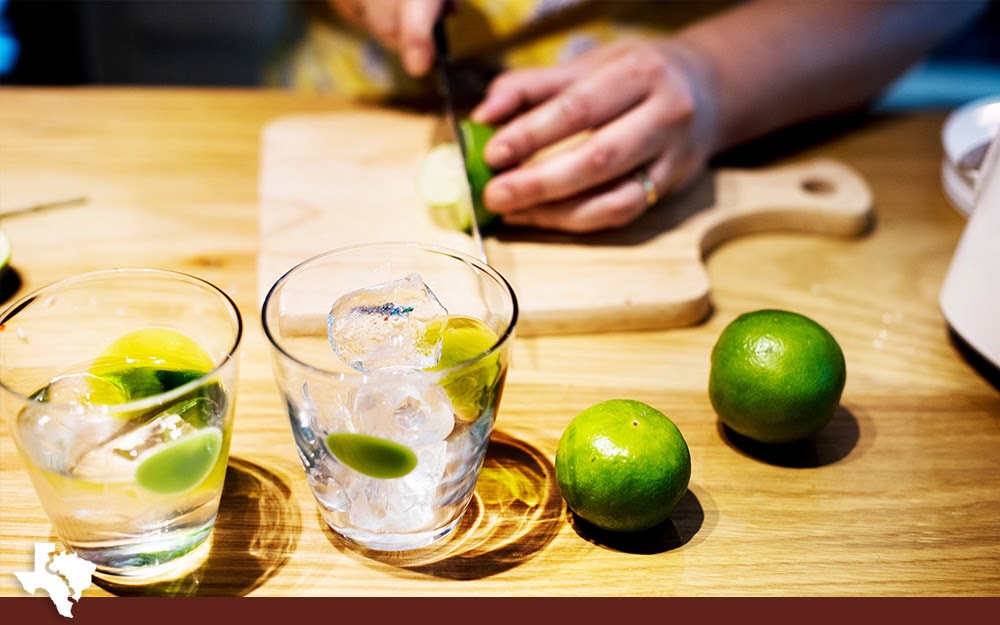
A homemade Mojito is pretty approachable all around. But the muddling step is where most beginners struggle the first time. The most common mistake is over-muddling the mint – press the leaves too hard or for too long and they’ll turn bitter instead of releasing that fragrant smell you’re going for. All you need is a gentle press to get the oils out. Just coax the leaves a little – don’t pulverize them. It’s a small detail, but it flat-out makes or breaks the final drink – and it’s what I check first when a Mojito tastes off.
The Caipirinha’s muddling process is a different story altogether. With lime wedges and sugar instead of delicate mint leaves, you actually want to press down harder – a firmer mash draws out more of the juice and gets the sugar all mixed in. Both drinks call for muddling, but each one needs a different level of pressure to get it right.
How the Flavor of Each Drink Is Different
The Caipirinha hits hard by any measure. Cachaça is a grassy spirit with a funky edge to it, and a little muddled lime won’t do much to tame it. The sugar does soften the bite a bit, though it’s still very much a drink that leads with alcohol and citrus in equal measure – and it doesn’t try to hide that at all.
The Mojito is a different story altogether. The rum takes a back seat here, and the fresh mint and lime get to come through. The soda water makes the whole drink light – one of the more refreshing options out there.
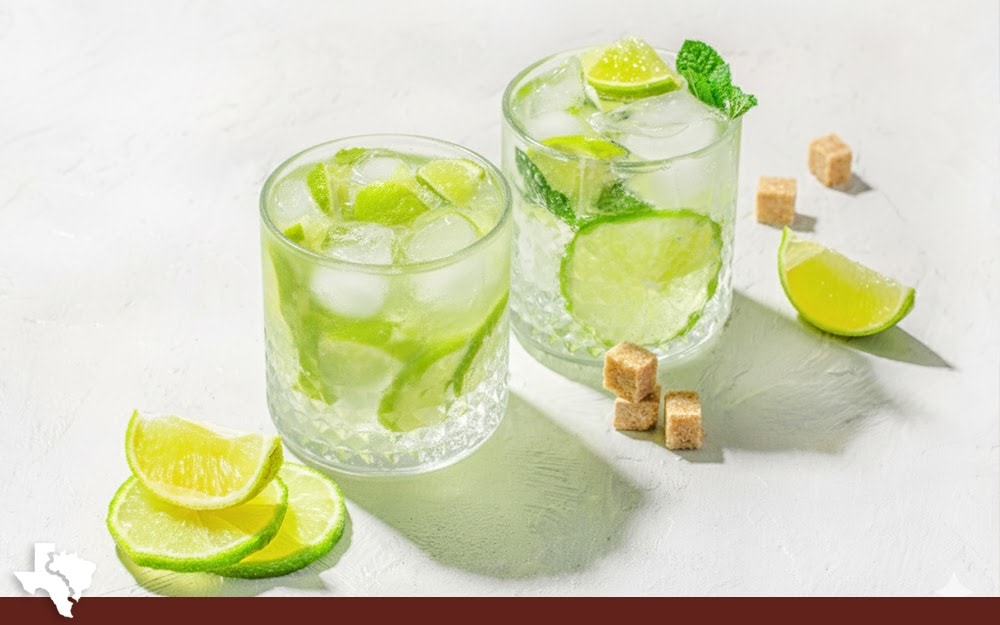
The texture is something you notice immediately with these two drinks, and it shapes the whole experience. The Caipirinha has no carbonation and no dilution other than from the ice, so every sip hits you full and dense with nothing watered down or stretched out. The Mojito has a natural lightness to it from the soda water, which alone changes the whole pace of it – it ends up being a more relaxed drink, almost by design.
These two cocktails share the same two ingredients (lime and sugar), which makes it a bit interesting how different they actually taste. The Caipirinha lands on the sharp side – almost aggressively tart – with a bite that stays with you well after the glass has left your lips. The Mojito takes a much gentler path (more herbal and rounded), and the mint wraps it up with a cool finish that fades gracefully, and before long, you want another sip.
The Caipirinha is a drink that grabs your attention right from the first sip, and the Mojito is one that tends to win you over a little more with every glass. Both are drinks you should retry.
Great Fruit Twists Worth a Try
The Caipirinha and the Mojito each have a pretty strong personality on their own – and over the years, bartenders and home mixers alike have taken the two of them in some pretty creative new directions. The Caipirinha has a pretty popular variation called the caipifruta, which just swaps out the lime for fruits like passion fruit or strawberry. What you get is a noticeably softer drink – and a more easygoing one for anyone who finds the original to be a bit too sharp. If the whole idea of a Caipirinha sounds right to you but that citrus edge is a bit much, the caipifruta is a very natural place to start.
The Mojito has earned its fair share of creative twists over the years. Mango and raspberry versions of it are pretty popular, and quite a few bars have started to put them on the menu as a way to give guests something a little bit different – close enough to the original that it still feels like itself.
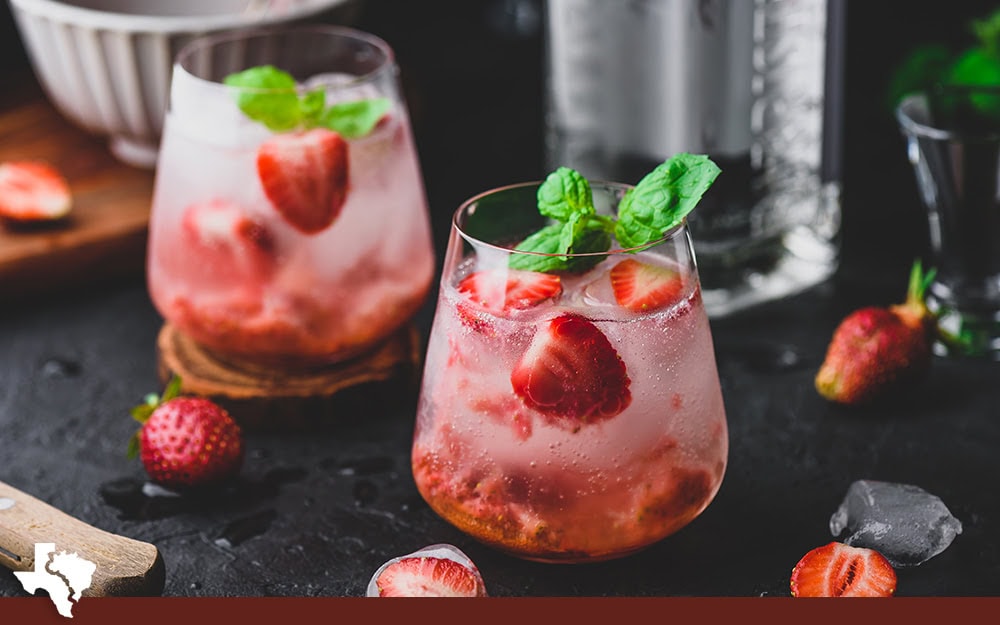
Part of what makes these drinks so flexible is the way they’re each put together at their core. Cachaça (the base spirit in a Caipirinha) has this funky quality to it, which gives it plenty of room to pair with sweeter or more tropical fruits, and the whole drink doesn’t lose its identity in the process. The Mojito works a little differently – it anchors itself around mint and lime, and those two flavors turn out to be pretty great partners for just about any fruit you want to add. These two drinks have more range than most give them credit for, and I’d say that’s one of the more underrated qualities about them.
As for which direction to go in, it can depend on what fruit you love most. Tropical and berry-forward flavors come through brightest in a caipifruta – they get to be front and center without much competition. A fruit Mojito holds onto that herb-driven freshness but with something new on top – a combination that’s hard to beat.
Pick the Right One for Your Mood
The Caipirinha is punchy and direct – it’s all sharp cachaça heat with just enough tartness from the fresh lime to balance it out. The Mojito goes in a very different direction – lighter and breezier, and with the mint and soda water in the mix, there’s this fresh quality that makes it hard to put down.
The setting around you matters more here than you’d usually give it credit for. A Caipirinha comes into its own at a loud and lively get-together – it’s the drink that belongs somewhere festive and somewhere with a bit of energy behind it. A Mojito has a more relaxed personality to it. It’s easygoing enough on a slow afternoon, and it can never quite become too much.
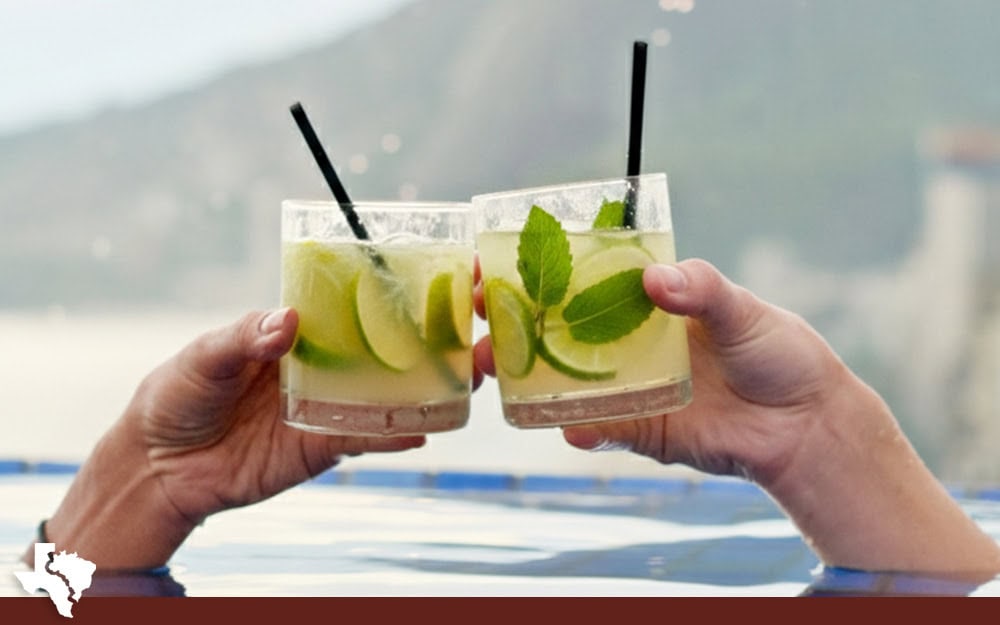
Your mood matters more here. A Caipirinha is not quite a gentle sipper – it’s citrus-forward and built for moments you want to actually feel your drink. A Mojito is a more easygoing option, and it’s a great choice if that’s what you’re after – it just won’t be as intense.
The setting you’re in can steer your choice. A hot afternoon on the patio calls for a Mojito. Out at a busy dinner with friends, where rounds are going around, the Caipirinha is a much better fit for those nights.
Neither drink is better than the other – and I’d say that’s just what makes them each worth your time. A Caipirinha asks a little more of you, and it more than holds its own once the evening picks up. A Mojito leaves the mood a bit lighter and social – it’s the drink that doesn’t get in the way of a conversation. These are different drinks for different moments – at this point, you have a sense of which one is yours.
Savor the Moment at Texas de Brazil
These two cocktails actually have more going on than you’d give them credit for (it’s a big part of what makes them worth a look, and each one does something different), with the earthy depth of a Caipirinha on one side and the minty freshness of a Mojito on the other. The choice between them does depend on your mood, and for me, that’s what makes it so fun.
The Caipirinha is built around cachaça, a Brazilian spirit made from fermented sugarcane juice, which gives it an almost grassy quality that sets it apart from most other cocktails. Pair that with fresh lime and sugar, and you get something that feels very direct and a bit intense. The Mojito shares the same sugarcane tradition through white rum. But the mint and soda water take it in a different direction – lighter, more refreshing and a bit easier to sit with over time.

But the actual appeal is that if you like the raw intensity of cachaça or the refreshing side of a Mojito, these two cocktails have plenty going for them once you get a feel for what each one is doing. They also pair well with food – the Caipirinha tends to hold up better alongside something rich or savory, but the Mojito works as a lighter option between courses.
A back-to-back tasting is also one of the better ways to spend an evening – it gives you an actual sense of how much the base spirit shapes everything else in the glass, and it makes the differences between the two feel quite a bit more obvious.