
What Type of Brazilian Food is Gluten Free?
Gluten intolerance and gluten allergies are being increasingly recognized worldwide as a serious condition. The good news is, a lot of Brazilian cuisine is gluten-free, including some items you might not expect!
When you visit your local Texas de Brazil, you can be sure that you’ll have a good time. While some of our menu items do contain gluten, most of them do not, and our gauchos are more than happy to make sure you know what to avoid and what you can enjoy.
So you know what you’re getting into (and what to look forward to), let’s go through our menu from top to bottom, along with some other Brazilian staples, and talk about what is and isn’t gluten-free. If you want to check for yourself, our nutrition page flags everything with gluten so you can avoid it as necessary.
Table of Contents
Meats: The Star of the Show
When you’re visiting a churrascaria like Texas de Brazil, the meat is the centerpiece. We love our beef as all Brazilians do, but there’s more on the menu besides just various forms of steak.
Meat, as you likely already know, is naturally gluten-free. But that doesn’t mean it’s always safe! Meat can be a “trap” when you’re avoiding gluten; you assume it’s safe, only to find it’s not.
So, what’s the cause?
While the meat itself is gluten-free, things like breadings and marinades might not be. On top of that, some kinds of processed meats like sausages might include gluten-based ingredients as a binder. Ingredients like soy sauce or teriyaki often have gluten in them, breadcrumbs for breaded items are often gluten-based, and many sauces include gluten as well.
The good news is, you aren’t going to run into that here, for the most part.

Brazilian churrasco is famously light on the spices and marinades, with almost no cuts of meat using them at all. Most churrasco is nothing more than meat, heat, and salt, none of which includes gluten.
Even when there’s a spice rub involved, most of the time it also doesn’t include anything with gluten in it.
When you look through the meats on our menu, a few might stand out as potential issues. While the basic meats like picanha, petit filet, and sirloin are certainly going to be fine, you might wonder about others, such as:
- Barbecued pork ribs
- Brazilian sausage
- Parmesan-crusted drumettes and pork loin
- Spicy sirloin or picanha
All of these are likely to give you pause. Barbecue sauce might have gluten-carrying ingredients, sausage might have a gluten binder, breaded meats might use wheat-based breadcrumbs, and a spicy rub could have gluten in it.
Here’s the good news: none of ours do. You’re free to enjoy anything at all in the rotating selection of meats without worrying about gluten.
Exploring the Salad Area
The continuous dining experience available in our churrascaria means you’re free to enjoy meats nearly as soon as you sit down, once our gauchos start to rotate by your table. Beforehand, in between, or after, you can head over to our salad area, where you can put together salads and sides without the need to make an order and wait.
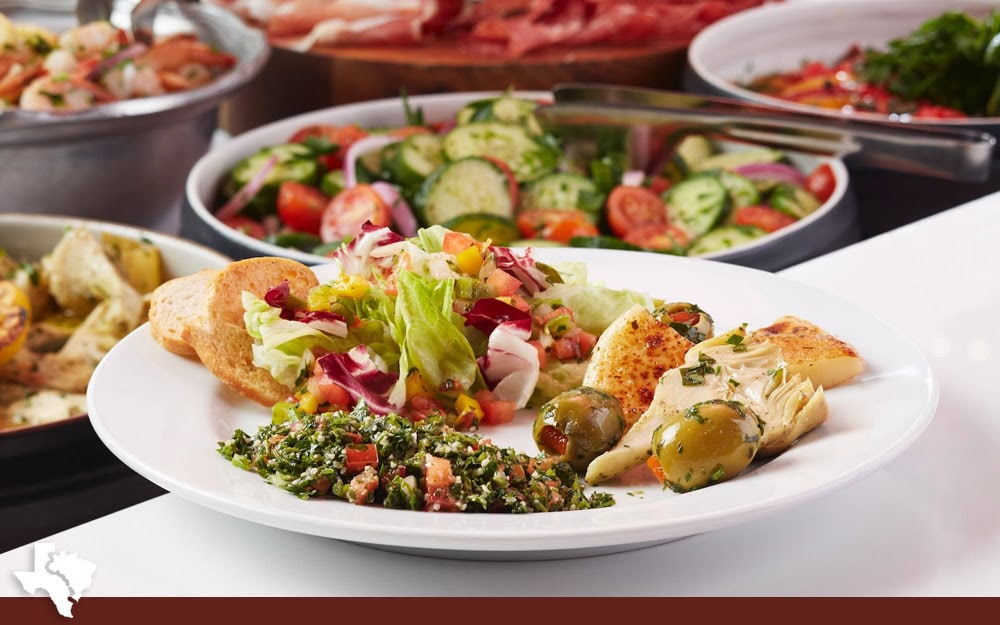
Gluten-containing ingredients are common in salad areas. While things like a greens mix, cheeses, and various vegetables are certainly safe, things like breads, croutons, certain dressings, and other prepared items might contain gluten.
Ours is really no different. Some of the items in our salad area do contain gluten ingredients, so you’ll want to watch out.
- Ciabatta. Obviously, a wheat-based bread is going to contain gluten. This is nothing new.
- Couscous Salad. Couscous is traditionally made with semolina, and semolina is a wheat product, which means it has gluten in it. While you can make your own gluten-free couscous, we do not; you’ll be best off avoiding this one.
- Cucumber Salad. This one is tricky; nothing in it seems like it should have gluten in it, but it’s hidden in one of the dressings. Unfortunately, you’ll want to try a different salad instead.
- Onion Ceviche. This is another one where the ingredients list makes you think there’s nothing with gluten in it, but it’s once again hiding in one of the minor ingredients. If you’re still interested, authentic Peruvian recipes can be great and gluten-free!
- Salami. While our salad area offers several kinds of cold cuts, including prosciutto, the salami contains a gluten-based binding agent, so you’ll want to skip that one.
- Tabbouleh. Another international favorite, tabbouleh is unfortunately made with bulgur wheat, which is very much not gluten-free.
That’s it! Everything else in our salad area is gluten-free, and you should be perfectly fine eating it.
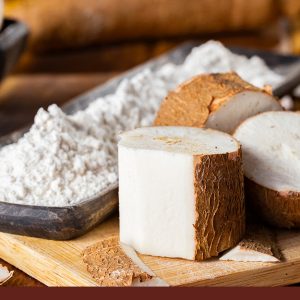
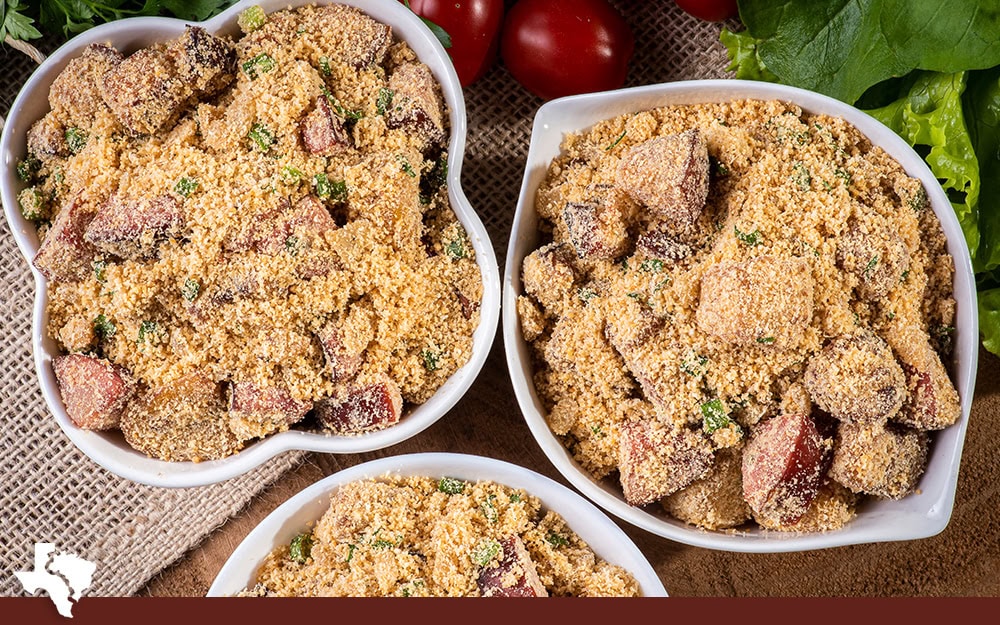
One item that stands out here is farofa. Farofa is a toasted flour, so why is it gluten-free? The secret is, it’s not wheat flour. Farofa is the starch from the cassava root, which is processed into a flour with properties similar to other grain flours.
So, while farofa might seem like toasted breadcrumbs, it’s something a little more unique to Brazilian culture. Best of all, cassava doesn’t contain gluten at all, so farofa is 100% gluten-free.
Warm and Hearty Foods at the Hot Bar
Adjacent to the salad area is the hot bar, where foods that need to be kept warm are held available. This one is, unfortunately, a bit of a minefield for the gluten-intolerant. Most of what we have to offer here has gluten involved in some way or another.
In fact, there are only a few items in the hot bar that are safe for the gluten-intolerant. The fried bananas are mostly just bananas, sugar, and spices, so they’re safe. The jasmine rice is, of course, just rice.
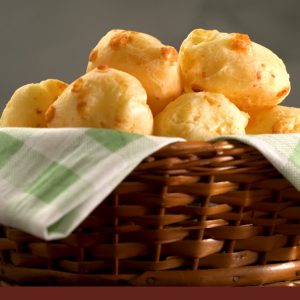
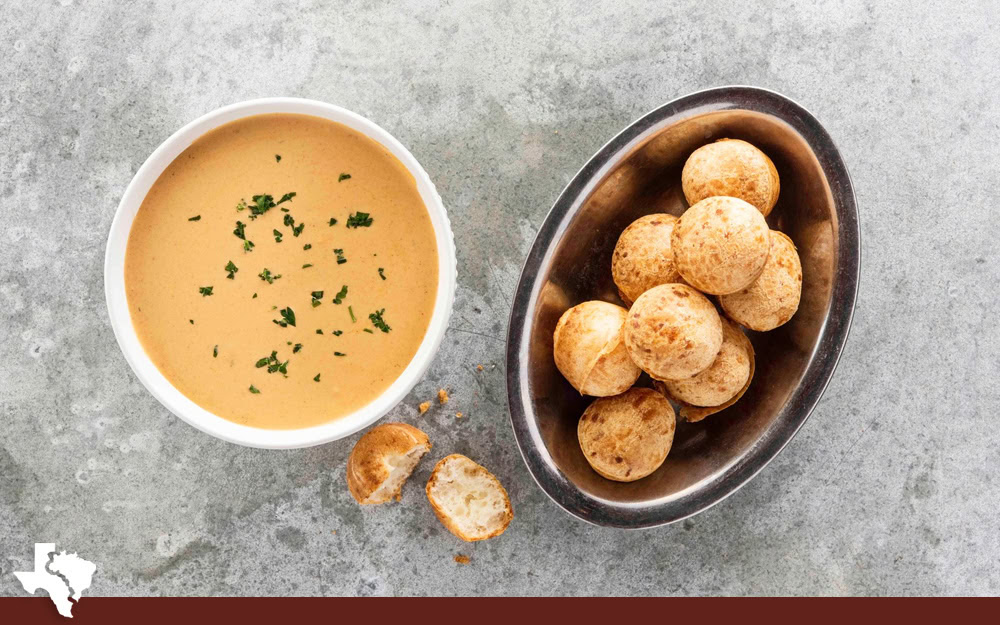
Most interesting, the Brazilian cheese bread (known as pao de queijo) is actually gluten-free! This Brazilian bread specialty is made entirely using cassava flour, so while you get a soft, chewy, bread-like treat, it doesn’t include wheat flour and thus has no gluten in it.
On the other hand, another Brazilian classic is off-limits if you’re gluten-intolerant: the feijoada.
Feijoada is a black bean stew made with beans, smoked meats, and a range of other ingredients. While some recipes are gluten-free, ours uses certain sausages that contain gluten, making the entire thing unfortunately unavailable to those avoiding gluten.
Similarly, other hot items also include gluten ingredients. You’ll want to avoid the cream of jalapeno soup, the fish stew, the lobster bisque, the potatoes au gratin, and the sauteed mushrooms.
Fortunately, there are so many delicious items to be found elsewhere that you’ll never feel too limited in your choices.
Finishing the Meal with Desserts
Desserts in Brazil are a way of life as much as they are a treat at the end of a meal. We love our sugar, and we love our treats.
The downside, as you might imagine, is that a lot of desserts are baked goods, and a lot of baked goods require flour to make them. Most of them aren’t easy to make with a flour substitute, or they won’t turn out right, so there aren’t gluten-free alternatives available.
What should you avoid?
- Bananas Foster Pie
- Brazilian Cheesecake
- Carrot Cake
- Chocolate Mousse Cake
- Coconut Chess Pie
- Key Lime Pie
- Pecan Pie
The pies have flour in their crusts in particular.

On the other hand, there are still a few desserts you can enjoy without the risk of gluten.
Brazilian flan is one such dessert. This sweet and custardy dessert is made using eggs, condensed milk, regular milk, and sugar, with no flour involved.
The crème brulee is also free of gluten-carrying ingredients, so you’re safe to give it a try as well.
Finally, the papaya cream treat is a tropical fruit favorite and is also free of gluten.
While the dessert menu is a little sparse when you’re avoiding gluten, there are still some options available. Realistically, though, we find that most people are having too much fun enjoying themselves with the meats to leave much space for desserts, so you’re not likely to miss it too much.
Something to Sip from the Drinks Menu
Drinks can also be tricky when you’re avoiding gluten. Beers, IPAs, and similar are based on barley or wheat and are going to contain gluten. Most other alcohols are gluten-free, and some can be made in gluten-free ways. Even grain alcohols that start with a gluten grain can eventually be free of it once they’re distilled.
The good news is, our bar menu is more or less entirely free from gluten. If you order some odd mixer from the bar, it might have gluten in it, but your bartender should know and be able to tell you, as long as you tell them ahead of time.
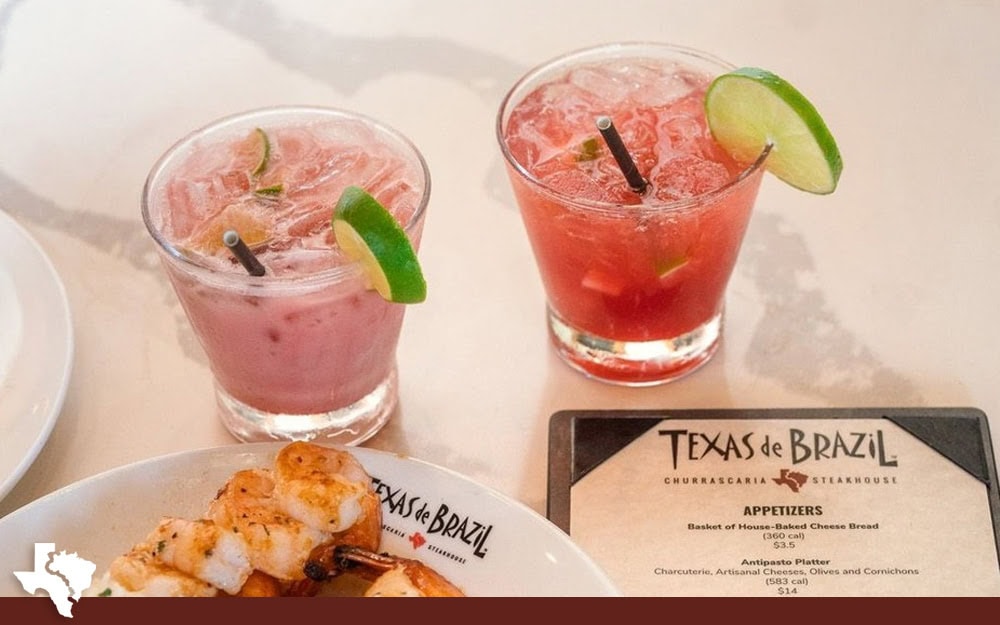
If you’re just in the mood for a bit of tipple, you’re free to choose what you like, from the wines to the spirits. If you want something a little more uniquely Brazilian, cachaca is a Brazilian sort of rum-like booze made with sugarcane juice and is wholly gluten-free. You can enjoy it as it is, or in one of the many cocktail recipes that call for it, including the famous Brazilian caipirinhas.
The wines, as well, are freely available, and we offer quite a few to choose from. Feel free to take your pick!
Other Brazilian Foods with No Gluten
If you’re going to another Brazilian restaurant (though, why would you?) or if you’re planning a trip to Brazil directly, what other great foods are gluten-free that you should look for?
First of all, just about every meal in Brazil is accompanied by rice, beans, or both, and those are near-universally gluten-free.
You’re also likely to find tapioca-based recipes all over the place. Tapioca is the same base ingredient as farofa (the cassava root), so it’s naturally gluten-free. Any tapioca-based dessert is probably fine, as are things like crepes and flatbreads made with the starch.
Brazil is also packed with all kinds of unique and exotic fruits, which are all gluten-free. With so many fresh and delicious fruits available, you won’t miss the cakes and pies you can’t have.
On the other hand, there are a few classic Brazilian foods you might also want to avoid, even though we don’t offer them.
- Acaraje. This is a fritter made with black-eyed peas, which normally would be fine, but some of the fillings include bread. Be sure to ask ahead of time.
- Anything with a sauce or that uses soy sauce as an ingredient. It’s easy for gluten to slip into some of these recipes, so be sure to ask.
- Street foods. While the foods themselves might be technically gluten-free, street food vendors don’t have a lot of space to work with, so they’ll reuse prep areas, and there may be cross-contamination.
If you need to, the Brazilian Portuguese phrase “nao contem gluten” translates to “doesn’t contain gluten” and is what you should look for. You can also say “sem gluten” to ask for “without gluten”, or say “doenca celiaca” to clarify that you have celiac disease, or “nao posso comer gluten” to convey that you can’t eat gluten.
Tips for the Best Experience at Texas de Brazil
Just come in and enjoy yourself!
When you arrive, all you need to do is mention to your server that you’re gluten-intolerant. They’ll be happy to walk you through what is and isn’t on offer that day, and what you should avoid. The great news is, we have so many excellent gluten-free menu items (and we take food prep seriously) that you’re definitely going to be able to have a great time. It won’t be hard to avoid the gluten altogether, and it’s not really hidden in much of anything except a couple of stray salads. In other words, it’s largely in line with what you already know to avoid.
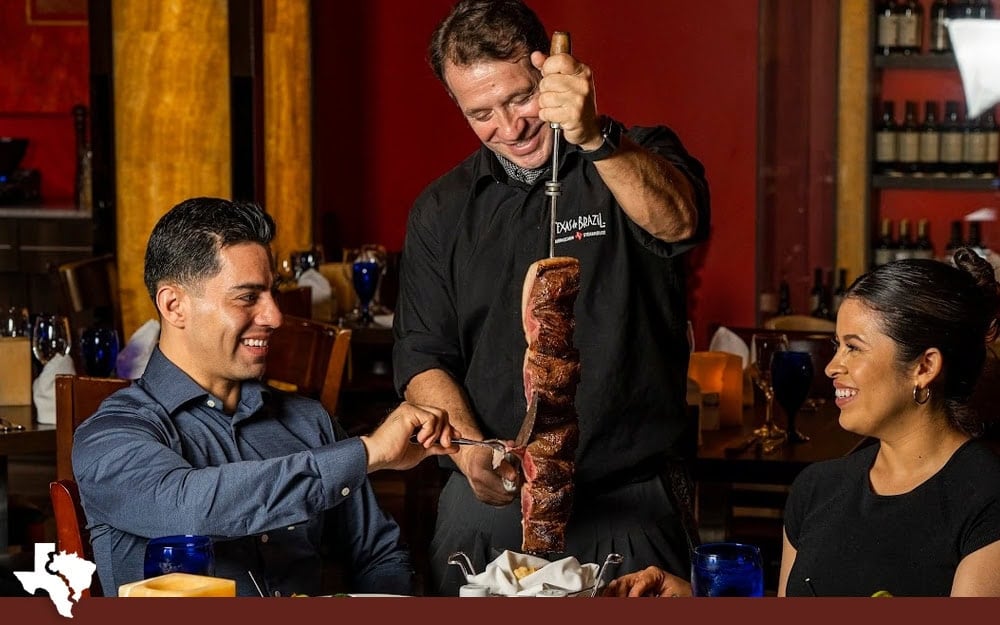
We’d love to have you stop on by and experience the wonder of gluten-free churrasco yourself! Find your nearest location, book a reservation or stop on in directly, and we’ll make sure you enjoy the best Brazil has to offer.