
What Is Coalho Cheese and How Do You Grill It?
Have you ever had a grilled cheese?
No, not the sandwich, though those are obviously delicious. We’re talking about a slab of cheese, slapped on a grill, seared to a gooey perfection, and served.
If you haven’t, you’re missing out, and if you have, it’s no wonder you’re here to learn more.
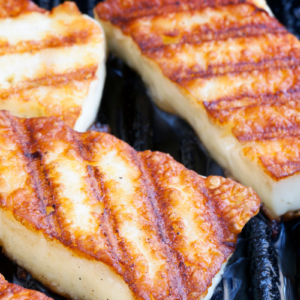
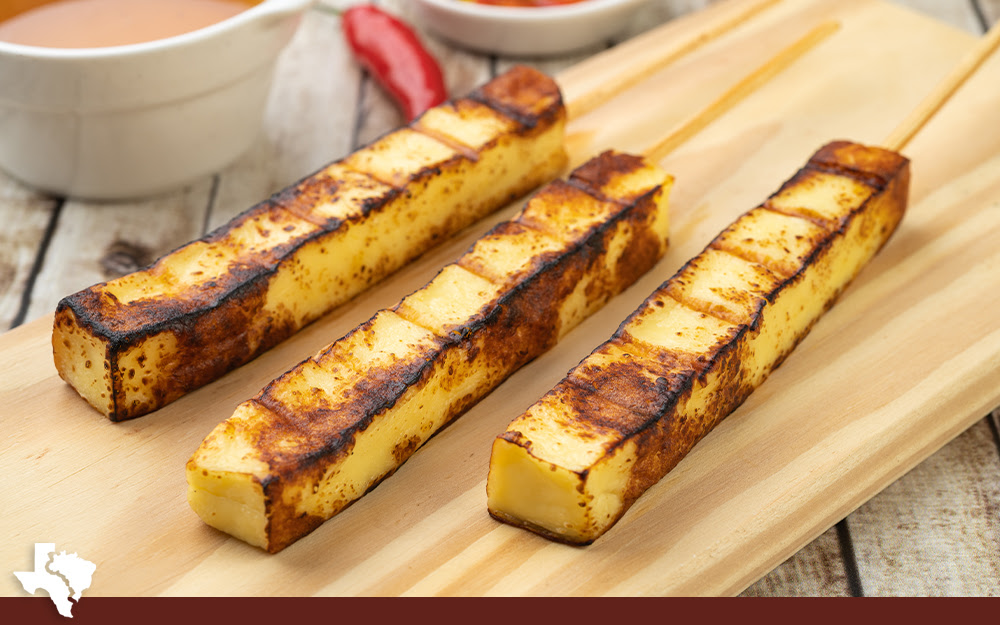
Espetinhos de Queijo de Coalho is a particular kind of Brazilian cheese that lends itself exceptionally well to this treatment. Large chunks of the cheese are cut into rectangles, skewered, and grilled. The end result is a crisp, salty crust on the outside made perfect by the Maillard reaction, and a gooey, chewy interior of decadent dairy. Served with a sweet drizzle like a honey sauce or molasses, it’s a favorite snack in Brazil for a very good reason.
Let’s dig deep into all you need to know to enjoy this treat, and even make it yourself at home.
Table of Contents
Breaking Down the Name
First, a little trivia. Espetinhos de queijo de coalho is a very straightforward set of Brazilian Portuguese words.
It’s simple:
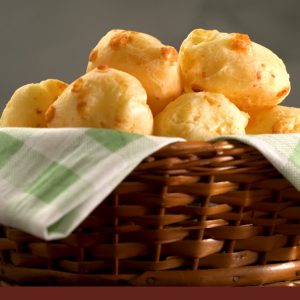
- Queijo, which you may know from pao de queijo, simply means “cheese”.
- Coalho is the specific name of the kind of cheese used in this recipe. It actually means “curd cheese”!
- Espetinhos means “skewers,” which is the way this cheese is grilled.
Now you know, in case it ever comes up at trivia night!
Coalho: A Brazilian Favorite Cheese
Coalho is a specific kind of cheese produced in Brazil, though it’s similar to a bunch of cheeses found all around the world. That’s good news, because you might not be able to find true coalho where you live, but you can almost definitely find a cheese similar enough to make your own imitation.
What makes this cheese unique?
First of all, it’s described in a handful of ways based on its attributes. It’s a curd cheese, and a squeaky cheese, something you might be familiar with if you enjoy fried cheese curds, poutine, or even fresh cheese curds. It’s not actually cheese curds, in quite the same way, but it’s very similar in texture. It’s also known as a rennet cheese.
It’s a cow’s milk cheese, which should come as no surprise, given how heavily invested in cattle the nation of Brazil is.
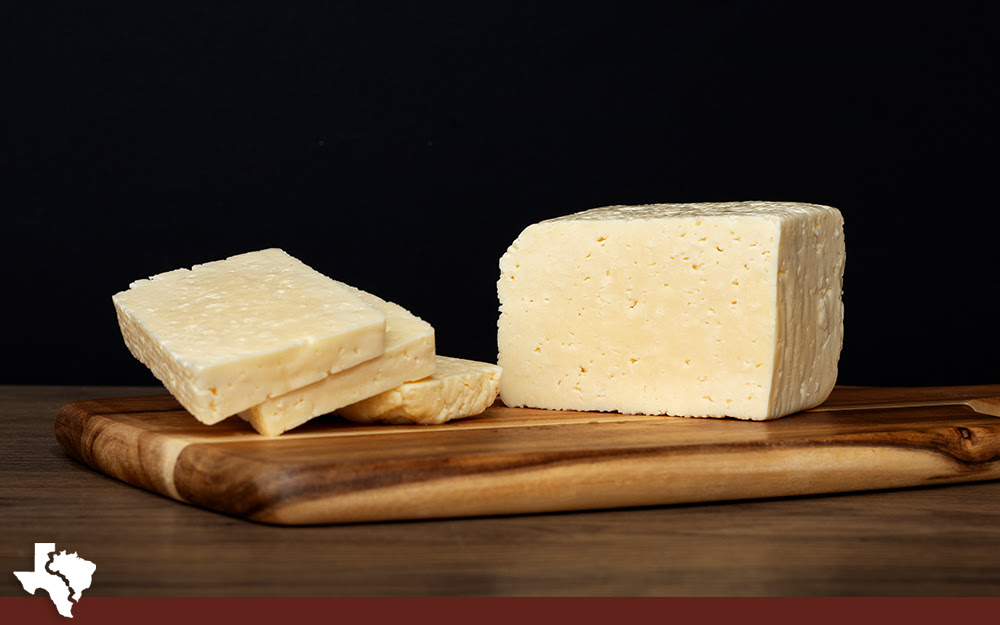
Texturally, the cheese is fairly soft and holds together well. It doesn’t crumble apart the way something like a Parmesan or an aged cheddar would.
The flavor of the cheese is fairly mild and salty. The mild flavor makes it great for eating, and grilling it enhances the saltiness of the outer layer. This pairs exceptionally well with both sweet and savory toppings.
The most important element of this cheese is the fact that it’s a grilling cheese, which means it has a high melting point. It withstands heat very well and takes on a caramelization to the exterior much more readily than some other cheeses, while being harder to burn.
Can’t Find Coalho? Here Are Some Alternatives
A simple rennet/curd cheese made from cow’s milk is a staple all around the world, anywhere that cow’s milk is used to make cheese. If you can’t find coalho locally, you can easily substitute it with a similar cheese from a different location.
Halloumi. This is a cheese that is produced in Cyprus; in fact, Cyprus has the trademark on the name Halloumi. Even if a cheese is produced in the exact same way, if it’s made somewhere else, it can’t use the name. Interestingly, though it’s texturally nearly identical to coalho and has a very similar flavor, Halloumi is made with a combination of goat’s milk and sheep’s milk, not cow’s milk. It’s the go-to grilling cheese for many places around the world, because of the same dense-but-soft texture and high melting point as coalho.
Kasseri. Another Greek cheese, Kasseri, is another cheese commonly used in grilling because of its consistency and high melting point. It’s also a mixture of sheep’s and goat’s milk, though it’s made in different regions. If you’ve ever been to a Greek restaurant and had a plate of saganaki (the pan-fried cheese appetizer), you’ve probably had Kasseri.
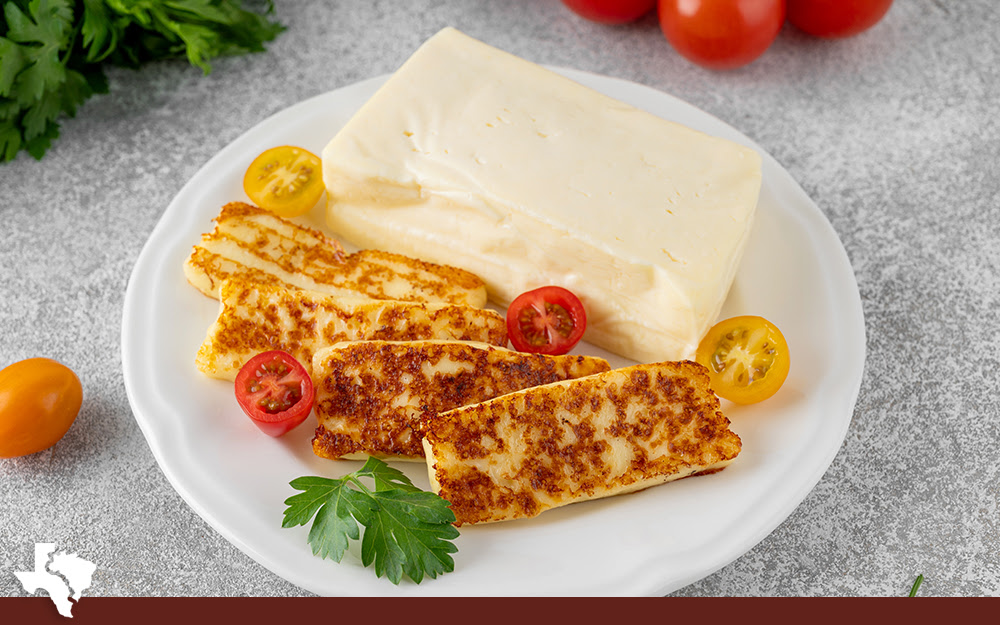
Paneer. This cheese is a bit more like something like Mozzarella, made with cow’s milk or buffalo’s milk. It’s a softer cheese than the others, but it’s acid-set, so it’s still fairly firm and has a high melting point. In fact, it’s called a non-melting cheese. It’s common in Indian foods and has a delicious, tangy flavor.
Queso Fresco. Probably the most readily available of the similar cheeses, at least in the United States, queso fresco is the Mexican variant on the concept of a fresh, firm white cheese. It’s often on the crumbly side, which can make it a pain to grill on a skewer, but the end result is still pretty similar. It’ll do in a pinch, but you’re probably better off looking for some Halloumi instead. If you can find it, queso panela is also a similar option.
While none of these are going to be a perfect replacement, they can get you close enough to enjoy the dish, and that’s a great place to be.
How to Grill Brazilian Coalho Cheese
If you’ve ever made a fried cheese recipe before, you’re probably expecting some sort of process here. Saganaki, for example, requires a layer of flour and a nice hot oil to fry in.
Good news: you don’t need any of that for Brazilian grilled cheese.
Prepare Your Cheese
Prepping the cheese is easy; all you need to do is slice it. Since most of the cheeses outlined above are soft-ish and firm rather than crumbly, they’re relatively easy to cut with just a knife. But if you have a dedicated cheese knife or a cheese wire, you’ll make things a bit easier on yourself.
You want to cut your cheeses into sticks, about one inch wide by three inches long, and about half an inch thick.
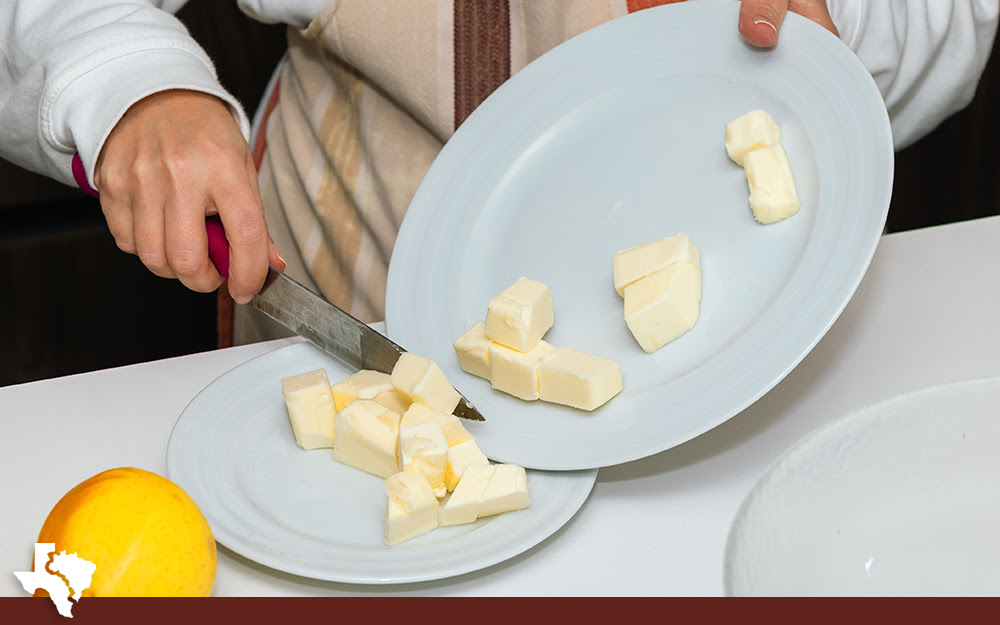
Now, the measurements aren’t exact. You don’t want it to be too thin, because then it will over-melt and can drip right through the grill. But, you don’t want it too thick, or the outside will burn before the inside is fully melty and soft.
As far as width and length go, that’s preference. The one-by-three shape is ideal for quick snacking, but you can make longer sticks to enjoy on their own, or even grill up a whole slab of it to cut and serve later. Individual sticks are easier to skewer and handle than a whole slab, though.
Fire Up the Grill
If you’re familiar with Brazilian churrasco and you’re worried that you’re going to need a super high-heat open flame like with our incredible grilled meats, you can set those fears aside. In fact, espetinhos de queijo de coalho doesn’t need the churrasco setup, and can be done on your standard gas or charcoal grill, or even in a grill pan on a stove.
And, despite being on skewers, you don’t need to hold the cheese away from a surface. We’re actually looking for the grill marks here, so a grill or grating is perfect.
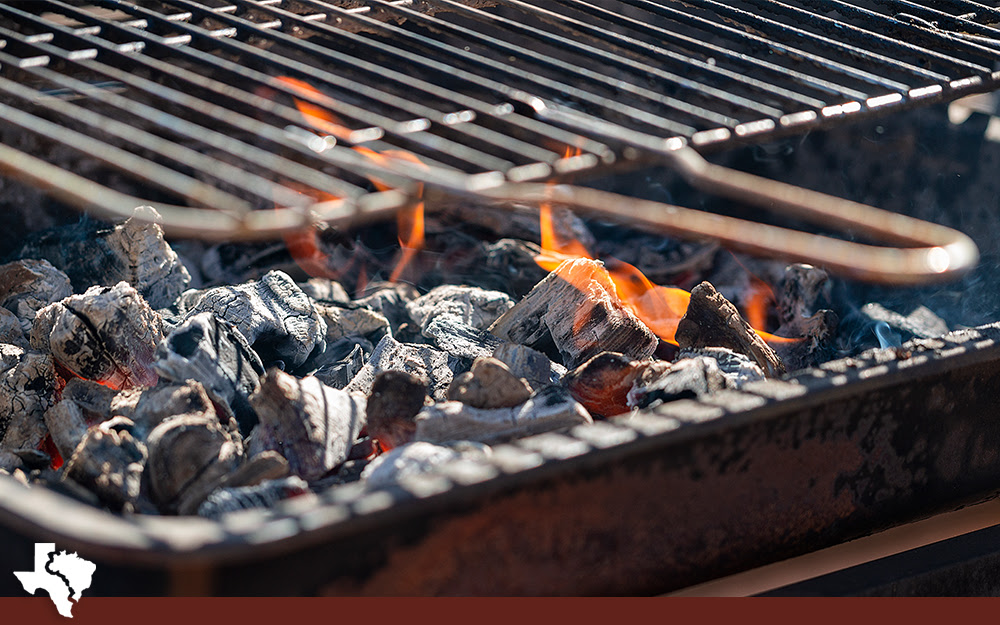
You want your grill to be on medium-high heat, somewhere in the 350-degree range. You aren’t going to ruin it if you’re as low as 300 (it’ll just take longer) or as high as 450 (it’ll be quick, so thinner slices might be better here). The key is to watch the cheese and adjust the heat as necessary.
When you’re ready to grill the cheese, use a brush to brush a high smoke-point oil over the grill surface so the cheese doesn’t stick and end up a problem to remove.
Skewer Your Cheese
Skewering the cheese is the key to preparing this delectable dish.
The first option is a metal skewer. Metal skewers are durable, long-lasting, and easy to handle, though they can get very hot and might require gloves or other heat-resistant items to handle them.
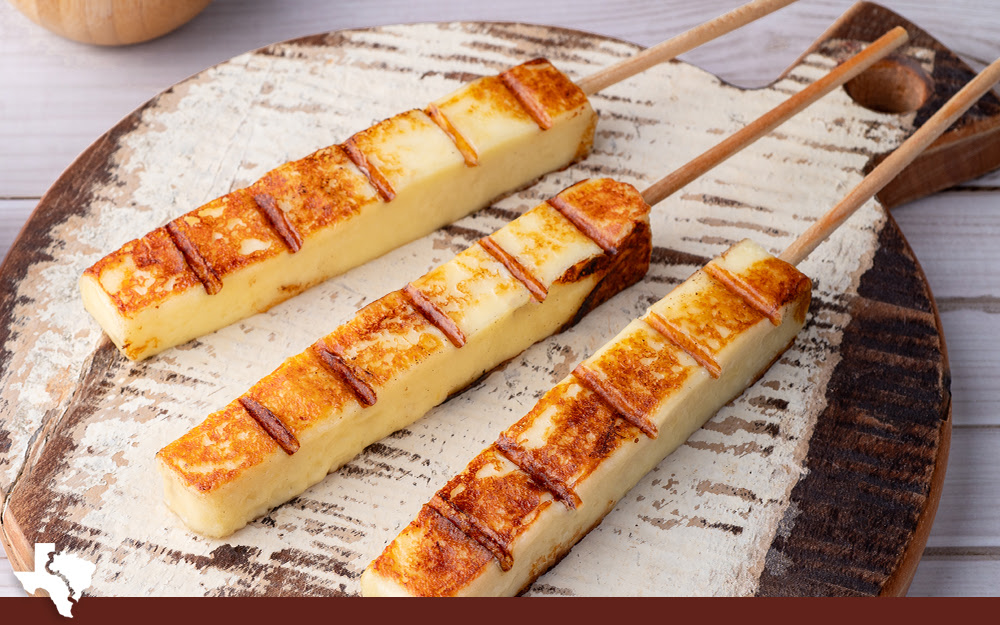
If you don’t want to buy a set of metal skewers, the most common option is wooden skewers. They’re cheap, plentiful, and you don’t have to worry about tossing them when you’re done.
There is, however, a trick to using wooden skewers. You need to soak them in water for at least 20-30 minutes, then let them dry for a couple of extra minutes to ensure ease of handling. This prevents them from just burning away and leaving you with cheese you can’t handle.
Grill! That! Cheese!
Now comes the action! Put those skewered cheese chunks on the grill. Usually, the best way is to put them at a 45-degree angle to the grill itself, so you get nice, diagonal grill marks.
Leave the cheese in place for 2-3 minutes (or more, if your temperature is on the lower end), and try not to move it. You’re looking for the exterior of the cheese to start melting, and the heat to caramelize and crust it up. The grill marks are easily one of the best parts of this snack, so it’s critical to get them! Just pay attention and try to avoid letting the cheese burn.
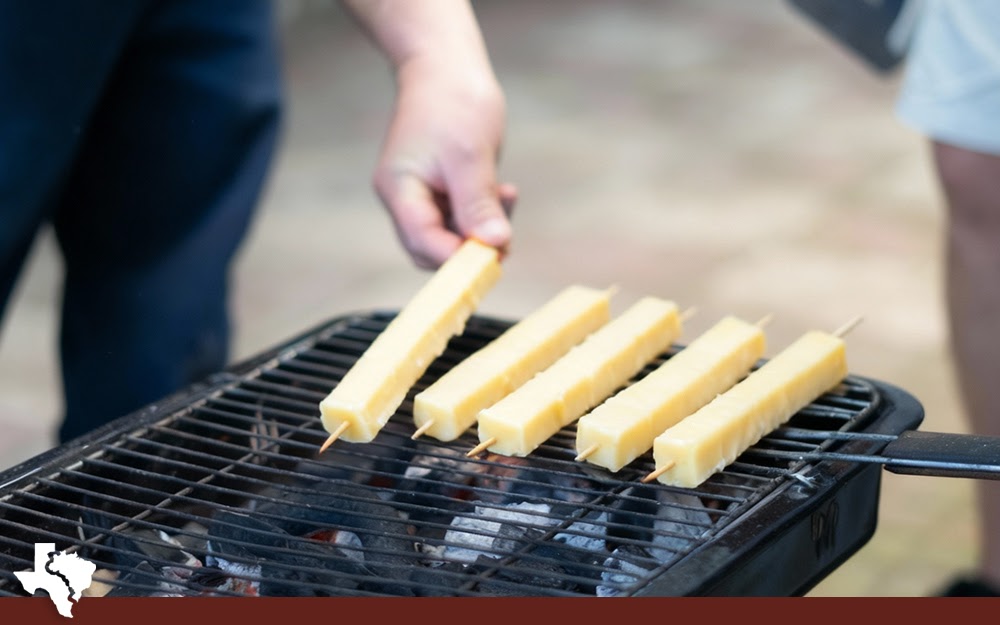
Once one side is nicely grilled, flip the cheese and do the other side for a similar amount of time.
When the cheese skewers are done, move them to a baking sheet or plate, whatever you like. If you want, you can sprinkle them with a bit of kosher salt, though if you’re using a saltier base cheese, you might not need to.
Prepare a Drizzle
The thing that kicks espetinhos de queijo de coalho into overdrive is the drizzle. While the cheese is definitely delicious on its own, it really becomes something special when you drizzle it or dip it in a topping. There are a ton of different options, depending on where in Brazil you are and what you prefer from your cheese snacks.
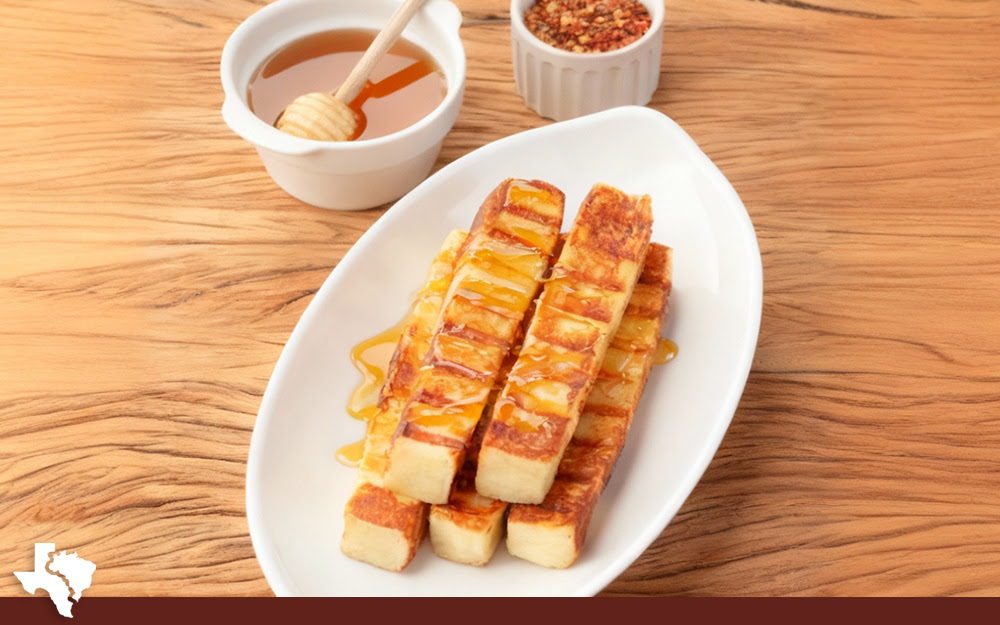
Some favorites include:
- Honey. A simple drizzle of honey helps some sweetness augment the savory and salty elements of the cheese wonderfully.
- Molasses. A light molasses is similar to honey, but with a darker, richer kind of flavor. For an added twist, you can use a pomegranate molasses as well!
- Herbed oil. Oregano in olive oil makes for a savory herbal topping that brings the cheese to a whole new dimension.
- Garlic. Minced garlic in oil, or minced garlic added to an herbed oil, is another favorite savory option.
Brazilians, as you might know, absolutely love our sweets, so the sweeter options tend to be common. Up here in the states, though, you might prefer the herbal versions. Truthfully? We think it’s best to prepare a few different options, or make the recipe more than once, to experience the possibilities of a delicious grilled cheese.
Bonus: When you grill the cheese, cut it down to smaller bite-sized pieces and alternate with chunks of pineapple on the grill. Eating the two together is absolutely divine!
Bonus 2: For another Brazilian flair, sprinkle the finished cheese with a pinch or two of farofa. The mild and nutty crunch of the toasted cassava flour adds another layer to the finished treat.
Looking for More Brazilian Favorites?
While we might not have espetinhos de queijo de coalho on our menu here at Texas de Brazil, we’re full up with a whole bunch of other Brazilian favorites. The churrasco (starring picanha, Brazil’s favorite cut of meat) is just the start. We also offer farofa, feijoada (the famous black bean stew), pao de queijo, plenty of tropical dessert favorites, and even some classic Brazilian cocktails for you to try.
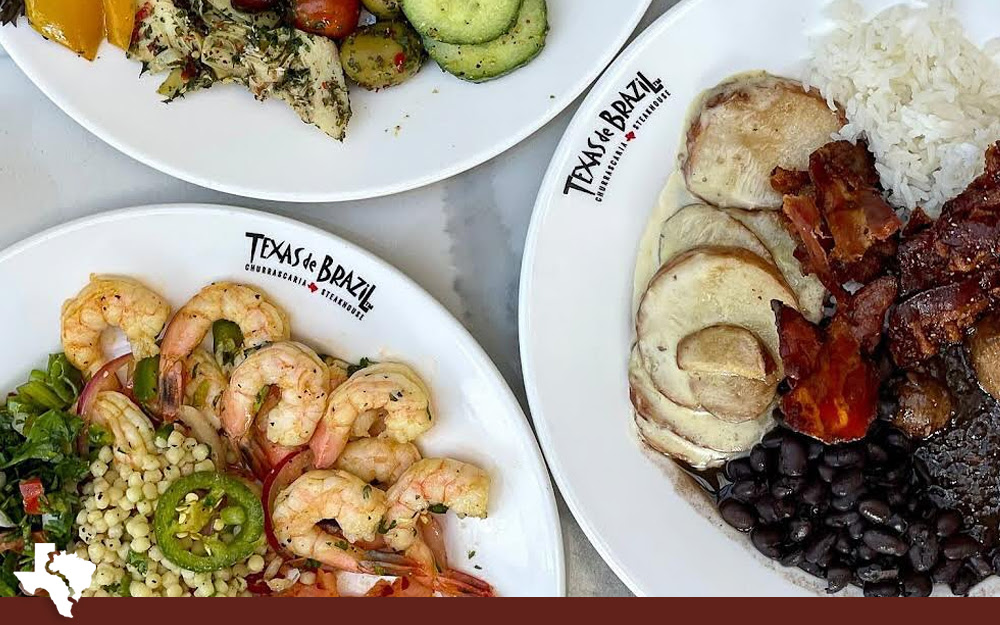
So, if you’re looking to experience the tastes of Brazil, you’ve come to the right place. Just find your nearest location and call or book a reservation online, or just stop in! The continuous dining experience means you’re guaranteed to leave satisfied, and you can try a little of everything without having to jump through hoops or split orders.
Don’t forget to sign up for our eClub before you visit, for special deals and offers exclusive to members. It’s completely free, so there’s no reason not to!