

What Makes the Rock Salt on Brazilian BBQ Different?
As an American, when you think about rock salt, what comes to mind? If you’re from the north, it’s probably something you’re used to seeing scattered on sidewalks and roads, to keep ice from forming as a hazard. If you’re from less wintery climes, you’re probably going to think of the coarse salt you use to fill a grinder, like Himalayan pink salt.
In Brazil, though, we have something a little different. It’s called sal grosso, and it’s the key to our brilliant, meaty, and delicious churrasco. But what makes it so different, and why should you consider picking some up yourself? The world of salt is broader and more fantastic than you might ever have thought, so there’s a lot to learn.
Table of Contents
What is Sal Grosso?
Sal grosso is a Portuguese term, but fortunately for English speakers, it doesn’t mean “gross salt”. Sal is salt, yes, but grosso means large or coarse.
It’s not quite as simple as just being large salt, though. After all, there are a lot of different kinds of large salt. Brazilian sal grosso is larger than your normal coarse salt you might find in American stores, but smaller than the large rock salt you typically find for non-culinary purposes or as part of mass recipes for huge batches of brine.
The kind of crystals can also matter. Compare:
- Rock salt, with very large pebbles of salt crystals
- Sal grosso, with large, lumpy crystals
- Finishing salt, with large, broad but thin flakes
- Kosher salt, with medium-sized flakes
- Table salt, with small granules similar to processed sugar
- Powdered salt, ground down much finer, almost like flour
All of these kinds of salt are chemically the same, sodium chloride, the table salt we all know and love. But, they all have different textures, and even subtly different flavors, based on how they spread out on the tongue, how they dissolve, and how they react with the foods they’re added to.
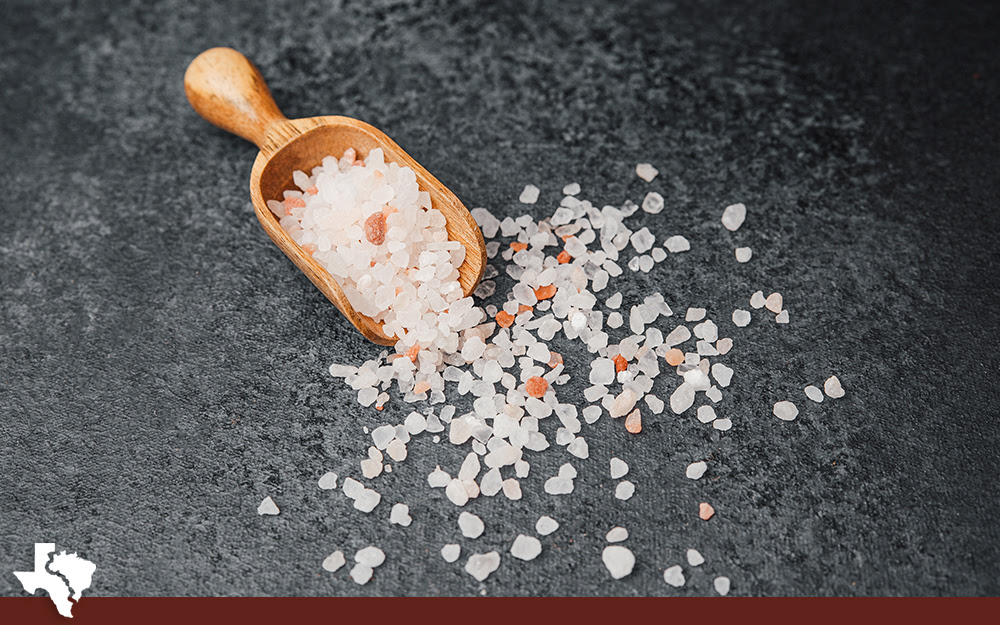
Brazilians have adopted the use of sal grosso primarily for churrasco, but it makes its way into other kinds of cooking as well. Plus, it’s just salt; if you need a finer version, all you need to do is grind it up.
In America, you’re likely used to salt shakers available at every restaurant table. In Brazil, though, they’re more of a rarity. Why? It’s actually partially from governmental regulations to help decrease excess salt intake. Too much sodium is a huge health problem in many places around the world, and in Brazil, we’ve taken action to try to cut back on it.
This might seem at odds with churrasco and the concept of coating meat in salt before cooking it, but two things make it better. First, a lot of that salt is scraped right back off and reused for the next round of cooking, so relatively little of the salt is actually infused into the food. And second, while the meat itself gets plenty of salt, the other food items on the menu are much lower in salt.
Of course, this can vary by location. Some places have much saltier cuisine than others, and some families and individuals like salt more than others. We’re not so different across the equator, after all.
What makes sal grosso different from table salt?
The size, really. Sal grosso is one of the largest kinds of salt you can find for general culinary use. Sure, you can find larger salts here and there. Rock salt is occasionally used in cooking, and you can find large chunks of salt meant for immersing in pasta water and reusing over and over.
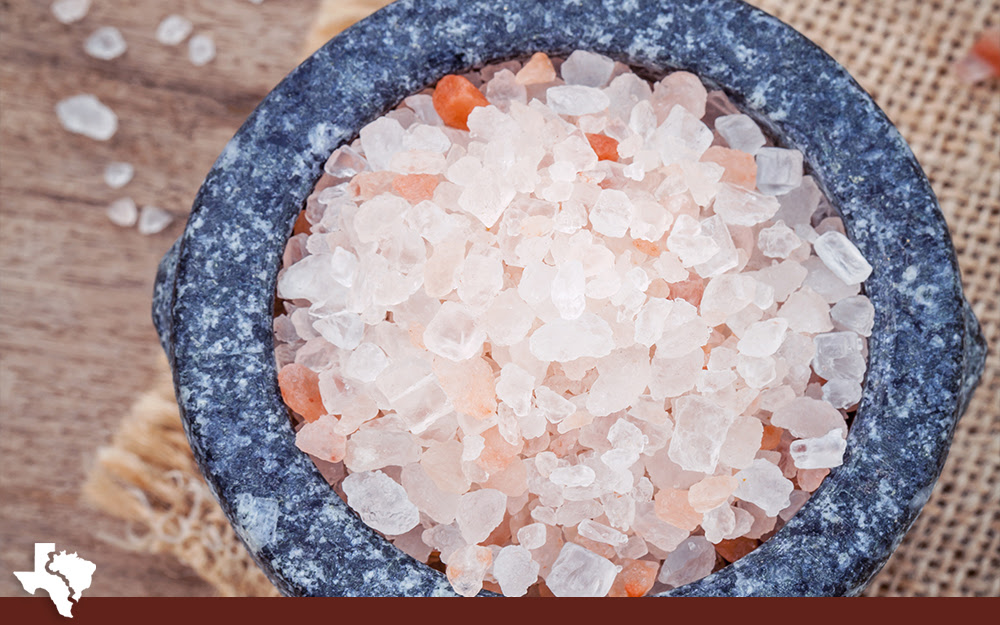
The size profile helps a lot with getting the chemical and flavor benefits of salt, without actually infusing a food with too much sodium. The salt itself helps draw out moisture from a piece of meat, which the meat then re-absorbs along with some of the dissolved salt, in a sort of dry brine process.
When cooked with the salt on it, it can form an enhanced Maillard reaction for a salt crust, which can be exceedingly delicious. And, when the occasional bit of salt is left on the food, it adds a bit of crunch that can be quite pleasant. If you’ve ever had chocolate or salted caramels, or even cheeses with little bits of crystal in them, you know how enjoyable that little bit of crunchy salt can be.
Chemical differences in salts
Another note we should make here is about the chemical differences in different kinds of salt.
Sal grosso is a sea salt. In case you didn’t know, that’s not just a marketing term; sea salt literally comes from the sea. Seawater is channeled into broad, shallow ponds, where sunlight, wind, and the natural process of evaporation work together to remove the water, leaving the minerals behind.
This process takes actual, literal years, often 3-5 years for any given batch of seawater. The seawater is essentially condensed and reduced over and over until nothing remains but crystallized salt and minerals from the ocean.
What about microorganisms and other impurities? Yes, these exist in the process. In fact, they’re a critical part of it! Very little that is harmful can survive in a very salty environment, which is why brines and salt-curing processes are used to preserve foods. But, there’s always going to be some dirt and other impurities in the ocean.
That’s why, when a batch of salt is “done”, it’s purified. The salt is essentially washed to get rid of anything that’s not fit for human consumption. Critically, this does not get rid of everything other than NaCl; there are a lot of trace minerals, like magnesium, potassium, calcium, iron, and zinc, still present. These stay in the salt and are part of what makes sea salt different from table salt.
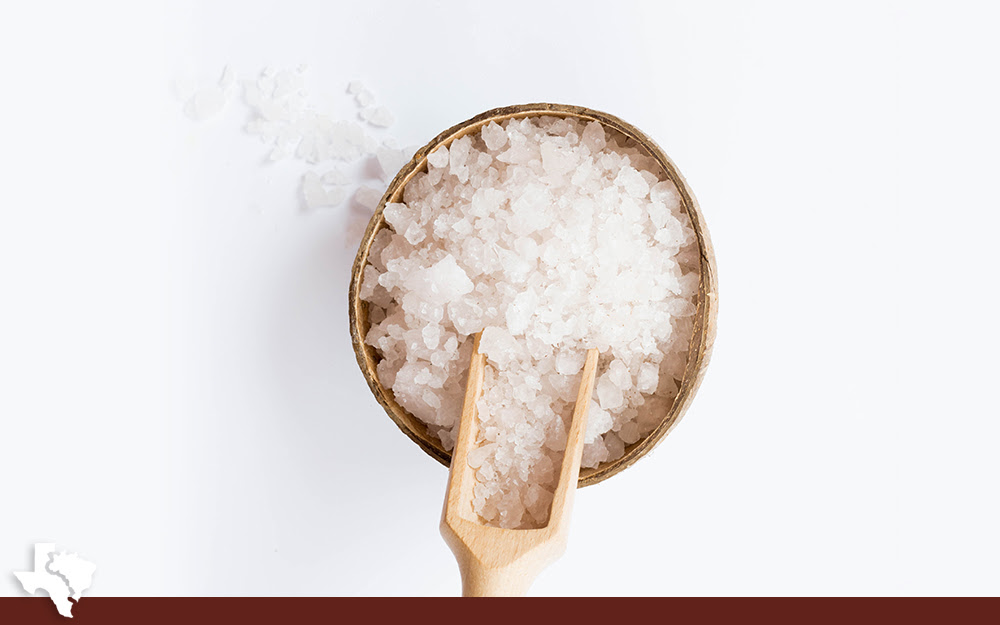
Brazilian sal grosso is relatively light on these added minerals. Meanwhile, something like Himalayan pink salt is much heavier in them. That pink color is actually almost entirely from the presence of iron oxide, aka rust, present in the salt. There are also other colored salts, including orange salts, red salts, and gray salts, which all have their own mineral profiles.
There’s one additional mineral that comes up when discussing salt all the time, which we haven’t yet mentioned: iodine. But, it’s fairly important to know about!
Iodine is a chemical element, and a vital one at that. Your body needs enough of it to function properly, for everything from brain development to thyroid function. It used to be much harder to get in adequate amounts than it is today, and iodine deficiency causes a lot of health problems. One of the most successful nutritional advancements in history was the inclusion of iodine in salt and some preservatives, ensuring nearly everyone gets enough iodine in their diets now.
Most common table salt is iodized, but there has been a push for “natural” ingredients in recent years, leading to more sea salt and more non-iodized salts available, primarily for use in things like baking, where iodine can kill yeast.
Sal grosso is usually not iodized, but it’s available both ways. Salinor, Brazil’s largest salt producer, makes both iodized and non-iodized sal grosso. By default, though, when you’re getting sal grosso for churrasco, it’s probably not iodized.
Is Coarser Salt Better?
Well, better for what?
The truth is, entire books have been written about the way salt affects foods, including different kinds of salt, different sizes of salt, and even different timings for adding salt to a dish. We don’t have the space to cover it all.
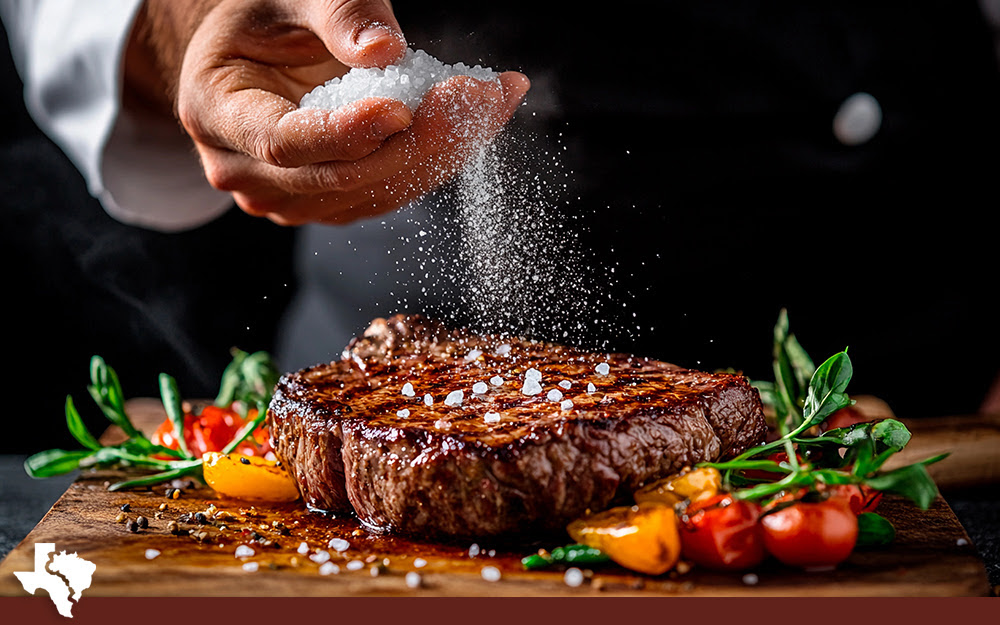
Coarse salt isn’t inherently better than other kinds of salt, but it does offer a few advantages.
- It provides a milder salt flavor than a smaller, finer salt, which is much more salt-forward.
- It offers a textural addition with the crunch of the granules, without being unpleasantly hard, the way rock salt would be, or dissolving into nothingness like table salt.
- In a pinch, it can be ground down into finer kinds of salt, so you don’t have to keep multiple kinds of salt on hand.
When used with churrasco cooking, a coarse salt works the best. It sticks well without dissolving, it adds texture and flavor without overpowering, and it helps with the chemical reactions that make meat all the more delicious. In this case, sal grosso is better, because it’s what we’ve found over the centuries works the best for our style of cooking.
Why Salt a Steak?
Salting a steak serves a few different purposes.
One is moisture balancing. If a steak is too moist, it won’t cook well and can end up overdone or underdone quite easily. When you add salt, it helps draw some moisture out of the steak. If you put a ton of salt on and left it for weeks or longer, you’d preserve the meat by drawing the moisture out of it, but that’s not what we’re doing.
A little salt draws out some moisture, but if too much is drawn out, the natural equilibrium will draw some right back in.
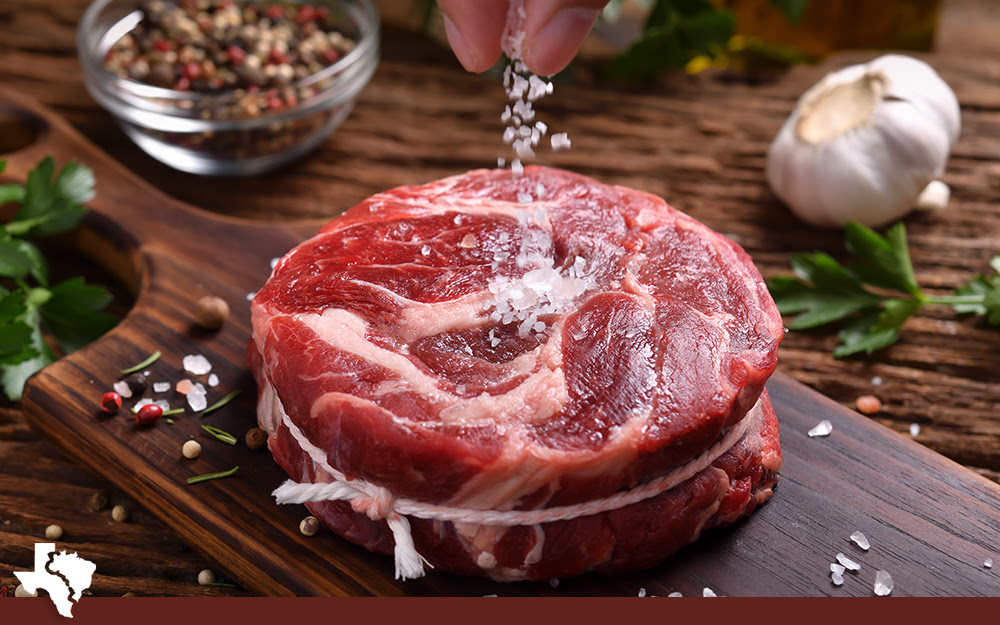
That leads to point two: a flavor enhancer. Salt makes other things taste more like themselves. Salted butter has a richer butter flavor than unsalted butter. Salted chocolate is a richer experience than unsalted chocolate. Salted meat has a meatier flavor than unsalted meat. When salt is applied to a steak and the moisture it pulls out is pulled back in, the salt infuses into the meat and enhances the meatiness of the steak.
Salt requires water to dissolve, so it doesn’t interact with fat. The fattiness of a cut of meat carries a lot of its own distinct flavor, which is often richer and more overpowering than the flavor of the protein part of a steak. Salt helps bring up that balance and helps the meat compete.
A third benefit of salting a steak is tenderization. When that salty moisture is re-absorbed into the steak, it chemically starts to break down some of the proteins in the meat. It’s not enough to really turn the meat into a paste or anything, but it does make the meat more tender.
If you’re cooking meat in a way where it contacts a hot pan, the salt accentuates the Maillard reaction and builds that robust crust. With churrasco, we have a different chemical process in play and don’t get the same kind of sear, but the salt still plays a role.
Using Sal Grosso at Home
Should you buy some sal grosso and keep it stocked at home?
Well, that’s entirely up to you.
Sal grosso is a flexible and multipurpose salt, especially if you don’t mind putting some in a grinder or taking a mortar and pestle to it. On the other hand, it’s a little trickier to get used to using it. If you use it wrong, you can easily over-salt some foods, and some people find the texture of crunchy bits of salt to be unpleasant.
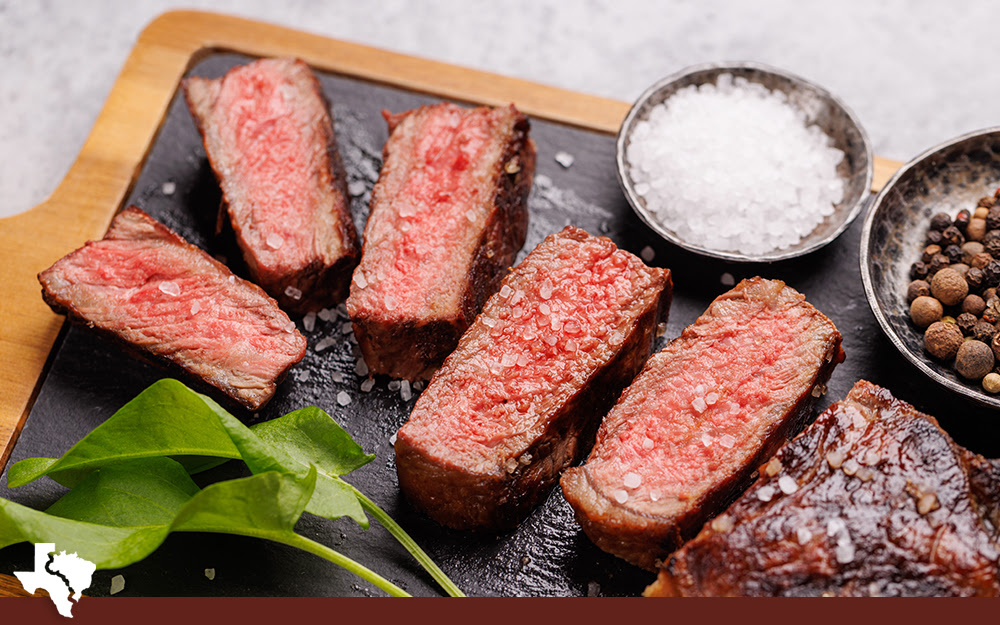
Really, it’s a great option if you’re willing to learn. But, you really do need to learn; it’s not something you can just use the same way as table salt and expect the same results. Books like Salt Fat Acid Heat can help a lot, and there are a ton of culinary resources about the science of salt as well.
If nothing else, it’s easy enough to buy a little jar of sal grosso and give it a try. Maybe you’ll find a new favorite salt!
Other Brazilian Spices and Sauces
There’s something amusingly Brazilian about an entire article dedicated to salt, when many people (especially those from salt-light countries) find Brazilian cuisine to be unbearably salty. We promise there’s more to Brazilian cuisine than just salt, though!
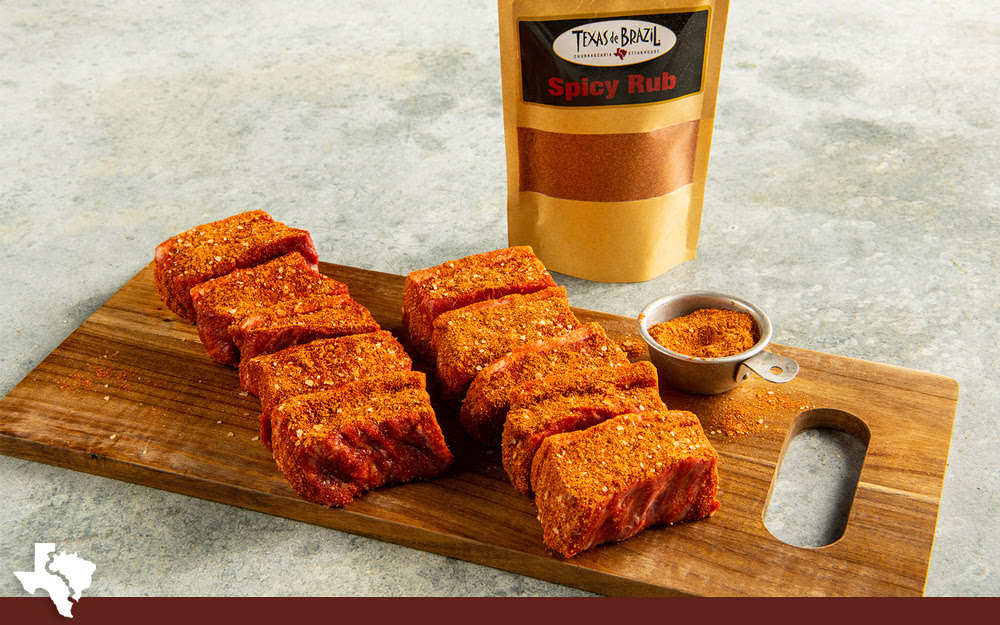
In fact, we have a whole guide to other spice rubs, mixes, and sauces that Brazilians use, including some we serve here at Texas de Brazil. We’d love to show you what it’s all about, so why not find your nearest location and stop by for a taste? Once you know what sal grosso does, and what else we have to offer, you’ll be a convert for sure.